Request Demo
What are STAT inhibitors and how do they work?
21 June 2024
The field of molecular biology has witnessed tremendous advances over the past few decades, particularly in the area of targeted cancer therapies. One such promising class of drugs that has garnered significant attention is STAT inhibitors. These compounds target the Signal Transducer and Activator of Transcription (STAT) proteins, which play crucial roles in cell signaling pathways that regulate a variety of biological processes, including cell growth, differentiation, and apoptosis. Understanding how STAT inhibitors work and their potential applications can shed light on why they are considered a breakthrough in targeted therapy.
STAT proteins are a family of transcription factors that are activated by cytokines, growth factors, and other signaling molecules. Upon activation, STAT proteins translocate to the cell nucleus, where they regulate the expression of specific genes involved in diverse cellular functions. Under normal circumstances, STAT signaling is tightly controlled. However, aberrant activation of STAT proteins, particularly STAT3 and STAT5, has been implicated in the development and progression of various cancers, as well as inflammatory and autoimmune diseases.
STAT inhibitors work by disrupting the STAT signaling pathways. There are several mechanisms through which these inhibitors can operate. Some STAT inhibitors prevent the activation of STAT proteins by inhibiting upstream kinases, such as Janus kinases (JAKs), which phosphorylate STATs. Others directly target the STAT proteins themselves, blocking their dimerization, DNA-binding ability, or nuclear translocation. Additionally, some inhibitors can degrade STAT proteins or inhibit their gene expression. By interfering with these key steps, STAT inhibitors effectively reduce the pathological signaling that contributes to disease progression.
One of the first STAT inhibitors to be developed was Stattic, a small molecule that selectively inhibits STAT3. Stattic works by interfering with the SH2 domain of STAT3, preventing its dimerization and subsequent DNA binding. This inhibition impairs the transcriptional activity of STAT3, thereby suppressing the expression of genes involved in cell proliferation and survival.
The therapeutic potential of STAT inhibitors extends beyond cancer treatment. In oncology, STAT inhibitors have shown promise in treating a range of malignancies, including breast, lung, prostate, and pancreatic cancers. In these contexts, the inhibition of STAT signaling can induce cancer cell apoptosis, reduce tumor growth, and enhance the efficacy of other therapeutic agents, such as chemotherapy and radiation.
Moreover, STAT inhibitors are being explored for their potential in treating inflammatory and autoimmune diseases. For instance, the aberrant activation of STAT3 and STAT5 is a hallmark of several autoimmune disorders, such as rheumatoid arthritis, multiple sclerosis, and systemic lupus erythematosus. By modulating the immune response and reducing inflammation, STAT inhibitors could offer a novel therapeutic approach for these conditions.
In addition to cancer and autoimmune diseases, STAT inhibitors are also being investigated for their role in combating viral infections. Certain viruses, including hepatitis B and C, exploit the STAT signaling pathway to enhance their replication and evade the immune system. By inhibiting STAT signaling, these drugs may help in controlling viral replication and improving antiviral responses.
Despite the promising potential of STAT inhibitors, there are several challenges that need to be addressed. One major concern is the specificity and selectivity of these inhibitors. Given that STAT proteins are involved in a wide range of physiological processes, off-target effects and toxicity could be significant issues. Therefore, developing highly selective inhibitors that specifically target pathological STAT signaling without affecting normal cellular functions is crucial.
Furthermore, the development of resistance to STAT inhibitors is another challenge. Cancer cells, in particular, are known for their ability to adapt and develop resistance to targeted therapies. Understanding the mechanisms underlying resistance to STAT inhibitors and developing strategies to overcome it will be essential for the long-term success of these therapies.
In conclusion, STAT inhibitors represent a promising class of targeted therapies with potential applications in cancer, autoimmune diseases, and viral infections. By disrupting the pathological STAT signaling pathways, these inhibitors can modulate disease progression and improve patient outcomes. However, further research is needed to enhance their specificity, minimize side effects, and address resistance mechanisms. As our understanding of STAT signaling and its role in various diseases continues to grow, STAT inhibitors are poised to play a significant role in the future of personalized medicine.
STAT proteins are a family of transcription factors that are activated by cytokines, growth factors, and other signaling molecules. Upon activation, STAT proteins translocate to the cell nucleus, where they regulate the expression of specific genes involved in diverse cellular functions. Under normal circumstances, STAT signaling is tightly controlled. However, aberrant activation of STAT proteins, particularly STAT3 and STAT5, has been implicated in the development and progression of various cancers, as well as inflammatory and autoimmune diseases.
STAT inhibitors work by disrupting the STAT signaling pathways. There are several mechanisms through which these inhibitors can operate. Some STAT inhibitors prevent the activation of STAT proteins by inhibiting upstream kinases, such as Janus kinases (JAKs), which phosphorylate STATs. Others directly target the STAT proteins themselves, blocking their dimerization, DNA-binding ability, or nuclear translocation. Additionally, some inhibitors can degrade STAT proteins or inhibit their gene expression. By interfering with these key steps, STAT inhibitors effectively reduce the pathological signaling that contributes to disease progression.
One of the first STAT inhibitors to be developed was Stattic, a small molecule that selectively inhibits STAT3. Stattic works by interfering with the SH2 domain of STAT3, preventing its dimerization and subsequent DNA binding. This inhibition impairs the transcriptional activity of STAT3, thereby suppressing the expression of genes involved in cell proliferation and survival.
The therapeutic potential of STAT inhibitors extends beyond cancer treatment. In oncology, STAT inhibitors have shown promise in treating a range of malignancies, including breast, lung, prostate, and pancreatic cancers. In these contexts, the inhibition of STAT signaling can induce cancer cell apoptosis, reduce tumor growth, and enhance the efficacy of other therapeutic agents, such as chemotherapy and radiation.
Moreover, STAT inhibitors are being explored for their potential in treating inflammatory and autoimmune diseases. For instance, the aberrant activation of STAT3 and STAT5 is a hallmark of several autoimmune disorders, such as rheumatoid arthritis, multiple sclerosis, and systemic lupus erythematosus. By modulating the immune response and reducing inflammation, STAT inhibitors could offer a novel therapeutic approach for these conditions.
In addition to cancer and autoimmune diseases, STAT inhibitors are also being investigated for their role in combating viral infections. Certain viruses, including hepatitis B and C, exploit the STAT signaling pathway to enhance their replication and evade the immune system. By inhibiting STAT signaling, these drugs may help in controlling viral replication and improving antiviral responses.
Despite the promising potential of STAT inhibitors, there are several challenges that need to be addressed. One major concern is the specificity and selectivity of these inhibitors. Given that STAT proteins are involved in a wide range of physiological processes, off-target effects and toxicity could be significant issues. Therefore, developing highly selective inhibitors that specifically target pathological STAT signaling without affecting normal cellular functions is crucial.
Furthermore, the development of resistance to STAT inhibitors is another challenge. Cancer cells, in particular, are known for their ability to adapt and develop resistance to targeted therapies. Understanding the mechanisms underlying resistance to STAT inhibitors and developing strategies to overcome it will be essential for the long-term success of these therapies.
In conclusion, STAT inhibitors represent a promising class of targeted therapies with potential applications in cancer, autoimmune diseases, and viral infections. By disrupting the pathological STAT signaling pathways, these inhibitors can modulate disease progression and improve patient outcomes. However, further research is needed to enhance their specificity, minimize side effects, and address resistance mechanisms. As our understanding of STAT signaling and its role in various diseases continues to grow, STAT inhibitors are poised to play a significant role in the future of personalized medicine.
How to obtain the latest development progress of all targets?
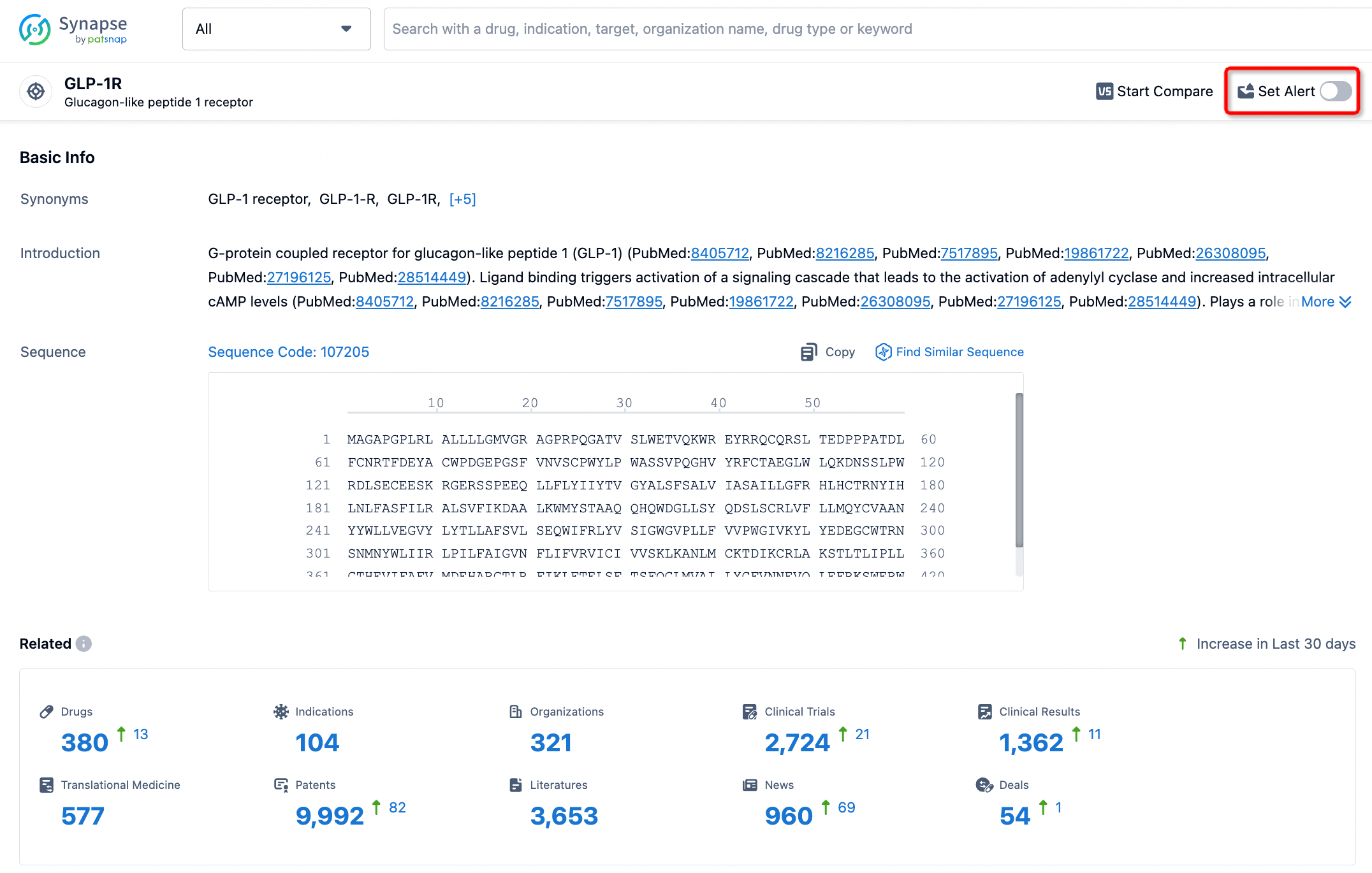
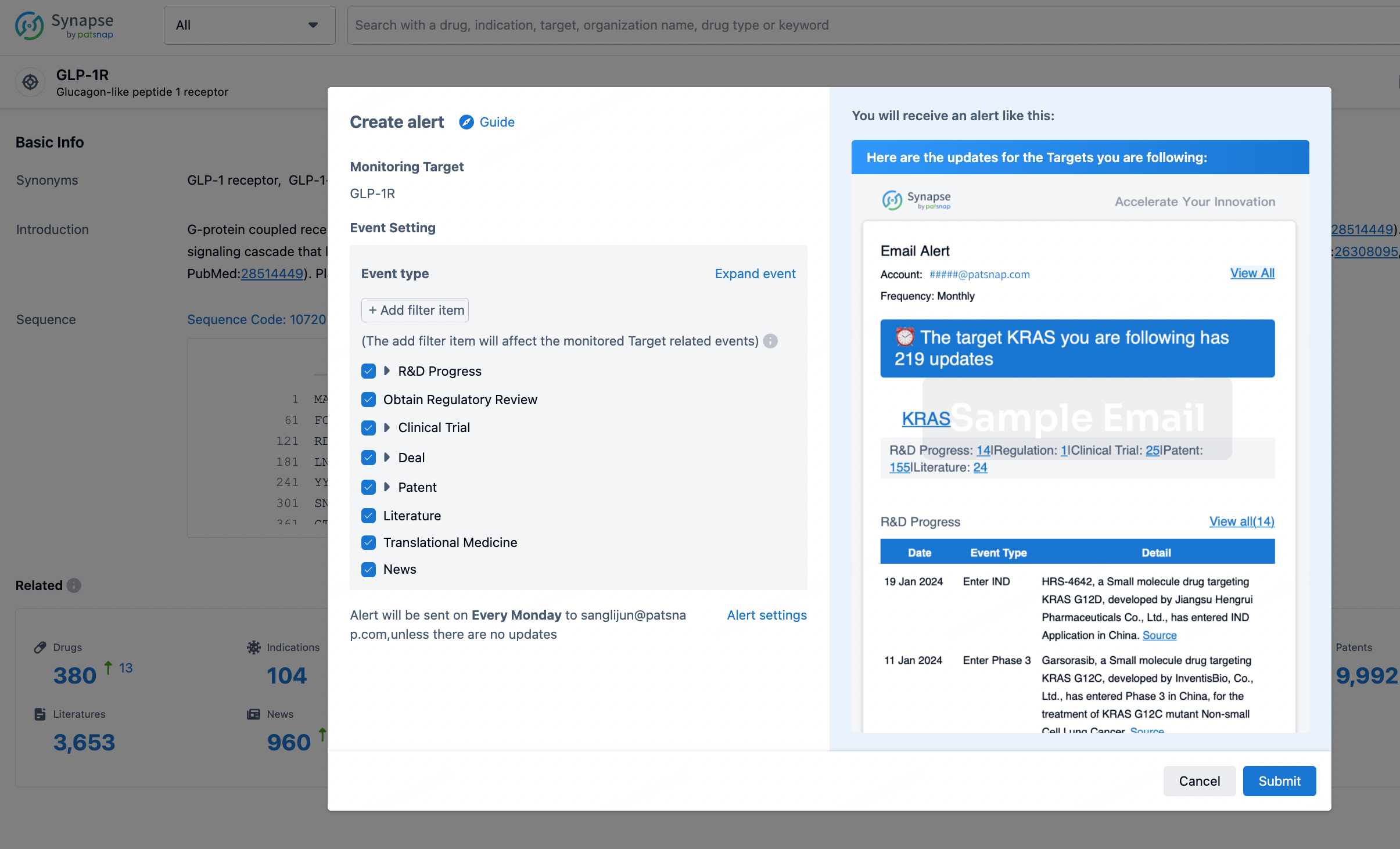
In the Synapse database, you can stay updated on the latest research and development advances of all targets. This service is accessible anytime and anywhere, with updates available daily or weekly. Use the "Set Alert" function to stay informed. Click on the image below to embark on a brand new journey of drug discovery!

Hiro LS Researcher
The AI Search Engine Built to Accelerate Biopharma Decisions
Search across billion-scale life sciences data to uncover signals, validate evidence, and act with confidence.
Ask any biopharma research question→
Get started for free today!
Accelerate Strategic R&D decision making with Synapse, Patsnap’s AI-powered Connected Innovation Intelligence Platform Built for Life Sciences Professionals.
Discover Synapse Data Servers
Synapse data is now integrated into the PatSnap LS Model Context Protocol (MCP) service. Customize your LLM agent now using our MCP server!