Request Demo
What are TFDP3 antagonists and how do they work?
25 June 2024
Introduction to TFDP3 antagonists
TFDP3 antagonists are an emerging class of compounds that have garnered significant attention in the fields of oncology and molecular biology. TFDP3, or Transcription Factor Dp family member 3, is a protein that plays a crucial role in regulating the cell cycle and apoptosis. Its overexpression has been linked to various cancers, making it a promising target for therapeutic intervention. By inhibiting TFDP3, these antagonists aim to restore normal cell function and inhibit the proliferation of cancer cells.
How do TFDP3 antagonists work?
TFDP3 is a member of the E2F family of transcription factors, which are pivotal in controlling the transition between different phases of the cell cycle. More specifically, TFDP3 forms a complex with E2F proteins to regulate the expression of genes involved in DNA replication and cell division. Overactivity of this complex can push cells into a state of continuous division, a hallmark of cancer.
TFDP3 antagonists work by disrupting this interaction, thereby inhibiting the transcriptional activity of the E2F-TFDP3 complex. These antagonists either bind directly to TFDP3 or the E2F proteins, preventing the formation of the complex. Some antagonists may also interfere with the DNA-binding activity of the complex, thereby reducing the transcription of genes crucial for cell-cycle progression. The net effect is a halt in the uncontrolled proliferation of cells, making these antagonists potent agents in cancer therapy.
What are TFDP3 antagonists used for?
1. Cancer Treatment
The primary application of TFDP3 antagonists is in the treatment of various cancers. By inhibiting TFDP3, these compounds aim to suppress tumor growth and proliferation. Preclinical studies have shown that TFDP3 antagonists can significantly inhibit the growth of cancer cells in vitro and in vivo. This has sparked interest in their potential use against a variety of cancers, including breast, lung, and prostate cancers.
2. Overcoming Drug Resistance
Another promising application of TFDP3 antagonists is in overcoming drug resistance. Cancer cells often develop resistance to conventional therapies, such as chemotherapy and targeted treatments. TFDP3 has been implicated in the mechanisms that drive this resistance. By targeting TFDP3, these antagonists can potentially resensitize cancer cells to existing treatments, thereby enhancing their efficacy.
3. Synergistic Therapy
TFDP3 antagonists are also being explored for use in combination therapies. When used alongside other cancer treatments, these antagonists can have a synergistic effect, leading to improved outcomes. For instance, combining TFDP3 antagonists with immune checkpoint inhibitors or traditional chemotherapy agents can result in a more comprehensive attack on cancer cells, reducing the likelihood of recurrence.
4. Neurodegenerative Diseases
Interestingly, recent research suggests that TFDP3 antagonists may also have applications beyond oncology. TFDP3 has been found to play a role in neurodegenerative diseases like Alzheimer's and Parkinson's, where its dysregulation contributes to neuronal death. Although research in this area is still in its infancy, there is potential for TFDP3 antagonists to be developed as treatments for these debilitating conditions.
5. Anti-Aging Research
The role of TFDP3 in cell cycle regulation and apoptosis makes it a target of interest in anti-aging research. By modulating the activity of TFDP3, it may be possible to influence the aging process at a cellular level. While this application is still speculative and far from clinical reality, it represents an exciting frontier in the field of longevity science.
Conclusion
TFDP3 antagonists represent a promising avenue for therapeutic development, particularly in the realm of cancer treatment. By targeting a key regulator of the cell cycle and apoptosis, these compounds offer a novel approach to combating uncontrolled cell proliferation and drug resistance. As research progresses, it is likely that the full potential of TFDP3 antagonists will be realized, paving the way for new treatments in oncology and beyond.
TFDP3 antagonists are an emerging class of compounds that have garnered significant attention in the fields of oncology and molecular biology. TFDP3, or Transcription Factor Dp family member 3, is a protein that plays a crucial role in regulating the cell cycle and apoptosis. Its overexpression has been linked to various cancers, making it a promising target for therapeutic intervention. By inhibiting TFDP3, these antagonists aim to restore normal cell function and inhibit the proliferation of cancer cells.
How do TFDP3 antagonists work?
TFDP3 is a member of the E2F family of transcription factors, which are pivotal in controlling the transition between different phases of the cell cycle. More specifically, TFDP3 forms a complex with E2F proteins to regulate the expression of genes involved in DNA replication and cell division. Overactivity of this complex can push cells into a state of continuous division, a hallmark of cancer.
TFDP3 antagonists work by disrupting this interaction, thereby inhibiting the transcriptional activity of the E2F-TFDP3 complex. These antagonists either bind directly to TFDP3 or the E2F proteins, preventing the formation of the complex. Some antagonists may also interfere with the DNA-binding activity of the complex, thereby reducing the transcription of genes crucial for cell-cycle progression. The net effect is a halt in the uncontrolled proliferation of cells, making these antagonists potent agents in cancer therapy.
What are TFDP3 antagonists used for?
1. Cancer Treatment
The primary application of TFDP3 antagonists is in the treatment of various cancers. By inhibiting TFDP3, these compounds aim to suppress tumor growth and proliferation. Preclinical studies have shown that TFDP3 antagonists can significantly inhibit the growth of cancer cells in vitro and in vivo. This has sparked interest in their potential use against a variety of cancers, including breast, lung, and prostate cancers.
2. Overcoming Drug Resistance
Another promising application of TFDP3 antagonists is in overcoming drug resistance. Cancer cells often develop resistance to conventional therapies, such as chemotherapy and targeted treatments. TFDP3 has been implicated in the mechanisms that drive this resistance. By targeting TFDP3, these antagonists can potentially resensitize cancer cells to existing treatments, thereby enhancing their efficacy.
3. Synergistic Therapy
TFDP3 antagonists are also being explored for use in combination therapies. When used alongside other cancer treatments, these antagonists can have a synergistic effect, leading to improved outcomes. For instance, combining TFDP3 antagonists with immune checkpoint inhibitors or traditional chemotherapy agents can result in a more comprehensive attack on cancer cells, reducing the likelihood of recurrence.
4. Neurodegenerative Diseases
Interestingly, recent research suggests that TFDP3 antagonists may also have applications beyond oncology. TFDP3 has been found to play a role in neurodegenerative diseases like Alzheimer's and Parkinson's, where its dysregulation contributes to neuronal death. Although research in this area is still in its infancy, there is potential for TFDP3 antagonists to be developed as treatments for these debilitating conditions.
5. Anti-Aging Research
The role of TFDP3 in cell cycle regulation and apoptosis makes it a target of interest in anti-aging research. By modulating the activity of TFDP3, it may be possible to influence the aging process at a cellular level. While this application is still speculative and far from clinical reality, it represents an exciting frontier in the field of longevity science.
Conclusion
TFDP3 antagonists represent a promising avenue for therapeutic development, particularly in the realm of cancer treatment. By targeting a key regulator of the cell cycle and apoptosis, these compounds offer a novel approach to combating uncontrolled cell proliferation and drug resistance. As research progresses, it is likely that the full potential of TFDP3 antagonists will be realized, paving the way for new treatments in oncology and beyond.
How to obtain the latest development progress of all targets?
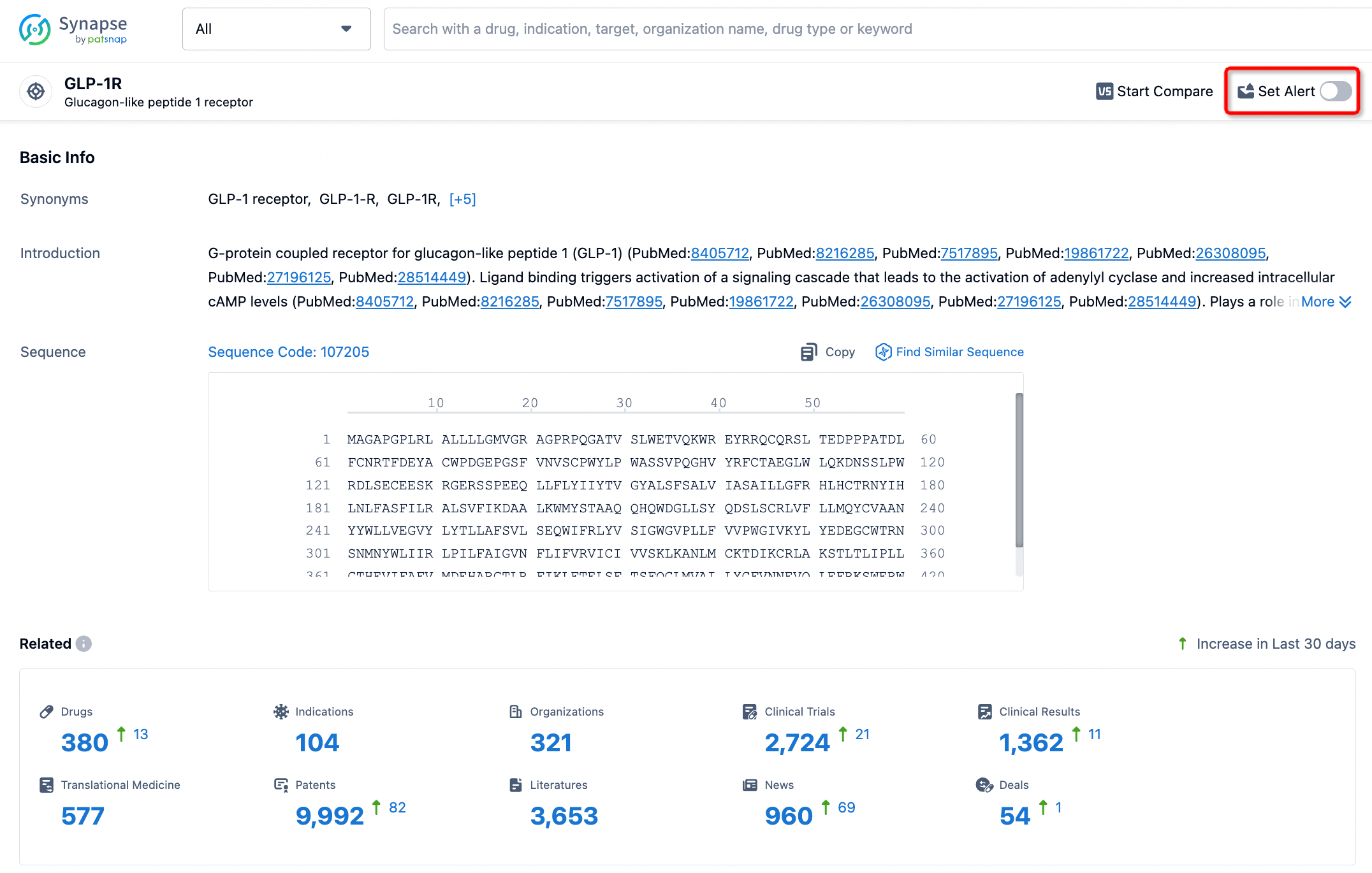
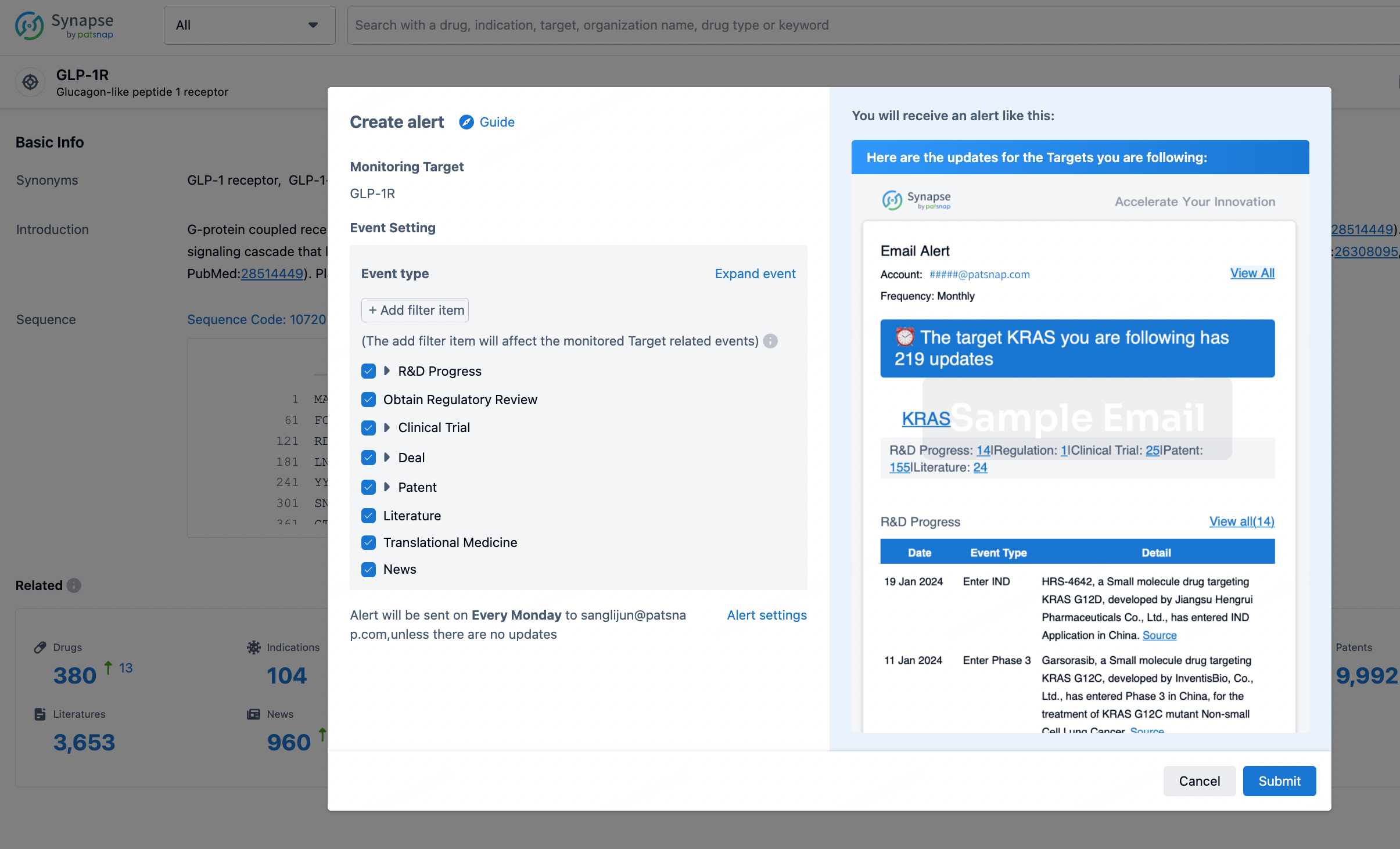
In the Synapse database, you can stay updated on the latest research and development advances of all targets. This service is accessible anytime and anywhere, with updates available daily or weekly. Use the "Set Alert" function to stay informed. Click on the image below to embark on a brand new journey of drug discovery!
AI Agents Built for Biopharma Breakthroughs
Accelerate discovery. Empower decisions. Transform outcomes.
Get started for free today!
Accelerate Strategic R&D decision making with Synapse, PatSnap’s AI-powered Connected Innovation Intelligence Platform Built for Life Sciences Professionals.
Start your data trial now!
Synapse data is also accessible to external entities via APIs or data packages. Empower better decisions with the latest in pharmaceutical intelligence.