Request Demo
What are the formulation strategies to improve PK properties?
29 May 2025
Improving the pharmacokinetic (PK) properties of drugs is a crucial aspect of pharmaceutical development. PK properties, which include absorption, distribution, metabolism, and excretion (ADME), significantly influence a drug's efficacy and safety profile. Various formulation strategies can be employed to optimize these properties, enhancing a drug's performance and patient adherence. This article explores some key strategies for improving PK properties.
Enhancing Solubility and Dissolution
Poor solubility is a common issue that affects the oral bioavailability of many drugs. To address this, formulation scientists employ strategies such as particle size reduction, solid dispersion, and the use of surfactants. Reducing particle size increases the surface area for dissolution, thereby enhancing solubility. Solid dispersions, where the drug is dispersed in an inert carrier matrix, can improve dissolution rates. Additionally, incorporating surfactants can reduce surface tension and improve the drug's wettability, further enhancing dissolution.
Improving Stability
Chemical and physical stability are critical for maintaining a drug's efficacy throughout its shelf life. To improve stability, formulation strategies may include the use of antioxidants and stabilizers to prevent degradation. Encapsulation techniques, such as liposomes or nanoparticles, can also protect the drug from environmental factors like light, heat, and moisture. By improving stability, the drug's therapeutic effect is preserved, and its PK profile remains consistent over time.
Modulating Release Profiles
Controlling the release rate of a drug can optimize its therapeutic effect and minimize side effects. Sustained or controlled-release formulations are designed to release the drug at a predetermined rate, maintaining constant drug levels in the bloodstream. This can be achieved through matrix systems, coated pellets, or osmotic pumps. By modulating release profiles, the frequency of dosing can be reduced, improving patient compliance and overall treatment efficacy.
Enhancing Permeability
For drugs administered orally, permeability through the gastrointestinal tract is essential for absorption. The use of permeation enhancers can help increase drug permeability by altering the lipid bilayer of cell membranes. Additionally, prodrug strategies, where the drug is chemically modified to improve permeability, can be utilized. Once absorbed, the prodrug is enzymatically converted to the active drug, thereby enhancing bioavailability.
Utilizing Prodrugs
Prodrug strategies are particularly useful for improving PK properties. A prodrug is an inactive precursor that undergoes metabolic conversion to release the active drug. This approach can enhance solubility, stability, and permeability. For instance, esterification of a drug molecule can improve its lipophilicity, facilitating better absorption. Prodrugs can also be designed to target specific tissues, increasing therapeutic efficacy and reducing systemic side effects.
Application of Nanotechnology
Nanotechnology offers innovative solutions for improving PK properties. Nanoparticles, nanocrystals, and liposomes can enhance solubility, stability, and targeted delivery. These nanosized carriers can facilitate the transport of drugs across biological barriers, improving absorption and bioavailability. Moreover, they can be engineered to release the drug in response to specific physiological triggers, providing targeted therapy with reduced side effects.
Personalized Medicine Approaches
The incorporation of pharmacogenomics and personalized medicine into drug formulation strategies allows for the tailored optimization of PK properties. By understanding individual genetic variations that affect drug metabolism and response, formulations can be customized to maximize efficacy and minimize adverse effects. This approach ensures that the right drug is delivered at the right dose to the right patient, enhancing therapeutic outcomes.
Conclusion
The optimization of PK properties through strategic formulation is a multifaceted process that requires a thorough understanding of the drug's characteristics and the biological environment. By employing techniques such as solubility enhancement, stability improvement, release modulation, and personalized medicine approaches, formulation scientists can significantly improve a drug's performance. These strategies not only enhance the drug's therapeutic potential but also contribute to better patient adherence and overall healthcare outcomes.
Enhancing Solubility and Dissolution
Poor solubility is a common issue that affects the oral bioavailability of many drugs. To address this, formulation scientists employ strategies such as particle size reduction, solid dispersion, and the use of surfactants. Reducing particle size increases the surface area for dissolution, thereby enhancing solubility. Solid dispersions, where the drug is dispersed in an inert carrier matrix, can improve dissolution rates. Additionally, incorporating surfactants can reduce surface tension and improve the drug's wettability, further enhancing dissolution.
Improving Stability
Chemical and physical stability are critical for maintaining a drug's efficacy throughout its shelf life. To improve stability, formulation strategies may include the use of antioxidants and stabilizers to prevent degradation. Encapsulation techniques, such as liposomes or nanoparticles, can also protect the drug from environmental factors like light, heat, and moisture. By improving stability, the drug's therapeutic effect is preserved, and its PK profile remains consistent over time.
Modulating Release Profiles
Controlling the release rate of a drug can optimize its therapeutic effect and minimize side effects. Sustained or controlled-release formulations are designed to release the drug at a predetermined rate, maintaining constant drug levels in the bloodstream. This can be achieved through matrix systems, coated pellets, or osmotic pumps. By modulating release profiles, the frequency of dosing can be reduced, improving patient compliance and overall treatment efficacy.
Enhancing Permeability
For drugs administered orally, permeability through the gastrointestinal tract is essential for absorption. The use of permeation enhancers can help increase drug permeability by altering the lipid bilayer of cell membranes. Additionally, prodrug strategies, where the drug is chemically modified to improve permeability, can be utilized. Once absorbed, the prodrug is enzymatically converted to the active drug, thereby enhancing bioavailability.
Utilizing Prodrugs
Prodrug strategies are particularly useful for improving PK properties. A prodrug is an inactive precursor that undergoes metabolic conversion to release the active drug. This approach can enhance solubility, stability, and permeability. For instance, esterification of a drug molecule can improve its lipophilicity, facilitating better absorption. Prodrugs can also be designed to target specific tissues, increasing therapeutic efficacy and reducing systemic side effects.
Application of Nanotechnology
Nanotechnology offers innovative solutions for improving PK properties. Nanoparticles, nanocrystals, and liposomes can enhance solubility, stability, and targeted delivery. These nanosized carriers can facilitate the transport of drugs across biological barriers, improving absorption and bioavailability. Moreover, they can be engineered to release the drug in response to specific physiological triggers, providing targeted therapy with reduced side effects.
Personalized Medicine Approaches
The incorporation of pharmacogenomics and personalized medicine into drug formulation strategies allows for the tailored optimization of PK properties. By understanding individual genetic variations that affect drug metabolism and response, formulations can be customized to maximize efficacy and minimize adverse effects. This approach ensures that the right drug is delivered at the right dose to the right patient, enhancing therapeutic outcomes.
Conclusion
The optimization of PK properties through strategic formulation is a multifaceted process that requires a thorough understanding of the drug's characteristics and the biological environment. By employing techniques such as solubility enhancement, stability improvement, release modulation, and personalized medicine approaches, formulation scientists can significantly improve a drug's performance. These strategies not only enhance the drug's therapeutic potential but also contribute to better patient adherence and overall healthcare outcomes.
Discover Eureka LS: AI Agents Built for Biopharma Efficiency
Stop wasting time on biopharma busywork. Meet Eureka LS - your AI agent squad for drug discovery.
▶ See how 50+ research teams saved 300+ hours/month
From reducing screening time to simplifying Markush drafting, our AI Agents are ready to deliver immediate value. Explore Eureka LS today and unlock powerful capabilities that help you innovate with confidence.
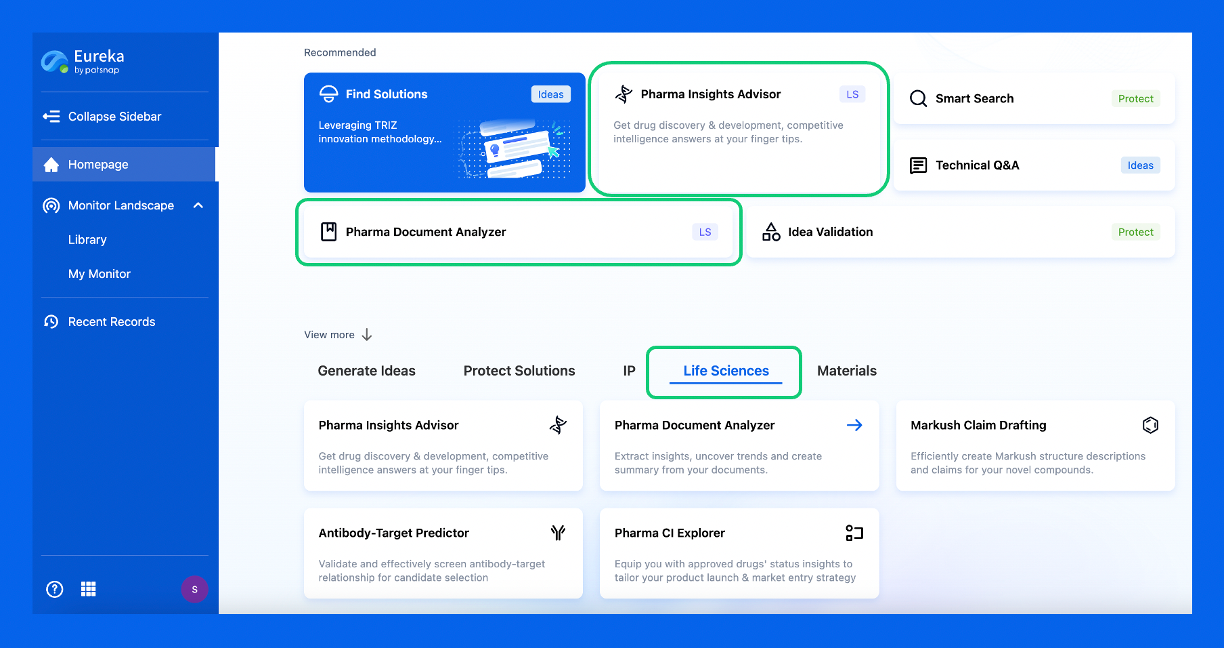
AI Agents Built for Biopharma Breakthroughs
Accelerate discovery. Empower decisions. Transform outcomes.
Get started for free today!
Accelerate Strategic R&D decision making with Synapse, PatSnap’s AI-powered Connected Innovation Intelligence Platform Built for Life Sciences Professionals.
Start your data trial now!
Synapse data is also accessible to external entities via APIs or data packages. Empower better decisions with the latest in pharmaceutical intelligence.