Request Demo
What are the key players in the pharmaceutical industry targeting 5-HT1A?
11 March 2025
Introduction to 5-HT1A Receptor
Definition and Function
The 5-HT1A receptor is an integral member of the serotonin receptor family, classified as a G protein-coupled receptor (GPCR) that plays a pivotal role in regulating serotonergic neurotransmission in the central nervous system (CNS). This receptor exists in two main functional forms: as an autoreceptor located on serotonergic neurons in the raphe nuclei – where it provides negative feedback to control serotonin release – and as a heteroreceptor found in various brain regions such as the hippocampus, amygdala, and cortical areas. When activated, the receptor typically couples to Gi/o proteins, resulting in inhibition of adenylyl cyclase, a reduction in cyclic AMP production, and ultimately, the hyperpolarization of neurons through activation of inwardly rectifying potassium channels. This inhibitory signaling cascade is central not only to mood regulation but also to modulating anxiety, stress responses, and other behavioral functions. In addition to the classical inhibitory pathway, emerging research indicates that distinct conformational states and possible biased agonism may allow some ligands to activate additional intracellular signaling routes, thereby broadening the receptor’s pharmacological action.
Role in Human Health
Dysfunction of the 5-HT1A receptor has been implicated in a variety of neuropsychiatric disorders including depression, generalized anxiety disorder, and schizophrenia. In depression and anxiety, for example, alterations in the receptor’s activity can lead to disrupted serotonergic tone, which can adversely affect mood and emotional reactivity. Moreover, genetic polymorphisms—such as variations in the C(-1019)G promoter region as well as coding polymorphisms like Arg219Leu—have been associated with both altered receptor function and susceptibility to mood disorders. Owing to its extensive distribution and regulatory role in serotonin release, 5-HT1A receptor targeting has attracted significant attention not only as a mechanism to alleviate symptoms of mood disorders but also as a potential strategy for neuroprotection, cognitive enhancement, pain modulation, and even novel indications such as Parkinson’s disease. The multifaceted influence of this receptor on human health makes it an appealing yet complex target for therapeutic intervention.
Pharmaceutical Industry Overview
Major Players in the Industry
In the pharmaceutical industry, the 5-HT1A receptor has emerged as a critical target owing to the central role it plays in mediating mood, anxiety, and neurodegenerative processes. Recent analyses based on data from the Patsnap Synapse-Global Drug Intelligence Database have highlighted several key players in this domain. Notably, companies such as Otsuka Holdings Co., Ltd., AbbVie, Inc., and Sumitomo Chemical Co., Ltd. are recognized for their accelerated research and development efforts in targeting the 5-HT1A receptor.
• Otsuka Holdings Co., Ltd. has been at the forefront of developing multiple small molecule drugs that not only act on the 5-HT1A receptor but also incorporate multi-target approaches in addressing complex central nervous system (CNS) disorders.
• AbbVie, Inc. is another major player with significant clinical and preclinical investments in 5-HT1A receptor agonists and partial agonists intended to treat depressive and anxiety disorders while also exploring indications beyond traditional mood disorders.
• Sumitomo Chemical Co., Ltd. has been involved in the development of innovative compounds targeting the serotonergic system, and its contributions to 5-HT1A receptor research underscore its commitment to expanding therapeutic options for neuropsychiatric conditions.
These companies not only lead in terms of research intensity but also have numerous clinical trials running across multiple indications, which speaks to the competitive and rapidly evolving landscape of 5-HT1A-targeted therapies.
Additional pharmaceutical and biotech firms, although not always explicitly named in every report, contribute to this research arena by supplying novel chemical entities, engaging in collaborations with academic institutions, and participating in strategic partnerships aimed at increasing the repertoire of 5-HT1A receptor modulators. Academic-industry collaborations have further accelerated the pace of discovery, owing to improved structural biology techniques and computational modeling approaches that refine ligand design in this area.
Trends in Drug Development
Drug development targeting the 5-HT1A receptor is undergoing a significant transformation that mirrors broader trends in the pharmaceutical industry. One prevailing trend is the shift from traditional single-target approaches to multi-target-directed ligands (MTDLs) that combine 5-HT1A receptor activity with actions on other relevant CNS targets, such as serotonin transporters (SERT), 5-HT2 receptors, or even dopaminergic receptors. This integrated approach is motivated by the understanding that conditions like depression and schizophrenia are multifactorial, and modulating several pathways simultaneously can lead to improved clinical outcomes and faster onset of therapeutic effects.
Another notable trend is the emphasis on developing biased agonists that selectively trigger beneficial signaling pathways while avoiding adverse effects associated with classical receptor activation. The creativity in medicinal chemistry, as seen in the synthesis of aryloxyethyl derivatives and structurally novel agonists, exemplifies the drive towards creating compounds with improved efficacy, reduced side effects, and better pharmacokinetic profiles. The application of dynamic pharmacophore-based virtual screening is another cutting-edge strategy that leverages receptor flexibility to identify potential 5-HT1A agonists more effectively.
Furthermore, advanced imaging techniques such as positron emission tomography (PET) radiotracers are now being employed to study receptor occupancy and the pharmacodynamics of novel compounds. Radioligands like [18F]F13640 have been introduced as tools to visualize receptor activity in vivo, thereby bridging the gap between preclinical efficacy and clinical translation. Collectively, these trends underscore an industry drive towards precision medicine and a more nuanced understanding of receptor dynamics, which ultimately aims to optimize therapeutic regimens for disorders linked to 5-HT1A receptor dysfunction.
5-HT1A Targeting in Pharmaceuticals
Current Drugs and Therapies
Pharmaceutical interventions targeting the 5-HT1A receptor have a rich history and continue to evolve in complexity and scope. Buspirone, one of the earliest 5-HT1A receptor agonists approved by the FDA in 1986, remains a cornerstone treatment for generalized anxiety disorder. Since then, a host of other agents—including gepirone, tandospirone, and flesinoxan—have emerged as therapeutically significant compounds targeting this receptor. These drugs not only modulate serotonergic signaling but also exhibit diverse pharmacological profiles ranging from full agonism to partial agonism and even antagonism, allowing clinicians to tailor treatments based on individual patient profiles and disease severity.
In recent years, the development of multimodal antidepressants such as vilazodone and vortioxetine has signified an important advance in 5-HT1A targeting strategies; these compounds combine serotonin reuptake inhibition with 5-HT1A receptor partial agonism, thereby offering a more rapid and robust antidepressant response. Moreover, pharmacological research has extended beyond the realm of mood disorders, with studies investigating the role of 5-HT1A receptor agonists in neuroprotection, cognitive enhancement, and even as adjunctive therapy in Parkinson’s disease. The breadth of therapeutic indications reflects the fundamental regulatory role of the 5-HT1A receptor in CNS function, supporting its continued exploration as a potent target for drug discovery.
The current therapeutic landscape is marked by an increasing reliance on innovative chemical modifications to improve selectivity and address the longstanding issues associated with first-generation compounds. For example, comparisons using techniques like Comparative Molecular Fields Analysis (CoMFA) and Comparative Molecular Similarity Index Analysis (CoMSIA) have provided valuable insights into structural features that enhance receptor affinity and selectivity, thereby guiding further modifications and the development of superior drug candidates. In parallel, the establishment of dynamic pharmacophore models that account for receptor flexibility has contributed to the discovery of new chemical scaffolds with promising in vitro and in vivo activity profiles.
Leading Companies and Research Institutions
Leading companies such as Otsuka Holdings Co., Ltd., AbbVie, Inc., and Sumitomo Chemical Co., Ltd. have spearheaded research initiatives supported by robust preclinical and clinical pipelines, positioning them as key players in the field of 5-HT1A targeting. Their investments in this area are driven by both the need to address unmet clinical needs in psychiatric and neurological disorders and the potential for these compounds to complement or surpass the efficacy of existing therapies.
Otsuka Holdings has built a reputation for developing innovative therapeutics that not only target 5-HT1A receptors but also incorporate multi-target strategies for complex CNS disorders. AbbVie, with its extensive clinical research network, continues to design and evaluate novel 5-HT1A receptor modulators, while Sumitomo Chemical leverages its established chemical synthesis capabilities to generate new frameworks that improve receptor selectivity and pharmacokinetic properties.
Research institutions and academic collaborations have also contributed significantly to the evolution of this drug target. Universities and dedicated CNS research centers across North America, Europe, and Asia have produced breakthrough studies in receptor modeling, structure–activity relationships, and pharmacodynamic profiling. Dynamic pharmacophore-based virtual screening and homology modeling studies of 5-HT1A receptor structures have been conducted in leading academic laboratories, enabling the identification of promising lead compounds that are subsequently developed through collaborations with industry partners. These multi-sector partnerships are vital for translating cutting-edge basic research into therapeutic innovations that can eventually enter clinical trials.
Market and Research Trends
Recent Developments
The research and development landscape for 5-HT1A targeting therapies has seen rapid advancements in the past two decades. A significant body of literature highlights the discovery of new chemical entities with improved functional selectivity, such as biased agonists that favor beneficial signaling cascades while minimizing adverse pharmacological outcomes. Specifically, studies have demonstrated that novel 5-HT1A receptor agonists can trigger antidepressant, anxiolytic, and neuroprotective effects without the drawbacks of delayed treatment onset or treatment resistance often associated with conventional therapies.
Biotech and pharmaceutical companies are increasingly investing in detailed receptor imaging techniques such as PET, which now include radiopharmaceuticals tailored to monitor the active state of the receptor rather than merely total receptor density. Such advancements have improved the ability to assess drug-receptor interactions in vivo, thereby enhancing the predictive accuracy of translational studies from bench to bedside. Furthermore, emerging clinical trials have begun evaluating the efficacy of these next-generation compounds in patient populations that were previously underserved by traditional monotherapy approaches. The dynamic competitive landscape, with over 223 drugs reported in global clinical trials targeting 5-HT1A receptors from more than 229 organizations, underscores both the intense interest and the robust innovation driving this space.
Another transformative development is the integration of computational modeling into drug design. Approaches such as dynamic pharmacophore-based virtual screening not only account for receptor flexibility but also integrate structure-based drug design methods that simulate receptor–ligand interactions at a molecular level. This has led to the identification of multiple candidate compounds with promising in vitro binding and functional assay data, some of which are currently advancing through the preclinical pipeline. In addition, advances in genetic analysis have facilitated personalized medicine approaches by linking specific receptor polymorphisms with differential drug sensitivities, further stratifying patient populations and tailoring therapeutic regimens.
Future Directions and Innovations
Looking forward, the pharmaceutical industry’s roadmap for 5-HT1A receptor targeting is set to further evolve along several key vectors. One of the primary future directions is the development of multi-target therapies that combine 5-HT1A receptor modulation with additional pharmacological actions relevant to neuropsychiatric disorders. These could include agents that impact other serotonin receptor subtypes, adrenergic receptors, or even neurotrophic factors. The idea is to create synergistic treatment modalities that address the multifactorial nature of mental health disorders, thereby improving clinical outcomes.
Another innovation in the pipeline is the refinement of biased agonists and allosteric modulators. These compounds are designed to selectively influence receptor conformation and downstream signaling pathways, which in turn can mitigate side effects and enhance the therapeutic potency of targeting the 5-HT1A receptor. This precision approach, achieved through advanced medicinal chemistry and reinforced by computational modeling, is expected to yield drugs with faster onset of action and improved tolerability profiles. Additionally, there is optimism regarding the discovery of novel biomarkers and PET radiotracers that can better define receptor occupancy in vivo, offering a powerful tool for dose optimization and patient stratification in clinical trials.
Moreover, the global rise in clinical trials, with notable involvement from the United States, China, and European Union countries, points to increasing international collaboration and competition. This global perspective is set to drive more diversified research strategies, incorporating genetic, proteomic, and structural biology insights into the drug discovery process. There is also growing interest in exploring the potential of these compounds in previously underinvestigated areas such as neurodegenerative diseases, where neuroprotection and cognitive enhancement are crucial therapeutic goals. Ultimately, future innovations are likely to encompass a combination of novel drug design techniques, improved clinical imaging, and robust personalized medicine frameworks which will collectively redefine how 5-HT1A receptor targeting therapies are developed and implemented.
Challenges and Opportunities
Regulatory and Ethical Considerations
Despite the rapid advancements in drug discovery targeting 5-HT1A receptors, several regulatory and ethical challenges continue to shape the developmental landscape. One of the primary challenges is the translation of promising preclinical data into clinically meaningful outcomes. The complexity of serotonergic signaling, coupled with the differential distribution of autoreceptors and heteroreceptors in the brain, can result in varied clinical effects that are difficult to predict. Regulatory bodies require rigorous validation of these effects, with close monitoring of potential adverse events such as altered cardiovascular responses, cognitive disturbances, or unanticipated off-target effects that could arise from compound non-selectivity.
Ethically, clinical trials enrolling patients with neuropsychiatric disorders must navigate issues such as informed consent, potential risks associated with novel mechanism-of-action compounds, and the possibility of long-term effects that are not fully understood at the time of drug approval. The regulatory frameworks in different regions add additional layers of complexity, requiring alignment between diverse safety, efficacy, and manufacturing standards across markets such as the United States, Europe, and Asia. Collaborative efforts between industry, regulatory agencies, and academic institutions are imperative to establish streamlined protocols that ensure patient safety while fostering innovation in drug development.
Market Opportunities and Challenges
From a market perspective, there are significant opportunities to capture unmet needs in neuropsychiatric and neurodegenerative disease therapies through 5-HT1A receptor targeting. The global market for drugs indicated for depression, anxiety, and related disorders continues to expand due to the high prevalence and considerable economic burden associated with these conditions. Moreover, the advent of multi-target strategies has opened the possibility of addressing comorbid conditions within a single therapeutic agent, thus enhancing market potential. Companies like Otsuka, AbbVie, and Sumitomo Chemical have positioned themselves advantageously by investing heavily in this area, as evidenced by the high number of clinical trials and diverse indications being investigated.
Challenges, however, remain. One of the most significant is the high attrition rate characteristic of CNS drug development. The multifactorial nature of mood disorders, coupled with genetic variability among patient populations, means that a substantial proportion of compounds fail to demonstrate meaningful clinical benefits despite promising preclinical profiles. The competitive landscape is also crowded, with over 223 drugs currently under investigation worldwide targeting 5-HT1A receptor-related pathways. Consequently, companies must ensure that their candidates not only exhibit superior efficacy and safety profiles but also offer clear differentiators over existing therapies.
Another challenge is the scalability of novel drug candidates. Many highly selective or biased agonists, while tremendously promising in vitro, face challenges related to bioavailability, blood-brain barrier penetration, and metabolic stability in vivo. Overcoming these hurdles often requires substantial additional investment in formulation science and clinical pharmacology, which can delay market entry. Nevertheless, the convergence of advanced computational modeling, high-throughput screening techniques, and precision imaging technologies presents a compelling opportunity to mitigate these challenges, reducing time-to-market and enhancing overall drug development efficiency.
Opportunities also exist in the realm of personalized medicine. The variability in receptor structure—that is, due to genetic polymorphisms in the 5-HT1A receptor—suggests that tailored therapies could be developed to optimize treatment outcomes for individual patients. Leveraging genomic data to identify patient subgroups that are most likely to respond to targeted therapies not only improves clinical trial success rates but also positions companies at the cutting edge of precision therapeutics. This approach, however, requires comprehensive biomarker research, robust diagnostic validation, and integrated regulatory strategies, which in turn highlight the importance of synergy between pharmaceutical companies and diagnostic companies.
In addition, there is a significant market opportunity in expanding the therapeutic indications of 5-HT1A receptor-targeting drugs beyond traditional psychiatric disorders. Emerging evidence suggests that 5-HT1A receptor modulation may play a role in neuroprotection and cognitive enhancement, making it a potential target for combating neurodegenerative diseases such as Alzheimer’s and Parkinson’s. The incorporation of novel target indications not only broadens the potential patient base but also enhances the commercial viability of the therapeutic candidate across multiple clinical domains.
Conclusion
In summary, the 5-HT1A receptor stands out as one of the most extensively studied and impactful targets in CNS pharmacotherapy due to its integral regulatory role in serotonergic signaling and its involvement in a wide range of disorders—from depression and anxiety to neurodegeneration and beyond. A detailed analysis of recent market intelligence data from the Synapse-Global Drug Intelligence Database highlights key pharmaceutical players such as Otsuka Holdings Co., Ltd., AbbVie, Inc., and Sumitomo Chemical Co., Ltd. as the leaders in this space. These companies have collectively advanced the therapeutic landscape by developing innovative, multi-target approaches and investing in cutting-edge drug discovery technologies such as biased agonism and dynamic pharmacophore modeling.
The pharmaceutical industry continues to witness robust trends in targeting the 5-HT1A receptor, with current drugs like buspirone laying the groundwork for more sophisticated therapies, including multimodal antidepressants such as vilazodone and vortioxetine. Clinical and preclinical research is increasingly supported by advanced imaging techniques and computational models that allow for precise monitoring of receptor occupancy and signaling dynamics. As global clinical trials accelerate in regions including the US, China, and the EU, the potential for personalized medicine based on receptor genetic polymorphisms further amplifies the promise of 5-HT1A-targeted therapies.
While the field is not without its challenges—particularly with regard to regulatory hurdles, the high failure rates typical of CNS drug development, and the need for improved bioavailability and selectivity—the opportunities are vast. The ability to address the unmet needs in mood disorders, expand into areas such as neuroprotection and cognitive enhancement, and leverage advancements in multi-target-directed ligand design positions the industry for a transformative impact in the coming years.
In conclusion, the key players in the pharmaceutical industry targeting 5-HT1A receptors are not only driving innovation through substantial R&D investments and strategic partnerships but are also paving the way for the next generation of therapies that promise to deliver more rapid, effective, and personalized treatments for patients with a broad spectrum of CNS disorders. The dynamic intersection of clinical need, scientific advancement, and market opportunity ensures that the 5-HT1A receptor will remain at the forefront of neuropsychopharmacological research and drug development for the foreseeable future.
Definition and Function
The 5-HT1A receptor is an integral member of the serotonin receptor family, classified as a G protein-coupled receptor (GPCR) that plays a pivotal role in regulating serotonergic neurotransmission in the central nervous system (CNS). This receptor exists in two main functional forms: as an autoreceptor located on serotonergic neurons in the raphe nuclei – where it provides negative feedback to control serotonin release – and as a heteroreceptor found in various brain regions such as the hippocampus, amygdala, and cortical areas. When activated, the receptor typically couples to Gi/o proteins, resulting in inhibition of adenylyl cyclase, a reduction in cyclic AMP production, and ultimately, the hyperpolarization of neurons through activation of inwardly rectifying potassium channels. This inhibitory signaling cascade is central not only to mood regulation but also to modulating anxiety, stress responses, and other behavioral functions. In addition to the classical inhibitory pathway, emerging research indicates that distinct conformational states and possible biased agonism may allow some ligands to activate additional intracellular signaling routes, thereby broadening the receptor’s pharmacological action.
Role in Human Health
Dysfunction of the 5-HT1A receptor has been implicated in a variety of neuropsychiatric disorders including depression, generalized anxiety disorder, and schizophrenia. In depression and anxiety, for example, alterations in the receptor’s activity can lead to disrupted serotonergic tone, which can adversely affect mood and emotional reactivity. Moreover, genetic polymorphisms—such as variations in the C(-1019)G promoter region as well as coding polymorphisms like Arg219Leu—have been associated with both altered receptor function and susceptibility to mood disorders. Owing to its extensive distribution and regulatory role in serotonin release, 5-HT1A receptor targeting has attracted significant attention not only as a mechanism to alleviate symptoms of mood disorders but also as a potential strategy for neuroprotection, cognitive enhancement, pain modulation, and even novel indications such as Parkinson’s disease. The multifaceted influence of this receptor on human health makes it an appealing yet complex target for therapeutic intervention.
Pharmaceutical Industry Overview
Major Players in the Industry
In the pharmaceutical industry, the 5-HT1A receptor has emerged as a critical target owing to the central role it plays in mediating mood, anxiety, and neurodegenerative processes. Recent analyses based on data from the Patsnap Synapse-Global Drug Intelligence Database have highlighted several key players in this domain. Notably, companies such as Otsuka Holdings Co., Ltd., AbbVie, Inc., and Sumitomo Chemical Co., Ltd. are recognized for their accelerated research and development efforts in targeting the 5-HT1A receptor.
• Otsuka Holdings Co., Ltd. has been at the forefront of developing multiple small molecule drugs that not only act on the 5-HT1A receptor but also incorporate multi-target approaches in addressing complex central nervous system (CNS) disorders.
• AbbVie, Inc. is another major player with significant clinical and preclinical investments in 5-HT1A receptor agonists and partial agonists intended to treat depressive and anxiety disorders while also exploring indications beyond traditional mood disorders.
• Sumitomo Chemical Co., Ltd. has been involved in the development of innovative compounds targeting the serotonergic system, and its contributions to 5-HT1A receptor research underscore its commitment to expanding therapeutic options for neuropsychiatric conditions.
These companies not only lead in terms of research intensity but also have numerous clinical trials running across multiple indications, which speaks to the competitive and rapidly evolving landscape of 5-HT1A-targeted therapies.
Additional pharmaceutical and biotech firms, although not always explicitly named in every report, contribute to this research arena by supplying novel chemical entities, engaging in collaborations with academic institutions, and participating in strategic partnerships aimed at increasing the repertoire of 5-HT1A receptor modulators. Academic-industry collaborations have further accelerated the pace of discovery, owing to improved structural biology techniques and computational modeling approaches that refine ligand design in this area.
Trends in Drug Development
Drug development targeting the 5-HT1A receptor is undergoing a significant transformation that mirrors broader trends in the pharmaceutical industry. One prevailing trend is the shift from traditional single-target approaches to multi-target-directed ligands (MTDLs) that combine 5-HT1A receptor activity with actions on other relevant CNS targets, such as serotonin transporters (SERT), 5-HT2 receptors, or even dopaminergic receptors. This integrated approach is motivated by the understanding that conditions like depression and schizophrenia are multifactorial, and modulating several pathways simultaneously can lead to improved clinical outcomes and faster onset of therapeutic effects.
Another notable trend is the emphasis on developing biased agonists that selectively trigger beneficial signaling pathways while avoiding adverse effects associated with classical receptor activation. The creativity in medicinal chemistry, as seen in the synthesis of aryloxyethyl derivatives and structurally novel agonists, exemplifies the drive towards creating compounds with improved efficacy, reduced side effects, and better pharmacokinetic profiles. The application of dynamic pharmacophore-based virtual screening is another cutting-edge strategy that leverages receptor flexibility to identify potential 5-HT1A agonists more effectively.
Furthermore, advanced imaging techniques such as positron emission tomography (PET) radiotracers are now being employed to study receptor occupancy and the pharmacodynamics of novel compounds. Radioligands like [18F]F13640 have been introduced as tools to visualize receptor activity in vivo, thereby bridging the gap between preclinical efficacy and clinical translation. Collectively, these trends underscore an industry drive towards precision medicine and a more nuanced understanding of receptor dynamics, which ultimately aims to optimize therapeutic regimens for disorders linked to 5-HT1A receptor dysfunction.
5-HT1A Targeting in Pharmaceuticals
Current Drugs and Therapies
Pharmaceutical interventions targeting the 5-HT1A receptor have a rich history and continue to evolve in complexity and scope. Buspirone, one of the earliest 5-HT1A receptor agonists approved by the FDA in 1986, remains a cornerstone treatment for generalized anxiety disorder. Since then, a host of other agents—including gepirone, tandospirone, and flesinoxan—have emerged as therapeutically significant compounds targeting this receptor. These drugs not only modulate serotonergic signaling but also exhibit diverse pharmacological profiles ranging from full agonism to partial agonism and even antagonism, allowing clinicians to tailor treatments based on individual patient profiles and disease severity.
In recent years, the development of multimodal antidepressants such as vilazodone and vortioxetine has signified an important advance in 5-HT1A targeting strategies; these compounds combine serotonin reuptake inhibition with 5-HT1A receptor partial agonism, thereby offering a more rapid and robust antidepressant response. Moreover, pharmacological research has extended beyond the realm of mood disorders, with studies investigating the role of 5-HT1A receptor agonists in neuroprotection, cognitive enhancement, and even as adjunctive therapy in Parkinson’s disease. The breadth of therapeutic indications reflects the fundamental regulatory role of the 5-HT1A receptor in CNS function, supporting its continued exploration as a potent target for drug discovery.
The current therapeutic landscape is marked by an increasing reliance on innovative chemical modifications to improve selectivity and address the longstanding issues associated with first-generation compounds. For example, comparisons using techniques like Comparative Molecular Fields Analysis (CoMFA) and Comparative Molecular Similarity Index Analysis (CoMSIA) have provided valuable insights into structural features that enhance receptor affinity and selectivity, thereby guiding further modifications and the development of superior drug candidates. In parallel, the establishment of dynamic pharmacophore models that account for receptor flexibility has contributed to the discovery of new chemical scaffolds with promising in vitro and in vivo activity profiles.
Leading Companies and Research Institutions
Leading companies such as Otsuka Holdings Co., Ltd., AbbVie, Inc., and Sumitomo Chemical Co., Ltd. have spearheaded research initiatives supported by robust preclinical and clinical pipelines, positioning them as key players in the field of 5-HT1A targeting. Their investments in this area are driven by both the need to address unmet clinical needs in psychiatric and neurological disorders and the potential for these compounds to complement or surpass the efficacy of existing therapies.
Otsuka Holdings has built a reputation for developing innovative therapeutics that not only target 5-HT1A receptors but also incorporate multi-target strategies for complex CNS disorders. AbbVie, with its extensive clinical research network, continues to design and evaluate novel 5-HT1A receptor modulators, while Sumitomo Chemical leverages its established chemical synthesis capabilities to generate new frameworks that improve receptor selectivity and pharmacokinetic properties.
Research institutions and academic collaborations have also contributed significantly to the evolution of this drug target. Universities and dedicated CNS research centers across North America, Europe, and Asia have produced breakthrough studies in receptor modeling, structure–activity relationships, and pharmacodynamic profiling. Dynamic pharmacophore-based virtual screening and homology modeling studies of 5-HT1A receptor structures have been conducted in leading academic laboratories, enabling the identification of promising lead compounds that are subsequently developed through collaborations with industry partners. These multi-sector partnerships are vital for translating cutting-edge basic research into therapeutic innovations that can eventually enter clinical trials.
Market and Research Trends
Recent Developments
The research and development landscape for 5-HT1A targeting therapies has seen rapid advancements in the past two decades. A significant body of literature highlights the discovery of new chemical entities with improved functional selectivity, such as biased agonists that favor beneficial signaling cascades while minimizing adverse pharmacological outcomes. Specifically, studies have demonstrated that novel 5-HT1A receptor agonists can trigger antidepressant, anxiolytic, and neuroprotective effects without the drawbacks of delayed treatment onset or treatment resistance often associated with conventional therapies.
Biotech and pharmaceutical companies are increasingly investing in detailed receptor imaging techniques such as PET, which now include radiopharmaceuticals tailored to monitor the active state of the receptor rather than merely total receptor density. Such advancements have improved the ability to assess drug-receptor interactions in vivo, thereby enhancing the predictive accuracy of translational studies from bench to bedside. Furthermore, emerging clinical trials have begun evaluating the efficacy of these next-generation compounds in patient populations that were previously underserved by traditional monotherapy approaches. The dynamic competitive landscape, with over 223 drugs reported in global clinical trials targeting 5-HT1A receptors from more than 229 organizations, underscores both the intense interest and the robust innovation driving this space.
Another transformative development is the integration of computational modeling into drug design. Approaches such as dynamic pharmacophore-based virtual screening not only account for receptor flexibility but also integrate structure-based drug design methods that simulate receptor–ligand interactions at a molecular level. This has led to the identification of multiple candidate compounds with promising in vitro binding and functional assay data, some of which are currently advancing through the preclinical pipeline. In addition, advances in genetic analysis have facilitated personalized medicine approaches by linking specific receptor polymorphisms with differential drug sensitivities, further stratifying patient populations and tailoring therapeutic regimens.
Future Directions and Innovations
Looking forward, the pharmaceutical industry’s roadmap for 5-HT1A receptor targeting is set to further evolve along several key vectors. One of the primary future directions is the development of multi-target therapies that combine 5-HT1A receptor modulation with additional pharmacological actions relevant to neuropsychiatric disorders. These could include agents that impact other serotonin receptor subtypes, adrenergic receptors, or even neurotrophic factors. The idea is to create synergistic treatment modalities that address the multifactorial nature of mental health disorders, thereby improving clinical outcomes.
Another innovation in the pipeline is the refinement of biased agonists and allosteric modulators. These compounds are designed to selectively influence receptor conformation and downstream signaling pathways, which in turn can mitigate side effects and enhance the therapeutic potency of targeting the 5-HT1A receptor. This precision approach, achieved through advanced medicinal chemistry and reinforced by computational modeling, is expected to yield drugs with faster onset of action and improved tolerability profiles. Additionally, there is optimism regarding the discovery of novel biomarkers and PET radiotracers that can better define receptor occupancy in vivo, offering a powerful tool for dose optimization and patient stratification in clinical trials.
Moreover, the global rise in clinical trials, with notable involvement from the United States, China, and European Union countries, points to increasing international collaboration and competition. This global perspective is set to drive more diversified research strategies, incorporating genetic, proteomic, and structural biology insights into the drug discovery process. There is also growing interest in exploring the potential of these compounds in previously underinvestigated areas such as neurodegenerative diseases, where neuroprotection and cognitive enhancement are crucial therapeutic goals. Ultimately, future innovations are likely to encompass a combination of novel drug design techniques, improved clinical imaging, and robust personalized medicine frameworks which will collectively redefine how 5-HT1A receptor targeting therapies are developed and implemented.
Challenges and Opportunities
Regulatory and Ethical Considerations
Despite the rapid advancements in drug discovery targeting 5-HT1A receptors, several regulatory and ethical challenges continue to shape the developmental landscape. One of the primary challenges is the translation of promising preclinical data into clinically meaningful outcomes. The complexity of serotonergic signaling, coupled with the differential distribution of autoreceptors and heteroreceptors in the brain, can result in varied clinical effects that are difficult to predict. Regulatory bodies require rigorous validation of these effects, with close monitoring of potential adverse events such as altered cardiovascular responses, cognitive disturbances, or unanticipated off-target effects that could arise from compound non-selectivity.
Ethically, clinical trials enrolling patients with neuropsychiatric disorders must navigate issues such as informed consent, potential risks associated with novel mechanism-of-action compounds, and the possibility of long-term effects that are not fully understood at the time of drug approval. The regulatory frameworks in different regions add additional layers of complexity, requiring alignment between diverse safety, efficacy, and manufacturing standards across markets such as the United States, Europe, and Asia. Collaborative efforts between industry, regulatory agencies, and academic institutions are imperative to establish streamlined protocols that ensure patient safety while fostering innovation in drug development.
Market Opportunities and Challenges
From a market perspective, there are significant opportunities to capture unmet needs in neuropsychiatric and neurodegenerative disease therapies through 5-HT1A receptor targeting. The global market for drugs indicated for depression, anxiety, and related disorders continues to expand due to the high prevalence and considerable economic burden associated with these conditions. Moreover, the advent of multi-target strategies has opened the possibility of addressing comorbid conditions within a single therapeutic agent, thus enhancing market potential. Companies like Otsuka, AbbVie, and Sumitomo Chemical have positioned themselves advantageously by investing heavily in this area, as evidenced by the high number of clinical trials and diverse indications being investigated.
Challenges, however, remain. One of the most significant is the high attrition rate characteristic of CNS drug development. The multifactorial nature of mood disorders, coupled with genetic variability among patient populations, means that a substantial proportion of compounds fail to demonstrate meaningful clinical benefits despite promising preclinical profiles. The competitive landscape is also crowded, with over 223 drugs currently under investigation worldwide targeting 5-HT1A receptor-related pathways. Consequently, companies must ensure that their candidates not only exhibit superior efficacy and safety profiles but also offer clear differentiators over existing therapies.
Another challenge is the scalability of novel drug candidates. Many highly selective or biased agonists, while tremendously promising in vitro, face challenges related to bioavailability, blood-brain barrier penetration, and metabolic stability in vivo. Overcoming these hurdles often requires substantial additional investment in formulation science and clinical pharmacology, which can delay market entry. Nevertheless, the convergence of advanced computational modeling, high-throughput screening techniques, and precision imaging technologies presents a compelling opportunity to mitigate these challenges, reducing time-to-market and enhancing overall drug development efficiency.
Opportunities also exist in the realm of personalized medicine. The variability in receptor structure—that is, due to genetic polymorphisms in the 5-HT1A receptor—suggests that tailored therapies could be developed to optimize treatment outcomes for individual patients. Leveraging genomic data to identify patient subgroups that are most likely to respond to targeted therapies not only improves clinical trial success rates but also positions companies at the cutting edge of precision therapeutics. This approach, however, requires comprehensive biomarker research, robust diagnostic validation, and integrated regulatory strategies, which in turn highlight the importance of synergy between pharmaceutical companies and diagnostic companies.
In addition, there is a significant market opportunity in expanding the therapeutic indications of 5-HT1A receptor-targeting drugs beyond traditional psychiatric disorders. Emerging evidence suggests that 5-HT1A receptor modulation may play a role in neuroprotection and cognitive enhancement, making it a potential target for combating neurodegenerative diseases such as Alzheimer’s and Parkinson’s. The incorporation of novel target indications not only broadens the potential patient base but also enhances the commercial viability of the therapeutic candidate across multiple clinical domains.
Conclusion
In summary, the 5-HT1A receptor stands out as one of the most extensively studied and impactful targets in CNS pharmacotherapy due to its integral regulatory role in serotonergic signaling and its involvement in a wide range of disorders—from depression and anxiety to neurodegeneration and beyond. A detailed analysis of recent market intelligence data from the Synapse-Global Drug Intelligence Database highlights key pharmaceutical players such as Otsuka Holdings Co., Ltd., AbbVie, Inc., and Sumitomo Chemical Co., Ltd. as the leaders in this space. These companies have collectively advanced the therapeutic landscape by developing innovative, multi-target approaches and investing in cutting-edge drug discovery technologies such as biased agonism and dynamic pharmacophore modeling.
The pharmaceutical industry continues to witness robust trends in targeting the 5-HT1A receptor, with current drugs like buspirone laying the groundwork for more sophisticated therapies, including multimodal antidepressants such as vilazodone and vortioxetine. Clinical and preclinical research is increasingly supported by advanced imaging techniques and computational models that allow for precise monitoring of receptor occupancy and signaling dynamics. As global clinical trials accelerate in regions including the US, China, and the EU, the potential for personalized medicine based on receptor genetic polymorphisms further amplifies the promise of 5-HT1A-targeted therapies.
While the field is not without its challenges—particularly with regard to regulatory hurdles, the high failure rates typical of CNS drug development, and the need for improved bioavailability and selectivity—the opportunities are vast. The ability to address the unmet needs in mood disorders, expand into areas such as neuroprotection and cognitive enhancement, and leverage advancements in multi-target-directed ligand design positions the industry for a transformative impact in the coming years.
In conclusion, the key players in the pharmaceutical industry targeting 5-HT1A receptors are not only driving innovation through substantial R&D investments and strategic partnerships but are also paving the way for the next generation of therapies that promise to deliver more rapid, effective, and personalized treatments for patients with a broad spectrum of CNS disorders. The dynamic intersection of clinical need, scientific advancement, and market opportunity ensures that the 5-HT1A receptor will remain at the forefront of neuropsychopharmacological research and drug development for the foreseeable future.
Discover Eureka LS: AI Agents Built for Biopharma Efficiency
Stop wasting time on biopharma busywork. Meet Eureka LS - your AI agent squad for drug discovery.
▶ See how 50+ research teams saved 300+ hours/month
From reducing screening time to simplifying Markush drafting, our AI Agents are ready to deliver immediate value. Explore Eureka LS today and unlock powerful capabilities that help you innovate with confidence.
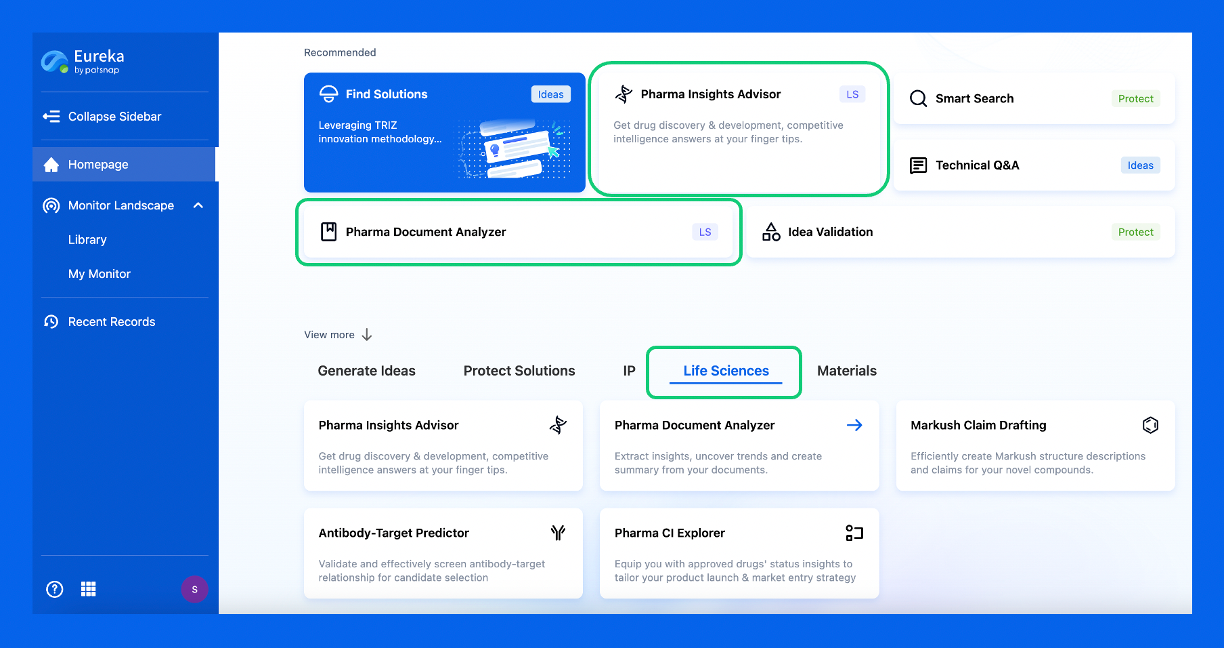
AI Agents Built for Biopharma Breakthroughs
Accelerate discovery. Empower decisions. Transform outcomes.
Get started for free today!
Accelerate Strategic R&D decision making with Synapse, PatSnap’s AI-powered Connected Innovation Intelligence Platform Built for Life Sciences Professionals.
Start your data trial now!
Synapse data is also accessible to external entities via APIs or data packages. Empower better decisions with the latest in pharmaceutical intelligence.