Request Demo
What are the key players in the pharmaceutical industry targeting CLDN18.2?
11 March 2025
Introduction to CLDN18.2
Biological Role and Significance
Claudin 18 isoform 2 (CLDN18.2) is a tight junction protein that is normally expressed exclusively on differentiated epithelial cells of the gastric mucosa. In healthy tissue its localization is limited to the apical membrane regions, where it plays a critical role in maintaining cell–cell adhesion and barrier function. As a result of its highly regulated expression pattern, CLDN18.2 is minimally expressed in non‐gastric tissues, making it an attractive molecular target from a safety perspective when considering cancer therapies. Moreover, when malignant transformation occurs, for instance in gastric and pancreatic cancers, the disruption of cellular polarity exposes the extracellular domains of CLDN18.2. This exposure, which does not happen in normal tissue, renders the protein accessible to therapeutic agents such as antibodies, CAR‑T cells, and other targeted modalities.
Relevance in Cancer Treatment
Over the past decade, CLDN18.2 has emerged as one of the most promising targets for precision oncology. Its aberrant and often robust expression in various cancers – including gastric, pancreatic, esophageal, ovarian, and lung tumors – underlies its potential clinical utility. In cancers like gastric carcinoma, where CLDN18.2 expression is a hallmark, targeting this molecule has demonstrated the capacity to induce immune-mediated cytotoxicity without the collateral damage typically associated with conventional chemotherapy. Studies have further established that therapies targeting CLDN18.2 can trigger cellular immune responses such as antibody-dependent cellular cytotoxicity (ADCC) and complement-dependent cytotoxicity (CDC). Consequently, CLDN18.2-targeted strategies are being evaluated not only as monotherapies but also in combination with other agents such as chemotherapeutics and immune checkpoint inhibitors, thus reinforcing the molecule’s relevance in the battle against advanced solid tumors.
Pharmaceutical Industry Landscape
Overview of Key Players
The pharmaceutical landscape in the realm of CLDN18.2-targeted therapies is characteristically diverse and dynamic. In this field, both established global pharmaceutical companies and nimble biotechnology firms are actively developing therapeutic modalities that include naked monoclonal antibodies, antibody–drug conjugates (ADCs), bispecific antibodies, CAR-T cell therapies, and innovative RNA-based therapies. Regulatory successes from pivotal clinical studies—most notably the phase III SPOTLIGHT and GLOW trials—have solidified the clinical value of targeting CLDN18.2 and have spurred market interest and further investments in the modality. Overall, the market dynamics reflect a convergence of traditional pharmaceutical development strategies with cutting-edge biotechnological approaches, where collaborative efforts and joint ventures have become essential drivers of progress.
Market Dynamics and Trends
Recent years have witnessed an exponential growth in research and development efforts directed toward CLDN18.2 due to the molecule’s high incidence in gastric and other digestive system cancers. The promising clinical trial outcomes from agents such as zolbetuximab have led regulatory agencies in major regions—including the US, European Union, Japan, and China—to accept license applications, thus paving the way for eventual market launches. This regulatory momentum is complemented by new modalities such as ADCs, bispecific antibodies, and CAR-T cells aimed at addressing pockets of patient populations previously not eligible for targeted therapy. The market trends indicate a heightened interest in combination therapies, wherein targeting CLDN18.2 is combined with chemotherapy or immuno-oncology agents to boost overall therapeutic efficacy and overcome resistance mechanisms. Furthermore, the increasing emphasis on precision medicine and companion diagnostics has reinforced the integration of CLDN18.2 expression assays with clinical treatment regimens, ensuring that patient selection becomes an integral aspect of clinical practice and research.
Key Players Targeting CLDN18.2
Major Pharmaceutical Companies
One of the foremost examples is Astellas Pharma, which is widely recognized for its development of zolbetuximab—a naked monoclonal antibody that specifically binds CLDN18.2. Zolbetuximab has shown significant improvements in progression-free survival (PFS) and overall survival (OS) in phase III clinical trials such as SPOTLIGHT and GLOW, making it a benchmark product in the CLDN18.2 space. Astellas, through its robust clinical programs, has spearheaded the transition of CLDN18.2-targeted therapies from early-stage research to regulatory review, thereby setting the standard against which emerging CLDN18.2-targeting agents are measured.
Another global enterprise entering this arena is AstraZeneca. Although traditionally known for its broad oncology portfolio, AstraZeneca’s strategic licensing deals, such as the global exclusive license agreement for CMG901—a potential first-in-class claudin 18.2 antibody drug conjugate (ADC)—highlight its intention to capitalize on the growing demand for CLDN18.2 therapies. This move by AstraZeneca underscores the increasing collaboration between big pharma and biotechnology innovators to address unmet medical needs in gastrointestinal cancers.
BioNTech SE also represents a major pharmaceutical force by directly targeting CLDN18.2 through its product candidate BNT212. As part of its broader immuno-oncology pipeline, BioNTech’s initiative to develop therapies against CLDN18.2 enriches the competitive landscape by introducing novel modalities such as mRNA-based therapeutics that offer enhanced specificity and reduced off-target toxicities. These initiatives from established giants illustrate how companies with significant resources and extensive clinical experience are leveraging their development expertise to further advance CLDN18.2-based therapies.
Elevation Oncology, Inc. represents another major player, primarily focusing on ADC approaches. Their compound, EO-3021, is being positioned to offer a potential therapeutic advantage over traditional naked antibodies by targeting even tumors with lower levels of CLDN18.2 expression, thus broadening the eligible patient population. Elevation Oncology’s strategy highlights the trend towards deploying next-generation ADC technologies to improve both efficacy and safety profiles.
Biotech Firms and Research Institutions
In addition to the major pharmaceutical companies, several biotechnology firms and research institutions play critical roles in the development and innovation of CLDN18.2-targeted therapies. Shanghai Simnova Biotechnology Co., Ltd. is a prominent example from China, as evidenced by their patent filings concerning CAR‑T cells targeting CLDN18.2. This reflects the rising interest among emerging biotech companies in utilizing cell-based therapies to achieve potent anti-tumor effects by harnessing autologous T cells engineered to recognize CLDN18.2.
Triumvira Immunologics is another biotech firm making significant strides with its TAC101-CLDN18.2 candidate. This agent leverages the company’s proprietary T cell activation technology (TAC technology) to bypass the need for gene editing, potentially offering a safer and more efficient approach to treat solid tumors—ranging from gastric cancers to lung, ovarian, and pancreatic cancers. Such innovative strategies underscore the ability of biotech firms to pioneer new therapeutic approaches, often with more agility compared to larger pharmaceutical companies.
LEAP THERAPEUTICS, Inc. is actively advancing their fully human monoclonal antibody candidate FL‑301, which has been engineered with enhanced antibody‑dependent cellular cytotoxicity. Listed in their corporate reports, FL‑301 is currently in a Phase I clinical trial for advanced gastrointestinal cancers, demonstrating the intense competition from mid-sized biotech companies aiming to disrupt the market with novel antibody formats.
Collaborative research efforts that harness academic expertise are also profoundly shaping the field. Numerous research institutions have contributed preclinical data that form the foundation for clinical translation of CLDN18.2-based therapies. This synergy between biotechnology firms and academia further enriches the translational landscape in which robust scientific validation meets innovative therapeutic development.
Collaborative Efforts and Partnerships
The complexity and multidisciplinary nature of cancer drug development often necessitate close collaborations between industry giants, small biotech firms, and academic research centers. Such partnerships are particularly evident in the field of CLDN18.2 targeting. For example, Sanyou Bio and Dragon Boat Pharmaceutical have entered into collaborative agreements focused on the development of anti‑CLDN18.2 antibody drug candidates such as BC008 and a novel CLDN18.2/CD47 bispecific antibody. These partnerships enable the sharing of intellectual property, technical know-how, and clinical trial resources, with the aim of accelerating the development timeline and ensuring a rigorous evaluation of safety and efficacy in clinical settings.
Similarly, AstraZeneca’s licensing and collaboration agreements with companies like Keymed Biosciences indicate an industry-wide recognition that high-quality ADCs targeting CLDN18.2 require combined efforts from both corporate research and specialized biotech innovators. The existence of such agreements not only enhances clinical pipeline diversity but also stimulates competitive market dynamics where integration of different modalities (e.g., naked antibodies, ADCs, and CAR‑T cells) can ultimately lead to improved patient outcomes.
Furthermore, these collaborative frameworks are supported by extensive patent filings that protect various aspects of CLDN18.2 targeting technologies—from antibodies and antibody fragments to vectorized nucleic acid constructs and CAR‑T cell preparations. They serve as a testament to the widespread industrial commitment to investing in CLDN18.2-targeted drug development and ensuring that patients benefit from safe, effective, and innovative therapies.
Drug Development and Clinical Trials
Current Stage of Research
The clinical development of CLDN18.2-targeted therapies spans a broad spectrum, from exploratory preclinical studies to late-stage clinical trials. The most advanced product in the field is zolbetuximab, which has demonstrated statistically significant benefits in phase III trials such as SPOTLIGHT and GLOW. These trials have underscored pivotal endpoints including progression-free survival (PFS) and overall survival (OS), with the potential to set a new standard of care for CLDN18.2-positive gastric or gastroesophageal junction adenocarcinoma.
In parallel, multiple companies are pursuing diversified modalities that target CLDN18.2. ADCs, for instance, are in early to mid-phase clinical trials with compounds such as EO‑3021 from Elevation Oncology, which is expected to show promise even in tumors expressing low levels of CLDN18.2. Likewise, biotechs such as LEAP THERAPEUTICS are moving their candidates—such as FL‑301—through Phase I studies to assess safety, pharmacokinetics, and their preliminary antitumor efficacy. CAR‑T cell therapies targeting CLDN18.2 are also emerging, with several phase I trials (e.g., NCT03874897 and NCT03890198) evaluating the feasibility and toxicity of these cell-based approaches in large patient populations.
Furthermore, early-phase studies are investigating bispecific antibody formats. For example, a bispecific design coupling anti‑CLDN18.2 and anti‑CD28 moieties has been shown in preclinical models to induce potent T cell costimulation, contributing to tumor cytotoxicity without overt systemic toxicity when appropriately targeted. Such innovative constructs illustrate the rapid evolution of research in the field and the diversity of approaches adopted by different players.
Clinical Trial Results and Insights
Clinical trial outcomes to date have provided robust evidence of the efficacy of CLDN18.2-targeted therapies. Zolbetuximab, for example, has consistently demonstrated improvements in key clinical endpoints. In the SPOTLIGHT trial, patients receiving this agent in combination with chemotherapy exhibited a median PFS improvement as well as an overall survival benefit compared with patients treated with chemotherapy alone, reinforcing the therapeutic potential of CLDN18.2 targeting. The GLOW trial further corroborated these positive results with statistically significant gains in both PFS and OS, encouraging continued investment and development in this area.
For ADC candidates, preliminary data have shown a dose-dependent antitumor effect in patient-derived xenograft models and other preclinical settings, which is promising for future clinical translation. Similarly, early-phase CAR‑T cell therapy studies are evaluating the potential for durable tumor responses, particularly given the unique immunological outcomes observed in cell therapy trials. Such interventional strategies provide valuable insights into the mechanisms of action, optimal dosing regimens, and potential adverse events—information that is critical for refining patient selection and treatment protocols in subsequent trial phases.
The breadth of clinical approaches—from naked antibodies to multifunctional cell therapies—demonstrates a robust pipeline with numerous agents at various stages, reflecting a healthy and competitive developmental landscape that is expected to yield multiple therapeutic options in the near future.
Challenges and Future Directions
Scientific and Technical Challenges
Despite the promising clinical data and accelerated development of CLDN18.2-targeted therapies, several scientific and technical challenges remain. A major hurdle is the heterogeneity in CLDN18.2 expression among patients. While high levels of CLDN18.2 expression are found in a substantial fraction of patients with gastric and other gastrointestinal cancers, the variability of expression poses a challenge for accurate patient selection and optimizing therapeutic outcomes. In this context, novel molecular imaging approaches using radiolabeled antibodies are being developed to noninvasively assess CLDN18.2 expression levels across tumor lesions, thus aiding in dynamic monitoring during treatment.
Furthermore, the development of resistance is an ongoing concern. Tumor cells may down-regulate or alter the expression of CLDN18.2 during the course of therapy, thereby necessitating combination approaches with agents such as chemotherapy, targeted ADCs, or immune checkpoint inhibitors to sustain the antitumor effect. Another significant challenge is engineering therapeutic agents that maximize on-target effects while minimizing off-target toxicities. This balance is particularly delicate when deploying potent immunostimulatory agents like IL-2 fusions or CAR‑T cell therapies that, if not carefully regulated, might trigger cytokine release syndrome or other immune-mediated toxicities.
Scaling manufacturing and securing regulatory approvals also represent key obstacles as multiple modalities (antibodies, ADCs, CAR‑T cells, bispecific antibodies, and RNA-based agents) require robust manufacturing platforms that can ensure quality and consistency. These challenges necessitate not only technological solutions but also strong collaborative frameworks that can leverage the combined expertise of large pharmaceutical companies, biotechnology firms, and regulatory bodies.
Future Prospects and Innovations
Looking ahead, the future for CLDN18.2-targeted therapies is filled with opportunities driven by technological advancements and new experimental insights. One promising prospect is the development of combination therapy regimens. For instance, the combination of zolbetuximab with chemotherapy has already yielded significant improvements in survival endpoints, and further combinations with radiotherapy, checkpoint inhibitors, or novel small molecules may enhance therapeutic indices and overcome resistance mechanisms.
Novel modalities such as engineered bispecific antibodies that not only bind CLDN18.2 but also activate T cells in a targeted manner (e.g., anti‑CLDN18.2-anti‑CD28 constructs) are emerging as next-generation immunotherapies. In addition, cutting-edge CAR‑T cell therapies, which harness patients’ own T cells to target CLDN18.2-positive tumor cells, could potentially provide durable responses particularly when integrated with advanced gene‑editing and cell expansion techniques.
RNA-based therapeutics delivering sequences that silence or modulate CLDN18.2 expression also hold promise, offering the possibility to complement protein-targeted therapies and to address aspects of heterogeneity that antibody-based strategies might miss. The future may see the integration of these innovative modalities with advanced companion diagnostics powered by molecular imaging, thus enabling real-time monitoring of CLDN18.2 expression and treatment responses.
Innovations in patient stratification techniques, such as multiplex immunohistochemistry and next-generation sequencing panels, are expected to further refine the identification of patients who are most likely to benefit from CLDN18.2-targeted therapies. This precision medicine approach not only enhances efficacy but also minimizes unnecessary exposure to potential toxicities, thereby improving overall patient outcomes. Collaborative efforts among biotech innovators, research institutions, and established pharmaceutical companies will likely play a crucial role in overcoming the remaining challenges and accelerating the delivery of effective therapies to the market.
Detailed Conclusion
In summary, the development landscape for CLDN18.2-targeted therapies is characterized by a diverse array of key players spanning major pharmaceutical companies, agile biotechnology firms, and collaborative research institutions. Major pharmaceutical companies, notably Astellas Pharma, have demonstrated considerable progress through the development of zolbetuximab, which has set new benchmarks in clinical efficacy for CLDN18.2-positive cancers. Equally, global enterprises like AstraZeneca and BioNTech SE have embraced this target via strategic licensing agreements and innovative product candidates (e.g., ADCs and mRNA-based therapies).
On the biotechnology front, firms such as Shanghai Simnova Biotechnology, Triumvira Immunologics, and LEAP THERAPEUTICS are aggressively advancing next-generation modalities including CAR‑T cells, bispecific antibodies, and high-affinity monoclonal antibodies (FL‑301) that promise to address some of the limitations inherent in traditional therapeutic approaches. Additionally, Elevation Oncology’s work on ADC approaches broadens the therapeutic window for patients with lower CLDN18.2 expression levels, further highlighting the competitive diversity in this space. Collaborative efforts—exemplified by partnerships between Sanyou Bio and Dragon Boat Pharmaceutical, among others—are playing a vital role in accelerating research and clinical development, leveraging complementary expertise to overcome complex scientific and manufacturing challenges.
The clinical development pipeline is robust, with multiple agents in various stages of clinical trials, from early preclinical investigations through Phase I, II, and even advanced Phase III studies. Data from these trials have shown significant improvements in survival outcomes, underscoring the potential of targeting CLDN18.2 to transform the treatment paradigm for patients with advanced gastrointestinal and other solid tumors. However, challenges such as heterogeneous antigen expression, resistance development, and the need for improved diagnostic modalities persist. Future directions are likely to involve combination treatments, integration of advanced imaging and diagnostic techniques, and further innovations in cellular and RNA-based therapies—all of which promise to enhance the efficacy and safety of CLDN18.2-targeted strategies.
Overall, the pharmaceutical industry’s engagement with CLDN18.2 illustrates a general-to-specific-to-general progression in biopharmaceutical research. Broadly, the industry recognizes the importance of precision oncology and the need for targeted interventions. Specifically, significant players are deploying a variety of therapeutic formats to address the unique challenges posed by CLDN18.2 expression in cancers. In general, these multifaceted and collaborative efforts are anticipated to bring about a new era of innovative, safe, and effective treatments that will ultimately benefit a broad spectrum of patients with hard-to-treat cancers.
In conclusion, the key players in the pharmaceutical industry targeting CLDN18.2 represent a balanced mixture of established global corporations and nimble biotech innovators, all working within a dynamic and evolving market landscape. Their collective strategic investments, collaborative research efforts, and innovative drug development approaches are transforming CLDN18.2 from a molecular target discovered in the lab into a clinically validated and commercially viable therapeutic opportunity. Despite ongoing challenges, the integration of cutting-edge technologies, refined patient selection methods, and combination therapy regimens signals a bright future for CLDN18.2-targeted therapies, promising to deliver precision oncology treatments capable of significantly improving clinical outcomes for patients worldwide.
Biological Role and Significance
Claudin 18 isoform 2 (CLDN18.2) is a tight junction protein that is normally expressed exclusively on differentiated epithelial cells of the gastric mucosa. In healthy tissue its localization is limited to the apical membrane regions, where it plays a critical role in maintaining cell–cell adhesion and barrier function. As a result of its highly regulated expression pattern, CLDN18.2 is minimally expressed in non‐gastric tissues, making it an attractive molecular target from a safety perspective when considering cancer therapies. Moreover, when malignant transformation occurs, for instance in gastric and pancreatic cancers, the disruption of cellular polarity exposes the extracellular domains of CLDN18.2. This exposure, which does not happen in normal tissue, renders the protein accessible to therapeutic agents such as antibodies, CAR‑T cells, and other targeted modalities.
Relevance in Cancer Treatment
Over the past decade, CLDN18.2 has emerged as one of the most promising targets for precision oncology. Its aberrant and often robust expression in various cancers – including gastric, pancreatic, esophageal, ovarian, and lung tumors – underlies its potential clinical utility. In cancers like gastric carcinoma, where CLDN18.2 expression is a hallmark, targeting this molecule has demonstrated the capacity to induce immune-mediated cytotoxicity without the collateral damage typically associated with conventional chemotherapy. Studies have further established that therapies targeting CLDN18.2 can trigger cellular immune responses such as antibody-dependent cellular cytotoxicity (ADCC) and complement-dependent cytotoxicity (CDC). Consequently, CLDN18.2-targeted strategies are being evaluated not only as monotherapies but also in combination with other agents such as chemotherapeutics and immune checkpoint inhibitors, thus reinforcing the molecule’s relevance in the battle against advanced solid tumors.
Pharmaceutical Industry Landscape
Overview of Key Players
The pharmaceutical landscape in the realm of CLDN18.2-targeted therapies is characteristically diverse and dynamic. In this field, both established global pharmaceutical companies and nimble biotechnology firms are actively developing therapeutic modalities that include naked monoclonal antibodies, antibody–drug conjugates (ADCs), bispecific antibodies, CAR-T cell therapies, and innovative RNA-based therapies. Regulatory successes from pivotal clinical studies—most notably the phase III SPOTLIGHT and GLOW trials—have solidified the clinical value of targeting CLDN18.2 and have spurred market interest and further investments in the modality. Overall, the market dynamics reflect a convergence of traditional pharmaceutical development strategies with cutting-edge biotechnological approaches, where collaborative efforts and joint ventures have become essential drivers of progress.
Market Dynamics and Trends
Recent years have witnessed an exponential growth in research and development efforts directed toward CLDN18.2 due to the molecule’s high incidence in gastric and other digestive system cancers. The promising clinical trial outcomes from agents such as zolbetuximab have led regulatory agencies in major regions—including the US, European Union, Japan, and China—to accept license applications, thus paving the way for eventual market launches. This regulatory momentum is complemented by new modalities such as ADCs, bispecific antibodies, and CAR-T cells aimed at addressing pockets of patient populations previously not eligible for targeted therapy. The market trends indicate a heightened interest in combination therapies, wherein targeting CLDN18.2 is combined with chemotherapy or immuno-oncology agents to boost overall therapeutic efficacy and overcome resistance mechanisms. Furthermore, the increasing emphasis on precision medicine and companion diagnostics has reinforced the integration of CLDN18.2 expression assays with clinical treatment regimens, ensuring that patient selection becomes an integral aspect of clinical practice and research.
Key Players Targeting CLDN18.2
Major Pharmaceutical Companies
One of the foremost examples is Astellas Pharma, which is widely recognized for its development of zolbetuximab—a naked monoclonal antibody that specifically binds CLDN18.2. Zolbetuximab has shown significant improvements in progression-free survival (PFS) and overall survival (OS) in phase III clinical trials such as SPOTLIGHT and GLOW, making it a benchmark product in the CLDN18.2 space. Astellas, through its robust clinical programs, has spearheaded the transition of CLDN18.2-targeted therapies from early-stage research to regulatory review, thereby setting the standard against which emerging CLDN18.2-targeting agents are measured.
Another global enterprise entering this arena is AstraZeneca. Although traditionally known for its broad oncology portfolio, AstraZeneca’s strategic licensing deals, such as the global exclusive license agreement for CMG901—a potential first-in-class claudin 18.2 antibody drug conjugate (ADC)—highlight its intention to capitalize on the growing demand for CLDN18.2 therapies. This move by AstraZeneca underscores the increasing collaboration between big pharma and biotechnology innovators to address unmet medical needs in gastrointestinal cancers.
BioNTech SE also represents a major pharmaceutical force by directly targeting CLDN18.2 through its product candidate BNT212. As part of its broader immuno-oncology pipeline, BioNTech’s initiative to develop therapies against CLDN18.2 enriches the competitive landscape by introducing novel modalities such as mRNA-based therapeutics that offer enhanced specificity and reduced off-target toxicities. These initiatives from established giants illustrate how companies with significant resources and extensive clinical experience are leveraging their development expertise to further advance CLDN18.2-based therapies.
Elevation Oncology, Inc. represents another major player, primarily focusing on ADC approaches. Their compound, EO-3021, is being positioned to offer a potential therapeutic advantage over traditional naked antibodies by targeting even tumors with lower levels of CLDN18.2 expression, thus broadening the eligible patient population. Elevation Oncology’s strategy highlights the trend towards deploying next-generation ADC technologies to improve both efficacy and safety profiles.
Biotech Firms and Research Institutions
In addition to the major pharmaceutical companies, several biotechnology firms and research institutions play critical roles in the development and innovation of CLDN18.2-targeted therapies. Shanghai Simnova Biotechnology Co., Ltd. is a prominent example from China, as evidenced by their patent filings concerning CAR‑T cells targeting CLDN18.2. This reflects the rising interest among emerging biotech companies in utilizing cell-based therapies to achieve potent anti-tumor effects by harnessing autologous T cells engineered to recognize CLDN18.2.
Triumvira Immunologics is another biotech firm making significant strides with its TAC101-CLDN18.2 candidate. This agent leverages the company’s proprietary T cell activation technology (TAC technology) to bypass the need for gene editing, potentially offering a safer and more efficient approach to treat solid tumors—ranging from gastric cancers to lung, ovarian, and pancreatic cancers. Such innovative strategies underscore the ability of biotech firms to pioneer new therapeutic approaches, often with more agility compared to larger pharmaceutical companies.
LEAP THERAPEUTICS, Inc. is actively advancing their fully human monoclonal antibody candidate FL‑301, which has been engineered with enhanced antibody‑dependent cellular cytotoxicity. Listed in their corporate reports, FL‑301 is currently in a Phase I clinical trial for advanced gastrointestinal cancers, demonstrating the intense competition from mid-sized biotech companies aiming to disrupt the market with novel antibody formats.
Collaborative research efforts that harness academic expertise are also profoundly shaping the field. Numerous research institutions have contributed preclinical data that form the foundation for clinical translation of CLDN18.2-based therapies. This synergy between biotechnology firms and academia further enriches the translational landscape in which robust scientific validation meets innovative therapeutic development.
Collaborative Efforts and Partnerships
The complexity and multidisciplinary nature of cancer drug development often necessitate close collaborations between industry giants, small biotech firms, and academic research centers. Such partnerships are particularly evident in the field of CLDN18.2 targeting. For example, Sanyou Bio and Dragon Boat Pharmaceutical have entered into collaborative agreements focused on the development of anti‑CLDN18.2 antibody drug candidates such as BC008 and a novel CLDN18.2/CD47 bispecific antibody. These partnerships enable the sharing of intellectual property, technical know-how, and clinical trial resources, with the aim of accelerating the development timeline and ensuring a rigorous evaluation of safety and efficacy in clinical settings.
Similarly, AstraZeneca’s licensing and collaboration agreements with companies like Keymed Biosciences indicate an industry-wide recognition that high-quality ADCs targeting CLDN18.2 require combined efforts from both corporate research and specialized biotech innovators. The existence of such agreements not only enhances clinical pipeline diversity but also stimulates competitive market dynamics where integration of different modalities (e.g., naked antibodies, ADCs, and CAR‑T cells) can ultimately lead to improved patient outcomes.
Furthermore, these collaborative frameworks are supported by extensive patent filings that protect various aspects of CLDN18.2 targeting technologies—from antibodies and antibody fragments to vectorized nucleic acid constructs and CAR‑T cell preparations. They serve as a testament to the widespread industrial commitment to investing in CLDN18.2-targeted drug development and ensuring that patients benefit from safe, effective, and innovative therapies.
Drug Development and Clinical Trials
Current Stage of Research
The clinical development of CLDN18.2-targeted therapies spans a broad spectrum, from exploratory preclinical studies to late-stage clinical trials. The most advanced product in the field is zolbetuximab, which has demonstrated statistically significant benefits in phase III trials such as SPOTLIGHT and GLOW. These trials have underscored pivotal endpoints including progression-free survival (PFS) and overall survival (OS), with the potential to set a new standard of care for CLDN18.2-positive gastric or gastroesophageal junction adenocarcinoma.
In parallel, multiple companies are pursuing diversified modalities that target CLDN18.2. ADCs, for instance, are in early to mid-phase clinical trials with compounds such as EO‑3021 from Elevation Oncology, which is expected to show promise even in tumors expressing low levels of CLDN18.2. Likewise, biotechs such as LEAP THERAPEUTICS are moving their candidates—such as FL‑301—through Phase I studies to assess safety, pharmacokinetics, and their preliminary antitumor efficacy. CAR‑T cell therapies targeting CLDN18.2 are also emerging, with several phase I trials (e.g., NCT03874897 and NCT03890198) evaluating the feasibility and toxicity of these cell-based approaches in large patient populations.
Furthermore, early-phase studies are investigating bispecific antibody formats. For example, a bispecific design coupling anti‑CLDN18.2 and anti‑CD28 moieties has been shown in preclinical models to induce potent T cell costimulation, contributing to tumor cytotoxicity without overt systemic toxicity when appropriately targeted. Such innovative constructs illustrate the rapid evolution of research in the field and the diversity of approaches adopted by different players.
Clinical Trial Results and Insights
Clinical trial outcomes to date have provided robust evidence of the efficacy of CLDN18.2-targeted therapies. Zolbetuximab, for example, has consistently demonstrated improvements in key clinical endpoints. In the SPOTLIGHT trial, patients receiving this agent in combination with chemotherapy exhibited a median PFS improvement as well as an overall survival benefit compared with patients treated with chemotherapy alone, reinforcing the therapeutic potential of CLDN18.2 targeting. The GLOW trial further corroborated these positive results with statistically significant gains in both PFS and OS, encouraging continued investment and development in this area.
For ADC candidates, preliminary data have shown a dose-dependent antitumor effect in patient-derived xenograft models and other preclinical settings, which is promising for future clinical translation. Similarly, early-phase CAR‑T cell therapy studies are evaluating the potential for durable tumor responses, particularly given the unique immunological outcomes observed in cell therapy trials. Such interventional strategies provide valuable insights into the mechanisms of action, optimal dosing regimens, and potential adverse events—information that is critical for refining patient selection and treatment protocols in subsequent trial phases.
The breadth of clinical approaches—from naked antibodies to multifunctional cell therapies—demonstrates a robust pipeline with numerous agents at various stages, reflecting a healthy and competitive developmental landscape that is expected to yield multiple therapeutic options in the near future.
Challenges and Future Directions
Scientific and Technical Challenges
Despite the promising clinical data and accelerated development of CLDN18.2-targeted therapies, several scientific and technical challenges remain. A major hurdle is the heterogeneity in CLDN18.2 expression among patients. While high levels of CLDN18.2 expression are found in a substantial fraction of patients with gastric and other gastrointestinal cancers, the variability of expression poses a challenge for accurate patient selection and optimizing therapeutic outcomes. In this context, novel molecular imaging approaches using radiolabeled antibodies are being developed to noninvasively assess CLDN18.2 expression levels across tumor lesions, thus aiding in dynamic monitoring during treatment.
Furthermore, the development of resistance is an ongoing concern. Tumor cells may down-regulate or alter the expression of CLDN18.2 during the course of therapy, thereby necessitating combination approaches with agents such as chemotherapy, targeted ADCs, or immune checkpoint inhibitors to sustain the antitumor effect. Another significant challenge is engineering therapeutic agents that maximize on-target effects while minimizing off-target toxicities. This balance is particularly delicate when deploying potent immunostimulatory agents like IL-2 fusions or CAR‑T cell therapies that, if not carefully regulated, might trigger cytokine release syndrome or other immune-mediated toxicities.
Scaling manufacturing and securing regulatory approvals also represent key obstacles as multiple modalities (antibodies, ADCs, CAR‑T cells, bispecific antibodies, and RNA-based agents) require robust manufacturing platforms that can ensure quality and consistency. These challenges necessitate not only technological solutions but also strong collaborative frameworks that can leverage the combined expertise of large pharmaceutical companies, biotechnology firms, and regulatory bodies.
Future Prospects and Innovations
Looking ahead, the future for CLDN18.2-targeted therapies is filled with opportunities driven by technological advancements and new experimental insights. One promising prospect is the development of combination therapy regimens. For instance, the combination of zolbetuximab with chemotherapy has already yielded significant improvements in survival endpoints, and further combinations with radiotherapy, checkpoint inhibitors, or novel small molecules may enhance therapeutic indices and overcome resistance mechanisms.
Novel modalities such as engineered bispecific antibodies that not only bind CLDN18.2 but also activate T cells in a targeted manner (e.g., anti‑CLDN18.2-anti‑CD28 constructs) are emerging as next-generation immunotherapies. In addition, cutting-edge CAR‑T cell therapies, which harness patients’ own T cells to target CLDN18.2-positive tumor cells, could potentially provide durable responses particularly when integrated with advanced gene‑editing and cell expansion techniques.
RNA-based therapeutics delivering sequences that silence or modulate CLDN18.2 expression also hold promise, offering the possibility to complement protein-targeted therapies and to address aspects of heterogeneity that antibody-based strategies might miss. The future may see the integration of these innovative modalities with advanced companion diagnostics powered by molecular imaging, thus enabling real-time monitoring of CLDN18.2 expression and treatment responses.
Innovations in patient stratification techniques, such as multiplex immunohistochemistry and next-generation sequencing panels, are expected to further refine the identification of patients who are most likely to benefit from CLDN18.2-targeted therapies. This precision medicine approach not only enhances efficacy but also minimizes unnecessary exposure to potential toxicities, thereby improving overall patient outcomes. Collaborative efforts among biotech innovators, research institutions, and established pharmaceutical companies will likely play a crucial role in overcoming the remaining challenges and accelerating the delivery of effective therapies to the market.
Detailed Conclusion
In summary, the development landscape for CLDN18.2-targeted therapies is characterized by a diverse array of key players spanning major pharmaceutical companies, agile biotechnology firms, and collaborative research institutions. Major pharmaceutical companies, notably Astellas Pharma, have demonstrated considerable progress through the development of zolbetuximab, which has set new benchmarks in clinical efficacy for CLDN18.2-positive cancers. Equally, global enterprises like AstraZeneca and BioNTech SE have embraced this target via strategic licensing agreements and innovative product candidates (e.g., ADCs and mRNA-based therapies).
On the biotechnology front, firms such as Shanghai Simnova Biotechnology, Triumvira Immunologics, and LEAP THERAPEUTICS are aggressively advancing next-generation modalities including CAR‑T cells, bispecific antibodies, and high-affinity monoclonal antibodies (FL‑301) that promise to address some of the limitations inherent in traditional therapeutic approaches. Additionally, Elevation Oncology’s work on ADC approaches broadens the therapeutic window for patients with lower CLDN18.2 expression levels, further highlighting the competitive diversity in this space. Collaborative efforts—exemplified by partnerships between Sanyou Bio and Dragon Boat Pharmaceutical, among others—are playing a vital role in accelerating research and clinical development, leveraging complementary expertise to overcome complex scientific and manufacturing challenges.
The clinical development pipeline is robust, with multiple agents in various stages of clinical trials, from early preclinical investigations through Phase I, II, and even advanced Phase III studies. Data from these trials have shown significant improvements in survival outcomes, underscoring the potential of targeting CLDN18.2 to transform the treatment paradigm for patients with advanced gastrointestinal and other solid tumors. However, challenges such as heterogeneous antigen expression, resistance development, and the need for improved diagnostic modalities persist. Future directions are likely to involve combination treatments, integration of advanced imaging and diagnostic techniques, and further innovations in cellular and RNA-based therapies—all of which promise to enhance the efficacy and safety of CLDN18.2-targeted strategies.
Overall, the pharmaceutical industry’s engagement with CLDN18.2 illustrates a general-to-specific-to-general progression in biopharmaceutical research. Broadly, the industry recognizes the importance of precision oncology and the need for targeted interventions. Specifically, significant players are deploying a variety of therapeutic formats to address the unique challenges posed by CLDN18.2 expression in cancers. In general, these multifaceted and collaborative efforts are anticipated to bring about a new era of innovative, safe, and effective treatments that will ultimately benefit a broad spectrum of patients with hard-to-treat cancers.
In conclusion, the key players in the pharmaceutical industry targeting CLDN18.2 represent a balanced mixture of established global corporations and nimble biotech innovators, all working within a dynamic and evolving market landscape. Their collective strategic investments, collaborative research efforts, and innovative drug development approaches are transforming CLDN18.2 from a molecular target discovered in the lab into a clinically validated and commercially viable therapeutic opportunity. Despite ongoing challenges, the integration of cutting-edge technologies, refined patient selection methods, and combination therapy regimens signals a bright future for CLDN18.2-targeted therapies, promising to deliver precision oncology treatments capable of significantly improving clinical outcomes for patients worldwide.
Discover Eureka LS: AI Agents Built for Biopharma Efficiency
Stop wasting time on biopharma busywork. Meet Eureka LS - your AI agent squad for drug discovery.
▶ See how 50+ research teams saved 300+ hours/month
From reducing screening time to simplifying Markush drafting, our AI Agents are ready to deliver immediate value. Explore Eureka LS today and unlock powerful capabilities that help you innovate with confidence.
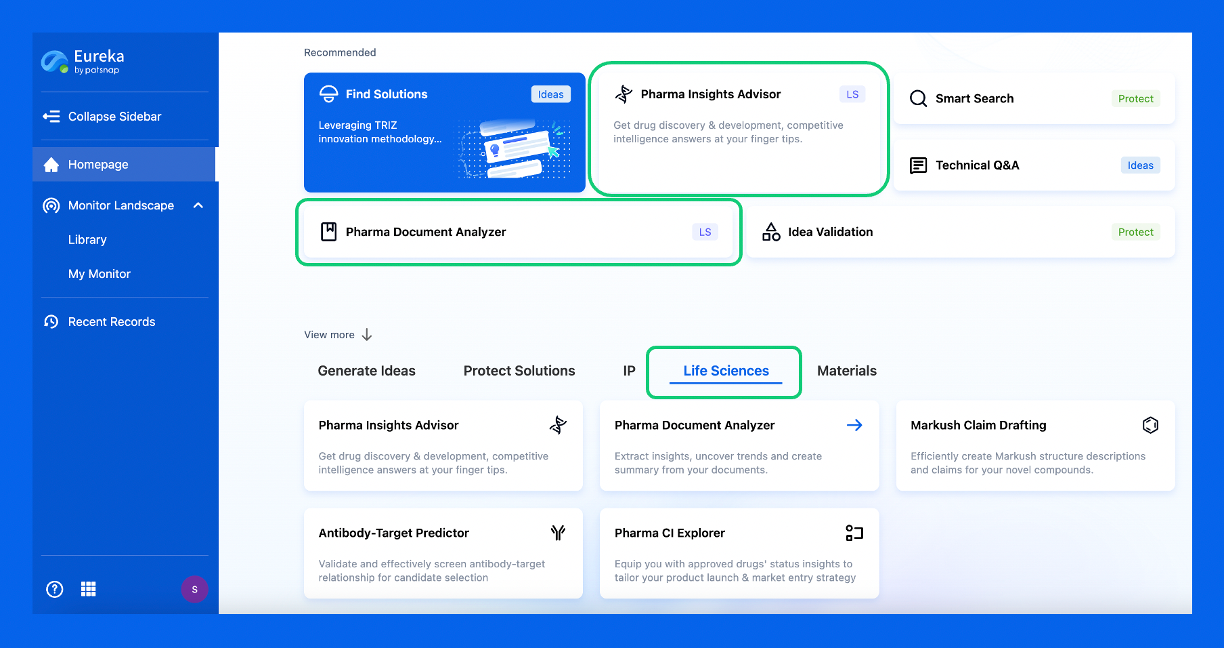
AI Agents Built for Biopharma Breakthroughs
Accelerate discovery. Empower decisions. Transform outcomes.
Get started for free today!
Accelerate Strategic R&D decision making with Synapse, PatSnap’s AI-powered Connected Innovation Intelligence Platform Built for Life Sciences Professionals.
Start your data trial now!
Synapse data is also accessible to external entities via APIs or data packages. Empower better decisions with the latest in pharmaceutical intelligence.