Request Demo
What are the preclinical assets being developed for APP?
11 March 2025
Introduction to APP
Definition and Role in Neurodegenerative Diseases
Amyloid precursor protein (APP) is a ubiquitously expressed type I transmembrane protein with a large extracellular domain, a single transmembrane region, and a short intracellular tail. APP has been extensively studied for its role in Alzheimer’s disease (AD) because proteolytic processing of APP leads to the generation of amyloid‐β (Aβ) peptides, which aggregate into the plaques seen in AD pathology. However, beyond its association with neurodegeneration, APP actively participates in several physiological processes. For instance, it plays critical roles in neuronal development, synaptic formation, and cell–cell as well as cell–extracellular matrix interactions. Disturbances in the balance between its normal physiological processing and its proteolytic processing into neurotoxic Aβ species contribute to the pathogenesis of AD and possibly other neurological disorders.
APP processing occurs via multiple cleavage events mediated by different proteases such as α-, β-, and γ-secretases. The “non-amyloidogenic” pathway (α-secretase cleavage) generates soluble APP alpha (sAPPα), which has neurotrophic and neuroprotective properties, whereas the “amyloidogenic” pathway (initiated by β-secretase (BACE1) cleavage) produces Aβ peptides that are implicated in disease pathology. In addition, posttranslational modifications—including phosphorylation (notably at Tyr682) and sumoylation near key cleavage sites—further modulate the processing and trafficking of APP. Thus, APP is not merely a bystander in neurodegeneration, but a central player whose misprocessing can lead to disease.
Overview of APP Targeting Strategies
Because of its pivotal role in AD and other neurodegenerative disorders, strategies targeting APP have been explored from many angles. One major goal of therapeutic development is to modulate APP processing so that the generation of toxic Aβ species is reduced while preserving or even enhancing the production of beneficial APP fragments such as sAPPα. Approaches include direct inhibition of secretases (especially BACE1 inhibitors and specific γ-secretase modulators) as well as interventions targeting upstream factors that influence APP processing, such as APP dimerization, intracellular trafficking, and posttranslational modifications.
Innovative strategies have emerged to modify APP’s interaction with its proteases. For example, evidence suggests that APP dimer formation in the endoplasmic reticulum (ER) influences subsequent cleavage events and cellular localization, making the modulation of its dimerization a potential therapeutic strategy. Similarly, the phosphorylation status of the intracellular domain of APP, particularly at Tyr682, significantly affects APP/Fe65 interactions and the shift between amyloidogenic and non-amyloidogenic processing. Other strategies include the use of non-peptide aspartyl protease inhibitors, which modulate the cleavage process, thereby indirectly diminishing Aβ production. Patented approaches have also investigated the application of APP fragments and mimetics as a means to regulate central nervous system (CNS) functions and possibly modify the amyloid burden in the brain. Overall, the therapeutic targeting of APP involves a complex interplay of modulating its enzymatic processing, structural conformations, and intracellular dynamics while maintaining essential physiological functions.
Current Preclinical Assets
Types of Preclinical Assets
At the preclinical stage, a wide variety of assets are being developed to target different aspects of APP biology. These assets can broadly be classified into several categories:
1. Small Molecule Modulators
Small molecules are designed either to inhibit secretases involved in APP processing or to modulate the conformation of APP itself. For instance, aspartyl protease inhibitors that target BACE1 have been developed to decrease the amyloidogenic cleavage of APP. Other small molecules are being explored to modulate APP dimerization, thereby affecting its processing and altering the generation of downstream fragments. These molecules aim to stabilize beneficial conformations or prevent abnormal interactions within APP or with its homologues (APLP1/2).
2. Peptide-Based Therapeutics and Mimetic Compounds
Peptides derived from the APP sequence—such as fragments that mimic the neuroprotective sAPPα—are under investigation for their therapeutic potential. These peptides may counterbalance the toxic effects of Aβ or provide neurotrophic support to stressed neurons. Moreover, peptide mimetics are being engineered to interact with enzymes or receptors involved in APP processing, thereby shifting the balance toward the non-amyloidogenic pathway. Recent reviews on peptide drug development in clinical applications emphasize the strategic potential of peptide-based therapies for conditions such as AD.
3. Antibody-Based Therapies
Although most antibody approaches have traditionally targeted Aβ itself, there is growing interest in developing antibodies that bind to APP or its cleavage products to modulate their function. Such antibodies could potentially block interactions that lead to toxic fragment generation or even facilitate the clearance of specific APP species.
4. Modulators of Posttranslational Modification
A novel category of assets includes compounds that modify posttranslational modifications on APP, such as phosphorylation or sumoylation. For example, alterations in the phosphorylation status at Tyr682 can change APP’s interaction with adaptor proteins like Fe65, leading to a shift in APP processing. Compounds aimed at modifying these posttranslational events are in early development and represent a more refined approach to controlling APP’s fate.
5. Modulators of Intracellular Trafficking and Dimerization
The dynamics of APP trafficking—from the endoplasmic reticulum to the cell surface—and its ability to form homo- and heterodimers are critical determinants of its processing. Preclinical assets include compounds that influence the interaction of APP with long heparin sulfates or that interfere with the dimerization sites in the E1, E2, or transmembrane domains. By modulating these interactions, researchers aim to affect the subcellular localization of APP and thereby its accessibility to proteases like BACE1.
6. RNA-Targeting Strategies
Beyond direct protein targeting, approaches using antisense oligonucleotides (ASOs) or microRNAs (miRNAs) to downregulate APP mRNA expression or normalize APP translation are under investigation. Preclinical studies have demonstrated that reducing APP expression can ameliorate some pathological features in animal models, such as those observed in Down syndrome (DS) and AD. These nucleic acid–based therapies represent a novel asset class that attempts to intervene at the level of gene expression.
7. Assay Platforms for Compound Screening
Integral to the development of APP-targeting assets are novel assay platforms designed to identify and characterize compounds that modulate APP processing. These high-throughput screening methodologies, which include split GFP systems and cell-based secretion assays, not only facilitate the discovery of active molecules but also enable detailed kinetic studies of APP dimerization and secretase-mediated cleavage events. Such platforms are themselves considered valuable preclinical assets because they accelerate the identification of promising compounds.
Key Players and Developers
The development of APP-targeting preclinical assets is a collaborative effort spanning academic research institutions, biotechnology companies, and pharmaceutical industries. Academic research groups have significantly contributed to the understanding of APP structure, processing, and dimerization dynamics. For instance, university-based laboratories have provided detailed insights into the role of specific APP domains (such as the E1 and E2 domains) and the importance of posttranslational modifications in amyloidogenic processing.
Industry players, as reflected by various patents available through the synapse repository, are working on strategies including non-peptide aspartyl protease inhibitors (targeting secretases relevant to APP cleavage) and the use of APP fragments as neuroprotective agents. In addition, collaborations between academia and industry—often evident in co-published studies—ensure that novel molecules progress from bench to preclinical validation in animal models. For example, compounds such as Posiphen, which modulate APP translation and have demonstrated preclinical efficacy in DS mouse models, are sponsored via such partnerships. Moreover, biotechnology companies specializing in peptide synthesis and antibody engineering are actively developing compounds that target both the extracellular interactions and intracellular processing of APP.
Notably, the integration of high-throughput screening technology within drug discovery platforms has been boosted by investments in digital and automated assay systems. These are often developed by specialized biotech firms that combine expertise in molecular biology with software algorithms to streamline candidate identification and optimization. As a result, the pipeline of APP-targeted preclinical assets features a rich diversity of molecules and biologics from multiple developers, all of which feed into a competitive and rapidly evolving landscape of neurodegenerative drug discovery.
Development Stages and Methodologies
Preclinical Research Methodologies
Preclinical research aimed at developing APP-targeting assets utilizes a plethora of methodologies that span from in vitro biochemical assays to in vivo animal model studies. At the early stages, in vitro assays are used to delineate the molecular interactions involving APP. For instance, studies employ non-reducing SDS-PAGE and split GFP experiments to visualize APP dimerization, particularly in the endoplasmic reticulum. Such experiments help researchers identify critical cysteine residues and dimerization sites—information essential for designing compounds that prevent abnormal intermolecular bonding.
High-resolution structural biology techniques, including X-ray crystallography and cryo-electron microscopy, are also used to resolve the 3D structures of APP domains and to assess their interactions with heparin or secretase enzymes. These studies provide a detailed map of conformational changes that occur upon posttranslational modifications, such as phosphorylation at Tyr682, which in turn affects interactions with proteins like Fe65.
Following these molecular level studies, cell-based assays are employed to test the efficacy of small molecules, peptides, or antibodies in modulating APP processing. Cell culture models that express specific APP isoforms (e.g., APP695 versus KPI-containing isoforms) allow for the analysis of cleavage patterns and the effects of candidate compounds on the secretion of Aβ peptides or the production of sAPPα. Assays may utilize reporter genes, fluorescent tags, or biochemical endpoints to quantify the extent of proteolytic cleavage.
Animal models, particularly transgenic mice expressing human APP mutations, form the next crucial step in preclinical validation. In such in vivo models, several endpoints are measured, including levels of full-length APP (fl-APP), APP C-terminal fragments (CTFs) and the corresponding Aβ peptides in the brain, as well as cognitive or behavioral outcomes. For example, Posiphen has been evaluated for its ability to lower fl-APP and normalize early endosome enlargement in the Ts65Dn mouse model—a model of Down syndrome-associated AD pathology. Behavioral assays alongside biochemical analyses help in correlating the molecular effects of a compound with its neuroprotective benefits.
The use of high-throughput screening platforms has further accelerated the preclinical evaluation process. These platforms integrate automated compound dispensing, live-cell imaging, and data analytics to rapidly assess large libraries of molecules. This approach is particularly useful when screening novel small molecule modulators or RNA-targeting agents that may affect APP expression. Such screening methods are crucial for the early identification of lead compounds that can modulate APP processing efficiently and with minimal off-target effects.
Challenges in Preclinical Development
Despite substantial advances, several challenges remain in bringing APP-targeting assets through the preclinical pipeline. A primary challenge is the intrinsic complexity of APP biology. Because APP is involved in multiple physiological processes—ranging from synapse formation to neuronal migration—any intervention must be finely balanced to avoid adversely affecting normal brain functions. The risk of perturbing beneficial APP signaling while attempting to reduce Aβ production is a critical concern for compound development.
Another challenge is the diversity of APP isoforms and the heterogeneity in its posttranslational modifications. Isoform-specific differences (e.g., APP695 versus KPI-containing isoforms) can dictate distinct cleavage profiles and cellular localizations. Therefore, preclinical assets must be evaluated in models that accurately represent this biological diversity. This heterogeneity also complicates the prediction of off-target interactions since many secretases have several substrates other than APP. Consequently, inhibitors of these enzymes might produce unintended side effects by interfering with the processing of other critical proteins.
Pharmacokinetics and drug delivery represent additional hurdles. For a compound modulating APP processing to be effective, it must cross the blood–brain barrier (BBB) efficiently while maintaining stability and a suitable half-life for prolonged activity. Many small molecules or peptides suffer from poor bioavailability or rapid degradation, necessitating further chemical modifications, formulation improvements, or the development of delivery systems that can target the central nervous system specifically.
Furthermore, the dynamic nature of APP dimerization and its traffic between cellular compartments poses complicating factors when attempting to modulate these processes. The affinity of APP for dimerization partners, and the effects of external factors such as heparin sulfates on stabilizing these interactions, mean that any modulator must be highly selective and context-dependent. In vitro successes in modifying APP dimerization or trafficking do not always translate directly to in vivo efficacy due to the complex interplay of cellular signaling pathways and compensatory mechanisms.
Another significant challenge is related to the predictive value of current preclinical models. While transgenic mouse models and cell culture assays provide valuable insights, they may not fully recapitulate the human pathophysiology of amyloidogenesis. Past experiences with secretase inhibitors, in which promising preclinical results failed to translate into clinical efficacy due to unforeseen side effects or insufficient target engagement, underscore the importance of carefully validating these assets in models that closely mimic human neurodegenerative disease.
Lastly, the sheer number of potential APP-targeting strategies means that rigorous prioritization is necessary. Even within the same asset class (e.g., small molecule modulators), differences in chemical structure, mode of action, and pharmacokinetic profiles require extensive comparative studies to determine the most promising candidates for clinical translation. This prioritization is critical to avoid “poisoning the well” with premature moves into advanced stages of development without sufficient understanding of the molecular consequences.
Future Directions and Implications
Potential Clinical Applications
From a therapeutic standpoint, the modulation of APP processing holds significant promise in altering the course of neurodegenerative diseases, especially AD, where Aβ accumulation is a hallmark of pathology. Preclinical assets that reduce Aβ generation through targeted inhibition of secretases, modulation of APP dimerization, or alteration of intracellular trafficking can potentially interrupt or delay the cascade of events leading to synaptic dysfunction and neuronal loss.
For example, compounds that shift APP processing away from the amyloidogenic pathway—by either enhancing the production of protective sAPPα or by reducing the activity of BACE1—could result in a reduction in amyloid plaque formation. Similarly, therapies that target the stabilization of APP's physiological conformations without disrupting its normal synaptic functions could help preserve neural plasticity and cognitive function. In patients with Down syndrome, who have an extra copy of the APP gene, preclinical studies have demonstrated that reducing APP expression or normalizing its processing can reverse some of the endosomal abnormalities and behavioral deficits observed in mouse models.
Moreover, as our understanding of APP’s role in synaptic function and neural network activity deepens, preclinical assets may also find applications beyond symptomatic treatment. They could be used as disease-modifying interventions that prevent or delay the onset of neurodegeneration. In the context of personalized medicine, biomarkers that reflect APP processing dynamics could help identify patients who are most likely to benefit from such targeted therapies, thereby refining clinical trial designs and enhancing therapeutic efficacy.
In addition to neurodegeneration, APP-targeting strategies may have implications in other diseases where APP or its fragments are implicated. For instance, research suggests roles for APP in cancer cell proliferation and invasion in some malignancies; therefore, modulating APP interactions might eventually open avenues for therapies in oncology as well. Overall, the diverse range of preclinical assets not only provides multiple avenues to address AD pathology but also holds the potential to impact a broader spectrum of diseases linked to APP dysregulation.
Emerging Trends and Innovations
Looking ahead, several emerging trends and innovations stand to further transform the development of APP-targeted therapies. A key trend is the refinement of structure-based drug design methodologies. Advances in high-resolution imaging and computational modeling are enabling researchers to better understand the conformational landscapes of APP and its interaction with secretases. Such detailed structural insights allow for the design of small molecules or peptides that can precisely modulate APP interactions—whether by stabilizing beneficial dimeric forms or by hindering access of proteolytic enzymes to cleavage sites.
Another emerging trend involves the integration of RNA-targeting technologies. ASOs and miRNA-based therapeutics offer the possibility of downregulating APP expression directly at the mRNA level. This approach is particularly promising in conditions where APP gene dosage is problematic, such as Down syndrome-associated AD, and complements traditional small molecule strategies. These nucleic acid–based assets typically require sophisticated delivery systems to protect them from degradation and ensure efficient passage across the BBB, and ongoing innovations in nanoparticle formulations and viral vector engineering are likely to enhance their applicability.
The convergence of high-throughput screening with artificial intelligence and machine learning also presents a forward-looking approach. Using these tools, researchers have begun to analyze large datasets and predict the efficacy of candidate compounds based on their chemical structures, binding affinities, and predicted target engagement. Such computational advances not only expedite the discovery phase but also reduce the attrition rate of compounds in preclinical development by identifying potential off-target effects early in the process. Furthermore, screening platforms that integrate multi-parametric readouts are increasingly being employed to capture the complex dynamics of APP processing and trafficking in response to candidate drugs.
Additionally, the development of novel assay platforms is facilitating more physiologically relevant screening of APP modulators. Innovations such as live-cell imaging assays, 3D brain organoids, and microfluidic devices that mimic the human blood–brain barrier are being implemented in preclinical studies. These systems allow for a more nuanced evaluation of how candidate compounds modify APP trafficking, dimerization, and cleavage in environments that better approximate in vivo conditions. Such innovations are especially critical in overcoming the historical gap between in vitro success and in vivo efficacy.
There is also considerable interest in developing combination therapies. Recognizing that a single modality may not sufficiently address the multifactorial pathogenesis of AD, researchers are increasingly considering the co-administration of APP-targeting agents with other therapeutic modalities, such as anti-inflammatory drugs, tau-directed therapies, and even lifestyle interventions. This multi-pronged approach—potentially informed by digital biomarker monitoring through mobile health apps—could create synergistic therapeutic effects that are greater than the sum of their parts.
From a regulatory perspective, emerging therapeutic strategies targeting APP are benefitting from new frameworks and fast‐track designations provided by agencies such as the US Food and Drug Administration (FDA) and the European Medicines Agency (EMA). This regulatory momentum not only encourages innovation but also helps accelerate the translation of preclinical findings into early-phase clinical trials. In addition, collaborative public–private partnerships are increasingly common, facilitating the sharing of proprietary assay platforms and compound libraries, which broadens the accessibility of cutting-edge APP-targeting strategies across the sector.
Finally, emerging research is also focusing on the development of biomarkers that can monitor the effects of APP-targeting therapies in real time. For example, measuring changes in soluble APP fragments, APP C-terminal fragments, and even downstream signaling endpoints can provide vital feedback for dosing and therapeutic efficacy. The integration of these biomarkers into clinical trial designs will help to ensure that changes in APP processing correlate with improved clinical outcomes, ultimately paving the way for a new generation of disease-modifying therapies.
Conclusion
In summary, the preclinical assets being developed for APP span a diverse and innovative portfolio that addresses multiple aspects of APP biology. The landscape includes small molecule modulators that inhibit secretases or modulate APP dimerization, peptide-based therapeutics that mimic neuroprotective APP fragments, antibody-based agents, compounds that affect posttranslational modifications (such as phosphorylation and sumoylation), modulators of intracellular trafficking, and RNA-targeting strategies aimed at reducing APP expression. These assets are being developed through a combination of sophisticated in vitro assays, high-resolution structural studies, advanced cell-based screening platforms, and rigorous in vivo animal model validation, with each methodology contributing unique insights into the mechanisms underpinning APP processing and its role in neurodegenerative diseases.
Key players in the arena include academic research groups—providing detailed mechanistic insights—and industry partners, many of whom have patented innovative methods to modulate APP processing, prevent Aβ generation, or restore beneficial APP signaling. Collaborative efforts between these sectors are critical to overcoming challenges such as the intrinsic complexity of APP biology, its diverse isoforms and posttranslational modifications, and the difficulty in achieving efficient BBB penetration and in vivo efficacy. Despite these hurdles, emerging trends such as high-throughput screening combined with artificial intelligence, next-generation RNA-targeting therapeutics, and improved assay platforms are set to propel the field forward.
Looking to the future, the continued refinement of APP-targeting strategies holds significant promise not only for reversing or slowing down the pathological processes in Alzheimer’s disease but also for addressing a broader spectrum of neurological and potentially even oncological conditions where APP plays a modulatory role. By integrating advanced molecular insights with innovative preclinical modeling techniques and robust biomarker development, researchers are paving the way for therapies that may eventually offer disease-modifying benefits, improved patient stratification, and more effective personalized treatment strategies.
In conclusion, the preclinical assets targeting APP represent a multi-angle approach—spanning from small molecule inhibitors and peptide mimetics to antibody and RNA-based therapeutics—designed to recalibrate APP processing toward beneficial outcomes while minimizing the toxic impact of Aβ generation. Despite the inherent challenges of targeting such an intricate protein with broad physiological roles, the collaborative efforts across academia and industry, coupled with rapidly evolving technology platforms, collectively offer a promising blueprint for the development of transformative therapies. The successful transition of these preclinical assets into clinical applications could ultimately meaningfully alter the therapeutic landscape for AD and related neurodegenerative diseases, thereby improving patient outcomes and quality of life.
Definition and Role in Neurodegenerative Diseases
Amyloid precursor protein (APP) is a ubiquitously expressed type I transmembrane protein with a large extracellular domain, a single transmembrane region, and a short intracellular tail. APP has been extensively studied for its role in Alzheimer’s disease (AD) because proteolytic processing of APP leads to the generation of amyloid‐β (Aβ) peptides, which aggregate into the plaques seen in AD pathology. However, beyond its association with neurodegeneration, APP actively participates in several physiological processes. For instance, it plays critical roles in neuronal development, synaptic formation, and cell–cell as well as cell–extracellular matrix interactions. Disturbances in the balance between its normal physiological processing and its proteolytic processing into neurotoxic Aβ species contribute to the pathogenesis of AD and possibly other neurological disorders.
APP processing occurs via multiple cleavage events mediated by different proteases such as α-, β-, and γ-secretases. The “non-amyloidogenic” pathway (α-secretase cleavage) generates soluble APP alpha (sAPPα), which has neurotrophic and neuroprotective properties, whereas the “amyloidogenic” pathway (initiated by β-secretase (BACE1) cleavage) produces Aβ peptides that are implicated in disease pathology. In addition, posttranslational modifications—including phosphorylation (notably at Tyr682) and sumoylation near key cleavage sites—further modulate the processing and trafficking of APP. Thus, APP is not merely a bystander in neurodegeneration, but a central player whose misprocessing can lead to disease.
Overview of APP Targeting Strategies
Because of its pivotal role in AD and other neurodegenerative disorders, strategies targeting APP have been explored from many angles. One major goal of therapeutic development is to modulate APP processing so that the generation of toxic Aβ species is reduced while preserving or even enhancing the production of beneficial APP fragments such as sAPPα. Approaches include direct inhibition of secretases (especially BACE1 inhibitors and specific γ-secretase modulators) as well as interventions targeting upstream factors that influence APP processing, such as APP dimerization, intracellular trafficking, and posttranslational modifications.
Innovative strategies have emerged to modify APP’s interaction with its proteases. For example, evidence suggests that APP dimer formation in the endoplasmic reticulum (ER) influences subsequent cleavage events and cellular localization, making the modulation of its dimerization a potential therapeutic strategy. Similarly, the phosphorylation status of the intracellular domain of APP, particularly at Tyr682, significantly affects APP/Fe65 interactions and the shift between amyloidogenic and non-amyloidogenic processing. Other strategies include the use of non-peptide aspartyl protease inhibitors, which modulate the cleavage process, thereby indirectly diminishing Aβ production. Patented approaches have also investigated the application of APP fragments and mimetics as a means to regulate central nervous system (CNS) functions and possibly modify the amyloid burden in the brain. Overall, the therapeutic targeting of APP involves a complex interplay of modulating its enzymatic processing, structural conformations, and intracellular dynamics while maintaining essential physiological functions.
Current Preclinical Assets
Types of Preclinical Assets
At the preclinical stage, a wide variety of assets are being developed to target different aspects of APP biology. These assets can broadly be classified into several categories:
1. Small Molecule Modulators
Small molecules are designed either to inhibit secretases involved in APP processing or to modulate the conformation of APP itself. For instance, aspartyl protease inhibitors that target BACE1 have been developed to decrease the amyloidogenic cleavage of APP. Other small molecules are being explored to modulate APP dimerization, thereby affecting its processing and altering the generation of downstream fragments. These molecules aim to stabilize beneficial conformations or prevent abnormal interactions within APP or with its homologues (APLP1/2).
2. Peptide-Based Therapeutics and Mimetic Compounds
Peptides derived from the APP sequence—such as fragments that mimic the neuroprotective sAPPα—are under investigation for their therapeutic potential. These peptides may counterbalance the toxic effects of Aβ or provide neurotrophic support to stressed neurons. Moreover, peptide mimetics are being engineered to interact with enzymes or receptors involved in APP processing, thereby shifting the balance toward the non-amyloidogenic pathway. Recent reviews on peptide drug development in clinical applications emphasize the strategic potential of peptide-based therapies for conditions such as AD.
3. Antibody-Based Therapies
Although most antibody approaches have traditionally targeted Aβ itself, there is growing interest in developing antibodies that bind to APP or its cleavage products to modulate their function. Such antibodies could potentially block interactions that lead to toxic fragment generation or even facilitate the clearance of specific APP species.
4. Modulators of Posttranslational Modification
A novel category of assets includes compounds that modify posttranslational modifications on APP, such as phosphorylation or sumoylation. For example, alterations in the phosphorylation status at Tyr682 can change APP’s interaction with adaptor proteins like Fe65, leading to a shift in APP processing. Compounds aimed at modifying these posttranslational events are in early development and represent a more refined approach to controlling APP’s fate.
5. Modulators of Intracellular Trafficking and Dimerization
The dynamics of APP trafficking—from the endoplasmic reticulum to the cell surface—and its ability to form homo- and heterodimers are critical determinants of its processing. Preclinical assets include compounds that influence the interaction of APP with long heparin sulfates or that interfere with the dimerization sites in the E1, E2, or transmembrane domains. By modulating these interactions, researchers aim to affect the subcellular localization of APP and thereby its accessibility to proteases like BACE1.
6. RNA-Targeting Strategies
Beyond direct protein targeting, approaches using antisense oligonucleotides (ASOs) or microRNAs (miRNAs) to downregulate APP mRNA expression or normalize APP translation are under investigation. Preclinical studies have demonstrated that reducing APP expression can ameliorate some pathological features in animal models, such as those observed in Down syndrome (DS) and AD. These nucleic acid–based therapies represent a novel asset class that attempts to intervene at the level of gene expression.
7. Assay Platforms for Compound Screening
Integral to the development of APP-targeting assets are novel assay platforms designed to identify and characterize compounds that modulate APP processing. These high-throughput screening methodologies, which include split GFP systems and cell-based secretion assays, not only facilitate the discovery of active molecules but also enable detailed kinetic studies of APP dimerization and secretase-mediated cleavage events. Such platforms are themselves considered valuable preclinical assets because they accelerate the identification of promising compounds.
Key Players and Developers
The development of APP-targeting preclinical assets is a collaborative effort spanning academic research institutions, biotechnology companies, and pharmaceutical industries. Academic research groups have significantly contributed to the understanding of APP structure, processing, and dimerization dynamics. For instance, university-based laboratories have provided detailed insights into the role of specific APP domains (such as the E1 and E2 domains) and the importance of posttranslational modifications in amyloidogenic processing.
Industry players, as reflected by various patents available through the synapse repository, are working on strategies including non-peptide aspartyl protease inhibitors (targeting secretases relevant to APP cleavage) and the use of APP fragments as neuroprotective agents. In addition, collaborations between academia and industry—often evident in co-published studies—ensure that novel molecules progress from bench to preclinical validation in animal models. For example, compounds such as Posiphen, which modulate APP translation and have demonstrated preclinical efficacy in DS mouse models, are sponsored via such partnerships. Moreover, biotechnology companies specializing in peptide synthesis and antibody engineering are actively developing compounds that target both the extracellular interactions and intracellular processing of APP.
Notably, the integration of high-throughput screening technology within drug discovery platforms has been boosted by investments in digital and automated assay systems. These are often developed by specialized biotech firms that combine expertise in molecular biology with software algorithms to streamline candidate identification and optimization. As a result, the pipeline of APP-targeted preclinical assets features a rich diversity of molecules and biologics from multiple developers, all of which feed into a competitive and rapidly evolving landscape of neurodegenerative drug discovery.
Development Stages and Methodologies
Preclinical Research Methodologies
Preclinical research aimed at developing APP-targeting assets utilizes a plethora of methodologies that span from in vitro biochemical assays to in vivo animal model studies. At the early stages, in vitro assays are used to delineate the molecular interactions involving APP. For instance, studies employ non-reducing SDS-PAGE and split GFP experiments to visualize APP dimerization, particularly in the endoplasmic reticulum. Such experiments help researchers identify critical cysteine residues and dimerization sites—information essential for designing compounds that prevent abnormal intermolecular bonding.
High-resolution structural biology techniques, including X-ray crystallography and cryo-electron microscopy, are also used to resolve the 3D structures of APP domains and to assess their interactions with heparin or secretase enzymes. These studies provide a detailed map of conformational changes that occur upon posttranslational modifications, such as phosphorylation at Tyr682, which in turn affects interactions with proteins like Fe65.
Following these molecular level studies, cell-based assays are employed to test the efficacy of small molecules, peptides, or antibodies in modulating APP processing. Cell culture models that express specific APP isoforms (e.g., APP695 versus KPI-containing isoforms) allow for the analysis of cleavage patterns and the effects of candidate compounds on the secretion of Aβ peptides or the production of sAPPα. Assays may utilize reporter genes, fluorescent tags, or biochemical endpoints to quantify the extent of proteolytic cleavage.
Animal models, particularly transgenic mice expressing human APP mutations, form the next crucial step in preclinical validation. In such in vivo models, several endpoints are measured, including levels of full-length APP (fl-APP), APP C-terminal fragments (CTFs) and the corresponding Aβ peptides in the brain, as well as cognitive or behavioral outcomes. For example, Posiphen has been evaluated for its ability to lower fl-APP and normalize early endosome enlargement in the Ts65Dn mouse model—a model of Down syndrome-associated AD pathology. Behavioral assays alongside biochemical analyses help in correlating the molecular effects of a compound with its neuroprotective benefits.
The use of high-throughput screening platforms has further accelerated the preclinical evaluation process. These platforms integrate automated compound dispensing, live-cell imaging, and data analytics to rapidly assess large libraries of molecules. This approach is particularly useful when screening novel small molecule modulators or RNA-targeting agents that may affect APP expression. Such screening methods are crucial for the early identification of lead compounds that can modulate APP processing efficiently and with minimal off-target effects.
Challenges in Preclinical Development
Despite substantial advances, several challenges remain in bringing APP-targeting assets through the preclinical pipeline. A primary challenge is the intrinsic complexity of APP biology. Because APP is involved in multiple physiological processes—ranging from synapse formation to neuronal migration—any intervention must be finely balanced to avoid adversely affecting normal brain functions. The risk of perturbing beneficial APP signaling while attempting to reduce Aβ production is a critical concern for compound development.
Another challenge is the diversity of APP isoforms and the heterogeneity in its posttranslational modifications. Isoform-specific differences (e.g., APP695 versus KPI-containing isoforms) can dictate distinct cleavage profiles and cellular localizations. Therefore, preclinical assets must be evaluated in models that accurately represent this biological diversity. This heterogeneity also complicates the prediction of off-target interactions since many secretases have several substrates other than APP. Consequently, inhibitors of these enzymes might produce unintended side effects by interfering with the processing of other critical proteins.
Pharmacokinetics and drug delivery represent additional hurdles. For a compound modulating APP processing to be effective, it must cross the blood–brain barrier (BBB) efficiently while maintaining stability and a suitable half-life for prolonged activity. Many small molecules or peptides suffer from poor bioavailability or rapid degradation, necessitating further chemical modifications, formulation improvements, or the development of delivery systems that can target the central nervous system specifically.
Furthermore, the dynamic nature of APP dimerization and its traffic between cellular compartments poses complicating factors when attempting to modulate these processes. The affinity of APP for dimerization partners, and the effects of external factors such as heparin sulfates on stabilizing these interactions, mean that any modulator must be highly selective and context-dependent. In vitro successes in modifying APP dimerization or trafficking do not always translate directly to in vivo efficacy due to the complex interplay of cellular signaling pathways and compensatory mechanisms.
Another significant challenge is related to the predictive value of current preclinical models. While transgenic mouse models and cell culture assays provide valuable insights, they may not fully recapitulate the human pathophysiology of amyloidogenesis. Past experiences with secretase inhibitors, in which promising preclinical results failed to translate into clinical efficacy due to unforeseen side effects or insufficient target engagement, underscore the importance of carefully validating these assets in models that closely mimic human neurodegenerative disease.
Lastly, the sheer number of potential APP-targeting strategies means that rigorous prioritization is necessary. Even within the same asset class (e.g., small molecule modulators), differences in chemical structure, mode of action, and pharmacokinetic profiles require extensive comparative studies to determine the most promising candidates for clinical translation. This prioritization is critical to avoid “poisoning the well” with premature moves into advanced stages of development without sufficient understanding of the molecular consequences.
Future Directions and Implications
Potential Clinical Applications
From a therapeutic standpoint, the modulation of APP processing holds significant promise in altering the course of neurodegenerative diseases, especially AD, where Aβ accumulation is a hallmark of pathology. Preclinical assets that reduce Aβ generation through targeted inhibition of secretases, modulation of APP dimerization, or alteration of intracellular trafficking can potentially interrupt or delay the cascade of events leading to synaptic dysfunction and neuronal loss.
For example, compounds that shift APP processing away from the amyloidogenic pathway—by either enhancing the production of protective sAPPα or by reducing the activity of BACE1—could result in a reduction in amyloid plaque formation. Similarly, therapies that target the stabilization of APP's physiological conformations without disrupting its normal synaptic functions could help preserve neural plasticity and cognitive function. In patients with Down syndrome, who have an extra copy of the APP gene, preclinical studies have demonstrated that reducing APP expression or normalizing its processing can reverse some of the endosomal abnormalities and behavioral deficits observed in mouse models.
Moreover, as our understanding of APP’s role in synaptic function and neural network activity deepens, preclinical assets may also find applications beyond symptomatic treatment. They could be used as disease-modifying interventions that prevent or delay the onset of neurodegeneration. In the context of personalized medicine, biomarkers that reflect APP processing dynamics could help identify patients who are most likely to benefit from such targeted therapies, thereby refining clinical trial designs and enhancing therapeutic efficacy.
In addition to neurodegeneration, APP-targeting strategies may have implications in other diseases where APP or its fragments are implicated. For instance, research suggests roles for APP in cancer cell proliferation and invasion in some malignancies; therefore, modulating APP interactions might eventually open avenues for therapies in oncology as well. Overall, the diverse range of preclinical assets not only provides multiple avenues to address AD pathology but also holds the potential to impact a broader spectrum of diseases linked to APP dysregulation.
Emerging Trends and Innovations
Looking ahead, several emerging trends and innovations stand to further transform the development of APP-targeted therapies. A key trend is the refinement of structure-based drug design methodologies. Advances in high-resolution imaging and computational modeling are enabling researchers to better understand the conformational landscapes of APP and its interaction with secretases. Such detailed structural insights allow for the design of small molecules or peptides that can precisely modulate APP interactions—whether by stabilizing beneficial dimeric forms or by hindering access of proteolytic enzymes to cleavage sites.
Another emerging trend involves the integration of RNA-targeting technologies. ASOs and miRNA-based therapeutics offer the possibility of downregulating APP expression directly at the mRNA level. This approach is particularly promising in conditions where APP gene dosage is problematic, such as Down syndrome-associated AD, and complements traditional small molecule strategies. These nucleic acid–based assets typically require sophisticated delivery systems to protect them from degradation and ensure efficient passage across the BBB, and ongoing innovations in nanoparticle formulations and viral vector engineering are likely to enhance their applicability.
The convergence of high-throughput screening with artificial intelligence and machine learning also presents a forward-looking approach. Using these tools, researchers have begun to analyze large datasets and predict the efficacy of candidate compounds based on their chemical structures, binding affinities, and predicted target engagement. Such computational advances not only expedite the discovery phase but also reduce the attrition rate of compounds in preclinical development by identifying potential off-target effects early in the process. Furthermore, screening platforms that integrate multi-parametric readouts are increasingly being employed to capture the complex dynamics of APP processing and trafficking in response to candidate drugs.
Additionally, the development of novel assay platforms is facilitating more physiologically relevant screening of APP modulators. Innovations such as live-cell imaging assays, 3D brain organoids, and microfluidic devices that mimic the human blood–brain barrier are being implemented in preclinical studies. These systems allow for a more nuanced evaluation of how candidate compounds modify APP trafficking, dimerization, and cleavage in environments that better approximate in vivo conditions. Such innovations are especially critical in overcoming the historical gap between in vitro success and in vivo efficacy.
There is also considerable interest in developing combination therapies. Recognizing that a single modality may not sufficiently address the multifactorial pathogenesis of AD, researchers are increasingly considering the co-administration of APP-targeting agents with other therapeutic modalities, such as anti-inflammatory drugs, tau-directed therapies, and even lifestyle interventions. This multi-pronged approach—potentially informed by digital biomarker monitoring through mobile health apps—could create synergistic therapeutic effects that are greater than the sum of their parts.
From a regulatory perspective, emerging therapeutic strategies targeting APP are benefitting from new frameworks and fast‐track designations provided by agencies such as the US Food and Drug Administration (FDA) and the European Medicines Agency (EMA). This regulatory momentum not only encourages innovation but also helps accelerate the translation of preclinical findings into early-phase clinical trials. In addition, collaborative public–private partnerships are increasingly common, facilitating the sharing of proprietary assay platforms and compound libraries, which broadens the accessibility of cutting-edge APP-targeting strategies across the sector.
Finally, emerging research is also focusing on the development of biomarkers that can monitor the effects of APP-targeting therapies in real time. For example, measuring changes in soluble APP fragments, APP C-terminal fragments, and even downstream signaling endpoints can provide vital feedback for dosing and therapeutic efficacy. The integration of these biomarkers into clinical trial designs will help to ensure that changes in APP processing correlate with improved clinical outcomes, ultimately paving the way for a new generation of disease-modifying therapies.
Conclusion
In summary, the preclinical assets being developed for APP span a diverse and innovative portfolio that addresses multiple aspects of APP biology. The landscape includes small molecule modulators that inhibit secretases or modulate APP dimerization, peptide-based therapeutics that mimic neuroprotective APP fragments, antibody-based agents, compounds that affect posttranslational modifications (such as phosphorylation and sumoylation), modulators of intracellular trafficking, and RNA-targeting strategies aimed at reducing APP expression. These assets are being developed through a combination of sophisticated in vitro assays, high-resolution structural studies, advanced cell-based screening platforms, and rigorous in vivo animal model validation, with each methodology contributing unique insights into the mechanisms underpinning APP processing and its role in neurodegenerative diseases.
Key players in the arena include academic research groups—providing detailed mechanistic insights—and industry partners, many of whom have patented innovative methods to modulate APP processing, prevent Aβ generation, or restore beneficial APP signaling. Collaborative efforts between these sectors are critical to overcoming challenges such as the intrinsic complexity of APP biology, its diverse isoforms and posttranslational modifications, and the difficulty in achieving efficient BBB penetration and in vivo efficacy. Despite these hurdles, emerging trends such as high-throughput screening combined with artificial intelligence, next-generation RNA-targeting therapeutics, and improved assay platforms are set to propel the field forward.
Looking to the future, the continued refinement of APP-targeting strategies holds significant promise not only for reversing or slowing down the pathological processes in Alzheimer’s disease but also for addressing a broader spectrum of neurological and potentially even oncological conditions where APP plays a modulatory role. By integrating advanced molecular insights with innovative preclinical modeling techniques and robust biomarker development, researchers are paving the way for therapies that may eventually offer disease-modifying benefits, improved patient stratification, and more effective personalized treatment strategies.
In conclusion, the preclinical assets targeting APP represent a multi-angle approach—spanning from small molecule inhibitors and peptide mimetics to antibody and RNA-based therapeutics—designed to recalibrate APP processing toward beneficial outcomes while minimizing the toxic impact of Aβ generation. Despite the inherent challenges of targeting such an intricate protein with broad physiological roles, the collaborative efforts across academia and industry, coupled with rapidly evolving technology platforms, collectively offer a promising blueprint for the development of transformative therapies. The successful transition of these preclinical assets into clinical applications could ultimately meaningfully alter the therapeutic landscape for AD and related neurodegenerative diseases, thereby improving patient outcomes and quality of life.
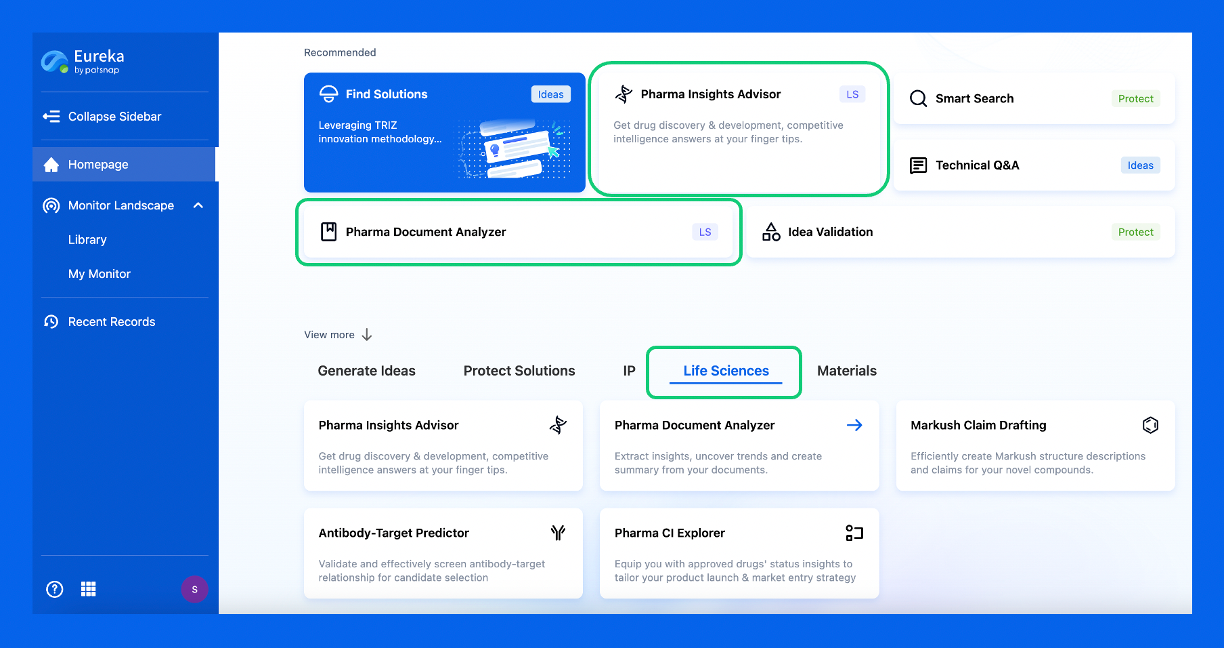
Discover Eureka LS: AI Agents Built for Biopharma Efficiency
Stop wasting time on biopharma busywork. Meet Eureka LS - your AI agent squad for drug discovery.
▶ See how 50+ research teams saved 300+ hours/month
From reducing screening time to simplifying Markush drafting, our AI Agents are ready to deliver immediate value. Explore Eureka LS today and unlock powerful capabilities that help you innovate with confidence.
AI Agents Built for Biopharma Breakthroughs
Accelerate discovery. Empower decisions. Transform outcomes.
Get started for free today!
Accelerate Strategic R&D decision making with Synapse, PatSnap’s AI-powered Connected Innovation Intelligence Platform Built for Life Sciences Professionals.
Start your data trial now!
Synapse data is also accessible to external entities via APIs or data packages. Empower better decisions with the latest in pharmaceutical intelligence.