Request Demo
What are the preclinical assets being developed for CLDN18.2?
11 March 2025
Introduction to CLDN18.2
CLDN18.2, or Claudin18.2, is a specific isoform of the claudin family of tight junction proteins that plays a critical role in maintaining intercellular barrier integrity in the gastric mucosa. Under normal physiological conditions, its expression is confined to differentiated epithelial cells of the stomach, where it functions to regulate cell polarity and control paracellular transport. However, with malignant transformation, particularly in gastric and pancreatic cancers, the normal structure and polarity of tumor cells are disrupted. This leads to the exposure of CLDN18.2 epitopes on the cell surface, a phenomenon that transforms this otherwise “hidden” molecule into an accessible and attractive therapeutic target.
Biological Role and Importance
CLDN18.2 is integral to forming tight junctions. Tight junctions are crucial for cell–cell adhesion and for preserving tissue compartmentalization. In the stomach, CLDN18.2 is responsible for regulating ion transport and maintaining the barrier function of the gastric epithelium. Loss or mutation of these tight junction components is often observed during the process of carcinogenesis, where the breakdown of normal tissue architecture contributes to tumor progression. Its normal restriction in expression to gastric tissues but aberrant and elevated expression in cancer tissue underscores its biological importance and selective potential for targeting neoplastic cells without affecting other healthy tissues.
Clinical Relevance in Cancer
The clinical relevance of CLDN18.2 stems from its overexpression in several epithelial tumors, particularly gastric cancer, but also in pancreatic, esophageal, ovarian, and lung cancers. Its restricted expression in normal tissues minimizes the risk of on-target/off-tumor toxicities, making it a highly attractive target for precision therapies. Moreover, studies have shown that CLDN18.2 expression correlates with certain aggressive tumor phenotypes and can serve as a biomarker for selecting patients who may benefit from targeted therapies. These characteristics have driven both clinical and preclinical interest in developing therapeutic interventions focused on CLDN18.2.
Current Preclinical Assets
Preclinical assets for CLDN18.2 encompass a diverse range of technologies designed either to directly target CLDN18.2 or to exploit its tumor-specific expression in innovative ways. These include antibody-based approaches, bispecific antibody formats, CAR T cell constructs, imaging agents for theranostic applications, and even combination therapies that aim to enhance expression or stability of CLDN18.2 on tumor cells.
Types of Preclinical Assets
The portfolio of preclinical assets in development for targeting CLDN18.2 can be broadly categorized into several types:
• Antibody-Based Therapeutics:
Many preclinical investigations have focused on developing monoclonal antibodies that specifically bind to CLDN18.2. These antibodies serve as the foundation for a variety of effector modalities, including naked antibodies that may induce antibody-dependent cellular cytotoxicity (ADCC) and complement-dependent cytotoxicity (CDC). In addition, there are antibody–drug conjugates (ADCs) under investigation that couple the targeting specificity of the antibody with potent cytotoxic agents. This coupling can deliver high concentrations of a drug directly to the tumor cell, thus sparing normal tissues and reducing systemic toxicity.
• Bispecific Antibodies and T-Cell Engagers:
Another significant and innovative asset in the preclinical arena is the development of bispecific antibodies that simultaneously bind to CLDN18.2 on tumor cells and CD3 on T cells. These molecules function by recruiting and activating T cells in close proximity to cancer cells, thereby promoting targeted cell lysis. Some candidates even incorporate trispecific designs, for example, targeting CD3, CLDN18.2, and albumin to improve pharmacokinetic properties and sustain effective therapy.
• CAR T Cell Therapies:
Preclinical efforts include the engineering of chimeric antigen receptor (CAR) T cells that recognize CLDN18.2. These CAR T cells are designed to combine the specificity of antibody-based targeting with the potent cytotoxic capabilities of T cells. Several groups are sustainably working towards off-the-shelf allogeneic CAR T therapies, which would allow for rapid deployment and standardized manufacturing processes. Some assets even involve first-in-class CAR T constructs that are being evaluated in animal models before transitioning to early clinical trials.
• Imaging Agents and Theranostics:
There is also a growing interest in developing molecular imaging agents based on radiolabeled antibodies or antibody fragments that can noninvasively annotate CLDN18.2 expression in vivo. Such preclinical theranostic agents are critical for not only patient selection and biomarker validation but also for monitoring response during and after targeted therapy. This dual utility of imaging agents enhances the overall clinical management and personalization of treatment strategies.
• Combination Strategies and Expression Modulators:
In addition to direct targeting vehicles, some preclinical assets aim at combination therapies. These approaches may involve using agents to stabilize or increase the expression of CLDN18.2 to render tumor cells more susceptible to subsequent immunotherapy or antibody–drug conjugate therapy. Such strategies also include the concurrent use of immunomodulatory agents that combine with direct CLDN18.2 targeting to enhance the immune system’s ability to recognize and clear tumor cells.
Key Players and Companies
A number of biopharmaceutical companies and research organizations have been leading the preclinical development efforts in CLDN18.2 targeting. Key players include:
• Beijing Immunoah Pharma Tech Co., Ltd.:
This company is developing antibody-based assets such as the CD3/CLDN.18.2Mab&XFab format, which remains in the preclinical stage and shows promise for further development as a T-cell engager.
• Zhejiang Doer Biologics Co., Ltd.:
With its candidate DR-30310, a trispecific T-cell engager (TriTE) that targets CD3, CLDN18.2, and albumin, they are exploring innovative formats to improve pharmacokinetics and potency. This candidate is currently at the preclinical evaluation phase.
• Other Companies and Collaborations:
Several other academic and industry collaborations are ramping up preclinical studies on CLDN18.2 assets, including imaging probe development and combination therapy strategies. Notably, research publications and patent filings from companies indicate a widespread interest across the biopharmaceutical sector, with multiple entities filing patents related to anti-CLDN18.2 antibodies, bispecific formats, and CAR-T cells. These filings underscore the competitive and innovative landscape of preclinical asset development in this space.
Mechanisms of Action
The underlying mechanisms by which preclinical assets targeting CLDN18.2 exert their effects are diverse. The common thread across these approaches is the specific recognition of the CLDN18.2 antigen on tumor cells, which facilitates targeted delivery of therapy and recruitment of the immune system.
Antibody-based Approaches
Monoclonal antibodies against CLDN18.2 work by directly binding to the target epitope on tumor cells. When bound, these antibodies can initiate cytotoxic mechanisms such as:
• Antibody-Dependent Cellular Cytotoxicity (ADCC):
Upon binding, the antibodies flag the tumor cell for destruction by immune effector cells such as natural killer (NK) cells. NK cells then engage via their Fc receptors to mediate cell killing.
• Complement-Dependent Cytotoxicity (CDC):
The bound antibodies can also activate the complement cascade, which further contributes to the lysis of the targeted tumor cell.
• Antibody–Drug Conjugates (ADCs):
Some preclinical products couple a cytotoxic payload via a chemical linker to the anti-CLDN18.2 antibody. This design delivers a potent drug directly into the tumor cell, providing both specificity and enhanced potency with reduced off-target effects.
Moreover, bispecific T-cell engagers (BiTEs) that incorporate the anti-CLDN18.2 arm can simultaneously recruit T cells via CD3 binding and trigger direct T-cell-mediated killing. These agents leverage both arms of the adaptive immune system to exert a robust antitumor effect. In several cases, preclinical testing in animal models has demonstrated that such bispecific formats can overcome the immunosuppressive tumor microenvironment and demonstrate sustained efficacy.
Small Molecule Inhibitors
Although the majority of preclinical assets focus on biologics, research is also exploring small molecules that may interfere with the regulatory pathways governing CLDN18.2 expression. These small molecule inhibitors could potentially modulate the signaling pathways that control CLDN18.2 trafficking or stabilization on the cell surface. While most published preclinical assets are antibody- or cell-based, combination therapies are under investigation that utilize small molecules such as nucleoside analogues (gemcitabine and related compounds) that might stabilize or increase cell surface expression of CLDN18.2, thereby enhancing the efficacy of antibody-based modalities. The rationale here is that modulation by small molecules can make resistant cells more “visible” to the immune system or render them more susceptible to antibody therapeutics.
Challenges and Opportunities
The development of preclinical assets for CLDN18.2, while promising, is accompanied by a unique set of technical and translational challenges. At the same time, the market potential presents significant opportunities that drive continued innovation.
Technical and Developmental Challenges
• Expression Heterogeneity:
Tumor heterogeneity in CLDN18.2 expression remains an obstacle. Although many tumors show high expression levels, variability within and across patients necessitates the development of robust diagnostic and imaging modalities to identify the precise expression profile before therapy initiation.
• Optimization of Bispecific Formats:
Designing bispecific antibodies that have optimal affinities for both CLDN18.2 and CD3 or PD-L1 is technically challenging. Achieving adequate balance in simultaneous antigen recognition, while preserving pharmacokinetic properties and minimizing immunogenicity, is an ongoing research focus.
• CAR T Cell Engineering:
While CAR T cell therapies show substantial promise, challenges include controlling the potency of immune activation, ensuring tumor selectivity, and avoiding cytokine release syndrome or other systemic toxicities. Preclinical studies must refine the manufacturing processes, safety switches, and dosing regimens to translate these therapies effectively to the clinic.
• Development of Imaging Probes:
For theranostics applications, radiolabeling antibodies or fragments with accuracy and stability is a technical hurdle. Ensuring that these probes have the sensitivity and specificity to measure CLDN18.2 expression noninvasively in vivo is critical to guiding patient selection and monitoring therapeutic responses.
• Combination Therapy Optimization:
Although combination strategies hold promise, combining agents that stabilize or upregulate CLDN18.2 with direct targeting therapies requires careful optimization. The timing, dosing, and sequencing of such combinations must be calibrated to maximize antitumor efficacy while avoiding additive toxicities.
Market Potential and Opportunities
The market potential for CLDN18.2-targeted therapies is substantial. Multiple factors contribute to this:
• Unmet Therapeutic Need:
Gastric, pancreatic, and several other solid tumors with high CLDN18.2 expression currently lack precision-targeted therapies. The ability to selectively target CLDN18.2 could offer immense therapeutic benefits and improved patient outcomes.
• Versatility of Therapeutic Modalities:
The preclinical landscape is diverse, ranging from antibodies, ADCs, bispecific antibodies, CAR T cells, to imaging agents. This versatility broadens the opportunities for product differentiation and combination, which can address various clinical scenarios and tumor types.
• Global Regulatory Incentives:
Given the orphan disease status granted in some regions (as seen in related indications for gastric and pancreatic cancers), there is enhanced regulatory incentive for rapid development, facilitating a potentially expedited pathway from preclinical to clinical phases.
• Innovation and Intellectual Property:
Frequent patent filings and robust intellectual property portfolios indicate that the industry is actively pursuing innovative solutions in the CLDN18.2 space. These assets, if proven effective, could command significant market value and strengthen competitive positioning.
Future Directions
Preclinical research into CLDN18.2-targeted therapies is forging ahead with multiple innovative trajectories. As these assets mature, both ongoing research and new prospective developments are expected to further enhance the therapeutic landscape.
Ongoing Research and Trials
• Bridging Preclinical to Early Clinical Phases:
Numerous assets currently in the preclinical pipeline are nearing the transition to early-phase clinical trials. For instance, off‐the‐shelf CAR T cell products targeting CLDN18.2 and innovative bispecific antibodies are being prescreened in animal models, demonstrating promising preclinical efficacy. These studies typically include dose-escalation, pharmacokinetic evaluations, and toxicity assessments that are essential before moving into first‐in‐human studies.
• Integration of Imaging Modalities:
Ongoing efforts in developing radiolabeled imaging agents are paving the way for “theranostic” strategies that not only guide patient selection but also monitor treatment response longitudinally. This research is crucial for the effective translation of CLDN18.2-targeted therapies into clinical practice.
• Combination Approaches:
Research is increasingly focusing on combination modalities where direct immunotherapeutic agents are combined with small molecule modulators. Trials that explore the synergistic effects of upregulating CLDN18.2 expression with subsequent targeting using antibodies or T cell engagers are an ongoing area of investigation. These combination strategies represent a dynamic future direction that may overcome resistance mechanisms and improve overall efficacy.
Prospective Developments and Innovations
• Next-Generation Biologic Formats:
The evolution of bispecific and potentially trispecific formats is expected to continue. By refining the molecular architecture of these agents, developers aim to improve potency, reduce off-target effects, and optimize pharmacokinetics. Innovations in protein engineering, such as the use of half-life extension strategies (for example, albumin binding domains) and improved linker chemistries in ADCs, are expected to drive next-generation products forward.
• Advanced CAR T Cell Platforms:
Another exciting prospective development involves the use of gene-editing technologies to create safer, more effective CAR T cell therapies. These advances include the incorporation of safety switches, dual-antigen recognition systems, and allogeneic “off-the-shelf” CAR T cells. Such platforms are likely to reduce the cost of goods and increase patient access to these innovative therapies.
• Enhanced Diagnostics and Companion Diagnostics:
Future research is also likely to refine companion diagnostic tests that measure CLDN18.2 expression accurately across patient populations. Advances in molecular imaging and high-sensitivity assays will be critical for ensuring that the right patient is matched with the right therapeutic strategy.
• Capitalization on Combination Regimens:
Continued investigation into combination regimens that integrate immunomodulatory agents, small molecules, and targeted antibodies represents a promising avenue. Such combinations have the potential to overcome tumor heterogeneity and adaptive resistance if appropriately timed and dosed. Preclinical models are already exploring these synergies, setting the stage for future clinical protocols that may revolutionize treatment paradigms.
• Global Collaborations and Intellectual Property Expansion:
Ongoing collaboration between academia, industry, and biotechnology companies is expected to yield additional innovative preclinical assets and a richer intellectual property landscape. This collaborative environment will promote the exchange of best practices and accelerate the pace of discovery in CLDN18.2-targeted therapies.
Conclusion
In summary, the preclinical asset landscape for CLDN18.2 is characterized by a diverse array of therapeutics that target this highly specific antigen through multiple mechanisms. The assets being developed span antibody-based therapeutics, including naked monoclonal antibodies and antibody–drug conjugates, bispecific T-cell engagers, CAR T cell therapies, imaging agents for theranostic applications, and combination approaches that modulate target expression. Key industry players such as Beijing Immunoah Pharma Tech Co., Ltd. and Zhejiang Doer Biologics Co., Ltd., among others, are at the forefront of these innovations, as evidenced by numerous patent filings and preclinical studies.
From a mechanistic perspective, these preclinical assets leverage the unique biology of CLDN18.2. By taking advantage of its selective expression in tumor cells and the disruption of normal cell polarity in cancer, these strategies can achieve targeted cell killing while minimizing collateral damage to normal tissues. The antibody‐based approaches utilize diverse mechanisms such as ADCC, CDC, and direct cytotoxic conjugation, while bispecific antibodies and CAR T cell constructs engage the immune system to provide robust and persistent antitumor responses.
Despite the significant promise, several challenges remain. Technical hurdles such as ensuring consistent expression levels, optimizing bispecific ratios, and safely engineering cellular products must be addressed. Furthermore, the integration of imaging agents and companion diagnostics into the therapeutic paradigm is essential for effective patient stratification and treatment monitoring. Nevertheless, the market potential is vast; the unmet need in cancers such as gastric and pancreatic, combined with the regulatory incentives for orphan indications, provides a fertile ground for the successful clinical translation of these preclinical assets.
Looking ahead, ongoing research is likely to refine and expand these modalities through next-generation biologic designs, advanced CAR T cell platforms, and synergistic combination therapies. The convergence of enhanced diagnostic accuracy with innovative therapeutic agents holds the promise for a new era of precision oncology centered on CLDN18.2. In conclusion, the multifaceted preclinical pipeline supporting CLDN18.2-targeted therapy not only highlights the ingenuity of current biomedical research but also underscores the potential to develop truly transformative treatments for patients with high unmet needs in solid tumors.
CLDN18.2, or Claudin18.2, is a specific isoform of the claudin family of tight junction proteins that plays a critical role in maintaining intercellular barrier integrity in the gastric mucosa. Under normal physiological conditions, its expression is confined to differentiated epithelial cells of the stomach, where it functions to regulate cell polarity and control paracellular transport. However, with malignant transformation, particularly in gastric and pancreatic cancers, the normal structure and polarity of tumor cells are disrupted. This leads to the exposure of CLDN18.2 epitopes on the cell surface, a phenomenon that transforms this otherwise “hidden” molecule into an accessible and attractive therapeutic target.
Biological Role and Importance
CLDN18.2 is integral to forming tight junctions. Tight junctions are crucial for cell–cell adhesion and for preserving tissue compartmentalization. In the stomach, CLDN18.2 is responsible for regulating ion transport and maintaining the barrier function of the gastric epithelium. Loss or mutation of these tight junction components is often observed during the process of carcinogenesis, where the breakdown of normal tissue architecture contributes to tumor progression. Its normal restriction in expression to gastric tissues but aberrant and elevated expression in cancer tissue underscores its biological importance and selective potential for targeting neoplastic cells without affecting other healthy tissues.
Clinical Relevance in Cancer
The clinical relevance of CLDN18.2 stems from its overexpression in several epithelial tumors, particularly gastric cancer, but also in pancreatic, esophageal, ovarian, and lung cancers. Its restricted expression in normal tissues minimizes the risk of on-target/off-tumor toxicities, making it a highly attractive target for precision therapies. Moreover, studies have shown that CLDN18.2 expression correlates with certain aggressive tumor phenotypes and can serve as a biomarker for selecting patients who may benefit from targeted therapies. These characteristics have driven both clinical and preclinical interest in developing therapeutic interventions focused on CLDN18.2.
Current Preclinical Assets
Preclinical assets for CLDN18.2 encompass a diverse range of technologies designed either to directly target CLDN18.2 or to exploit its tumor-specific expression in innovative ways. These include antibody-based approaches, bispecific antibody formats, CAR T cell constructs, imaging agents for theranostic applications, and even combination therapies that aim to enhance expression or stability of CLDN18.2 on tumor cells.
Types of Preclinical Assets
The portfolio of preclinical assets in development for targeting CLDN18.2 can be broadly categorized into several types:
• Antibody-Based Therapeutics:
Many preclinical investigations have focused on developing monoclonal antibodies that specifically bind to CLDN18.2. These antibodies serve as the foundation for a variety of effector modalities, including naked antibodies that may induce antibody-dependent cellular cytotoxicity (ADCC) and complement-dependent cytotoxicity (CDC). In addition, there are antibody–drug conjugates (ADCs) under investigation that couple the targeting specificity of the antibody with potent cytotoxic agents. This coupling can deliver high concentrations of a drug directly to the tumor cell, thus sparing normal tissues and reducing systemic toxicity.
• Bispecific Antibodies and T-Cell Engagers:
Another significant and innovative asset in the preclinical arena is the development of bispecific antibodies that simultaneously bind to CLDN18.2 on tumor cells and CD3 on T cells. These molecules function by recruiting and activating T cells in close proximity to cancer cells, thereby promoting targeted cell lysis. Some candidates even incorporate trispecific designs, for example, targeting CD3, CLDN18.2, and albumin to improve pharmacokinetic properties and sustain effective therapy.
• CAR T Cell Therapies:
Preclinical efforts include the engineering of chimeric antigen receptor (CAR) T cells that recognize CLDN18.2. These CAR T cells are designed to combine the specificity of antibody-based targeting with the potent cytotoxic capabilities of T cells. Several groups are sustainably working towards off-the-shelf allogeneic CAR T therapies, which would allow for rapid deployment and standardized manufacturing processes. Some assets even involve first-in-class CAR T constructs that are being evaluated in animal models before transitioning to early clinical trials.
• Imaging Agents and Theranostics:
There is also a growing interest in developing molecular imaging agents based on radiolabeled antibodies or antibody fragments that can noninvasively annotate CLDN18.2 expression in vivo. Such preclinical theranostic agents are critical for not only patient selection and biomarker validation but also for monitoring response during and after targeted therapy. This dual utility of imaging agents enhances the overall clinical management and personalization of treatment strategies.
• Combination Strategies and Expression Modulators:
In addition to direct targeting vehicles, some preclinical assets aim at combination therapies. These approaches may involve using agents to stabilize or increase the expression of CLDN18.2 to render tumor cells more susceptible to subsequent immunotherapy or antibody–drug conjugate therapy. Such strategies also include the concurrent use of immunomodulatory agents that combine with direct CLDN18.2 targeting to enhance the immune system’s ability to recognize and clear tumor cells.
Key Players and Companies
A number of biopharmaceutical companies and research organizations have been leading the preclinical development efforts in CLDN18.2 targeting. Key players include:
• Beijing Immunoah Pharma Tech Co., Ltd.:
This company is developing antibody-based assets such as the CD3/CLDN.18.2Mab&XFab format, which remains in the preclinical stage and shows promise for further development as a T-cell engager.
• Zhejiang Doer Biologics Co., Ltd.:
With its candidate DR-30310, a trispecific T-cell engager (TriTE) that targets CD3, CLDN18.2, and albumin, they are exploring innovative formats to improve pharmacokinetics and potency. This candidate is currently at the preclinical evaluation phase.
• Other Companies and Collaborations:
Several other academic and industry collaborations are ramping up preclinical studies on CLDN18.2 assets, including imaging probe development and combination therapy strategies. Notably, research publications and patent filings from companies indicate a widespread interest across the biopharmaceutical sector, with multiple entities filing patents related to anti-CLDN18.2 antibodies, bispecific formats, and CAR-T cells. These filings underscore the competitive and innovative landscape of preclinical asset development in this space.
Mechanisms of Action
The underlying mechanisms by which preclinical assets targeting CLDN18.2 exert their effects are diverse. The common thread across these approaches is the specific recognition of the CLDN18.2 antigen on tumor cells, which facilitates targeted delivery of therapy and recruitment of the immune system.
Antibody-based Approaches
Monoclonal antibodies against CLDN18.2 work by directly binding to the target epitope on tumor cells. When bound, these antibodies can initiate cytotoxic mechanisms such as:
• Antibody-Dependent Cellular Cytotoxicity (ADCC):
Upon binding, the antibodies flag the tumor cell for destruction by immune effector cells such as natural killer (NK) cells. NK cells then engage via their Fc receptors to mediate cell killing.
• Complement-Dependent Cytotoxicity (CDC):
The bound antibodies can also activate the complement cascade, which further contributes to the lysis of the targeted tumor cell.
• Antibody–Drug Conjugates (ADCs):
Some preclinical products couple a cytotoxic payload via a chemical linker to the anti-CLDN18.2 antibody. This design delivers a potent drug directly into the tumor cell, providing both specificity and enhanced potency with reduced off-target effects.
Moreover, bispecific T-cell engagers (BiTEs) that incorporate the anti-CLDN18.2 arm can simultaneously recruit T cells via CD3 binding and trigger direct T-cell-mediated killing. These agents leverage both arms of the adaptive immune system to exert a robust antitumor effect. In several cases, preclinical testing in animal models has demonstrated that such bispecific formats can overcome the immunosuppressive tumor microenvironment and demonstrate sustained efficacy.
Small Molecule Inhibitors
Although the majority of preclinical assets focus on biologics, research is also exploring small molecules that may interfere with the regulatory pathways governing CLDN18.2 expression. These small molecule inhibitors could potentially modulate the signaling pathways that control CLDN18.2 trafficking or stabilization on the cell surface. While most published preclinical assets are antibody- or cell-based, combination therapies are under investigation that utilize small molecules such as nucleoside analogues (gemcitabine and related compounds) that might stabilize or increase cell surface expression of CLDN18.2, thereby enhancing the efficacy of antibody-based modalities. The rationale here is that modulation by small molecules can make resistant cells more “visible” to the immune system or render them more susceptible to antibody therapeutics.
Challenges and Opportunities
The development of preclinical assets for CLDN18.2, while promising, is accompanied by a unique set of technical and translational challenges. At the same time, the market potential presents significant opportunities that drive continued innovation.
Technical and Developmental Challenges
• Expression Heterogeneity:
Tumor heterogeneity in CLDN18.2 expression remains an obstacle. Although many tumors show high expression levels, variability within and across patients necessitates the development of robust diagnostic and imaging modalities to identify the precise expression profile before therapy initiation.
• Optimization of Bispecific Formats:
Designing bispecific antibodies that have optimal affinities for both CLDN18.2 and CD3 or PD-L1 is technically challenging. Achieving adequate balance in simultaneous antigen recognition, while preserving pharmacokinetic properties and minimizing immunogenicity, is an ongoing research focus.
• CAR T Cell Engineering:
While CAR T cell therapies show substantial promise, challenges include controlling the potency of immune activation, ensuring tumor selectivity, and avoiding cytokine release syndrome or other systemic toxicities. Preclinical studies must refine the manufacturing processes, safety switches, and dosing regimens to translate these therapies effectively to the clinic.
• Development of Imaging Probes:
For theranostics applications, radiolabeling antibodies or fragments with accuracy and stability is a technical hurdle. Ensuring that these probes have the sensitivity and specificity to measure CLDN18.2 expression noninvasively in vivo is critical to guiding patient selection and monitoring therapeutic responses.
• Combination Therapy Optimization:
Although combination strategies hold promise, combining agents that stabilize or upregulate CLDN18.2 with direct targeting therapies requires careful optimization. The timing, dosing, and sequencing of such combinations must be calibrated to maximize antitumor efficacy while avoiding additive toxicities.
Market Potential and Opportunities
The market potential for CLDN18.2-targeted therapies is substantial. Multiple factors contribute to this:
• Unmet Therapeutic Need:
Gastric, pancreatic, and several other solid tumors with high CLDN18.2 expression currently lack precision-targeted therapies. The ability to selectively target CLDN18.2 could offer immense therapeutic benefits and improved patient outcomes.
• Versatility of Therapeutic Modalities:
The preclinical landscape is diverse, ranging from antibodies, ADCs, bispecific antibodies, CAR T cells, to imaging agents. This versatility broadens the opportunities for product differentiation and combination, which can address various clinical scenarios and tumor types.
• Global Regulatory Incentives:
Given the orphan disease status granted in some regions (as seen in related indications for gastric and pancreatic cancers), there is enhanced regulatory incentive for rapid development, facilitating a potentially expedited pathway from preclinical to clinical phases.
• Innovation and Intellectual Property:
Frequent patent filings and robust intellectual property portfolios indicate that the industry is actively pursuing innovative solutions in the CLDN18.2 space. These assets, if proven effective, could command significant market value and strengthen competitive positioning.
Future Directions
Preclinical research into CLDN18.2-targeted therapies is forging ahead with multiple innovative trajectories. As these assets mature, both ongoing research and new prospective developments are expected to further enhance the therapeutic landscape.
Ongoing Research and Trials
• Bridging Preclinical to Early Clinical Phases:
Numerous assets currently in the preclinical pipeline are nearing the transition to early-phase clinical trials. For instance, off‐the‐shelf CAR T cell products targeting CLDN18.2 and innovative bispecific antibodies are being prescreened in animal models, demonstrating promising preclinical efficacy. These studies typically include dose-escalation, pharmacokinetic evaluations, and toxicity assessments that are essential before moving into first‐in‐human studies.
• Integration of Imaging Modalities:
Ongoing efforts in developing radiolabeled imaging agents are paving the way for “theranostic” strategies that not only guide patient selection but also monitor treatment response longitudinally. This research is crucial for the effective translation of CLDN18.2-targeted therapies into clinical practice.
• Combination Approaches:
Research is increasingly focusing on combination modalities where direct immunotherapeutic agents are combined with small molecule modulators. Trials that explore the synergistic effects of upregulating CLDN18.2 expression with subsequent targeting using antibodies or T cell engagers are an ongoing area of investigation. These combination strategies represent a dynamic future direction that may overcome resistance mechanisms and improve overall efficacy.
Prospective Developments and Innovations
• Next-Generation Biologic Formats:
The evolution of bispecific and potentially trispecific formats is expected to continue. By refining the molecular architecture of these agents, developers aim to improve potency, reduce off-target effects, and optimize pharmacokinetics. Innovations in protein engineering, such as the use of half-life extension strategies (for example, albumin binding domains) and improved linker chemistries in ADCs, are expected to drive next-generation products forward.
• Advanced CAR T Cell Platforms:
Another exciting prospective development involves the use of gene-editing technologies to create safer, more effective CAR T cell therapies. These advances include the incorporation of safety switches, dual-antigen recognition systems, and allogeneic “off-the-shelf” CAR T cells. Such platforms are likely to reduce the cost of goods and increase patient access to these innovative therapies.
• Enhanced Diagnostics and Companion Diagnostics:
Future research is also likely to refine companion diagnostic tests that measure CLDN18.2 expression accurately across patient populations. Advances in molecular imaging and high-sensitivity assays will be critical for ensuring that the right patient is matched with the right therapeutic strategy.
• Capitalization on Combination Regimens:
Continued investigation into combination regimens that integrate immunomodulatory agents, small molecules, and targeted antibodies represents a promising avenue. Such combinations have the potential to overcome tumor heterogeneity and adaptive resistance if appropriately timed and dosed. Preclinical models are already exploring these synergies, setting the stage for future clinical protocols that may revolutionize treatment paradigms.
• Global Collaborations and Intellectual Property Expansion:
Ongoing collaboration between academia, industry, and biotechnology companies is expected to yield additional innovative preclinical assets and a richer intellectual property landscape. This collaborative environment will promote the exchange of best practices and accelerate the pace of discovery in CLDN18.2-targeted therapies.
Conclusion
In summary, the preclinical asset landscape for CLDN18.2 is characterized by a diverse array of therapeutics that target this highly specific antigen through multiple mechanisms. The assets being developed span antibody-based therapeutics, including naked monoclonal antibodies and antibody–drug conjugates, bispecific T-cell engagers, CAR T cell therapies, imaging agents for theranostic applications, and combination approaches that modulate target expression. Key industry players such as Beijing Immunoah Pharma Tech Co., Ltd. and Zhejiang Doer Biologics Co., Ltd., among others, are at the forefront of these innovations, as evidenced by numerous patent filings and preclinical studies.
From a mechanistic perspective, these preclinical assets leverage the unique biology of CLDN18.2. By taking advantage of its selective expression in tumor cells and the disruption of normal cell polarity in cancer, these strategies can achieve targeted cell killing while minimizing collateral damage to normal tissues. The antibody‐based approaches utilize diverse mechanisms such as ADCC, CDC, and direct cytotoxic conjugation, while bispecific antibodies and CAR T cell constructs engage the immune system to provide robust and persistent antitumor responses.
Despite the significant promise, several challenges remain. Technical hurdles such as ensuring consistent expression levels, optimizing bispecific ratios, and safely engineering cellular products must be addressed. Furthermore, the integration of imaging agents and companion diagnostics into the therapeutic paradigm is essential for effective patient stratification and treatment monitoring. Nevertheless, the market potential is vast; the unmet need in cancers such as gastric and pancreatic, combined with the regulatory incentives for orphan indications, provides a fertile ground for the successful clinical translation of these preclinical assets.
Looking ahead, ongoing research is likely to refine and expand these modalities through next-generation biologic designs, advanced CAR T cell platforms, and synergistic combination therapies. The convergence of enhanced diagnostic accuracy with innovative therapeutic agents holds the promise for a new era of precision oncology centered on CLDN18.2. In conclusion, the multifaceted preclinical pipeline supporting CLDN18.2-targeted therapy not only highlights the ingenuity of current biomedical research but also underscores the potential to develop truly transformative treatments for patients with high unmet needs in solid tumors.
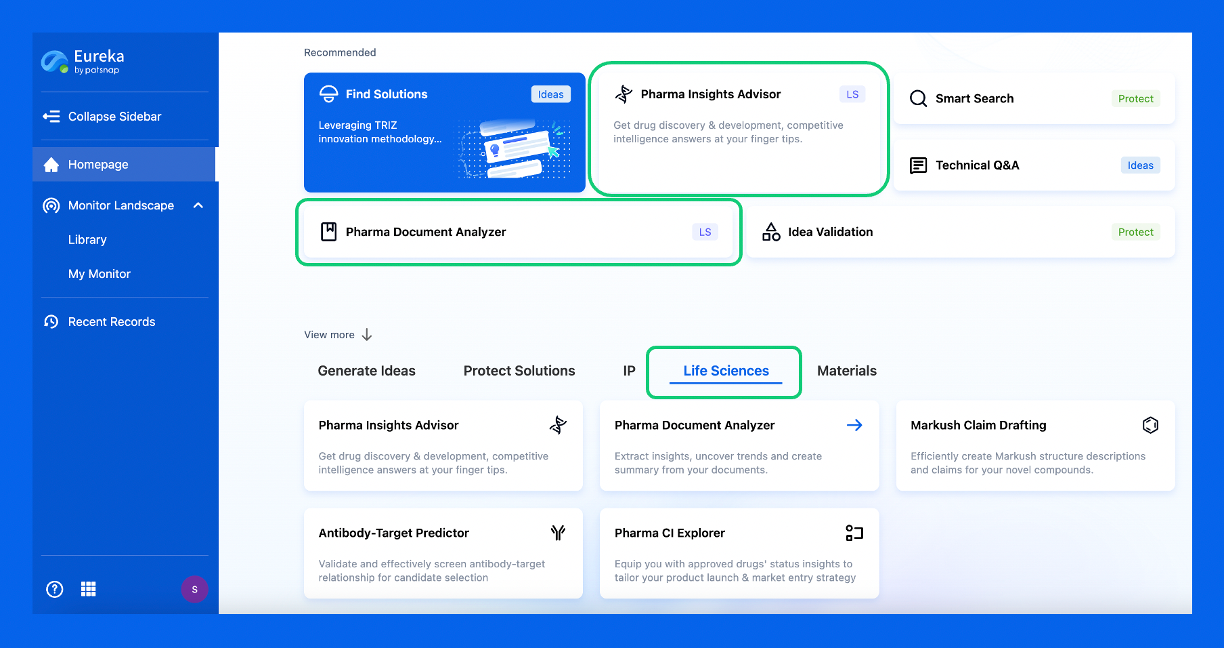
Discover Eureka LS: AI Agents Built for Biopharma Efficiency
Stop wasting time on biopharma busywork. Meet Eureka LS - your AI agent squad for drug discovery.
▶ See how 50+ research teams saved 300+ hours/month
From reducing screening time to simplifying Markush drafting, our AI Agents are ready to deliver immediate value. Explore Eureka LS today and unlock powerful capabilities that help you innovate with confidence.
AI Agents Built for Biopharma Breakthroughs
Accelerate discovery. Empower decisions. Transform outcomes.
Get started for free today!
Accelerate Strategic R&D decision making with Synapse, PatSnap’s AI-powered Connected Innovation Intelligence Platform Built for Life Sciences Professionals.
Start your data trial now!
Synapse data is also accessible to external entities via APIs or data packages. Empower better decisions with the latest in pharmaceutical intelligence.