Request Demo
What are the primary areas of focus for CytomX Therapeutics?
20 March 2025
Overview of CytomX TherapeuticsCompanyny Background and Mission
CytomX Therapeutics is a clinical‐stage, oncology‐focused biopharmaceutical company that has redefined the treatment landscape with the development of novel conditionally activated biologics. Founded over a decade ago and headquartered in South San Francisco, its mission is to transcend the limits of current cancer treatments by enabling previously undruggable targets while minimizing toxicity to healthy tissues. The company’s unique mandate centers on addressing the unmet clinical needs in oncology by focusing on the tumor microenvironment. Through its innovative approach, CytomX is dedicated to transforming cancer care by developing therapies that remain inert until activated by the specific proteases present in the tumor microenvironment. This strategy represents a paradigm shift in how biologic drugs are delivered and activated in patients, ultimately leading to more effective and safer treatments.
At its core, CytomX’s mission is to destroy cancer differently by combining deep scientific insights with strategic collaborations. The company aims to overcome the inherent challenges of traditional cancer treatments such as off-target toxicity and limited efficacy in heterogeneous tumors. By focusing on conditionally activated therapeutics, CytomX intends to not only improve patient outcomes but also to extend the therapeutic window for drugs that have historically suffered from systemic limitations. In summary, the company’s background and mission underscore a commitment to innovation, improved patient safety, and enhanced efficacy in the battle against cancer.
Key Technologies and Innovations
CytomX’s flagship technological advancement is its Probody® platform—a proprietary approach that designs conditionally activated biologics. The Probody technology enables the creation of antibody conjugates that remain in an inactive state until they encounter tumor-specific proteases, which “unmask” the product and allow it to bind selectively to the tumor. This conditional activation not only minimizes unwanted binding to normal tissues but also expands the range of previously “undruggable” targets. This technology is applied across multiple therapeutic modalities including antibody–drug conjugates (ADCs), T-cell engaging bispecific antibodies (TCBs), immune modulators, and cytokine therapeutics.
In addition to the Probody platform, CytomX employs advanced drug discovery and development techniques that include sophisticated preclinical screening, clinical biomarker integration, and iterative clinical feedback. This multifaceted approach ensures that the conditionally activated prophylactic modalities are effective once activated, and that they translate promise from the lab bench into the clinic. Technological innovations are further bolstered by the company’s investments in analytical platforms and strategic collaborations which help refine targeting strategies in the tumor microenvironment. In essence, CytomX’s innovation lies in its ability to re-engineer the behavior of potent biologics so that they remain safe, targeted, and effective—thereby establishing a new standard-of-care in oncology.
Main Therapeutic Areas
Oncology Focus
The primary therapeutic area for CytomX Therapeutics is oncology. Oncology remains the dominant focus as the company specifically targets multiple difficult-to-treat cancers with conditionally activated biologics. Their robust pipeline includes investigational conditionally activated ADCs such as CX-2029, which targets CD71; and praluzatamab ravtansine (CX-2009), a conditionally activated ADC directed toward CD166. Both of these therapeutics are currently under evaluation in Phase 2 studies targeting various late-stage cancers, including breast cancer for CX-2009 and squamous non-small cell lung cancer (NSCLC) along with head and neck squamous cell carcinoma (HNSCC) for CX-2029.
Furthermore, CytomX’s portfolio extends into cancer immunotherapy. The company is developing conditionally activated therapies such as the CTLA-4-targeting Probody therapeutics (BMS-986249 and BMS-986288) through strategic partnerships with major pharmaceutical companies like Bristol Myers Squibb, and conditionally activated bispecific antibodies such as CX-904 that target EGFR on tumor cells and CD3 on T-cells in collaboration with Amgen. This broad focus within oncology leverages the unique strategy of conditional activation, allowing these therapeutics to be highly selective for tumor tissue by capitalizing on the enzymatic milieu of the tumor microenvironment.
The oncology focus is not only centered on the direct cytotoxic or immunomodulatory effects but also on overcoming challenges related to tumor heterogeneity, off-target toxicity, and drug resistance. The modular nature of the Probody platform allows CytomX to potentially address a wide array of tumor types. This innovative strategy enables the targeting of markers that have previously been considered unsuitable due to their ubiquitous expression in normal tissues. Thus, by enabling a tumor-selective activation process, CytomX is positioned to significantly advance the treatment landscape for many cancers.
Other Potential Therapeutic Areas
While oncology remains the primary focus, CytomX’s underlying technology—the Probody platform—is versatile and holds promise for potential applications beyond cancer. The concept of conditionally activated biologics is inherently adaptable, and there is growing interest in applying these principles to other disease areas where tissue-specific activation might improve therapeutic indices. For instance, conditionally activated therapies might find applications in autoimmune diseases or inflammatory conditions where targeted suppression of pathological immune responses could be beneficial without broadly compromising immune function.
Additionally, given the company’s pioneering work in antibody engineering and advanced conjugation strategies, there is potential for these innovations to be adapted for infectious diseases or even in regenerative medicine, where controlled activation of bioactive molecules could enhance tissue repair without causing deleterious systemic effects. Although such applications are still in the conceptual stage, the robust, adaptable nature of CytomX’s technology platform provides an avenue for future exploration beyond its current oncology focus. However, at present, the clinical development efforts and corporate strategy predominantly target cancer, reflecting both market need and the proven clinical potential of conditionally activated therapies in oncology.
Research and Development Strategy
Current Pipeline and Clinical Trials
CytomX Therapeutics has established a diverse and robust clinical pipeline that exemplifies its innovative approach to cancer treatment. The company’s pipeline is organized around multiple therapeutic modalities that leverage its proprietary Probody platform. Key candidates include:
- CX-2029: An investigational conditionally activated ADC directed toward CD71 developed in collaboration with AbbVie. This candidate is currently in Phase 2 clinical trials and targets a variety of late-stage cancers, particularly squamous NSCLC and HNSCC.
- Praluzatamab ravtansine (CX-2009): A wholly-owned conditionally activated ADC targeting CD166. With demonstrated clinical activity, CX-2009 is being studied in patients with advanced breast cancer and is one of the pivotal assets in CytomX’s portfolio.
- CX-904: A conditionally activated T-cell engaging bispecific antibody that targets EGFR on tumor cells and CD3 on T cells. Partnered with Amgen, this candidate is advancing through early clinical evaluation, with plans for further cohorts based on dose-escalation data.
- BMS-986249 and BMS-986288: These are CTLA-4-targeting Probody therapeutics developed in partnership with Bristol Myers Squibb. They represent a strategic approach to cancer immunotherapy, where conditional activation is utilized to modulate immune checkpoints in a safer and more effective manner.
The clinical trials span multiple phases—from Phase 1 for dose escalation and safety evaluation to Phase 2, where the efficacy of these conditionally activated agents is being rigorously tested in diverse patient populations. The design and execution of these trials are underscored by a focus on demonstrating not only efficacy and improved safety profiles but also the unique ability of these agents to preferentially target tumor microenvironments.
Apart from the core clinical candidates, CytomX is also advancing a series of wholly-owned preclinical assets. For example, CX-801 is an interferon alpha-2b Probody cytokine with the potential to activate immune responses across a spectrum of solid tumors, including those considered “cold” or immuno-oncology insensitive. Another candidate, CX-2051, represents a conditionally activated ADC directed toward EpCAM, aiming to address a broad range of epithelial cancers. The strategic diversification within the pipeline is reflective of CytomX’s commitment to leveraging its core technology across multiple mechanisms of action, thereby maximizing both therapeutic reach and clinical impact.
The depth and breadth of the pipeline are not only indicative of the innovation inherent in CytomX’s R&D strategy but also underscore its commitment to tailor therapies to specific patient subpopulations, which is critical in the era of precision oncology. Moreover, the clinical data emerging from these trials will provide vital insights into the performance of conditionally activated therapeutics, paving the way for potential first-in-class products that could redefine cancer treatment standards.
Partnerships and Collaborations
Partnerships are a cornerstone of CytomX’s research and development strategy. Given the highly technical and capital-intensive nature of developing next-generation therapeutics, the company has strategically aligned itself with several industry leaders. These collaborations not only facilitate shared expertise and resources but also enable rapid clinical translation. Key partnerships include:
- AbbVie: In collaboration with AbbVie, CytomX co-develops CX-2029, an ADC targeting CD71. This partnership leverages AbbVie’s extensive clinical development capabilities and global reach to accelerate the advancement of this promising agent.
- Amgen: Through a global co-development alliance with Amgen, CytomX is advancing CX-904, the conditionally activated bispecific antibody that targets EGFR and CD3. This collaboration benefits from Amgen’s established expertise in antibody engineering and clinical trial management, enhancing the potential for rapid clinical implementation.
- Bristol Myers Squibb: CytomX has partnered with Bristol Myers Squibb to develop CTLA-4-targeting Probody therapeutics (BMS-986249 and BMS-986288). This alliance supports the exploration of innovative immunotherapy combinations that might lead to next-generation treatment strategies in the immuno-oncology space.
- Astellas, Regeneron, Moderna, and Others: CytomX has also established strategic research collaborations with other major players in the oncology sector including Astellas, Regeneron, and Moderna. These research partnerships are focused on expanding the discovery and validation of novel targets, as well as exploring adjunctive technologies (such as mRNA-based therapies in the case of Moderna) to complement its Probody platform.
These partnerships are particularly critical in de-risking the development process by allowing shared access to cutting-edge technologies and broadening the operational footprint. By collaborating with industry giants, CytomX not only transfers risk but also taps into established regulatory and commercialization pathways. The strategic direction for these alliances is envisioned to foster innovation that is both scalable and adaptable to the rapidly evolving demands of oncology treatment.
Future Directions and Market Impact
Strategic Goals and Objectives
Looking ahead, CytomX Therapeutics has a clear set of strategic goals centered on reinforcing its leadership in conditionally activated oncology therapeutics. The company’s future directions are driven by the dual objectives of expanding its pipeline and optimizing the clinical performance of its novel agents. Key strategic objectives include:
- Advancement of the Clinical Pipeline: CytomX is committed to advancing its current portfolio through rigorous clinical trials. Specific goals involve the progression of CX-2029, CX-2009, CX-904, and its CTLA-4-targeting agents into later-stage trials. These steps aim to validate the efficacy and safety of conditionally activated therapies in larger patient populations and across various indications.
- Expansion into New Indications and Modalities: While oncology remains the primary focus, there is also an objective to explore potential indications where the Probody platform might offer advantages. Research into the utility of conditionally activated therapies in autoimmune diseases, inflammatory conditions, or other challenging therapeutic areas is seen as a long-term strategic goal that could diversify the company’s market presence.
- Optimization of the Probody Platform: Continued refinement of the Probody® technology is a strategic priority. This involves improving the activation mechanisms, enhancing binding specificity, and further reducing off-target toxicity. These efforts are critical to ensuring that the emerging therapeutics deliver optimal clinical outcomes while maintaining safety profiles superior to conventional therapies.
- Strengthening Collaborations and Expanding Partnerships: CytomX aims to further solidify its relationships with major pharmaceutical companies and to seek new collaborations across the industry. Such alliances are expected to facilitate access to advanced development and manufacturing capabilities, accelerate regulatory approval processes, and ultimately optimize commercialization strategies.
These strategic goals are designed to position CytomX as a leader in precision oncology while paving the way for future expansion into other therapeutic areas. The focus on leveraging the company’s technological strengths, clinical insights, and collaborative networks is expected to result in a robust pipeline of conditionally activated therapeutics that set new benchmarks for safety and efficacy in cancer treatment.
Potential Market Opportunities
The market opportunity for CytomX Therapeutics is significant, driven by several factors. Primarily, the growing incidence of cancer worldwide creates a substantial and urgent demand for therapies that offer improved safety and efficacy over existing treatments. The conventional therapies often suffer from narrow therapeutic windows and high toxicity, leading to significant clinical unmet needs. CytomX’s approach, by using conditionally activated biologics, directly addresses these limitations, making its candidates potentially transformative in terms of patient outcomes.
Moreover, by targeting previously “undruggable” targets—such as CD166 and CD71—the company is opening up new avenues for therapeutic intervention in cancers that have historically been difficult to treat. The ability to safely target these antigens provides a competitive edge in the oncology market, where innovation is key to sustaining clinical and commercial success. Additionally, the advanced biomarker strategies and precision medicine approaches integrated into the clinical development of these therapeutics further enhance the market appeal by ensuring that the right patients are matched with the most effective treatment options.
From a commercial perspective, the partnerships with leading biopharmaceutical companies such as AbbVie, Amgen, and Bristol Myers Squibb offer additional market leverage. These collaborations not only validate the clinical promise of CytomX’s technologies but also pave the way for a broader global reach. The potential for accelerated regulatory reviews and subsequent market approvals, particularly in high‐incidence cancer types like lung cancer, breast cancer, and head and neck cancers, represent substantial revenue-generating opportunities.
Beyond immediate oncology applications, the underlying Probody platform technology holds the promise of utility in a myriad of other indications, representing a future avenue for market diversification. Should the platform’s advantages translate successfully into diseases beyond cancer, the long-term market opportunity will expand even further. In the near term, however, oncology remains the primary area of impact, with the potential for multi-billion-dollar market opportunities driven by improved patient safety, therapeutic efficacy, and strategic industry partnerships.
Conclusion
In summary, CytomX Therapeutics is focused primarily on advancing innovative oncology treatments through its pioneering Probody® platform. The company’s core mission is to deliver conditionally activated biologics that remain inert until they reach the tumor microenvironment, thereby enhancing safety and efficacy by reducing off-target effects. Under the broad umbrella of oncology, CytomX is developing targeted ADCs, bispecific T-cell engaging antibodies, and immune modulators—all of which are being tested in robust clinical trials across multiple cancer indications.
Beyond its clear focus on oncology, there is also potential for CytomX’s technology to be applied to other therapeutic areas, although current efforts and resources are predominantly allocated to fighting cancer. The company’s research and development strategy is multifaceted, combining a diversified pipeline with strategic collaborations with major industry leaders to mitigate risk and accelerate clinical development. The integration of advanced technological innovations with precision medicine ensures that CytomX’s portfolio not only addresses current unmet needs but also has the potential to reshape the therapeutic landscape in both the short and long term.
Looking forward, CytomX’s strategic objectives include advancing its clinical pipeline through later-stage trials, optimizing the Probody technology, and expanding its partnerships to enhance market access. The overall market opportunity is compelling, driven by the high global demand for safer, more effective cancer treatments and the inherent advantages of conditionally activated therapeutics. Thus, the company is well positioned to make a significant impact on how cancer is treated in the future, potentially setting new clinical standards and redefining therapeutic paradigms in oncology.
In conclusion, the primary areas of focus for CytomX Therapeutics—advanced oncology therapeutics, innovative Probody® technology, a diversified clinical pipeline, and strategic industry collaborations—reflect a comprehensive approach to transforming cancer care. This strategy, reinforced by detailed clinical development plans and robust partnerships, positions CytomX to significantly improve patient outcomes while opening up vast market opportunities in the rapidly evolving field of oncology.
CytomX Therapeutics is a clinical‐stage, oncology‐focused biopharmaceutical company that has redefined the treatment landscape with the development of novel conditionally activated biologics. Founded over a decade ago and headquartered in South San Francisco, its mission is to transcend the limits of current cancer treatments by enabling previously undruggable targets while minimizing toxicity to healthy tissues. The company’s unique mandate centers on addressing the unmet clinical needs in oncology by focusing on the tumor microenvironment. Through its innovative approach, CytomX is dedicated to transforming cancer care by developing therapies that remain inert until activated by the specific proteases present in the tumor microenvironment. This strategy represents a paradigm shift in how biologic drugs are delivered and activated in patients, ultimately leading to more effective and safer treatments.
At its core, CytomX’s mission is to destroy cancer differently by combining deep scientific insights with strategic collaborations. The company aims to overcome the inherent challenges of traditional cancer treatments such as off-target toxicity and limited efficacy in heterogeneous tumors. By focusing on conditionally activated therapeutics, CytomX intends to not only improve patient outcomes but also to extend the therapeutic window for drugs that have historically suffered from systemic limitations. In summary, the company’s background and mission underscore a commitment to innovation, improved patient safety, and enhanced efficacy in the battle against cancer.
Key Technologies and Innovations
CytomX’s flagship technological advancement is its Probody® platform—a proprietary approach that designs conditionally activated biologics. The Probody technology enables the creation of antibody conjugates that remain in an inactive state until they encounter tumor-specific proteases, which “unmask” the product and allow it to bind selectively to the tumor. This conditional activation not only minimizes unwanted binding to normal tissues but also expands the range of previously “undruggable” targets. This technology is applied across multiple therapeutic modalities including antibody–drug conjugates (ADCs), T-cell engaging bispecific antibodies (TCBs), immune modulators, and cytokine therapeutics.
In addition to the Probody platform, CytomX employs advanced drug discovery and development techniques that include sophisticated preclinical screening, clinical biomarker integration, and iterative clinical feedback. This multifaceted approach ensures that the conditionally activated prophylactic modalities are effective once activated, and that they translate promise from the lab bench into the clinic. Technological innovations are further bolstered by the company’s investments in analytical platforms and strategic collaborations which help refine targeting strategies in the tumor microenvironment. In essence, CytomX’s innovation lies in its ability to re-engineer the behavior of potent biologics so that they remain safe, targeted, and effective—thereby establishing a new standard-of-care in oncology.
Main Therapeutic Areas
Oncology Focus
The primary therapeutic area for CytomX Therapeutics is oncology. Oncology remains the dominant focus as the company specifically targets multiple difficult-to-treat cancers with conditionally activated biologics. Their robust pipeline includes investigational conditionally activated ADCs such as CX-2029, which targets CD71; and praluzatamab ravtansine (CX-2009), a conditionally activated ADC directed toward CD166. Both of these therapeutics are currently under evaluation in Phase 2 studies targeting various late-stage cancers, including breast cancer for CX-2009 and squamous non-small cell lung cancer (NSCLC) along with head and neck squamous cell carcinoma (HNSCC) for CX-2029.
Furthermore, CytomX’s portfolio extends into cancer immunotherapy. The company is developing conditionally activated therapies such as the CTLA-4-targeting Probody therapeutics (BMS-986249 and BMS-986288) through strategic partnerships with major pharmaceutical companies like Bristol Myers Squibb, and conditionally activated bispecific antibodies such as CX-904 that target EGFR on tumor cells and CD3 on T-cells in collaboration with Amgen. This broad focus within oncology leverages the unique strategy of conditional activation, allowing these therapeutics to be highly selective for tumor tissue by capitalizing on the enzymatic milieu of the tumor microenvironment.
The oncology focus is not only centered on the direct cytotoxic or immunomodulatory effects but also on overcoming challenges related to tumor heterogeneity, off-target toxicity, and drug resistance. The modular nature of the Probody platform allows CytomX to potentially address a wide array of tumor types. This innovative strategy enables the targeting of markers that have previously been considered unsuitable due to their ubiquitous expression in normal tissues. Thus, by enabling a tumor-selective activation process, CytomX is positioned to significantly advance the treatment landscape for many cancers.
Other Potential Therapeutic Areas
While oncology remains the primary focus, CytomX’s underlying technology—the Probody platform—is versatile and holds promise for potential applications beyond cancer. The concept of conditionally activated biologics is inherently adaptable, and there is growing interest in applying these principles to other disease areas where tissue-specific activation might improve therapeutic indices. For instance, conditionally activated therapies might find applications in autoimmune diseases or inflammatory conditions where targeted suppression of pathological immune responses could be beneficial without broadly compromising immune function.
Additionally, given the company’s pioneering work in antibody engineering and advanced conjugation strategies, there is potential for these innovations to be adapted for infectious diseases or even in regenerative medicine, where controlled activation of bioactive molecules could enhance tissue repair without causing deleterious systemic effects. Although such applications are still in the conceptual stage, the robust, adaptable nature of CytomX’s technology platform provides an avenue for future exploration beyond its current oncology focus. However, at present, the clinical development efforts and corporate strategy predominantly target cancer, reflecting both market need and the proven clinical potential of conditionally activated therapies in oncology.
Research and Development Strategy
Current Pipeline and Clinical Trials
CytomX Therapeutics has established a diverse and robust clinical pipeline that exemplifies its innovative approach to cancer treatment. The company’s pipeline is organized around multiple therapeutic modalities that leverage its proprietary Probody platform. Key candidates include:
- CX-2029: An investigational conditionally activated ADC directed toward CD71 developed in collaboration with AbbVie. This candidate is currently in Phase 2 clinical trials and targets a variety of late-stage cancers, particularly squamous NSCLC and HNSCC.
- Praluzatamab ravtansine (CX-2009): A wholly-owned conditionally activated ADC targeting CD166. With demonstrated clinical activity, CX-2009 is being studied in patients with advanced breast cancer and is one of the pivotal assets in CytomX’s portfolio.
- CX-904: A conditionally activated T-cell engaging bispecific antibody that targets EGFR on tumor cells and CD3 on T cells. Partnered with Amgen, this candidate is advancing through early clinical evaluation, with plans for further cohorts based on dose-escalation data.
- BMS-986249 and BMS-986288: These are CTLA-4-targeting Probody therapeutics developed in partnership with Bristol Myers Squibb. They represent a strategic approach to cancer immunotherapy, where conditional activation is utilized to modulate immune checkpoints in a safer and more effective manner.
The clinical trials span multiple phases—from Phase 1 for dose escalation and safety evaluation to Phase 2, where the efficacy of these conditionally activated agents is being rigorously tested in diverse patient populations. The design and execution of these trials are underscored by a focus on demonstrating not only efficacy and improved safety profiles but also the unique ability of these agents to preferentially target tumor microenvironments.
Apart from the core clinical candidates, CytomX is also advancing a series of wholly-owned preclinical assets. For example, CX-801 is an interferon alpha-2b Probody cytokine with the potential to activate immune responses across a spectrum of solid tumors, including those considered “cold” or immuno-oncology insensitive. Another candidate, CX-2051, represents a conditionally activated ADC directed toward EpCAM, aiming to address a broad range of epithelial cancers. The strategic diversification within the pipeline is reflective of CytomX’s commitment to leveraging its core technology across multiple mechanisms of action, thereby maximizing both therapeutic reach and clinical impact.
The depth and breadth of the pipeline are not only indicative of the innovation inherent in CytomX’s R&D strategy but also underscore its commitment to tailor therapies to specific patient subpopulations, which is critical in the era of precision oncology. Moreover, the clinical data emerging from these trials will provide vital insights into the performance of conditionally activated therapeutics, paving the way for potential first-in-class products that could redefine cancer treatment standards.
Partnerships and Collaborations
Partnerships are a cornerstone of CytomX’s research and development strategy. Given the highly technical and capital-intensive nature of developing next-generation therapeutics, the company has strategically aligned itself with several industry leaders. These collaborations not only facilitate shared expertise and resources but also enable rapid clinical translation. Key partnerships include:
- AbbVie: In collaboration with AbbVie, CytomX co-develops CX-2029, an ADC targeting CD71. This partnership leverages AbbVie’s extensive clinical development capabilities and global reach to accelerate the advancement of this promising agent.
- Amgen: Through a global co-development alliance with Amgen, CytomX is advancing CX-904, the conditionally activated bispecific antibody that targets EGFR and CD3. This collaboration benefits from Amgen’s established expertise in antibody engineering and clinical trial management, enhancing the potential for rapid clinical implementation.
- Bristol Myers Squibb: CytomX has partnered with Bristol Myers Squibb to develop CTLA-4-targeting Probody therapeutics (BMS-986249 and BMS-986288). This alliance supports the exploration of innovative immunotherapy combinations that might lead to next-generation treatment strategies in the immuno-oncology space.
- Astellas, Regeneron, Moderna, and Others: CytomX has also established strategic research collaborations with other major players in the oncology sector including Astellas, Regeneron, and Moderna. These research partnerships are focused on expanding the discovery and validation of novel targets, as well as exploring adjunctive technologies (such as mRNA-based therapies in the case of Moderna) to complement its Probody platform.
These partnerships are particularly critical in de-risking the development process by allowing shared access to cutting-edge technologies and broadening the operational footprint. By collaborating with industry giants, CytomX not only transfers risk but also taps into established regulatory and commercialization pathways. The strategic direction for these alliances is envisioned to foster innovation that is both scalable and adaptable to the rapidly evolving demands of oncology treatment.
Future Directions and Market Impact
Strategic Goals and Objectives
Looking ahead, CytomX Therapeutics has a clear set of strategic goals centered on reinforcing its leadership in conditionally activated oncology therapeutics. The company’s future directions are driven by the dual objectives of expanding its pipeline and optimizing the clinical performance of its novel agents. Key strategic objectives include:
- Advancement of the Clinical Pipeline: CytomX is committed to advancing its current portfolio through rigorous clinical trials. Specific goals involve the progression of CX-2029, CX-2009, CX-904, and its CTLA-4-targeting agents into later-stage trials. These steps aim to validate the efficacy and safety of conditionally activated therapies in larger patient populations and across various indications.
- Expansion into New Indications and Modalities: While oncology remains the primary focus, there is also an objective to explore potential indications where the Probody platform might offer advantages. Research into the utility of conditionally activated therapies in autoimmune diseases, inflammatory conditions, or other challenging therapeutic areas is seen as a long-term strategic goal that could diversify the company’s market presence.
- Optimization of the Probody Platform: Continued refinement of the Probody® technology is a strategic priority. This involves improving the activation mechanisms, enhancing binding specificity, and further reducing off-target toxicity. These efforts are critical to ensuring that the emerging therapeutics deliver optimal clinical outcomes while maintaining safety profiles superior to conventional therapies.
- Strengthening Collaborations and Expanding Partnerships: CytomX aims to further solidify its relationships with major pharmaceutical companies and to seek new collaborations across the industry. Such alliances are expected to facilitate access to advanced development and manufacturing capabilities, accelerate regulatory approval processes, and ultimately optimize commercialization strategies.
These strategic goals are designed to position CytomX as a leader in precision oncology while paving the way for future expansion into other therapeutic areas. The focus on leveraging the company’s technological strengths, clinical insights, and collaborative networks is expected to result in a robust pipeline of conditionally activated therapeutics that set new benchmarks for safety and efficacy in cancer treatment.
Potential Market Opportunities
The market opportunity for CytomX Therapeutics is significant, driven by several factors. Primarily, the growing incidence of cancer worldwide creates a substantial and urgent demand for therapies that offer improved safety and efficacy over existing treatments. The conventional therapies often suffer from narrow therapeutic windows and high toxicity, leading to significant clinical unmet needs. CytomX’s approach, by using conditionally activated biologics, directly addresses these limitations, making its candidates potentially transformative in terms of patient outcomes.
Moreover, by targeting previously “undruggable” targets—such as CD166 and CD71—the company is opening up new avenues for therapeutic intervention in cancers that have historically been difficult to treat. The ability to safely target these antigens provides a competitive edge in the oncology market, where innovation is key to sustaining clinical and commercial success. Additionally, the advanced biomarker strategies and precision medicine approaches integrated into the clinical development of these therapeutics further enhance the market appeal by ensuring that the right patients are matched with the most effective treatment options.
From a commercial perspective, the partnerships with leading biopharmaceutical companies such as AbbVie, Amgen, and Bristol Myers Squibb offer additional market leverage. These collaborations not only validate the clinical promise of CytomX’s technologies but also pave the way for a broader global reach. The potential for accelerated regulatory reviews and subsequent market approvals, particularly in high‐incidence cancer types like lung cancer, breast cancer, and head and neck cancers, represent substantial revenue-generating opportunities.
Beyond immediate oncology applications, the underlying Probody platform technology holds the promise of utility in a myriad of other indications, representing a future avenue for market diversification. Should the platform’s advantages translate successfully into diseases beyond cancer, the long-term market opportunity will expand even further. In the near term, however, oncology remains the primary area of impact, with the potential for multi-billion-dollar market opportunities driven by improved patient safety, therapeutic efficacy, and strategic industry partnerships.
Conclusion
In summary, CytomX Therapeutics is focused primarily on advancing innovative oncology treatments through its pioneering Probody® platform. The company’s core mission is to deliver conditionally activated biologics that remain inert until they reach the tumor microenvironment, thereby enhancing safety and efficacy by reducing off-target effects. Under the broad umbrella of oncology, CytomX is developing targeted ADCs, bispecific T-cell engaging antibodies, and immune modulators—all of which are being tested in robust clinical trials across multiple cancer indications.
Beyond its clear focus on oncology, there is also potential for CytomX’s technology to be applied to other therapeutic areas, although current efforts and resources are predominantly allocated to fighting cancer. The company’s research and development strategy is multifaceted, combining a diversified pipeline with strategic collaborations with major industry leaders to mitigate risk and accelerate clinical development. The integration of advanced technological innovations with precision medicine ensures that CytomX’s portfolio not only addresses current unmet needs but also has the potential to reshape the therapeutic landscape in both the short and long term.
Looking forward, CytomX’s strategic objectives include advancing its clinical pipeline through later-stage trials, optimizing the Probody technology, and expanding its partnerships to enhance market access. The overall market opportunity is compelling, driven by the high global demand for safer, more effective cancer treatments and the inherent advantages of conditionally activated therapeutics. Thus, the company is well positioned to make a significant impact on how cancer is treated in the future, potentially setting new clinical standards and redefining therapeutic paradigms in oncology.
In conclusion, the primary areas of focus for CytomX Therapeutics—advanced oncology therapeutics, innovative Probody® technology, a diversified clinical pipeline, and strategic industry collaborations—reflect a comprehensive approach to transforming cancer care. This strategy, reinforced by detailed clinical development plans and robust partnerships, positions CytomX to significantly improve patient outcomes while opening up vast market opportunities in the rapidly evolving field of oncology.
Discover Eureka LS: AI Agents Built for Biopharma Efficiency
Stop wasting time on biopharma busywork. Meet Eureka LS - your AI agent squad for drug discovery.
▶ See how 50+ research teams saved 300+ hours/month
From reducing screening time to simplifying Markush drafting, our AI Agents are ready to deliver immediate value. Explore Eureka LS today and unlock powerful capabilities that help you innovate with confidence.
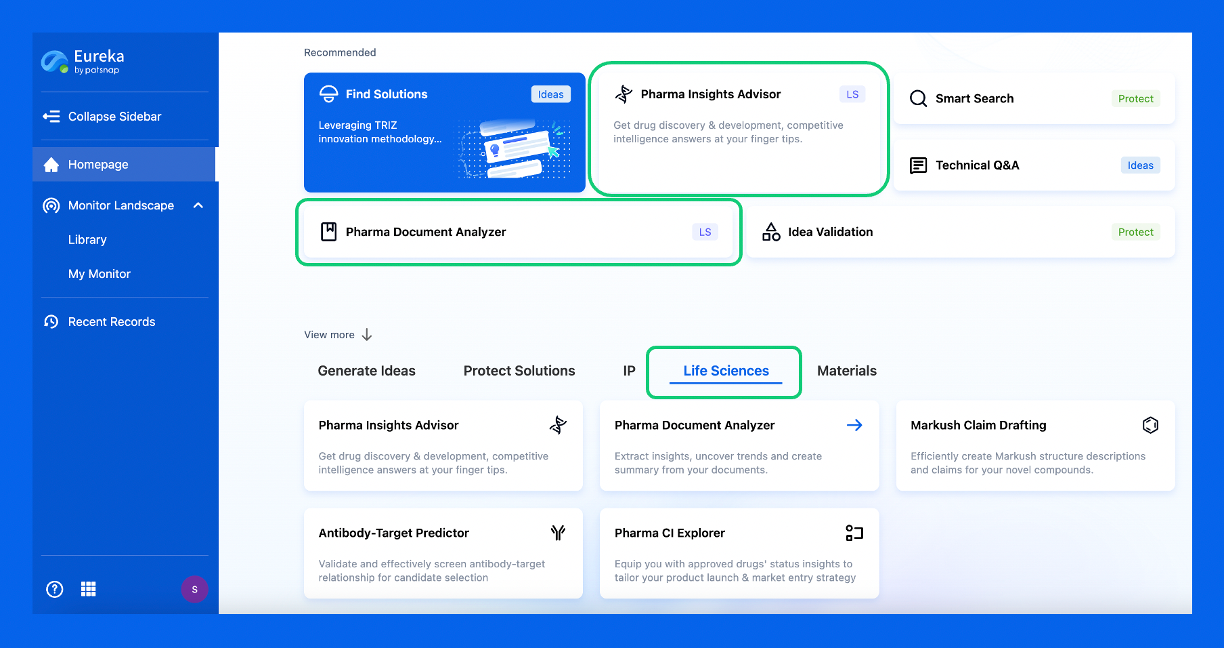
AI Agents Built for Biopharma Breakthroughs
Accelerate discovery. Empower decisions. Transform outcomes.
Get started for free today!
Accelerate Strategic R&D decision making with Synapse, PatSnap’s AI-powered Connected Innovation Intelligence Platform Built for Life Sciences Professionals.
Start your data trial now!
Synapse data is also accessible to external entities via APIs or data packages. Empower better decisions with the latest in pharmaceutical intelligence.