Request Demo
What are the primary areas of focus for Galera Therapeutics?
20 March 2025
Overview of Galera TherapeuticsCompanyny Background and Mission
Galera Therapeutics is a clinical-stage biopharmaceutical company with a well-defined mission: to transform the use of radiotherapy in cancer treatment by developing novel, proprietary therapeutics. Founded in 2009 and headquartered in Malvern, Pennsylvania, the company was established with the vision to improve patient outcomes by both preventing and treating radiotherapy-induced toxicities while enhancing the overall efficacy of radiotherapy in oncology. The company’s mission emphasizes not only the innovation in therapeutic agents but also a patient-centric approach that addresses the unmet clinical needs associated with common side effects from standard cancer treatments. Galera’s primary focus is to leverage innovative chemistry and advanced clinical research to target oxygen metabolic pathways—a strategy that underpins the development of their dismutase mimetic agents.
Galera’s foundational goal is to safeguard normal tissues during the administration of radiotherapy by neutralizing harmful free radicals, specifically superoxide, which is generated during treatment. By mitigating these effects, the company aims to prevent severe side effects such as oral mucositis and esophagitis commonly observed in patients undergoing radiation therapy for cancers like head and neck cancer and lung cancer. This clear therapeutic purpose reflects the company’s commitment to shifting the paradigm of radiotherapy from a solely destructive modality to one that is supportive—protecting healthy tissue while simultaneously targeting cancer cells.
Key Milestones and Achievements
Galera Therapeutics has achieved several critical milestones that highlight its innovative approach and clinical progress. Key accomplishments include the development and clinical evaluation of its lead product candidate, avasopasem manganese (GC4419), which has shown promising results in Phase 2b clinical trials by significantly reducing the incidence and duration of severe oral mucositis in head and neck cancer patients. The FDA has recognized the potential of avasopasem by granting Fast Track and Breakthrough Therapy designations, an acknowledgment of its importance in addressing a critical need in cancer care.
In addition to avasopasem, the company has progressed its second product candidate, rucosopasem manganese (GC4711), which is being evaluated for its ability to augment the anticancer efficacy of stereotactic body radiation therapy (SBRT) in non‐small cell lung cancer (NSCLC) and locally advanced pancreatic cancer (LAPC). The achievement of orphan drug designation for rucosopasem underscores the company’s commitment to finding solutions for rare and challenging oncological conditions.
Further strategic milestones include the company’s proactive financial and operational initiatives. For instance, the adoption of a limited duration stockholder rights agreement in May 2024 demonstrates its commitment to protecting stockholder investments while strategically considering potential mergers, asset sales, or licensing arrangements—all steps that underscore its long-term strategic planning. These milestones not only highlight Galera’s scientific advances but also reflect its strategic readiness to navigate the increasingly complex environment of oncology therapeutics.
Therapeutic Focus Areas
Oncology Applications
At the core of Galera Therapeutics’ approach is oncology. The company targets several cancer types by focusing on radiotherapy-related side effects and augmenting the efficacy of radiotherapy itself. In oncology, the challenges of effectively killing tumor cells without causing excessive damage to surrounding normal tissues remain paramount. Galera’s therapeutics are thus designed to protect normal tissues from the harmful effects of radiotherapy while preserving, or even enhancing, the anticancer activity of the treatment.
The oncology applications of Galera’s products are anchored in the modulation of reactive oxygen species and the management of oxidative stress. For instance, avasopasem manganese (GC4419) acts as a highly selective small molecule superoxide dismutase mimetic that quickly converts superoxide into hydrogen peroxide and oxygen. This enzymatic mimicry is vital because it helps reduce inflammation and tissue damage during radiotherapy, thereby converting a traditionally harmful process into one that can be better tolerated by patients.
Furthermore, the development pipeline shows a dual focus in oncology: first, by reducing adverse effects—allowing for radiotherapy to be delivered more effectively—and second, by directly augmenting the therapeutic response itself. By combining radiotherapy with their dismutase mimetics, Galera aims to not only reduce collateral damage (for example, severe oral mucositis in head and neck cancer) but also to potentially increase tumor control in cancers like NSCLC and LAPC. This integrated approach positions the company not merely as a supportive care provider but as a next-generation oncology innovator committed to enhancing overall survival and quality of life for patients.
Radiotherapy-related Treatments
Galera Therapeutics has carved out a niche in the arena of radiotherapy-related treatments. The stress of radiotherapy often results in significant toxicities—acute and chronic—that limit the full therapeutic potential of this treatment modality. Galera’s research and development strategy is specialized in designing and delivering therapies that either prevent or mitigate these adverse effects.
Avasopasem manganese (GC4419) is the flagship candidate in this domain, primarily targeting radiotherapy-induced severe oral mucositis (SOM) in head and neck cancer patients. Clinical studies, including the pivotal Phase 3 ROMAN trial and its supporting meta-analyses, have provided evidence that treatment with avasopasem manganese can substantially lower the incidence of severe mucositis, reduce cisplatin-related toxicities, and improve overall patient outcomes. The reduction of such debilitating side effects not only improves patients’ quality of life but also allows clinicians to potentially escalate radiotherapy doses where needed, thus improving cancer control.
Additionally, the company’s evaluation of rucosopasem manganese (GC4711) further extends its commitment to improving radiotherapy outcomes. Rucosopasem is being developed to enhance the anticancer effects of stereotactic body radiation therapy (SBRT) in patients with NSCLC and locally advanced pancreatic cancer. The integration of these therapies with radiotherapy holds promise for reducing the toxic side effects while potentially extending survival by enabling more aggressive or effective radiation protocols. This dual-action approach—mitigating toxicity while enhancing radiosensitivity—illustrates Galera’s comprehensive strategy in revolutionizing the standard care for patients undergoing radiotherapy.
Research and Development Pipeline
Current Pipeline Products
Galera’s pipeline is a reflection of its commitment to transforming radiotherapy outcomes. The current pipeline includes two primary product candidates:
- Avasopasem manganese (GC4419): This dismutase mimetic is designed to rapidly neutralize superoxide generated during radiotherapy, thereby mitigating the incidence and severity of oral mucositis in patients undergoing treatment for head and neck cancer. The clinical data show promising improvements in mitigating radiation-induced toxicities, and the drug has received regulatory designations such as Fast Track and Breakthrough Therapy by the FDA owing to its potential benefit.
- Rucosopasem manganese (GC4711): This second candidate in the pipeline is under evaluation for its capacity to augment the anticancer efficacy of SBRT in patients with NSCLC and LAPC. Its development is particularly noteworthy in that it is being assessed in late-stage clinical trials, including randomized, double-blind, placebo-controlled studies, to determine its capacity to improve tumor control and survival outcomes.
In addition to these major assets, there is ongoing exploration across other dismutase mimetics and combinations with radiotherapy in various advanced malignancies, ensuring that the pipeline remains dynamic and robust. Each asset is geared towards addressing a clear unmet clinical need in oncology, with a special emphasis on reducing the collateral damage of radiotherapy and enhancing therapeutic efficacy.
Clinical Trial Phases and Results
Galera’s robust clinical development efforts are characterized by a series of well-structured trials across multiple phases:
- Phase 2b and Phase 3 Trials for Avasopasem: Early clinical trials have demonstrated that avasopasem manganese can significantly reduce the incidence and duration of severe oral mucositis in head and neck cancer patients receiving radiotherapy. The ROMAN Phase 3 trial, in particular, provided long-term data that reinforced the utility of avasopasem in reducing cisplatin-induced toxicities and improving surgical outcomes, such as reducing chronic kidney disease and maintaining tumor outcomes. Further, the meta-analysis of the Phase 2b trials substantiates the efficacy across multiple studies, strengthening the case for regulatory approval.
- Phase 1/2 and Phase 2b Trials for Rucosopasem: The ongoing clinical assessment of rucosopasem manganese involves its use as an adjunct to SBRT in patients with NSCLC and LAPC. Early-stage studies have shown promising signals that rucosopasem may enhance the anti-cancer efficacy of SBRT without compromising tolerability. The trials are designed to establish not only the safety profile of the drug but also its potential to significantly alter survival outcomes when used in combination with powerful radiotherapy techniques.
These clinical trial phases are meticulously designed to capture both safety and efficacy endpoints, ensuring that Galera’s products meet the stringent criteria necessary for approval by regulatory bodies such as the FDA. The comprehensive data from these trials contribute heavily to the company’s strategic clinical development plans, spurring additional research into potential combinations and expanded indications.
Strategic Partnerships and Collaborations
Key Collaborations
Galera Therapeutics has strategically partnered with various stakeholders to bolster its research and developmental footprint. These collaborations are essential for accelerating the development timelines, obtaining critical insights, and sharing risk associated with clinical development. One key collaboration is with financial and strategic advisory partners (e.g., Stifel, Nicolaus & Company, Inc.) to explore potential strategic alternatives such as mergers, asset sales, and licensing arrangements. Such collaborative strategies not only facilitate financial stability but also enhance research capabilities by leveraging external expertise.
In addition to financial and strategic partnerships, Galera has built a network of research collaborations that span academic institutions and industry partners. These collaborations have allowed the company to integrate the latest advances in understanding oxygen metabolic pathways and to harness the power of translational research. Moreover, these partnerships have provided crucial resources in terms of trial sites, patient recruitment, and data management, thus strengthening the reliability and validity of the clinical outcomes.
Impact on Research and Development
The impact of these collaborations on Galera’s R&D pipeline is significant. By establishing strong alliances, the company has been able to:
- Accelerate Clinical Research: Strategic collaborations have allowed Galera to expedite patient enrollment and optimize trial designs. With the involvement of experienced clinical research organizations and academic centers, the clinical trial execution and data analysis have become more robust and reliable.
- Enhance Product Development: Collaborative research has enabled the iterative improvement of therapeutic candidates, with rapid feedback loops between preclinical research and clinical evaluation. New insights gained from these partnerships help tailor dosing strategies, identify potential biomarkers of efficacy, and adjust trial designs for optimal outcomes.
- Strengthen Strategic Positioning: Through partnerships with financial and strategic investors, Galera has been able to secure additional funding that extends its cash runway and positions the company for a significant leap forward in clinical development and potential commercialization.
These partnerships, drawn from both the biotech and financial sectors, enable Galera Therapeutics to innovate continuously while maintaining a healthy balance between risk management and rapid clinical advancement.
Future Directions and Innovations
Emerging Research Areas
Looking ahead, Galera Therapeutics continues to explore and prioritize emerging research areas that could further broaden its impact on radiotherapy in oncology. One prominent area of focus is the investigation of additional dismutase mimetics and potential combination therapies that may synergize with the existing radiotherapy protocols. There is growing evidence that targeting tumor oxidative stress and reactive oxygen species can serve multiple roles—not only in reducing toxicity but also in directly influencing tumor cell survival. Future research could explore combinations with immunotherapies or targeted therapies to further enhance radiotherapy’s anticancer activity.
Another innovative area is the study of biomarkers that predict patient response to dismutase mimetic therapies. By integrating diagnostic tools and advanced imaging techniques, future clinical investigations may be able to stratify patients for tailored therapeutic regimens, allowing for precision medicine approaches that optimize therapeutic outcomes while minimizing adverse effects. This approach emanates from the broader trend in oncology to use personalized medicine protocols that intertwine advanced diagnostics with treatment decisions.
Additionally, further research on the biological pathways that govern the cellular responses to oxidative stress and irradiation may provide novel targets for future drug development. Potential research directions include investigating the modulation of tumor microenvironment factors, angiogenesis, and inflammatory cascades, all of which are intricately linked to the success of radiotherapy. These emerging areas are likely to pave the way for the next generation of therapeutic candidates that build on the successes of avasopasem and rucosopasem, further broadening the scope and clinical utility of Galera’s pipeline.
Long-term Strategic Goals
In the long term, Galera Therapeutics is committed to remaining at the forefront of transforming radiotherapy into a modality that is not only effective against tumors but also minimizes harm to normal tissues. The company’s long-term strategic goals include:
- Broadening Indications: While the current focus is on head and neck cancer and lung/pancreatic cancers in the context of radiotherapy-induced toxicities, future studies may broaden the scope of indications. This could include exploring other cancers where radiotherapy plays a significant role and where mitigating side effects could have a large clinical impact.
- Enhancing Combination Therapy Strategies: A major strategic goal involves integrating their therapeutic agents with other treatment modalities, such as immunotherapies, targeted therapies, and chemotherapies. By developing combination regimens that exploit synergistic mechanisms, Galera aims to enhance overall treatment efficacy while ensuring a tolerable safety profile for patients.
- Expanding the Clinical Pipeline: The company is focused on advancing its existing pipeline candidates through later phase trials and seeking additional assets through licensing or acquisition. This expansion strategy ensures a diversified portfolio that can withstand the rigors of regulatory challenges while appealing to investors and partners.
- Strengthening Global Partnerships: With a view toward future growth, Galera places significant emphasis on forging new partnerships, both in research and in the strategic financial arena. These collaborations are envisioned to help scale operations, access new technologies, and provide additional clinical resources. By aligning with global leaders in oncology and radiotherapy, Galera aims to enhance its competitive advantage and ensure that its solutions reach patients worldwide.
- Pioneering Personalized Radiotherapy Approaches: Integrating precision medicine into radiotherapy remains a key objective for the long term. This involves the development of predictive biomarkers, adaptive clinical trial designs, and advanced diagnostic imaging to ensure that therapy is tailored to the individual patient’s tumor biology and treatment response.
The company’s long-term plans are bolstered by its continuous investment in research and development, its robust clinical trial programs, and its strategic partnerships that collectively position it as a leader in transforming radiotherapy for cancer patients.
General-specific-general structure summary:
At a general level, Galera Therapeutics’ primary focus is on transforming the paradigm of radiotherapy in oncology by developing innovative therapeutics that protect normal tissues and potentially enhance tumor response during radiotherapy. More specifically, the company targets two main areas: oncology applications and radiotherapy-related treatments. In oncology, it focuses on mitigating the side effects of radiotherapy—such as severe oral mucositis and esophagitis—while simultaneously seeking to improve the overall efficacy of radiation treatments via novel dismutase mimetics like avasopasem manganese (GC4419) and rucosopasem manganese (GC4711). The research and development pipeline is robust and multi-phased, with positive clinical results that are paving the way for broader therapeutic indications and combination therapies with advanced modalities such as SBRT. Strategic partnerships and collaborations further amplify these efforts by enabling the acceleration of clinical trials and enhancing innovative outputs through combined expertise. Finally, emerging research areas and long-term strategic goals are aligned with a vision to deliver personalized, targeted radiotherapy that not only minimizes adverse effects but also maximizes anti-cancer efficacy, ensuring that Galera Therapeutics remains at the forefront of transforming cancer treatment for the future.
Conclusion:
Galera Therapeutics has clearly delineated primary areas of focus that encompass the development of oncology applications centered on radiotherapy-induced toxicities and the enhancement of radiotherapy’s anticancer effects. Through detailed investment in a robust clinical pipeline featuring key assets like avasopasem manganese (GC4419) and rucosopasem manganese (GC4711), the company is methodically addressing critical unmet needs in head and neck cancer, non‐small cell lung cancer, and locally advanced pancreatic cancer. Strategic partnerships have further bolstered its research and development initiatives, enabling accelerated clinical trials and enhanced product development. Importantly, the company’s forward-looking strategy, which emphasizes emerging research areas such as precision oncology and combination therapies, positions Galera to not only advance its current pipeline but also to set a new standard in radiotherapy-associated treatments. Overall, Galera Therapeutics’ multi-pronged approach—spanning robust clinical research, innovative therapeutic design, strategic collaborations, and a clear long-term vision—underscores its commitment to delivering transformative cancer therapies that improve patient outcomes while minimizing the detrimental side effects of radiotherapy.
Galera Therapeutics is a clinical-stage biopharmaceutical company with a well-defined mission: to transform the use of radiotherapy in cancer treatment by developing novel, proprietary therapeutics. Founded in 2009 and headquartered in Malvern, Pennsylvania, the company was established with the vision to improve patient outcomes by both preventing and treating radiotherapy-induced toxicities while enhancing the overall efficacy of radiotherapy in oncology. The company’s mission emphasizes not only the innovation in therapeutic agents but also a patient-centric approach that addresses the unmet clinical needs associated with common side effects from standard cancer treatments. Galera’s primary focus is to leverage innovative chemistry and advanced clinical research to target oxygen metabolic pathways—a strategy that underpins the development of their dismutase mimetic agents.
Galera’s foundational goal is to safeguard normal tissues during the administration of radiotherapy by neutralizing harmful free radicals, specifically superoxide, which is generated during treatment. By mitigating these effects, the company aims to prevent severe side effects such as oral mucositis and esophagitis commonly observed in patients undergoing radiation therapy for cancers like head and neck cancer and lung cancer. This clear therapeutic purpose reflects the company’s commitment to shifting the paradigm of radiotherapy from a solely destructive modality to one that is supportive—protecting healthy tissue while simultaneously targeting cancer cells.
Key Milestones and Achievements
Galera Therapeutics has achieved several critical milestones that highlight its innovative approach and clinical progress. Key accomplishments include the development and clinical evaluation of its lead product candidate, avasopasem manganese (GC4419), which has shown promising results in Phase 2b clinical trials by significantly reducing the incidence and duration of severe oral mucositis in head and neck cancer patients. The FDA has recognized the potential of avasopasem by granting Fast Track and Breakthrough Therapy designations, an acknowledgment of its importance in addressing a critical need in cancer care.
In addition to avasopasem, the company has progressed its second product candidate, rucosopasem manganese (GC4711), which is being evaluated for its ability to augment the anticancer efficacy of stereotactic body radiation therapy (SBRT) in non‐small cell lung cancer (NSCLC) and locally advanced pancreatic cancer (LAPC). The achievement of orphan drug designation for rucosopasem underscores the company’s commitment to finding solutions for rare and challenging oncological conditions.
Further strategic milestones include the company’s proactive financial and operational initiatives. For instance, the adoption of a limited duration stockholder rights agreement in May 2024 demonstrates its commitment to protecting stockholder investments while strategically considering potential mergers, asset sales, or licensing arrangements—all steps that underscore its long-term strategic planning. These milestones not only highlight Galera’s scientific advances but also reflect its strategic readiness to navigate the increasingly complex environment of oncology therapeutics.
Therapeutic Focus Areas
Oncology Applications
At the core of Galera Therapeutics’ approach is oncology. The company targets several cancer types by focusing on radiotherapy-related side effects and augmenting the efficacy of radiotherapy itself. In oncology, the challenges of effectively killing tumor cells without causing excessive damage to surrounding normal tissues remain paramount. Galera’s therapeutics are thus designed to protect normal tissues from the harmful effects of radiotherapy while preserving, or even enhancing, the anticancer activity of the treatment.
The oncology applications of Galera’s products are anchored in the modulation of reactive oxygen species and the management of oxidative stress. For instance, avasopasem manganese (GC4419) acts as a highly selective small molecule superoxide dismutase mimetic that quickly converts superoxide into hydrogen peroxide and oxygen. This enzymatic mimicry is vital because it helps reduce inflammation and tissue damage during radiotherapy, thereby converting a traditionally harmful process into one that can be better tolerated by patients.
Furthermore, the development pipeline shows a dual focus in oncology: first, by reducing adverse effects—allowing for radiotherapy to be delivered more effectively—and second, by directly augmenting the therapeutic response itself. By combining radiotherapy with their dismutase mimetics, Galera aims to not only reduce collateral damage (for example, severe oral mucositis in head and neck cancer) but also to potentially increase tumor control in cancers like NSCLC and LAPC. This integrated approach positions the company not merely as a supportive care provider but as a next-generation oncology innovator committed to enhancing overall survival and quality of life for patients.
Radiotherapy-related Treatments
Galera Therapeutics has carved out a niche in the arena of radiotherapy-related treatments. The stress of radiotherapy often results in significant toxicities—acute and chronic—that limit the full therapeutic potential of this treatment modality. Galera’s research and development strategy is specialized in designing and delivering therapies that either prevent or mitigate these adverse effects.
Avasopasem manganese (GC4419) is the flagship candidate in this domain, primarily targeting radiotherapy-induced severe oral mucositis (SOM) in head and neck cancer patients. Clinical studies, including the pivotal Phase 3 ROMAN trial and its supporting meta-analyses, have provided evidence that treatment with avasopasem manganese can substantially lower the incidence of severe mucositis, reduce cisplatin-related toxicities, and improve overall patient outcomes. The reduction of such debilitating side effects not only improves patients’ quality of life but also allows clinicians to potentially escalate radiotherapy doses where needed, thus improving cancer control.
Additionally, the company’s evaluation of rucosopasem manganese (GC4711) further extends its commitment to improving radiotherapy outcomes. Rucosopasem is being developed to enhance the anticancer effects of stereotactic body radiation therapy (SBRT) in patients with NSCLC and locally advanced pancreatic cancer. The integration of these therapies with radiotherapy holds promise for reducing the toxic side effects while potentially extending survival by enabling more aggressive or effective radiation protocols. This dual-action approach—mitigating toxicity while enhancing radiosensitivity—illustrates Galera’s comprehensive strategy in revolutionizing the standard care for patients undergoing radiotherapy.
Research and Development Pipeline
Current Pipeline Products
Galera’s pipeline is a reflection of its commitment to transforming radiotherapy outcomes. The current pipeline includes two primary product candidates:
- Avasopasem manganese (GC4419): This dismutase mimetic is designed to rapidly neutralize superoxide generated during radiotherapy, thereby mitigating the incidence and severity of oral mucositis in patients undergoing treatment for head and neck cancer. The clinical data show promising improvements in mitigating radiation-induced toxicities, and the drug has received regulatory designations such as Fast Track and Breakthrough Therapy by the FDA owing to its potential benefit.
- Rucosopasem manganese (GC4711): This second candidate in the pipeline is under evaluation for its capacity to augment the anticancer efficacy of SBRT in patients with NSCLC and LAPC. Its development is particularly noteworthy in that it is being assessed in late-stage clinical trials, including randomized, double-blind, placebo-controlled studies, to determine its capacity to improve tumor control and survival outcomes.
In addition to these major assets, there is ongoing exploration across other dismutase mimetics and combinations with radiotherapy in various advanced malignancies, ensuring that the pipeline remains dynamic and robust. Each asset is geared towards addressing a clear unmet clinical need in oncology, with a special emphasis on reducing the collateral damage of radiotherapy and enhancing therapeutic efficacy.
Clinical Trial Phases and Results
Galera’s robust clinical development efforts are characterized by a series of well-structured trials across multiple phases:
- Phase 2b and Phase 3 Trials for Avasopasem: Early clinical trials have demonstrated that avasopasem manganese can significantly reduce the incidence and duration of severe oral mucositis in head and neck cancer patients receiving radiotherapy. The ROMAN Phase 3 trial, in particular, provided long-term data that reinforced the utility of avasopasem in reducing cisplatin-induced toxicities and improving surgical outcomes, such as reducing chronic kidney disease and maintaining tumor outcomes. Further, the meta-analysis of the Phase 2b trials substantiates the efficacy across multiple studies, strengthening the case for regulatory approval.
- Phase 1/2 and Phase 2b Trials for Rucosopasem: The ongoing clinical assessment of rucosopasem manganese involves its use as an adjunct to SBRT in patients with NSCLC and LAPC. Early-stage studies have shown promising signals that rucosopasem may enhance the anti-cancer efficacy of SBRT without compromising tolerability. The trials are designed to establish not only the safety profile of the drug but also its potential to significantly alter survival outcomes when used in combination with powerful radiotherapy techniques.
These clinical trial phases are meticulously designed to capture both safety and efficacy endpoints, ensuring that Galera’s products meet the stringent criteria necessary for approval by regulatory bodies such as the FDA. The comprehensive data from these trials contribute heavily to the company’s strategic clinical development plans, spurring additional research into potential combinations and expanded indications.
Strategic Partnerships and Collaborations
Key Collaborations
Galera Therapeutics has strategically partnered with various stakeholders to bolster its research and developmental footprint. These collaborations are essential for accelerating the development timelines, obtaining critical insights, and sharing risk associated with clinical development. One key collaboration is with financial and strategic advisory partners (e.g., Stifel, Nicolaus & Company, Inc.) to explore potential strategic alternatives such as mergers, asset sales, and licensing arrangements. Such collaborative strategies not only facilitate financial stability but also enhance research capabilities by leveraging external expertise.
In addition to financial and strategic partnerships, Galera has built a network of research collaborations that span academic institutions and industry partners. These collaborations have allowed the company to integrate the latest advances in understanding oxygen metabolic pathways and to harness the power of translational research. Moreover, these partnerships have provided crucial resources in terms of trial sites, patient recruitment, and data management, thus strengthening the reliability and validity of the clinical outcomes.
Impact on Research and Development
The impact of these collaborations on Galera’s R&D pipeline is significant. By establishing strong alliances, the company has been able to:
- Accelerate Clinical Research: Strategic collaborations have allowed Galera to expedite patient enrollment and optimize trial designs. With the involvement of experienced clinical research organizations and academic centers, the clinical trial execution and data analysis have become more robust and reliable.
- Enhance Product Development: Collaborative research has enabled the iterative improvement of therapeutic candidates, with rapid feedback loops between preclinical research and clinical evaluation. New insights gained from these partnerships help tailor dosing strategies, identify potential biomarkers of efficacy, and adjust trial designs for optimal outcomes.
- Strengthen Strategic Positioning: Through partnerships with financial and strategic investors, Galera has been able to secure additional funding that extends its cash runway and positions the company for a significant leap forward in clinical development and potential commercialization.
These partnerships, drawn from both the biotech and financial sectors, enable Galera Therapeutics to innovate continuously while maintaining a healthy balance between risk management and rapid clinical advancement.
Future Directions and Innovations
Emerging Research Areas
Looking ahead, Galera Therapeutics continues to explore and prioritize emerging research areas that could further broaden its impact on radiotherapy in oncology. One prominent area of focus is the investigation of additional dismutase mimetics and potential combination therapies that may synergize with the existing radiotherapy protocols. There is growing evidence that targeting tumor oxidative stress and reactive oxygen species can serve multiple roles—not only in reducing toxicity but also in directly influencing tumor cell survival. Future research could explore combinations with immunotherapies or targeted therapies to further enhance radiotherapy’s anticancer activity.
Another innovative area is the study of biomarkers that predict patient response to dismutase mimetic therapies. By integrating diagnostic tools and advanced imaging techniques, future clinical investigations may be able to stratify patients for tailored therapeutic regimens, allowing for precision medicine approaches that optimize therapeutic outcomes while minimizing adverse effects. This approach emanates from the broader trend in oncology to use personalized medicine protocols that intertwine advanced diagnostics with treatment decisions.
Additionally, further research on the biological pathways that govern the cellular responses to oxidative stress and irradiation may provide novel targets for future drug development. Potential research directions include investigating the modulation of tumor microenvironment factors, angiogenesis, and inflammatory cascades, all of which are intricately linked to the success of radiotherapy. These emerging areas are likely to pave the way for the next generation of therapeutic candidates that build on the successes of avasopasem and rucosopasem, further broadening the scope and clinical utility of Galera’s pipeline.
Long-term Strategic Goals
In the long term, Galera Therapeutics is committed to remaining at the forefront of transforming radiotherapy into a modality that is not only effective against tumors but also minimizes harm to normal tissues. The company’s long-term strategic goals include:
- Broadening Indications: While the current focus is on head and neck cancer and lung/pancreatic cancers in the context of radiotherapy-induced toxicities, future studies may broaden the scope of indications. This could include exploring other cancers where radiotherapy plays a significant role and where mitigating side effects could have a large clinical impact.
- Enhancing Combination Therapy Strategies: A major strategic goal involves integrating their therapeutic agents with other treatment modalities, such as immunotherapies, targeted therapies, and chemotherapies. By developing combination regimens that exploit synergistic mechanisms, Galera aims to enhance overall treatment efficacy while ensuring a tolerable safety profile for patients.
- Expanding the Clinical Pipeline: The company is focused on advancing its existing pipeline candidates through later phase trials and seeking additional assets through licensing or acquisition. This expansion strategy ensures a diversified portfolio that can withstand the rigors of regulatory challenges while appealing to investors and partners.
- Strengthening Global Partnerships: With a view toward future growth, Galera places significant emphasis on forging new partnerships, both in research and in the strategic financial arena. These collaborations are envisioned to help scale operations, access new technologies, and provide additional clinical resources. By aligning with global leaders in oncology and radiotherapy, Galera aims to enhance its competitive advantage and ensure that its solutions reach patients worldwide.
- Pioneering Personalized Radiotherapy Approaches: Integrating precision medicine into radiotherapy remains a key objective for the long term. This involves the development of predictive biomarkers, adaptive clinical trial designs, and advanced diagnostic imaging to ensure that therapy is tailored to the individual patient’s tumor biology and treatment response.
The company’s long-term plans are bolstered by its continuous investment in research and development, its robust clinical trial programs, and its strategic partnerships that collectively position it as a leader in transforming radiotherapy for cancer patients.
General-specific-general structure summary:
At a general level, Galera Therapeutics’ primary focus is on transforming the paradigm of radiotherapy in oncology by developing innovative therapeutics that protect normal tissues and potentially enhance tumor response during radiotherapy. More specifically, the company targets two main areas: oncology applications and radiotherapy-related treatments. In oncology, it focuses on mitigating the side effects of radiotherapy—such as severe oral mucositis and esophagitis—while simultaneously seeking to improve the overall efficacy of radiation treatments via novel dismutase mimetics like avasopasem manganese (GC4419) and rucosopasem manganese (GC4711). The research and development pipeline is robust and multi-phased, with positive clinical results that are paving the way for broader therapeutic indications and combination therapies with advanced modalities such as SBRT. Strategic partnerships and collaborations further amplify these efforts by enabling the acceleration of clinical trials and enhancing innovative outputs through combined expertise. Finally, emerging research areas and long-term strategic goals are aligned with a vision to deliver personalized, targeted radiotherapy that not only minimizes adverse effects but also maximizes anti-cancer efficacy, ensuring that Galera Therapeutics remains at the forefront of transforming cancer treatment for the future.
Conclusion:
Galera Therapeutics has clearly delineated primary areas of focus that encompass the development of oncology applications centered on radiotherapy-induced toxicities and the enhancement of radiotherapy’s anticancer effects. Through detailed investment in a robust clinical pipeline featuring key assets like avasopasem manganese (GC4419) and rucosopasem manganese (GC4711), the company is methodically addressing critical unmet needs in head and neck cancer, non‐small cell lung cancer, and locally advanced pancreatic cancer. Strategic partnerships have further bolstered its research and development initiatives, enabling accelerated clinical trials and enhanced product development. Importantly, the company’s forward-looking strategy, which emphasizes emerging research areas such as precision oncology and combination therapies, positions Galera to not only advance its current pipeline but also to set a new standard in radiotherapy-associated treatments. Overall, Galera Therapeutics’ multi-pronged approach—spanning robust clinical research, innovative therapeutic design, strategic collaborations, and a clear long-term vision—underscores its commitment to delivering transformative cancer therapies that improve patient outcomes while minimizing the detrimental side effects of radiotherapy.
Discover Eureka LS: AI Agents Built for Biopharma Efficiency
Stop wasting time on biopharma busywork. Meet Eureka LS - your AI agent squad for drug discovery.
▶ See how 50+ research teams saved 300+ hours/month
From reducing screening time to simplifying Markush drafting, our AI Agents are ready to deliver immediate value. Explore Eureka LS today and unlock powerful capabilities that help you innovate with confidence.
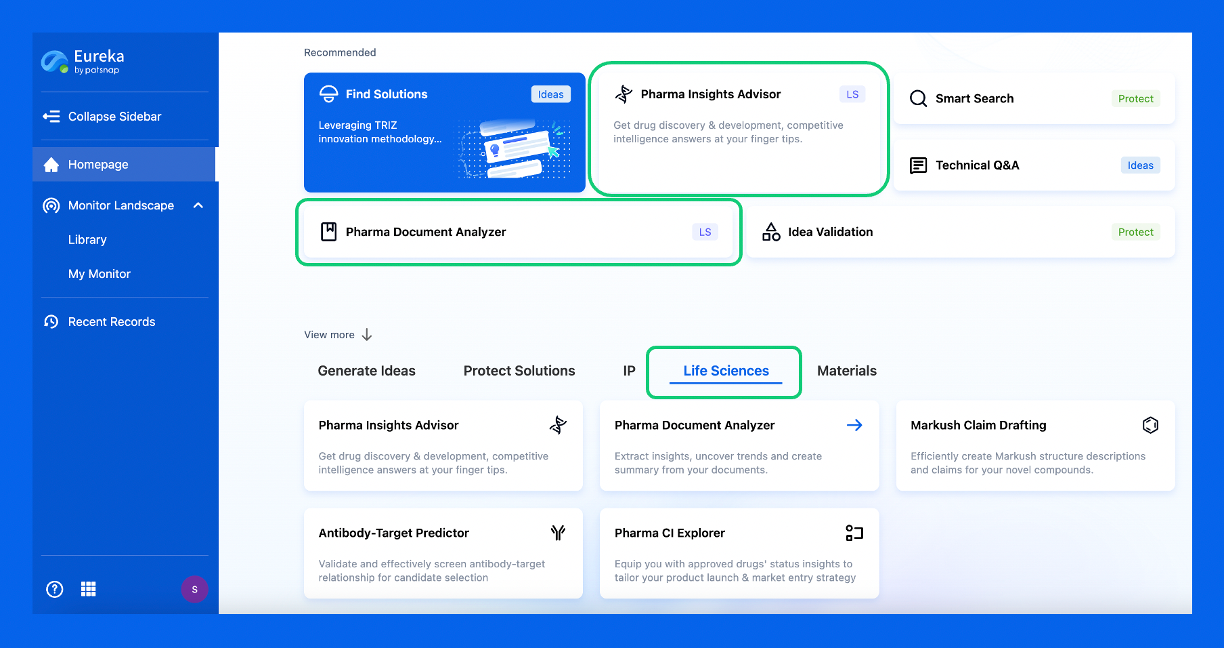
AI Agents Built for Biopharma Breakthroughs
Accelerate discovery. Empower decisions. Transform outcomes.
Get started for free today!
Accelerate Strategic R&D decision making with Synapse, PatSnap’s AI-powered Connected Innovation Intelligence Platform Built for Life Sciences Professionals.
Start your data trial now!
Synapse data is also accessible to external entities via APIs or data packages. Empower better decisions with the latest in pharmaceutical intelligence.