Request Demo
What are the therapeutic applications for ASK1 inhibitors?
11 March 2025
Introduction to ASK1 and Its Role in Disease
ASK1, also known as apoptosis signal-regulating kinase 1, is a member of the mitogen-activated protein kinase kinase kinase (MAP3K) family that acts as an upstream regulator for both the c-Jun N-terminal kinase (JNK) and p38 MAPK pathways. This kinase is activated in response to numerous types of cellular stress including reactive oxygen species (ROS), endoplasmic reticulum (ER) stress, and inflammatory cytokines. Upon activation, ASK1 initiates cascades that ultimately promote apoptosis, inflammation, and fibrotic responses. In the context of pathological conditions, ASK1’s heightened activity has been linked to the progression of several diseases such as cardiovascular dysfunction, liver injury, neurodegenerative disorders, and even certain cancers. These associations have made ASK1 an attractive therapeutic target, thereby driving the development of specific inhibitors designed to modulate its activity and downstream signaling.
ASK1: Definition and Mechanism of Action
ASK1 is defined as a stress-responsive kinase that links upstream stress signals to activation of downstream effector kinases in the MAPK signaling cascades. Molecularly, ASK1 is kept inactive under homeostatic conditions by its association with inhibitory proteins like thioredoxin, and it becomes active when these inhibitory interactions are disrupted, for instance by the oxidation associated with elevated ROS levels. Upon activation, ASK1 phosphorylates and activates MAP kinase kinases (MKK3/6 and MKK4/7) which in turn activate p38 and JNK, respectively. This cascade is crucial for transmitting stress-induced signals that decide cell fate, with outcomes ranging from protective survival responses to programmed cell death depending on the intensity and context of the stimulus.
Role of ASK1 in Pathological Processes
ASK1 plays a multifaceted role in various pathological processes. It is central to the oxidative stress response and is implicated in the amplification of inflammatory pathways. In chronic diseases, ASK1-mediated signaling has been observed to contribute to tissue damage, fibrosis, and cell death. For example, in the liver, ASK1 inhibition has been shown to reduce hepatocyte apoptosis, inflammation, and fibrotic processes that lead to chronic liver diseases including alcoholic hepatitis and non-alcoholic steatohepatitis (NASH). In the cardiovascular system, ASK1 is involved in remodeling processes induced by hypertension and ischemia-reperfusion injury, contributing to the progression of heart failure and vascular dysfunction. In neurodegenerative diseases, aberrant activation of ASK1 is linked to ER stress and the apoptotic loss of neuronal cells, thereby participating in the pathology of Alzheimer’s disease, Huntington’s disease, and amyotrophic lateral sclerosis (ALS). Owing to its central role in these stress-related responses, ASK1 stands as a convergence point in the signaling networks that drive inflammation, apoptosis, and fibrosis across multiple organ systems, thus positioning it as a critical effector in many chronic conditions.
ASK1 Inhibitors
ASK1 inhibitors are a diverse group of agents, mainly small molecule drugs, designed to target and either directly or allosterically inhibit the kinase activity of ASK1. These inhibitors typically block the activation of downstream MAPK pathways, thereby reducing inflammation, cellular apoptosis, and fibrotic responses in disease tissues. A range of ASK1 inhibitors have been discovered using approaches that combine high-throughput screening, rational design, and computational modeling.
Overview of ASK1 Inhibitors
Several ASK1 inhibitors have been reported in both preclinical and clinical studies. Early inhibitors were broadly described in patents and research papers as compounds with ASK1 inhibitory activity, whose applications spanned multiple disease models. Notable among these are compounds such as Selonsertib, CS-17919, and SRT-015. Selonsertib, developed by Gilead Sciences, was the first ASK1 inhibitor to reach advanced clinical stages, particularly for treatment indications such as NASH, although later clinical outcomes led to discontinuation in certain indications. Second-generation inhibitors, such as SRT-015 developed by Seal Rock Therapeutics, are designed to overcome the liabilities and safety issues encountered with first-generation compounds. The range of ASK1 inhibitors encompasses agents with varying selectivity and pharmacokinetic profiles; some are highly selective for ASK1, while others exhibit dual inhibitory properties affecting related kinases or interacting proteins. Overall, these compounds have provided a tool to delineate the role of ASK1 in disease and have shown promising results in models of cardiovascular diseases, neurodegeneration, and even oncologic applications.
Mechanisms of ASK1 Inhibition
The mechanisms by which ASK1 inhibitors exert their therapeutic effects involve the suppression of ASK1 autophosphorylation and subsequent blockade of its downstream signaling cascades. By binding to the kinase domain, these inhibitors prevent the conformational changes required for activation. Many ASK1 inhibitors operate by competing with ATP for the binding site in the kinase domain, thus directly inhibiting the catalytic activity of ASK1. Others may stabilize the inactive conformation or enhance the binding of endogenous inhibitory proteins like thioredoxin. The net effect of these actions is a reduction in the phosphorylation of downstream kinases such as MKK3/6 and the subsequent activation of p38 MAPK and JNK. This blockade results in decreased apoptosis, inflammation, and fibrosis, which has significant therapeutic implications in the diseases where these processes are deleterious. Moreover, certain inhibitors also demonstrate a degree of tissue selectivity; for example, SRT-015 has been optimized for liver-preferential distribution, which is crucial for treating liver diseases while minimizing systemic toxicity.
Therapeutic Applications of ASK1 Inhibitors
ASK1 inhibitors are applied in a range of therapeutic contexts due to the ubiquitous role of ASK1 in mediating stress responses across tissue types. Their applications have been explored in cardiovascular, neurodegenerative, and oncologic diseases, among others. The following sections provide a detailed discussion of each therapeutic area and the experimental evidence supporting the use of ASK1 inhibitors.
Cardiovascular Diseases
ASK1 plays a pivotal role in cardiovascular pathophysiology. It is implicated in the remodeling and fibrotic processes that underlie heart failure, myocardial infarction, and arteriosclerosis. Under conditions of oxidative stress—often present in hypertension and ischemic conditions—ASK1 becomes activated, promoting cardiomyocyte apoptosis and vascular smooth muscle cell death. These processes contribute to the development of adverse cardiac remodeling and heart failure. Preclinical studies have demonstrated that genetic deletion or pharmacological inhibition of ASK1 reduces infarct size and improves cardiac function. For example, in mouse models, ASK1 deficiency resulted in a >50% reduction in infarct size after ischemia-reperfusion injury, and ASK1 inhibitors have been observed to attenuate vascular endothelial impairment by preserving nitric oxide synthase (eNOS) activity.
Furthermore, ASK1 inhibition can reduce the formation of fibrotic tissue in the heart and in vascular beds. Fibrosis, resulting from prolonged low-grade inflammation and oxidative stress, is a common feature in diseases such as hypertensive heart disease and chronic kidney disease. By preventing the activation of p38 and JNK pathways, ASK1 inhibitors help limit the deposition of extracellular matrix proteins, thus preserving tissue architecture and function. Clinically, the modulation of ASK1 activity is seen as a promising strategy to attenuate the progression of cardiac and vascular diseases, reduce hypertension-induced remodeling, and even mitigate adverse outcomes after myocardial infarction.
Neurodegenerative Diseases
The central nervous system is particularly vulnerable to oxidative and ER stress, and ASK1 has been shown to play a critical role in mediating neuronal death under these conditions. Neurodegenerative diseases, such as Alzheimer’s disease (AD), Parkinson’s disease (PD), Huntington’s disease (HD), and amyotrophic lateral sclerosis (ALS), are characterized by progressive neuronal loss, often initiated or exacerbated by chronic stress responses. In these conditions, pathological activation of ASK1 contributes to ER stress-induced apoptosis and the activation of cell death pathways via JNK signaling.
For instance, in models of HD, ASK1 inhibition has been shown to reduce ER stress and nuclear translocation of toxic protein fragments, thereby improving motor dysfunction and reducing neuronal loss. Similarly, in ALS models, ASK1 activation correlates with increased neuronal death and motor neuron loss; selective inhibition by compounds such as K811 and K812 extended animal lifespan and improved neurological outcomes. Research indicates that the modulation of ASK1 may also have implications in mitigating the cognitive decline and synaptic dysfunction observed in AD and PD. Thus, ASK1 inhibitors offer a potential therapeutic avenue not only for halting neurodegeneration but also for providing a neuroprotective effect that could slow disease progression in disorders with high unmet medical needs.
Cancer
Cancer therapy has traditionally focused on targeting cell proliferation and survival signaling pathways. Recent studies have implicated ASK1 in various oncogenic processes, including cell cycle regulation, apoptosis, and the tumor microenvironment’s inflammatory milieu. In several cancer models, ASK1 has been shown to contribute to tumor growth and progression by modulating the activity of cyclin D1 and influencing autophagic cell survival pathways. For example, in gastric cancer, an autoregulatory loop between ASK1 and cyclin D1 has been described where ASK1 overexpression leads to increased transcription of cyclin D1, promoting tumorigenesis.
Moreover, ASK1-mediated signaling is involved in the cellular response to chemotherapeutic stress, and its inhibition may sensitize cancer cells to conventional chemotherapy. ASK1 inhibition could have dual benefits in cancer therapy: directly reducing tumor cell survival and indirectly modulating the tumor microenvironment to decrease pro-inflammatory cytokine production, thus impairing tumor progression. Although clinical trials of ASK1 inhibitors in oncology have been limited compared to other indications, preclinical evidence points towards a promising role in selective tumor types, especially where oxidative stress and chronic inflammation drive malignancy.
Research and Development
Preclinical and clinical research into ASK1 inhibitors has evolved substantially over the past decade, driven by the need to address diseases with limited treatment options. Multiple studies have investigated the efficacy, pharmacodynamics, and toxicology of these inhibitors across a range of disease models.
Current Research on ASK1 Inhibitors
Current research on ASK1 inhibitors leverages both in silico and in vitro techniques. Integrated computational approaches involving pharmacophore screening, molecular docking, and protein-ligand interaction analysis have been instrumental in identifying potent ASK1 inhibitors with micromolar to nanomolar IC50 values. Animal models of cardiovascular and neurodegenerative diseases have provided compelling evidence that inhibition of ASK1 not only prevents apoptosis and inflammation but also reverses pathological remodeling in heart and vascular tissues. Furthermore, studies using genetic models (such as ASK1 knockout mice) or pharmacological tools have been crucial in validating ASK1 as a therapeutic target across systems. In oncology, emerging research is exploring the dual role of ASK1 as both a mediator of tumor progression and a modulator of the tumor microenvironment, suggesting that ASK1 inhibitors may be effective in combination regimens.
Clinical Trials and Outcomes
ASK1 inhibitors have already advanced into clinical trials, particularly for diseases where the underlying stress-induced pathways are highly active. Selonsertib, one of the most well-known ASK1 inhibitors, reached Phase 2 and Phase 3 clinical trials primarily for the treatment of NASH and diabetic kidney disease. Although clinical outcomes with selonsertib in NASH were ultimately not as effective as hoped, these trials provided key insights into dosing, safety profiles, and target engagement, which guided subsequent drug development efforts. More recent clinical studies on next-generation compounds like SRT-015 have demonstrated favorable pharmacokinetic profiles, tolerability, and differentiated effects over first-generation inhibitors, particularly in liver diseases such as alcoholic hepatitis. In cardiovascular disease, trials have suggested that ASK1 inhibition may limit myocardial damage post-infarction and prevent cardiac remodeling, while studies in neurodegenerative models indicate that pharmacologically targeting ASK1 can extend survival and ameliorate neurological deficits. Although clinical data are still emerging, the collective outcomes highlight ASK1 inhibitors’ potential across multiple therapeutic domains.
Challenges and Future Prospects
Despite promising preclinical and early clinical results, several challenges remain in the effective development and translation of ASK1 inhibitors into broad clinical use. Addressing these challenges will be key to fully realizing the potential of ASK1-targeted therapies.
Challenges in the Development of ASK1 Inhibitors
One of the main challenges in developing ASK1 inhibitors is ensuring the selectivity of these compounds for ASK1 while minimizing off-target effects. Given the structural similarities within the kinase family, designing molecules that exclusively target ASK1’s active site without interfering with other kinases is a considerable hurdle. Another challenge lies in the pharmacokinetic properties of these compounds. Early ASK1 inhibitors have encountered issues related to safety, cellular toxicity, and unfavorable distribution across tissues, which may hamper their clinical utility. Furthermore, variations in disease models—as well as differences in the pathophysiological roles of ASK1 across tissues—mean that an inhibitor optimized for liver diseases may not be appropriate for application in neurodegenerative or cardiovascular conditions. Variability in patient responses, issues with tissue-specific distribution, and drug-drug interactions also add layers of complexity to clinical development.
Advanced techniques such as structure-based drug design, molecular dynamics simulations, and combinatorial chemistry are being employed to overcome these limitations, but continued research and iterative optimization are required to move new compounds from bench to bedside successfully.
Future Directions in ASK1 Inhibitor Research
Looking forward, several strategies are being proposed to advance ASK1 inhibitor research. First, the development of second-generation inhibitors, such as SRT-015, that overcome the liabilities of earlier compounds is a critical step towards improved efficacy and safety profiles in human subjects. There is significant interest in designing tissue-targeted compounds that preferentially accumulate in diseased organs, which will be especially important in conditions such as liver disease and cardiovascular disorders. Additionally, researchers are exploring the potential of combination therapies where ASK1 inhibitors are used alongside other agents—such as anti-inflammatory drugs, chemotherapeutics, or even immunotherapies—to achieve synergistic effects and overcome compensatory survival pathways in cancer and other diseases.
Another promising area is the integration of biomarker-driven personalized medicine into ASK1 inhibitor trials. By identifying specific patient subsets with elevated ASK1 activity or related biomarkers, clinical trials can be designed to enhance patient selection and improve treatment outcomes. Moreover, emerging platforms like antisense oligonucleotides targeting ASK1 and novel delivery systems (e.g., nanoparticle carriers) may further refine the therapeutic applications of ASK1 inhibitors. The continued development of predictive in silico models and refinement of in vivo disease models will also be crucial in accelerating the drug discovery process and ensuring that the most promising candidates move forward in clinical development.
Conclusion
In summary, ASK1 inhibitors represent a promising therapeutic strategy with multi-system benefits, owing mainly to the central role of ASK1 in mediating stress-induced apoptosis, inflammation, and fibrosis. General research across various models—from cellular systems to animal studies—has underscored the potential of ASK1 inhibitors in modulating disease progression in cardiovascular diseases, neurodegenerative disorders, and certain cancers. Specific research studies highlight that in the cardiovascular context, ASK1 inhibitors reduce myocardial infarction size, preserve endothelial function, and minimize fibrosis. In neurodegenerative diseases, these inhibitors can potentially reduce ER stress-mediated neuronal death and delay disease progression. In oncology, ASK1 inhibitors disrupt key autoregulatory loops that drive tumor growth, enhancing the potential benefits of combination therapies.
From a development perspective, early compounds such as selonsertib provided valuable lessons in safety and pharmacokinetic limitations, which have informed the design of next-generation inhibitors like SRT-015. These compounds have been evaluated through a series of preclinical and clinical studies, with evidence demonstrating improved outcomes in terms of target engagement and disease modulation, though challenges such as selectivity and appropriate tissue distribution remain. Future research is poised to build on these insights by developing tissue-targeted, combination, and personalized therapeutic strategies alongside novel delivery mechanisms that further enhance the clinical applicability of ASK1 inhibitors.
In conclusion, while ASK1 inhibitors have already shown considerable promise as therapeutic agents for managing cardiovascular diseases, neurodegenerative disorders, and cancer, further research into overcoming existing challenges and optimizing clinical trial design will be crucial. These advances, in turn, should lead to more effective and safer treatments for a range of diseases where chronic stress and inflammation play a central role in pathology. The continued collaboration between academic researchers, pharmaceutical developers, and clinical practitioners will be essential for harnessing the full potential of ASK1 inhibition as a versatile intervention across multiple organ systems.
ASK1, also known as apoptosis signal-regulating kinase 1, is a member of the mitogen-activated protein kinase kinase kinase (MAP3K) family that acts as an upstream regulator for both the c-Jun N-terminal kinase (JNK) and p38 MAPK pathways. This kinase is activated in response to numerous types of cellular stress including reactive oxygen species (ROS), endoplasmic reticulum (ER) stress, and inflammatory cytokines. Upon activation, ASK1 initiates cascades that ultimately promote apoptosis, inflammation, and fibrotic responses. In the context of pathological conditions, ASK1’s heightened activity has been linked to the progression of several diseases such as cardiovascular dysfunction, liver injury, neurodegenerative disorders, and even certain cancers. These associations have made ASK1 an attractive therapeutic target, thereby driving the development of specific inhibitors designed to modulate its activity and downstream signaling.
ASK1: Definition and Mechanism of Action
ASK1 is defined as a stress-responsive kinase that links upstream stress signals to activation of downstream effector kinases in the MAPK signaling cascades. Molecularly, ASK1 is kept inactive under homeostatic conditions by its association with inhibitory proteins like thioredoxin, and it becomes active when these inhibitory interactions are disrupted, for instance by the oxidation associated with elevated ROS levels. Upon activation, ASK1 phosphorylates and activates MAP kinase kinases (MKK3/6 and MKK4/7) which in turn activate p38 and JNK, respectively. This cascade is crucial for transmitting stress-induced signals that decide cell fate, with outcomes ranging from protective survival responses to programmed cell death depending on the intensity and context of the stimulus.
Role of ASK1 in Pathological Processes
ASK1 plays a multifaceted role in various pathological processes. It is central to the oxidative stress response and is implicated in the amplification of inflammatory pathways. In chronic diseases, ASK1-mediated signaling has been observed to contribute to tissue damage, fibrosis, and cell death. For example, in the liver, ASK1 inhibition has been shown to reduce hepatocyte apoptosis, inflammation, and fibrotic processes that lead to chronic liver diseases including alcoholic hepatitis and non-alcoholic steatohepatitis (NASH). In the cardiovascular system, ASK1 is involved in remodeling processes induced by hypertension and ischemia-reperfusion injury, contributing to the progression of heart failure and vascular dysfunction. In neurodegenerative diseases, aberrant activation of ASK1 is linked to ER stress and the apoptotic loss of neuronal cells, thereby participating in the pathology of Alzheimer’s disease, Huntington’s disease, and amyotrophic lateral sclerosis (ALS). Owing to its central role in these stress-related responses, ASK1 stands as a convergence point in the signaling networks that drive inflammation, apoptosis, and fibrosis across multiple organ systems, thus positioning it as a critical effector in many chronic conditions.
ASK1 Inhibitors
ASK1 inhibitors are a diverse group of agents, mainly small molecule drugs, designed to target and either directly or allosterically inhibit the kinase activity of ASK1. These inhibitors typically block the activation of downstream MAPK pathways, thereby reducing inflammation, cellular apoptosis, and fibrotic responses in disease tissues. A range of ASK1 inhibitors have been discovered using approaches that combine high-throughput screening, rational design, and computational modeling.
Overview of ASK1 Inhibitors
Several ASK1 inhibitors have been reported in both preclinical and clinical studies. Early inhibitors were broadly described in patents and research papers as compounds with ASK1 inhibitory activity, whose applications spanned multiple disease models. Notable among these are compounds such as Selonsertib, CS-17919, and SRT-015. Selonsertib, developed by Gilead Sciences, was the first ASK1 inhibitor to reach advanced clinical stages, particularly for treatment indications such as NASH, although later clinical outcomes led to discontinuation in certain indications. Second-generation inhibitors, such as SRT-015 developed by Seal Rock Therapeutics, are designed to overcome the liabilities and safety issues encountered with first-generation compounds. The range of ASK1 inhibitors encompasses agents with varying selectivity and pharmacokinetic profiles; some are highly selective for ASK1, while others exhibit dual inhibitory properties affecting related kinases or interacting proteins. Overall, these compounds have provided a tool to delineate the role of ASK1 in disease and have shown promising results in models of cardiovascular diseases, neurodegeneration, and even oncologic applications.
Mechanisms of ASK1 Inhibition
The mechanisms by which ASK1 inhibitors exert their therapeutic effects involve the suppression of ASK1 autophosphorylation and subsequent blockade of its downstream signaling cascades. By binding to the kinase domain, these inhibitors prevent the conformational changes required for activation. Many ASK1 inhibitors operate by competing with ATP for the binding site in the kinase domain, thus directly inhibiting the catalytic activity of ASK1. Others may stabilize the inactive conformation or enhance the binding of endogenous inhibitory proteins like thioredoxin. The net effect of these actions is a reduction in the phosphorylation of downstream kinases such as MKK3/6 and the subsequent activation of p38 MAPK and JNK. This blockade results in decreased apoptosis, inflammation, and fibrosis, which has significant therapeutic implications in the diseases where these processes are deleterious. Moreover, certain inhibitors also demonstrate a degree of tissue selectivity; for example, SRT-015 has been optimized for liver-preferential distribution, which is crucial for treating liver diseases while minimizing systemic toxicity.
Therapeutic Applications of ASK1 Inhibitors
ASK1 inhibitors are applied in a range of therapeutic contexts due to the ubiquitous role of ASK1 in mediating stress responses across tissue types. Their applications have been explored in cardiovascular, neurodegenerative, and oncologic diseases, among others. The following sections provide a detailed discussion of each therapeutic area and the experimental evidence supporting the use of ASK1 inhibitors.
Cardiovascular Diseases
ASK1 plays a pivotal role in cardiovascular pathophysiology. It is implicated in the remodeling and fibrotic processes that underlie heart failure, myocardial infarction, and arteriosclerosis. Under conditions of oxidative stress—often present in hypertension and ischemic conditions—ASK1 becomes activated, promoting cardiomyocyte apoptosis and vascular smooth muscle cell death. These processes contribute to the development of adverse cardiac remodeling and heart failure. Preclinical studies have demonstrated that genetic deletion or pharmacological inhibition of ASK1 reduces infarct size and improves cardiac function. For example, in mouse models, ASK1 deficiency resulted in a >50% reduction in infarct size after ischemia-reperfusion injury, and ASK1 inhibitors have been observed to attenuate vascular endothelial impairment by preserving nitric oxide synthase (eNOS) activity.
Furthermore, ASK1 inhibition can reduce the formation of fibrotic tissue in the heart and in vascular beds. Fibrosis, resulting from prolonged low-grade inflammation and oxidative stress, is a common feature in diseases such as hypertensive heart disease and chronic kidney disease. By preventing the activation of p38 and JNK pathways, ASK1 inhibitors help limit the deposition of extracellular matrix proteins, thus preserving tissue architecture and function. Clinically, the modulation of ASK1 activity is seen as a promising strategy to attenuate the progression of cardiac and vascular diseases, reduce hypertension-induced remodeling, and even mitigate adverse outcomes after myocardial infarction.
Neurodegenerative Diseases
The central nervous system is particularly vulnerable to oxidative and ER stress, and ASK1 has been shown to play a critical role in mediating neuronal death under these conditions. Neurodegenerative diseases, such as Alzheimer’s disease (AD), Parkinson’s disease (PD), Huntington’s disease (HD), and amyotrophic lateral sclerosis (ALS), are characterized by progressive neuronal loss, often initiated or exacerbated by chronic stress responses. In these conditions, pathological activation of ASK1 contributes to ER stress-induced apoptosis and the activation of cell death pathways via JNK signaling.
For instance, in models of HD, ASK1 inhibition has been shown to reduce ER stress and nuclear translocation of toxic protein fragments, thereby improving motor dysfunction and reducing neuronal loss. Similarly, in ALS models, ASK1 activation correlates with increased neuronal death and motor neuron loss; selective inhibition by compounds such as K811 and K812 extended animal lifespan and improved neurological outcomes. Research indicates that the modulation of ASK1 may also have implications in mitigating the cognitive decline and synaptic dysfunction observed in AD and PD. Thus, ASK1 inhibitors offer a potential therapeutic avenue not only for halting neurodegeneration but also for providing a neuroprotective effect that could slow disease progression in disorders with high unmet medical needs.
Cancer
Cancer therapy has traditionally focused on targeting cell proliferation and survival signaling pathways. Recent studies have implicated ASK1 in various oncogenic processes, including cell cycle regulation, apoptosis, and the tumor microenvironment’s inflammatory milieu. In several cancer models, ASK1 has been shown to contribute to tumor growth and progression by modulating the activity of cyclin D1 and influencing autophagic cell survival pathways. For example, in gastric cancer, an autoregulatory loop between ASK1 and cyclin D1 has been described where ASK1 overexpression leads to increased transcription of cyclin D1, promoting tumorigenesis.
Moreover, ASK1-mediated signaling is involved in the cellular response to chemotherapeutic stress, and its inhibition may sensitize cancer cells to conventional chemotherapy. ASK1 inhibition could have dual benefits in cancer therapy: directly reducing tumor cell survival and indirectly modulating the tumor microenvironment to decrease pro-inflammatory cytokine production, thus impairing tumor progression. Although clinical trials of ASK1 inhibitors in oncology have been limited compared to other indications, preclinical evidence points towards a promising role in selective tumor types, especially where oxidative stress and chronic inflammation drive malignancy.
Research and Development
Preclinical and clinical research into ASK1 inhibitors has evolved substantially over the past decade, driven by the need to address diseases with limited treatment options. Multiple studies have investigated the efficacy, pharmacodynamics, and toxicology of these inhibitors across a range of disease models.
Current Research on ASK1 Inhibitors
Current research on ASK1 inhibitors leverages both in silico and in vitro techniques. Integrated computational approaches involving pharmacophore screening, molecular docking, and protein-ligand interaction analysis have been instrumental in identifying potent ASK1 inhibitors with micromolar to nanomolar IC50 values. Animal models of cardiovascular and neurodegenerative diseases have provided compelling evidence that inhibition of ASK1 not only prevents apoptosis and inflammation but also reverses pathological remodeling in heart and vascular tissues. Furthermore, studies using genetic models (such as ASK1 knockout mice) or pharmacological tools have been crucial in validating ASK1 as a therapeutic target across systems. In oncology, emerging research is exploring the dual role of ASK1 as both a mediator of tumor progression and a modulator of the tumor microenvironment, suggesting that ASK1 inhibitors may be effective in combination regimens.
Clinical Trials and Outcomes
ASK1 inhibitors have already advanced into clinical trials, particularly for diseases where the underlying stress-induced pathways are highly active. Selonsertib, one of the most well-known ASK1 inhibitors, reached Phase 2 and Phase 3 clinical trials primarily for the treatment of NASH and diabetic kidney disease. Although clinical outcomes with selonsertib in NASH were ultimately not as effective as hoped, these trials provided key insights into dosing, safety profiles, and target engagement, which guided subsequent drug development efforts. More recent clinical studies on next-generation compounds like SRT-015 have demonstrated favorable pharmacokinetic profiles, tolerability, and differentiated effects over first-generation inhibitors, particularly in liver diseases such as alcoholic hepatitis. In cardiovascular disease, trials have suggested that ASK1 inhibition may limit myocardial damage post-infarction and prevent cardiac remodeling, while studies in neurodegenerative models indicate that pharmacologically targeting ASK1 can extend survival and ameliorate neurological deficits. Although clinical data are still emerging, the collective outcomes highlight ASK1 inhibitors’ potential across multiple therapeutic domains.
Challenges and Future Prospects
Despite promising preclinical and early clinical results, several challenges remain in the effective development and translation of ASK1 inhibitors into broad clinical use. Addressing these challenges will be key to fully realizing the potential of ASK1-targeted therapies.
Challenges in the Development of ASK1 Inhibitors
One of the main challenges in developing ASK1 inhibitors is ensuring the selectivity of these compounds for ASK1 while minimizing off-target effects. Given the structural similarities within the kinase family, designing molecules that exclusively target ASK1’s active site without interfering with other kinases is a considerable hurdle. Another challenge lies in the pharmacokinetic properties of these compounds. Early ASK1 inhibitors have encountered issues related to safety, cellular toxicity, and unfavorable distribution across tissues, which may hamper their clinical utility. Furthermore, variations in disease models—as well as differences in the pathophysiological roles of ASK1 across tissues—mean that an inhibitor optimized for liver diseases may not be appropriate for application in neurodegenerative or cardiovascular conditions. Variability in patient responses, issues with tissue-specific distribution, and drug-drug interactions also add layers of complexity to clinical development.
Advanced techniques such as structure-based drug design, molecular dynamics simulations, and combinatorial chemistry are being employed to overcome these limitations, but continued research and iterative optimization are required to move new compounds from bench to bedside successfully.
Future Directions in ASK1 Inhibitor Research
Looking forward, several strategies are being proposed to advance ASK1 inhibitor research. First, the development of second-generation inhibitors, such as SRT-015, that overcome the liabilities of earlier compounds is a critical step towards improved efficacy and safety profiles in human subjects. There is significant interest in designing tissue-targeted compounds that preferentially accumulate in diseased organs, which will be especially important in conditions such as liver disease and cardiovascular disorders. Additionally, researchers are exploring the potential of combination therapies where ASK1 inhibitors are used alongside other agents—such as anti-inflammatory drugs, chemotherapeutics, or even immunotherapies—to achieve synergistic effects and overcome compensatory survival pathways in cancer and other diseases.
Another promising area is the integration of biomarker-driven personalized medicine into ASK1 inhibitor trials. By identifying specific patient subsets with elevated ASK1 activity or related biomarkers, clinical trials can be designed to enhance patient selection and improve treatment outcomes. Moreover, emerging platforms like antisense oligonucleotides targeting ASK1 and novel delivery systems (e.g., nanoparticle carriers) may further refine the therapeutic applications of ASK1 inhibitors. The continued development of predictive in silico models and refinement of in vivo disease models will also be crucial in accelerating the drug discovery process and ensuring that the most promising candidates move forward in clinical development.
Conclusion
In summary, ASK1 inhibitors represent a promising therapeutic strategy with multi-system benefits, owing mainly to the central role of ASK1 in mediating stress-induced apoptosis, inflammation, and fibrosis. General research across various models—from cellular systems to animal studies—has underscored the potential of ASK1 inhibitors in modulating disease progression in cardiovascular diseases, neurodegenerative disorders, and certain cancers. Specific research studies highlight that in the cardiovascular context, ASK1 inhibitors reduce myocardial infarction size, preserve endothelial function, and minimize fibrosis. In neurodegenerative diseases, these inhibitors can potentially reduce ER stress-mediated neuronal death and delay disease progression. In oncology, ASK1 inhibitors disrupt key autoregulatory loops that drive tumor growth, enhancing the potential benefits of combination therapies.
From a development perspective, early compounds such as selonsertib provided valuable lessons in safety and pharmacokinetic limitations, which have informed the design of next-generation inhibitors like SRT-015. These compounds have been evaluated through a series of preclinical and clinical studies, with evidence demonstrating improved outcomes in terms of target engagement and disease modulation, though challenges such as selectivity and appropriate tissue distribution remain. Future research is poised to build on these insights by developing tissue-targeted, combination, and personalized therapeutic strategies alongside novel delivery mechanisms that further enhance the clinical applicability of ASK1 inhibitors.
In conclusion, while ASK1 inhibitors have already shown considerable promise as therapeutic agents for managing cardiovascular diseases, neurodegenerative disorders, and cancer, further research into overcoming existing challenges and optimizing clinical trial design will be crucial. These advances, in turn, should lead to more effective and safer treatments for a range of diseases where chronic stress and inflammation play a central role in pathology. The continued collaboration between academic researchers, pharmaceutical developers, and clinical practitioners will be essential for harnessing the full potential of ASK1 inhibition as a versatile intervention across multiple organ systems.
Discover Eureka LS: AI Agents Built for Biopharma Efficiency
Stop wasting time on biopharma busywork. Meet Eureka LS - your AI agent squad for drug discovery.
▶ See how 50+ research teams saved 300+ hours/month
From reducing screening time to simplifying Markush drafting, our AI Agents are ready to deliver immediate value. Explore Eureka LS today and unlock powerful capabilities that help you innovate with confidence.
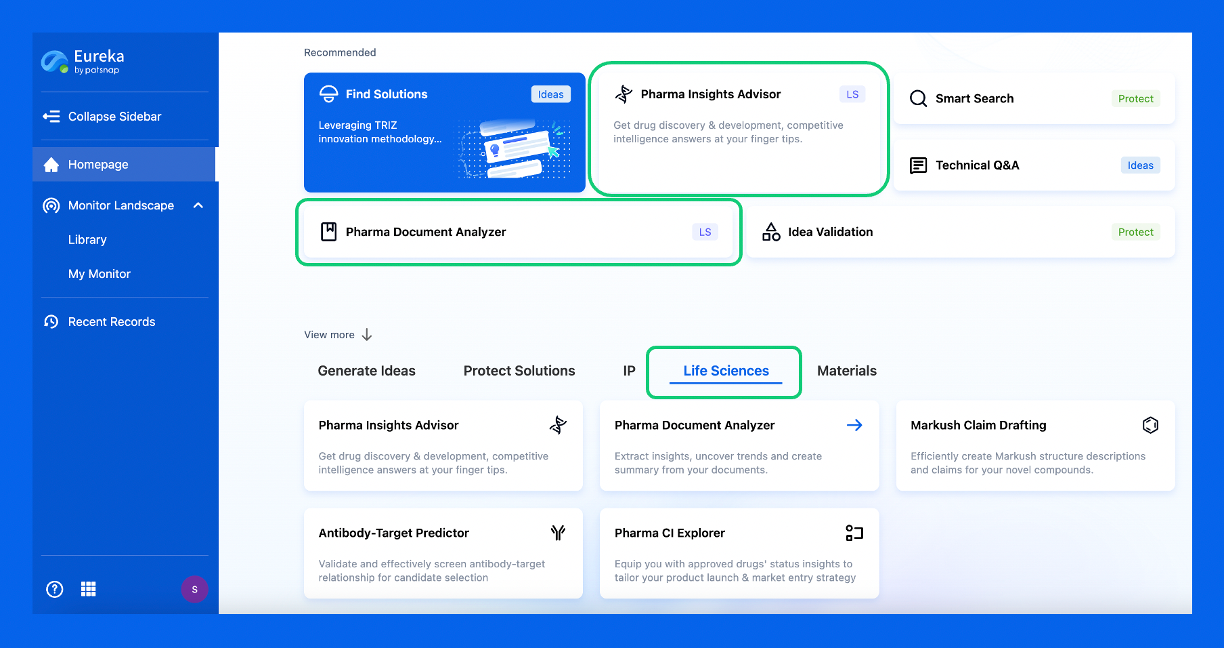
AI Agents Built for Biopharma Breakthroughs
Accelerate discovery. Empower decisions. Transform outcomes.
Get started for free today!
Accelerate Strategic R&D decision making with Synapse, PatSnap’s AI-powered Connected Innovation Intelligence Platform Built for Life Sciences Professionals.
Start your data trial now!
Synapse data is also accessible to external entities via APIs or data packages. Empower better decisions with the latest in pharmaceutical intelligence.