Request Demo
What are the therapeutic candidates targeting IL-6R?
11 March 2025
Introduction to IL-6R
Interleukin-6 receptor (IL-6R) is a pivotal component in the regulation of the immune system. It exists in two main forms: a membrane‐bound receptor (mIL-6R) and a soluble receptor (sIL-6R). IL-6R binds the cytokine interleukin-6 (IL-6) and forms a complex with the ubiquitously expressed signal-transducing protein gp130, triggering downstream signaling cascades that modulate both innate and adaptive immune responses.
Role of IL-6R in the Immune System
IL-6R is central in mediating responses to inflammatory stimuli. Under normal conditions, IL-6 binding to mIL-6R on cells such as hepatocytes, select leukocytes, and certain epithelial cells initiates the classical signaling pathway. This pathway is crucial for the production of acute-phase proteins, B-cell differentiation, T-cell survival, and regulation of hematopoiesis. Conversely, the IL-6/sIL-6R complex can bind gp130 on cells that do not express the membrane-bound receptor. This form of trans-signaling broadens the range of cell types that respond to IL-6 and is particularly important in initiating and sustaining pro-inflammatory responses during infections and tissue injury. The versatility of IL-6R signaling underpins its essential role in combating infections; however, it also creates a potential for dysregulation when cytokine production becomes excessive.
Pathophysiological Implications of IL-6R
In pathological conditions, dysregulation of IL-6R signaling has been implicated in numerous immune-mediated and inflammatory diseases. Chronic overproduction of IL-6 and prolonged activation of its receptor are involved in conditions such as rheumatoid arthritis (RA), systemic juvenile idiopathic arthritis, Castleman’s disease, and even certain cancers. In RA, for example, elevated IL-6 levels drive joint inflammation, synovial proliferation, and bone erosion, making IL-6R a high-value target for therapeutic intervention. Moreover, excessive IL-6 signaling is linked with the development of the cytokine release syndrome seen in some infections and immunotherapies. As such, the regulation of IL-6/IL-6R interaction is paramount both for maintaining immune homeostasis and for designing therapeutic strategies to mitigate pathologic inflammation.
Current Therapeutic Candidates
The clinical success of several IL-6R–targeted therapies has already demonstrated the therapeutic potential of modulating this receptor. Two monoclonal antibodies have emerged as approved therapies targeting IL-6R: Tocilizumab and Sarilumab. Their development was driven by the need to control aberrant IL-6 signaling in diseases like RA and other inflammatory disorders.
Approved Drugs Targeting IL-6R
Tocilizumab was the first IL-6R–targeting monoclonal antibody to gain regulatory approval. It binds both the membrane-bound and soluble forms of IL-6R, thereby blocking the binding of IL-6 and subsequent activation of gp130-mediated signaling pathways. Tocilizumab’s approval has been based on robust clinical trial data that have demonstrated its efficacy in reducing disease activity, improving joint function, and halting radiographic progression in RA, as well as gaining approvals for other conditions such as cytokine release syndrome in the context of CAR T-cell therapy. Sarilumab is another fully humanized monoclonal antibody that targets IL-6R. It functions similarly by binding the IL-6 receptor and preventing the downstream signal transduction that drives inflammation. Both of these therapies have shown a favorable benefit–risk profile in large-scale clinical trials and are now used in clinical practice in numerous regions worldwide. The consistency in their safety profiles, with adverse events such as transient liver enzyme elevations and laboratory changes (e.g., neutropenia and hyperlipidemia) being observed but manageable, has further reinforced the therapeutic utility of IL-6R blockade.
Mechanism of Action and Efficacy
The approved agents block IL-6 from engaging its receptor complex. When IL-6 binds to either mIL-6R or sIL-6R, the subsequent interaction with gp130 leads to receptor dimerization and activation of the Janus kinase (JAK)–signal transducer and activator of transcription (STAT) pathway, which results in the transcription of inflammatory genes. Tocilizumab and Sarilumab inhibit this process by competitively binding to IL-6R, thereby reducing the number of available receptors for IL-6. This inhibition leads to a decrease in the production of acute phase reactants like C-reactive protein (CRP) and a suppression of pro-inflammatory cytokine cascades. Clinical studies have demonstrated that these agents can significantly improve symptoms, reduce joint swelling and pain, and improve patient-reported outcomes. For instance, clinical trial data for Tocilizumab revealed marked improvements in the American College of Rheumatology response criteria (ACR20/50/70) in RA patients, signifying its robust anti-inflammatory and disease-modifying effects. Similarly, Sarilumab has shown comparable efficacy in reducing inflammatory markers and improving physical function in patients with RA, which has led to its adoption as an effective treatment option in cases where other disease-modifying antirheumatic drugs (DMARDs) have failed.
Emerging Therapies
While approved drugs have set the foundation for IL-6R–targeted treatment, a new wave of emerging therapies is rapidly being developed. These include novel biologics and small molecules aimed at improving IL-6R blockade, overcoming resistance issues, and providing additional routes for optimizing efficacy and safety.
Novel Biologics and Small Molecules in Development
Recent efforts have been directed toward developing next-generation biologics with improved selectivity and pharmacokinetic properties. For example, several candidate antibodies specifically designed to target distinct epitopes of IL-6R have been disclosed in patent literature. Patents from Synapse describe novel IL-6 antagonists that bind with high affinity to IL-6R. These candidates are engineered not only to neutralize IL-6 activity but also to potentially modulate receptor recycling or induce receptor internalization, thereby prolonging the therapeutic effect while minimizing off-target interactions.
In addition to monoclonal antibodies, there is significant interest in developing small molecule inhibitors that interfere with IL-6R interactions. These molecules often target the IL-6R complex interface or the assembly of the IL-6/IL-6R/gp130 complex. A promising approach is the design of small molecules that can disrupt protein–protein interactions at key binding hotspots, as indicated in computational and molecular docking studies. The development of such compounds would enable oral administration, in contrast to the injectable nature of the current antibodies, potentially increasing patient compliance and reducing treatment costs. Although these small molecule inhibitors are still in preclinical phases, some have shown encouraging binding characteristics and biological activity in in vitro assays.
Emerging biologics also include antibody–drug conjugates (ADCs) and bispecific antibodies that can simultaneously target IL-6R and additional pathways involved in inflammation or tumor progression. Such dual-function agents are being explored in the context of complex diseases like cancer where multiple signaling pathways contribute to disease progression. The rationale is that by inhibiting IL-6R along with another target (for example, a receptor involved in angiogenesis), these candidates could provide synergistic efficacy and potentially circumvent mechanisms of drug resistance that are observed with monotherapy.
Clinical Trial Results and Updates
Several emerging therapies targeting IL-6R are currently in various phases of clinical trials. Early-phase studies have focused on confirming the safety of novel IL-6R–targeting agents and assessing pharmacodynamic markers such as CRP, IL-6 levels, and improvements in clinical endpoints such as joint counts or muscle strength. For instance, ongoing Phase II trials involving next-generation IL-6R antibodies have reported promising interim data with marked reductions in serum inflammatory markers and improvements in patient outcomes. Such trials are incorporating advanced biomarkers and imaging endpoints to better quantify target engagement and the extent of receptor blockade.
Some clinical trials are evaluating candidates that are structurally similar to Tocilizumab but offer improvements such as extended half-life, lower immunogenicity, or the ability to be administered at lower volume and less frequently. A notable candidate among these is TOUR006, described in industry news. TOUR006 is characterized as a long-acting, fully human monoclonal antibody with a naturally extended half-life that could potentially allow dosing every eight weeks and provide a more patient-friendly treatment option. Early clinical data have indicated that TOUR006 effectively reduces disease activity and inflammatory markers in conditions like thyroid eye disease (TED) and possibly other autoimmune disorders.
Other candidates in clinical development include novel IL-6R inhibitors that are being tested specifically in populations with poor responses to existing therapies. For instance, clinical studies are exploring the use of IL-6R antibodies in combination with other immunomodulatory agents or DMARDs for patients with progressive RA or cytokine release syndromes. These studies often include extensive subgroup analyses (for example, separating patients by disease severity or concomitant medication use) to pinpoint which patients derive the most benefit. A number of preliminary results suggest that such combination regimens might yield synergistic benefits, reducing the overall inflammatory burden more effectively than monotherapy.
Parallel to these clinical trials, several candidate agents targeting IL-6R are also being evaluated in oncology settings. Given that IL-6 plays a role in tumor progression and immunosuppression in the tumor microenvironment, combining IL-6R blockade with standard chemotherapies or novel immunotherapies is an area of active investigation. Early-stage studies have reported that IL-6R inhibition can attenuate cancer-associated cachexia and improve the efficacy of immune checkpoint inhibitors by modulating the inflammatory milieu. Although these observations are still being validated in later-phase trials, they highlight the expanding therapeutic scope of IL-6R–targeted strategies beyond classic inflammatory diseases.
Challenges and Future Directions
Despite the significant progress in targeting IL-6R, several challenges remain regarding resistance, side effects, and the optimal integration of these therapies into combination regimens.
Resistance and Side Effects
Like many targeted therapies, IL-6R inhibitors face challenges related to the development of resistance. In some patients, long-term therapy with IL-6R antagonists may result in tachyphylaxis or the emergence of compensatory signaling pathways that bypass the blockade of IL-6R. Additionally, while the safety profiles of Tocilizumab and Sarilumab are well characterized, adverse effects such as transient liver enzyme elevations, neutropenia, and hyperlipidemia have been reported. The risk of infections—though generally manageable—remains a concern in a subset of patients, particularly those with underlying comorbidities or who are receiving combination immunosuppressive regimens.
Emerging preclinical studies are also evaluating strategies to mitigate resistance. These include designing candidates that can induce receptor internalization more effectively or that can synergize with other agents targeting parallel inflammatory pathways. Some novel small molecules aim to disrupt the IL-6/IL-6R/gp130 complex at multiple interfaces, thereby minimizing the probability of escape through alternative signaling routes.
Potential for Combination Therapies
Evidence increasingly supports the rationale for using IL-6R antagonists in combination with other therapeutic modalities. For instance, in rheumatoid arthritis, combining IL-6R blockade with methotrexate or other DMARDs has shown enhanced efficacy, as these combinations target both cytokine-driven inflammation and other aspects of immune dysregulation. In oncology, combination regimens that pair IL-6R inhibitors with chemotherapy, targeted kinase inhibitors, or immune checkpoint blockade are under investigation. The anticipated benefit of such combinations is to not only directly suppress tumor-promoting inflammation but also to enhance the antitumor immune response.
Clinical studies have started to explore these approaches by recruiting patients with refractory or high inflammatory burden into combination trials. The study designs typically include careful biomarker analyses (e.g., CRP, IL-6 levels, JAK/STAT pathway activity) to monitor the added benefits of combination therapy and to optimize dosing schedules that minimize overlapping toxicity. Early results suggest a promising trend toward improved efficacy with reasonable tolerability profiles, although large-scale data are still awaited.
Future Research Directions
Further research is needed to refine IL-6R–targeted therapies and expand their therapeutic applications. Future directions include optimizing the pharmacokinetics and bioavailability of novel candidates, especially small molecule inhibitors that could allow for oral dosing. Advanced molecular screening methods, such as structure-based 3D-pharmacophore modeling, are being used to identify new candidates that potentially disrupt the IL-6/IL-6R/gp130 interface more efficiently.
Moreover, additional studies are warranted to understand the mechanisms underpinning resistance to IL-6R inhibition. Investigation into the host’s genetic variations—such as polymorphisms within the IL6R gene—and immunosenescence in older populations could offer insights into variable therapeutic responses and help tailor personalized treatment regimens. Some emerging approaches also target the downstream signaling components of the IL-6 pathway, potentially offering combination strategies that preemptively address both the primary and compensatory mechanisms driving inflammation.
Another promising area of investigation is the engineering of bispecific antibodies that not only target IL-6R but also block other pro-inflammatory mediators or receptors, such as those involved in angiogenesis or T-cell activation. These agents could provide dual or multiple mechanisms of action, thus overcoming potential limitations of monotherapy. Additionally, antibody–drug conjugates (ADCs) linking IL-6R–blocking antibodies to cytotoxic drugs have the potential to directly eliminate overactive immune cells in pathological contexts—especially in certain cancers where inflammatory pathways are hijacked for tumor progression.
Future clinical trials are expected to incorporate novel imaging modalities and robust biomarker panels to better assess target engagement, treatment response, and long-term outcomes. With emerging trial data using next-generation IL-6R inhibitors such as TOUR006 and other candidates, regulatory agencies may soon see additions to the armamentarium that not only extend the dosing intervals but also reduce the burden of administration, thereby improving overall patient compliance.
Moreover, there is growing interest in the potential synergy between IL-6R inhibitors and agents addressing other pathways such as the immunoproteasome, JAK kinases, or even metabolic regulators. These combination strategies, while still experimental, could pave the way for personalized medicine approaches in autoimmune diseases and cancer, particularly for patients who are nonresponsive to current IL-6R blockers alone.
Research into the long-term immunological and metabolic consequences of IL-6R inhibition will be crucial. As clinicians and scientists gain a deeper understanding of the underlying biology, future studies may also assess the impact of these therapies on disease modification rather than simply symptom control. This paradigm shift—from short-term inflammation suppression to long-term disease modification—represents an exciting frontier in the management of chronic inflammatory and immune-mediated diseases.
Conclusion
In summary, therapeutic candidates targeting IL-6R span a wide spectrum from established, approved biologics to innovative emerging therapies. Tocilizumab and Sarilumab have already set the standard as approved IL-6R antagonists, displaying robust efficacy and a manageable safety profile in inflammatory diseases such as rheumatoid arthritis. Their mechanism—blocking the binding of IL-6 to both mIL-6R and sIL-6R, and thereby preventing activation of the gp130/JAK/STAT pathway—has validated IL-6R as a critical target for modulating immune responses.
Emerging therapies include next-generation monoclonal antibodies engineered for improved pharmacokinetic properties, small molecules designed to disrupt the IL-6/IL-6R/gp130 interface, and novel bispecific or antibody–drug conjugate formats that assess and combine multiple mechanisms of action. These approaches are currently the subject of intense preclinical and early clinical evaluations, with promising initial data indicating the potential for enhanced efficacy, more convenient dosing schedules, and even broader applications in oncology and other disorders.
Challenges remain in addressing issues such as the development of resistance, balancing the extensive immunosuppressive effects with the need for effective inflammation control, and integrating IL-6R blockade in combination regimens. Future research directions are focused on further elucidating resistance mechanisms, optimizing combination strategies, and exploring the full clinical potential of emerging agents. The use of advanced molecular design tools, detailed biomarker assessments, and innovative clinical trial designs will be key in overcoming current limitations and refining therapeutic strategies.
Overall, the therapeutic landscape targeting IL-6R is evolving rapidly. The initial success of approved therapies has paved the way for a new generation of agents that promise not only improved efficacy and durability but also the possibility of oral administration and better personalization of treatment regimens. Comprehensive studies will continue to inform us about the optimal use of these therapies, ultimately advancing the clinical management of a broad array of inflammatory, autoimmune, and oncologic conditions.
This detailed review demonstrates that IL-6R remains one of the most promising targets in modern immunotherapy. The current approved therapies have already provided impressive clinical benefits, and the future outlook is further enhanced by the emerging candidates that address their limitations and broaden the therapeutic window. Continued innovation, meticulous clinical evaluation, and an interdisciplinary approach that integrates immunology, pharmacology, and translational medicine are essential to fully harness the benefits of IL-6R blockade and improve outcomes for patients facing complex immune-mediated diseases.
Interleukin-6 receptor (IL-6R) is a pivotal component in the regulation of the immune system. It exists in two main forms: a membrane‐bound receptor (mIL-6R) and a soluble receptor (sIL-6R). IL-6R binds the cytokine interleukin-6 (IL-6) and forms a complex with the ubiquitously expressed signal-transducing protein gp130, triggering downstream signaling cascades that modulate both innate and adaptive immune responses.
Role of IL-6R in the Immune System
IL-6R is central in mediating responses to inflammatory stimuli. Under normal conditions, IL-6 binding to mIL-6R on cells such as hepatocytes, select leukocytes, and certain epithelial cells initiates the classical signaling pathway. This pathway is crucial for the production of acute-phase proteins, B-cell differentiation, T-cell survival, and regulation of hematopoiesis. Conversely, the IL-6/sIL-6R complex can bind gp130 on cells that do not express the membrane-bound receptor. This form of trans-signaling broadens the range of cell types that respond to IL-6 and is particularly important in initiating and sustaining pro-inflammatory responses during infections and tissue injury. The versatility of IL-6R signaling underpins its essential role in combating infections; however, it also creates a potential for dysregulation when cytokine production becomes excessive.
Pathophysiological Implications of IL-6R
In pathological conditions, dysregulation of IL-6R signaling has been implicated in numerous immune-mediated and inflammatory diseases. Chronic overproduction of IL-6 and prolonged activation of its receptor are involved in conditions such as rheumatoid arthritis (RA), systemic juvenile idiopathic arthritis, Castleman’s disease, and even certain cancers. In RA, for example, elevated IL-6 levels drive joint inflammation, synovial proliferation, and bone erosion, making IL-6R a high-value target for therapeutic intervention. Moreover, excessive IL-6 signaling is linked with the development of the cytokine release syndrome seen in some infections and immunotherapies. As such, the regulation of IL-6/IL-6R interaction is paramount both for maintaining immune homeostasis and for designing therapeutic strategies to mitigate pathologic inflammation.
Current Therapeutic Candidates
The clinical success of several IL-6R–targeted therapies has already demonstrated the therapeutic potential of modulating this receptor. Two monoclonal antibodies have emerged as approved therapies targeting IL-6R: Tocilizumab and Sarilumab. Their development was driven by the need to control aberrant IL-6 signaling in diseases like RA and other inflammatory disorders.
Approved Drugs Targeting IL-6R
Tocilizumab was the first IL-6R–targeting monoclonal antibody to gain regulatory approval. It binds both the membrane-bound and soluble forms of IL-6R, thereby blocking the binding of IL-6 and subsequent activation of gp130-mediated signaling pathways. Tocilizumab’s approval has been based on robust clinical trial data that have demonstrated its efficacy in reducing disease activity, improving joint function, and halting radiographic progression in RA, as well as gaining approvals for other conditions such as cytokine release syndrome in the context of CAR T-cell therapy. Sarilumab is another fully humanized monoclonal antibody that targets IL-6R. It functions similarly by binding the IL-6 receptor and preventing the downstream signal transduction that drives inflammation. Both of these therapies have shown a favorable benefit–risk profile in large-scale clinical trials and are now used in clinical practice in numerous regions worldwide. The consistency in their safety profiles, with adverse events such as transient liver enzyme elevations and laboratory changes (e.g., neutropenia and hyperlipidemia) being observed but manageable, has further reinforced the therapeutic utility of IL-6R blockade.
Mechanism of Action and Efficacy
The approved agents block IL-6 from engaging its receptor complex. When IL-6 binds to either mIL-6R or sIL-6R, the subsequent interaction with gp130 leads to receptor dimerization and activation of the Janus kinase (JAK)–signal transducer and activator of transcription (STAT) pathway, which results in the transcription of inflammatory genes. Tocilizumab and Sarilumab inhibit this process by competitively binding to IL-6R, thereby reducing the number of available receptors for IL-6. This inhibition leads to a decrease in the production of acute phase reactants like C-reactive protein (CRP) and a suppression of pro-inflammatory cytokine cascades. Clinical studies have demonstrated that these agents can significantly improve symptoms, reduce joint swelling and pain, and improve patient-reported outcomes. For instance, clinical trial data for Tocilizumab revealed marked improvements in the American College of Rheumatology response criteria (ACR20/50/70) in RA patients, signifying its robust anti-inflammatory and disease-modifying effects. Similarly, Sarilumab has shown comparable efficacy in reducing inflammatory markers and improving physical function in patients with RA, which has led to its adoption as an effective treatment option in cases where other disease-modifying antirheumatic drugs (DMARDs) have failed.
Emerging Therapies
While approved drugs have set the foundation for IL-6R–targeted treatment, a new wave of emerging therapies is rapidly being developed. These include novel biologics and small molecules aimed at improving IL-6R blockade, overcoming resistance issues, and providing additional routes for optimizing efficacy and safety.
Novel Biologics and Small Molecules in Development
Recent efforts have been directed toward developing next-generation biologics with improved selectivity and pharmacokinetic properties. For example, several candidate antibodies specifically designed to target distinct epitopes of IL-6R have been disclosed in patent literature. Patents from Synapse describe novel IL-6 antagonists that bind with high affinity to IL-6R. These candidates are engineered not only to neutralize IL-6 activity but also to potentially modulate receptor recycling or induce receptor internalization, thereby prolonging the therapeutic effect while minimizing off-target interactions.
In addition to monoclonal antibodies, there is significant interest in developing small molecule inhibitors that interfere with IL-6R interactions. These molecules often target the IL-6R complex interface or the assembly of the IL-6/IL-6R/gp130 complex. A promising approach is the design of small molecules that can disrupt protein–protein interactions at key binding hotspots, as indicated in computational and molecular docking studies. The development of such compounds would enable oral administration, in contrast to the injectable nature of the current antibodies, potentially increasing patient compliance and reducing treatment costs. Although these small molecule inhibitors are still in preclinical phases, some have shown encouraging binding characteristics and biological activity in in vitro assays.
Emerging biologics also include antibody–drug conjugates (ADCs) and bispecific antibodies that can simultaneously target IL-6R and additional pathways involved in inflammation or tumor progression. Such dual-function agents are being explored in the context of complex diseases like cancer where multiple signaling pathways contribute to disease progression. The rationale is that by inhibiting IL-6R along with another target (for example, a receptor involved in angiogenesis), these candidates could provide synergistic efficacy and potentially circumvent mechanisms of drug resistance that are observed with monotherapy.
Clinical Trial Results and Updates
Several emerging therapies targeting IL-6R are currently in various phases of clinical trials. Early-phase studies have focused on confirming the safety of novel IL-6R–targeting agents and assessing pharmacodynamic markers such as CRP, IL-6 levels, and improvements in clinical endpoints such as joint counts or muscle strength. For instance, ongoing Phase II trials involving next-generation IL-6R antibodies have reported promising interim data with marked reductions in serum inflammatory markers and improvements in patient outcomes. Such trials are incorporating advanced biomarkers and imaging endpoints to better quantify target engagement and the extent of receptor blockade.
Some clinical trials are evaluating candidates that are structurally similar to Tocilizumab but offer improvements such as extended half-life, lower immunogenicity, or the ability to be administered at lower volume and less frequently. A notable candidate among these is TOUR006, described in industry news. TOUR006 is characterized as a long-acting, fully human monoclonal antibody with a naturally extended half-life that could potentially allow dosing every eight weeks and provide a more patient-friendly treatment option. Early clinical data have indicated that TOUR006 effectively reduces disease activity and inflammatory markers in conditions like thyroid eye disease (TED) and possibly other autoimmune disorders.
Other candidates in clinical development include novel IL-6R inhibitors that are being tested specifically in populations with poor responses to existing therapies. For instance, clinical studies are exploring the use of IL-6R antibodies in combination with other immunomodulatory agents or DMARDs for patients with progressive RA or cytokine release syndromes. These studies often include extensive subgroup analyses (for example, separating patients by disease severity or concomitant medication use) to pinpoint which patients derive the most benefit. A number of preliminary results suggest that such combination regimens might yield synergistic benefits, reducing the overall inflammatory burden more effectively than monotherapy.
Parallel to these clinical trials, several candidate agents targeting IL-6R are also being evaluated in oncology settings. Given that IL-6 plays a role in tumor progression and immunosuppression in the tumor microenvironment, combining IL-6R blockade with standard chemotherapies or novel immunotherapies is an area of active investigation. Early-stage studies have reported that IL-6R inhibition can attenuate cancer-associated cachexia and improve the efficacy of immune checkpoint inhibitors by modulating the inflammatory milieu. Although these observations are still being validated in later-phase trials, they highlight the expanding therapeutic scope of IL-6R–targeted strategies beyond classic inflammatory diseases.
Challenges and Future Directions
Despite the significant progress in targeting IL-6R, several challenges remain regarding resistance, side effects, and the optimal integration of these therapies into combination regimens.
Resistance and Side Effects
Like many targeted therapies, IL-6R inhibitors face challenges related to the development of resistance. In some patients, long-term therapy with IL-6R antagonists may result in tachyphylaxis or the emergence of compensatory signaling pathways that bypass the blockade of IL-6R. Additionally, while the safety profiles of Tocilizumab and Sarilumab are well characterized, adverse effects such as transient liver enzyme elevations, neutropenia, and hyperlipidemia have been reported. The risk of infections—though generally manageable—remains a concern in a subset of patients, particularly those with underlying comorbidities or who are receiving combination immunosuppressive regimens.
Emerging preclinical studies are also evaluating strategies to mitigate resistance. These include designing candidates that can induce receptor internalization more effectively or that can synergize with other agents targeting parallel inflammatory pathways. Some novel small molecules aim to disrupt the IL-6/IL-6R/gp130 complex at multiple interfaces, thereby minimizing the probability of escape through alternative signaling routes.
Potential for Combination Therapies
Evidence increasingly supports the rationale for using IL-6R antagonists in combination with other therapeutic modalities. For instance, in rheumatoid arthritis, combining IL-6R blockade with methotrexate or other DMARDs has shown enhanced efficacy, as these combinations target both cytokine-driven inflammation and other aspects of immune dysregulation. In oncology, combination regimens that pair IL-6R inhibitors with chemotherapy, targeted kinase inhibitors, or immune checkpoint blockade are under investigation. The anticipated benefit of such combinations is to not only directly suppress tumor-promoting inflammation but also to enhance the antitumor immune response.
Clinical studies have started to explore these approaches by recruiting patients with refractory or high inflammatory burden into combination trials. The study designs typically include careful biomarker analyses (e.g., CRP, IL-6 levels, JAK/STAT pathway activity) to monitor the added benefits of combination therapy and to optimize dosing schedules that minimize overlapping toxicity. Early results suggest a promising trend toward improved efficacy with reasonable tolerability profiles, although large-scale data are still awaited.
Future Research Directions
Further research is needed to refine IL-6R–targeted therapies and expand their therapeutic applications. Future directions include optimizing the pharmacokinetics and bioavailability of novel candidates, especially small molecule inhibitors that could allow for oral dosing. Advanced molecular screening methods, such as structure-based 3D-pharmacophore modeling, are being used to identify new candidates that potentially disrupt the IL-6/IL-6R/gp130 interface more efficiently.
Moreover, additional studies are warranted to understand the mechanisms underpinning resistance to IL-6R inhibition. Investigation into the host’s genetic variations—such as polymorphisms within the IL6R gene—and immunosenescence in older populations could offer insights into variable therapeutic responses and help tailor personalized treatment regimens. Some emerging approaches also target the downstream signaling components of the IL-6 pathway, potentially offering combination strategies that preemptively address both the primary and compensatory mechanisms driving inflammation.
Another promising area of investigation is the engineering of bispecific antibodies that not only target IL-6R but also block other pro-inflammatory mediators or receptors, such as those involved in angiogenesis or T-cell activation. These agents could provide dual or multiple mechanisms of action, thus overcoming potential limitations of monotherapy. Additionally, antibody–drug conjugates (ADCs) linking IL-6R–blocking antibodies to cytotoxic drugs have the potential to directly eliminate overactive immune cells in pathological contexts—especially in certain cancers where inflammatory pathways are hijacked for tumor progression.
Future clinical trials are expected to incorporate novel imaging modalities and robust biomarker panels to better assess target engagement, treatment response, and long-term outcomes. With emerging trial data using next-generation IL-6R inhibitors such as TOUR006 and other candidates, regulatory agencies may soon see additions to the armamentarium that not only extend the dosing intervals but also reduce the burden of administration, thereby improving overall patient compliance.
Moreover, there is growing interest in the potential synergy between IL-6R inhibitors and agents addressing other pathways such as the immunoproteasome, JAK kinases, or even metabolic regulators. These combination strategies, while still experimental, could pave the way for personalized medicine approaches in autoimmune diseases and cancer, particularly for patients who are nonresponsive to current IL-6R blockers alone.
Research into the long-term immunological and metabolic consequences of IL-6R inhibition will be crucial. As clinicians and scientists gain a deeper understanding of the underlying biology, future studies may also assess the impact of these therapies on disease modification rather than simply symptom control. This paradigm shift—from short-term inflammation suppression to long-term disease modification—represents an exciting frontier in the management of chronic inflammatory and immune-mediated diseases.
Conclusion
In summary, therapeutic candidates targeting IL-6R span a wide spectrum from established, approved biologics to innovative emerging therapies. Tocilizumab and Sarilumab have already set the standard as approved IL-6R antagonists, displaying robust efficacy and a manageable safety profile in inflammatory diseases such as rheumatoid arthritis. Their mechanism—blocking the binding of IL-6 to both mIL-6R and sIL-6R, and thereby preventing activation of the gp130/JAK/STAT pathway—has validated IL-6R as a critical target for modulating immune responses.
Emerging therapies include next-generation monoclonal antibodies engineered for improved pharmacokinetic properties, small molecules designed to disrupt the IL-6/IL-6R/gp130 interface, and novel bispecific or antibody–drug conjugate formats that assess and combine multiple mechanisms of action. These approaches are currently the subject of intense preclinical and early clinical evaluations, with promising initial data indicating the potential for enhanced efficacy, more convenient dosing schedules, and even broader applications in oncology and other disorders.
Challenges remain in addressing issues such as the development of resistance, balancing the extensive immunosuppressive effects with the need for effective inflammation control, and integrating IL-6R blockade in combination regimens. Future research directions are focused on further elucidating resistance mechanisms, optimizing combination strategies, and exploring the full clinical potential of emerging agents. The use of advanced molecular design tools, detailed biomarker assessments, and innovative clinical trial designs will be key in overcoming current limitations and refining therapeutic strategies.
Overall, the therapeutic landscape targeting IL-6R is evolving rapidly. The initial success of approved therapies has paved the way for a new generation of agents that promise not only improved efficacy and durability but also the possibility of oral administration and better personalization of treatment regimens. Comprehensive studies will continue to inform us about the optimal use of these therapies, ultimately advancing the clinical management of a broad array of inflammatory, autoimmune, and oncologic conditions.
This detailed review demonstrates that IL-6R remains one of the most promising targets in modern immunotherapy. The current approved therapies have already provided impressive clinical benefits, and the future outlook is further enhanced by the emerging candidates that address their limitations and broaden the therapeutic window. Continued innovation, meticulous clinical evaluation, and an interdisciplinary approach that integrates immunology, pharmacology, and translational medicine are essential to fully harness the benefits of IL-6R blockade and improve outcomes for patients facing complex immune-mediated diseases.
Discover Eureka LS: AI Agents Built for Biopharma Efficiency
Stop wasting time on biopharma busywork. Meet Eureka LS - your AI agent squad for drug discovery.
▶ See how 50+ research teams saved 300+ hours/month
From reducing screening time to simplifying Markush drafting, our AI Agents are ready to deliver immediate value. Explore Eureka LS today and unlock powerful capabilities that help you innovate with confidence.
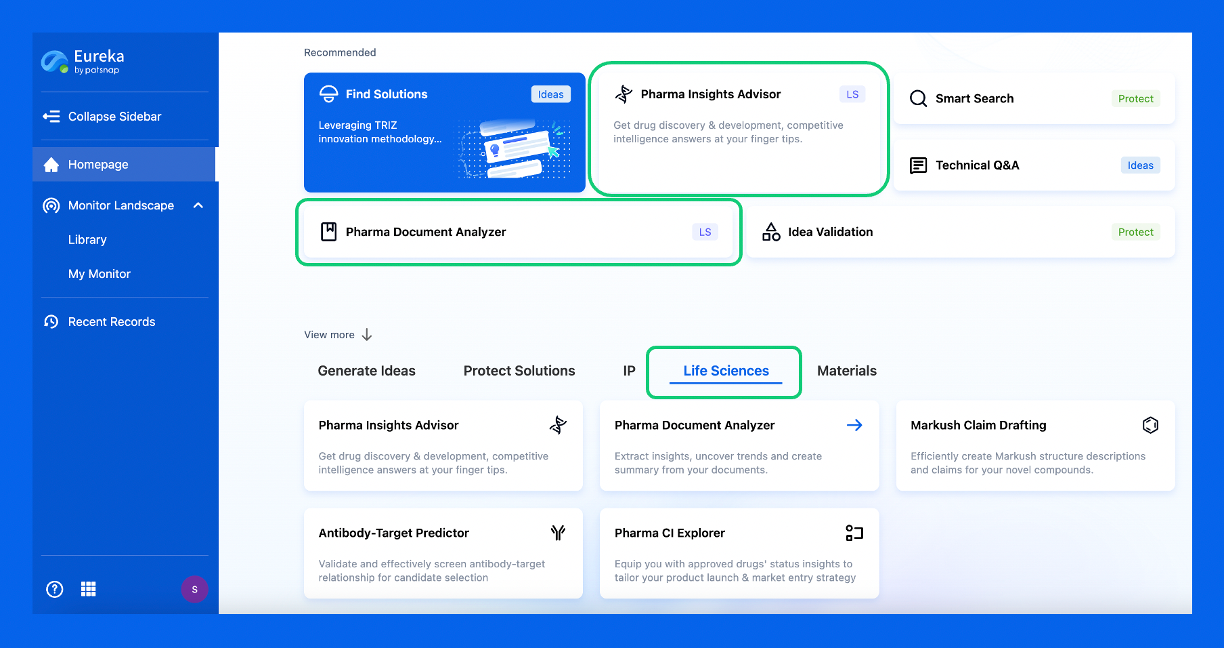
AI Agents Built for Biopharma Breakthroughs
Accelerate discovery. Empower decisions. Transform outcomes.
Get started for free today!
Accelerate Strategic R&D decision making with Synapse, PatSnap’s AI-powered Connected Innovation Intelligence Platform Built for Life Sciences Professionals.
Start your data trial now!
Synapse data is also accessible to external entities via APIs or data packages. Empower better decisions with the latest in pharmaceutical intelligence.