Request Demo
What are TLR4 agonists and how do they work?
21 June 2024
Toll-like receptor 4 (TLR4) agonists have emerged as an exciting area of research with significant potential in the realm of immunotherapy and vaccine development. These molecules, by targeting TLR4, play a pivotal role in modulating the immune system's response to various pathogens and diseases. Understanding how TLR4 agonists function and their applications can shed light on the future of medical treatments and preventive measures.
TLR4 is a type of toll-like receptor, which is a class of proteins playing a crucial role in the immune system by recognizing pathogens and activating immune responses. Specifically, TLR4 is known for its ability to detect lipopolysaccharides (LPS) found on the outer membrane of Gram-negative bacteria. Upon recognizing these harmful agents, TLR4 initiates a signaling cascade that activates the innate immune system, the body's first line of defense against infections. TLR4 agonists are designed to mimic this natural activation process, thereby enhancing the immune response.
When TLR4 agonists bind to the TLR4 receptor, they trigger a chain of intracellular events. This binding leads to the recruitment of adaptor proteins like MyD88 and TRIF, which subsequently activate downstream signaling pathways such as NF-κB and IRF3. These pathways are instrumental in the production of pro-inflammatory cytokines and type I interferons, essential molecules for orchestrating immune responses. By promoting the release of these cytokines, TLR4 agonists can potentiate the body's defense mechanisms against infectious agents and even cancerous cells.
One of the primary uses of TLR4 agonists is in vaccine adjuvant development. Vaccine adjuvants are substances that enhance the body's immune response to an antigen, making vaccines more effective. TLR4 agonists, by virtue of their ability to stimulate a robust immune response, are being incorporated into vaccines to improve their efficacy. For instance, Monophosphoryl Lipid A (MPL), a derivative of LPS, is a well-known TLR4 agonist used in several vaccines, including the human papillomavirus (HPV) vaccine. MPL enhances the vaccine's ability to elicit a strong and long-lasting immune response, providing better protection against the virus.
In addition to their role in vaccines, TLR4 agonists have shown promise in cancer immunotherapy. The immune system's ability to recognize and destroy cancer cells can be significantly heightened by TLR4 agonists. By stimulating the production of pro-inflammatory cytokines and enhancing antigen presentation, these agonists can help the immune system target and eliminate tumors more effectively. Clinical trials and preclinical studies have demonstrated the potential of TLR4 agonists in treating various types of cancers, including melanoma and non-small cell lung cancer.
Beyond infectious diseases and cancer, TLR4 agonists are also being explored for their potential in treating chronic inflammatory conditions and autoimmune diseases. By carefully modulating the immune response, these agonists can help restore balance in the immune system, offering new therapeutic avenues for diseases such as rheumatoid arthritis and Crohn's disease. However, it is crucial to approach this application with caution, as overstimulation of TLR4 can lead to excessive inflammation and tissue damage.
In conclusion, TLR4 agonists represent a versatile and powerful tool in the field of immunotherapy and vaccine development. By harnessing the natural mechanisms of the immune system, these molecules can enhance immune responses to a wide range of pathogens and diseases. Their applications in vaccine adjuvants, cancer immunotherapy, and treatment of chronic inflammatory conditions highlight their broad therapeutic potential. As research continues to advance, TLR4 agonists may well become a cornerstone in the development of new and more effective medical treatments.
TLR4 is a type of toll-like receptor, which is a class of proteins playing a crucial role in the immune system by recognizing pathogens and activating immune responses. Specifically, TLR4 is known for its ability to detect lipopolysaccharides (LPS) found on the outer membrane of Gram-negative bacteria. Upon recognizing these harmful agents, TLR4 initiates a signaling cascade that activates the innate immune system, the body's first line of defense against infections. TLR4 agonists are designed to mimic this natural activation process, thereby enhancing the immune response.
When TLR4 agonists bind to the TLR4 receptor, they trigger a chain of intracellular events. This binding leads to the recruitment of adaptor proteins like MyD88 and TRIF, which subsequently activate downstream signaling pathways such as NF-κB and IRF3. These pathways are instrumental in the production of pro-inflammatory cytokines and type I interferons, essential molecules for orchestrating immune responses. By promoting the release of these cytokines, TLR4 agonists can potentiate the body's defense mechanisms against infectious agents and even cancerous cells.
One of the primary uses of TLR4 agonists is in vaccine adjuvant development. Vaccine adjuvants are substances that enhance the body's immune response to an antigen, making vaccines more effective. TLR4 agonists, by virtue of their ability to stimulate a robust immune response, are being incorporated into vaccines to improve their efficacy. For instance, Monophosphoryl Lipid A (MPL), a derivative of LPS, is a well-known TLR4 agonist used in several vaccines, including the human papillomavirus (HPV) vaccine. MPL enhances the vaccine's ability to elicit a strong and long-lasting immune response, providing better protection against the virus.
In addition to their role in vaccines, TLR4 agonists have shown promise in cancer immunotherapy. The immune system's ability to recognize and destroy cancer cells can be significantly heightened by TLR4 agonists. By stimulating the production of pro-inflammatory cytokines and enhancing antigen presentation, these agonists can help the immune system target and eliminate tumors more effectively. Clinical trials and preclinical studies have demonstrated the potential of TLR4 agonists in treating various types of cancers, including melanoma and non-small cell lung cancer.
Beyond infectious diseases and cancer, TLR4 agonists are also being explored for their potential in treating chronic inflammatory conditions and autoimmune diseases. By carefully modulating the immune response, these agonists can help restore balance in the immune system, offering new therapeutic avenues for diseases such as rheumatoid arthritis and Crohn's disease. However, it is crucial to approach this application with caution, as overstimulation of TLR4 can lead to excessive inflammation and tissue damage.
In conclusion, TLR4 agonists represent a versatile and powerful tool in the field of immunotherapy and vaccine development. By harnessing the natural mechanisms of the immune system, these molecules can enhance immune responses to a wide range of pathogens and diseases. Their applications in vaccine adjuvants, cancer immunotherapy, and treatment of chronic inflammatory conditions highlight their broad therapeutic potential. As research continues to advance, TLR4 agonists may well become a cornerstone in the development of new and more effective medical treatments.
How to obtain the latest development progress of all targets?
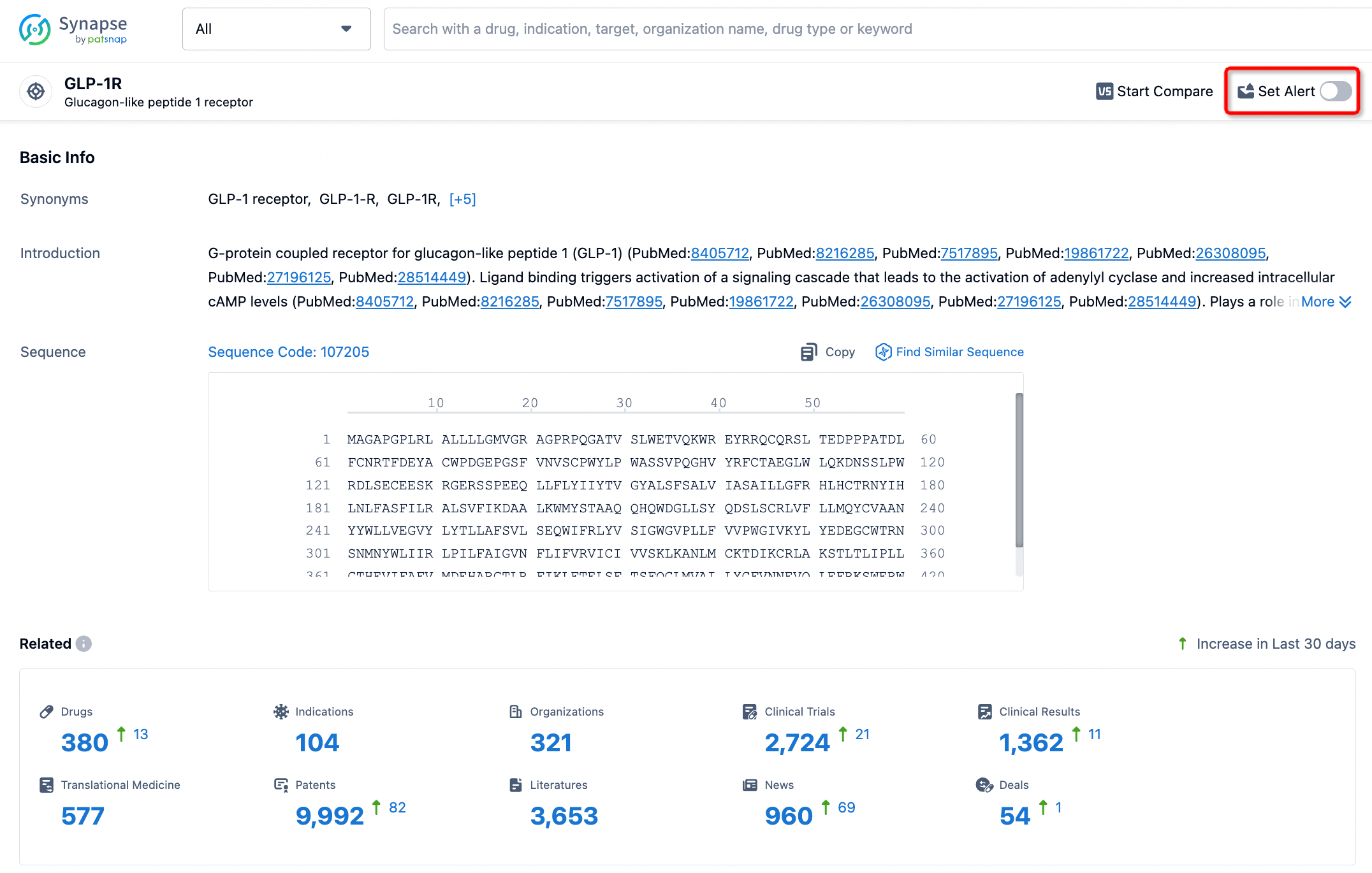
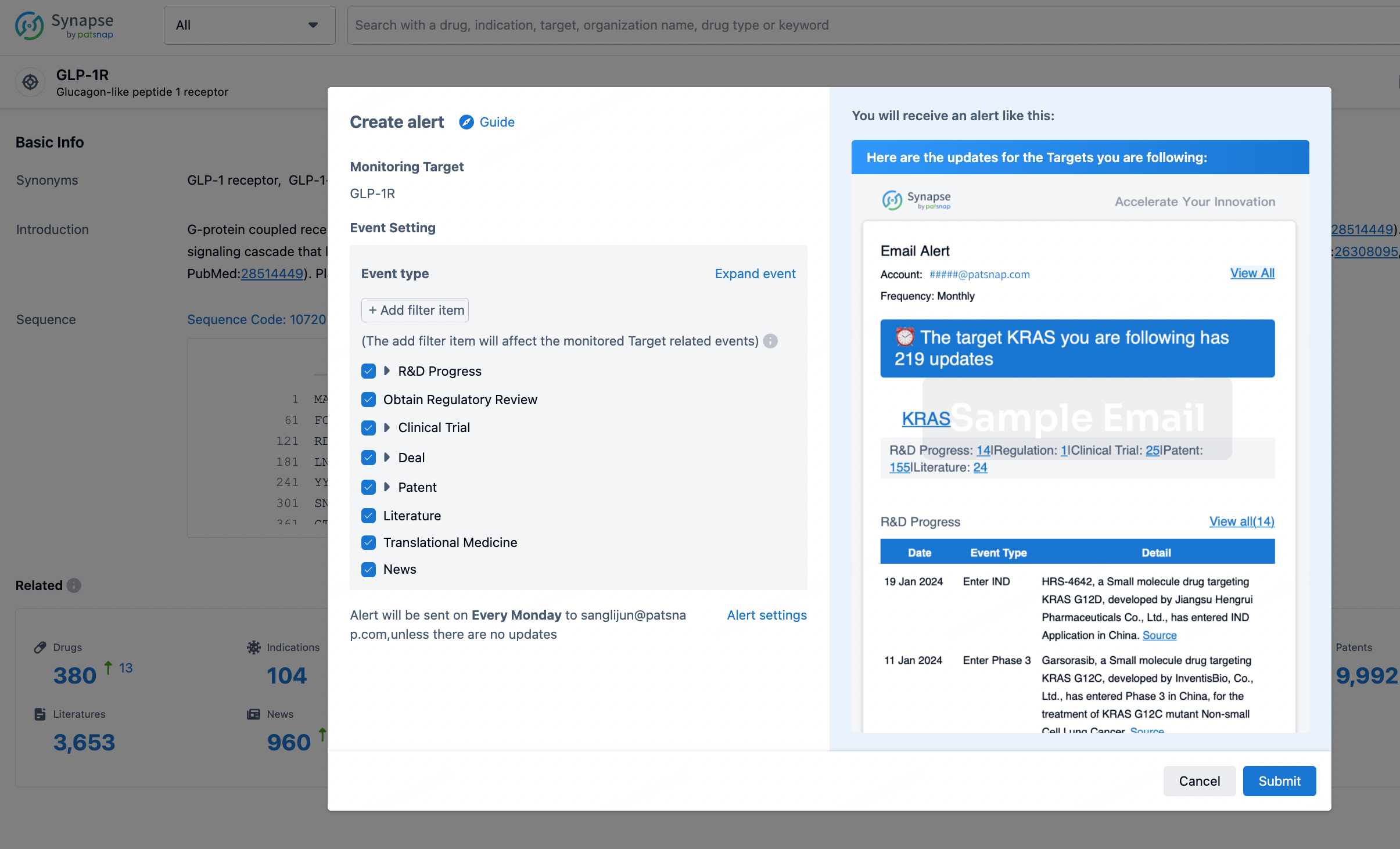
In the Synapse database, you can stay updated on the latest research and development advances of all targets. This service is accessible anytime and anywhere, with updates available daily or weekly. Use the "Set Alert" function to stay informed. Click on the image below to embark on a brand new journey of drug discovery!

Hiro LS Researcher
The AI Search Engine Built to Accelerate Biopharma Decisions
Search across billion-scale life sciences data to uncover signals, validate evidence, and act with confidence.
Ask any biopharma research question→
Get started for free today!
Accelerate Strategic R&D decision making with Synapse, Patsnap’s AI-powered Connected Innovation Intelligence Platform Built for Life Sciences Professionals.
Discover Synapse Data Servers
Synapse data is now integrated into the PatSnap LS Model Context Protocol (MCP) service. Customize your LLM agent now using our MCP server!