Request Demo
What are ZG16B modulators and how do they work?
25 June 2024
In recent years, ZG16B modulators have emerged as significant players in the realm of biotechnology and medical research. These modulators, which interact with the ZG16B protein, have shown potential in various applications, from disease treatment to diagnostic tools. Understanding how ZG16B modulators work and their uses can provide valuable insights into their role in modern science and medicine.
ZG16B, also known as zymogen granule protein 16B, is a protein primarily expressed in the pancreas and involved in the regulation of carbohydrate metabolism. Researchers have been investigating ZG16B for its potential roles in various biological processes and disease mechanisms, including cancer and inflammatory diseases. ZG16B modulators are compounds or biological agents that can influence the activity or expression of the ZG16B protein, thereby altering its function and impact on cellular processes.
Understanding how ZG16B modulators work requires a dive into the molecular interactions and pathways they affect. These modulators can either enhance or inhibit the activity of the ZG16B protein, depending on their nature and the desired outcome. The mechanism of action typically involves binding to the ZG16B protein or its related pathways, causing conformational changes that either activate or repress its function.
One of the key aspects of ZG16B modulators is their ability to influence glycosylation processes. Glycosylation, a crucial post-translational modification, is essential for protein folding, stability, and cell signaling. By modulating ZG16B, these agents can alter glycosylation patterns, impacting various cellular functions and responses. For instance, in the context of cancer, aberrant glycosylation is often observed, and ZG16B modulators may help restore normal glycosylation, thereby inhibiting tumor growth and progression.
Another important mechanism involves the immune response. ZG16B has been implicated in the regulation of immune cell activity, particularly in inflammatory conditions. Modulators targeting ZG16B can either suppress or enhance immune responses, making them valuable in the treatment of autoimmune diseases or in boosting immune responses against infections or tumors.
ZG16B modulators have a diverse range of applications in both research and clinical settings. In the realm of medical research, they are valuable tools for studying the biological functions of ZG16B and its role in various diseases. By selectively modulating this protein, researchers can gain insights into its involvement in disease mechanisms, helping to identify new therapeutic targets and develop novel treatments.
One of the most promising applications of ZG16B modulators is in cancer therapy. Cancer cells often exhibit dysregulated glycosylation patterns, contributing to tumor growth, metastasis, and immune evasion. By modulating ZG16B activity, researchers aim to correct these glycosylation defects, thereby inhibiting cancer progression and enhancing the efficacy of existing treatments. Preclinical studies have shown that ZG16B modulators can reduce tumor growth and improve survival rates in animal models, paving the way for clinical trials and potential cancer therapies.
In addition to cancer, ZG16B modulators hold promise in the treatment of inflammatory and autoimmune diseases. By modulating the immune response, these agents can help mitigate excessive inflammation and tissue damage, offering new therapeutic options for conditions like rheumatoid arthritis, inflammatory bowel disease, and multiple sclerosis. The ability to fine-tune immune activity makes ZG16B modulators attractive candidates for combination therapies, where they can complement existing treatments and improve patient outcomes.
Moreover, ZG16B modulators are being explored as diagnostic tools. Given their role in glycosylation and immune regulation, these modulators can serve as biomarkers for disease states. Detecting changes in ZG16B activity or expression can aid in early diagnosis and monitoring of diseases, allowing for timely interventions and personalized treatment strategies.
In conclusion, ZG16B modulators represent a promising frontier in biotechnology and medical research. Their ability to influence glycosylation processes and immune responses opens up a myriad of applications, from cancer therapy to treating inflammatory diseases and developing diagnostic tools. As research continues to uncover the full potential of these modulators, they hold the promise of revolutionizing modern medicine and improving patient care.
ZG16B, also known as zymogen granule protein 16B, is a protein primarily expressed in the pancreas and involved in the regulation of carbohydrate metabolism. Researchers have been investigating ZG16B for its potential roles in various biological processes and disease mechanisms, including cancer and inflammatory diseases. ZG16B modulators are compounds or biological agents that can influence the activity or expression of the ZG16B protein, thereby altering its function and impact on cellular processes.
Understanding how ZG16B modulators work requires a dive into the molecular interactions and pathways they affect. These modulators can either enhance or inhibit the activity of the ZG16B protein, depending on their nature and the desired outcome. The mechanism of action typically involves binding to the ZG16B protein or its related pathways, causing conformational changes that either activate or repress its function.
One of the key aspects of ZG16B modulators is their ability to influence glycosylation processes. Glycosylation, a crucial post-translational modification, is essential for protein folding, stability, and cell signaling. By modulating ZG16B, these agents can alter glycosylation patterns, impacting various cellular functions and responses. For instance, in the context of cancer, aberrant glycosylation is often observed, and ZG16B modulators may help restore normal glycosylation, thereby inhibiting tumor growth and progression.
Another important mechanism involves the immune response. ZG16B has been implicated in the regulation of immune cell activity, particularly in inflammatory conditions. Modulators targeting ZG16B can either suppress or enhance immune responses, making them valuable in the treatment of autoimmune diseases or in boosting immune responses against infections or tumors.
ZG16B modulators have a diverse range of applications in both research and clinical settings. In the realm of medical research, they are valuable tools for studying the biological functions of ZG16B and its role in various diseases. By selectively modulating this protein, researchers can gain insights into its involvement in disease mechanisms, helping to identify new therapeutic targets and develop novel treatments.
One of the most promising applications of ZG16B modulators is in cancer therapy. Cancer cells often exhibit dysregulated glycosylation patterns, contributing to tumor growth, metastasis, and immune evasion. By modulating ZG16B activity, researchers aim to correct these glycosylation defects, thereby inhibiting cancer progression and enhancing the efficacy of existing treatments. Preclinical studies have shown that ZG16B modulators can reduce tumor growth and improve survival rates in animal models, paving the way for clinical trials and potential cancer therapies.
In addition to cancer, ZG16B modulators hold promise in the treatment of inflammatory and autoimmune diseases. By modulating the immune response, these agents can help mitigate excessive inflammation and tissue damage, offering new therapeutic options for conditions like rheumatoid arthritis, inflammatory bowel disease, and multiple sclerosis. The ability to fine-tune immune activity makes ZG16B modulators attractive candidates for combination therapies, where they can complement existing treatments and improve patient outcomes.
Moreover, ZG16B modulators are being explored as diagnostic tools. Given their role in glycosylation and immune regulation, these modulators can serve as biomarkers for disease states. Detecting changes in ZG16B activity or expression can aid in early diagnosis and monitoring of diseases, allowing for timely interventions and personalized treatment strategies.
In conclusion, ZG16B modulators represent a promising frontier in biotechnology and medical research. Their ability to influence glycosylation processes and immune responses opens up a myriad of applications, from cancer therapy to treating inflammatory diseases and developing diagnostic tools. As research continues to uncover the full potential of these modulators, they hold the promise of revolutionizing modern medicine and improving patient care.
How to obtain the latest development progress of all targets?
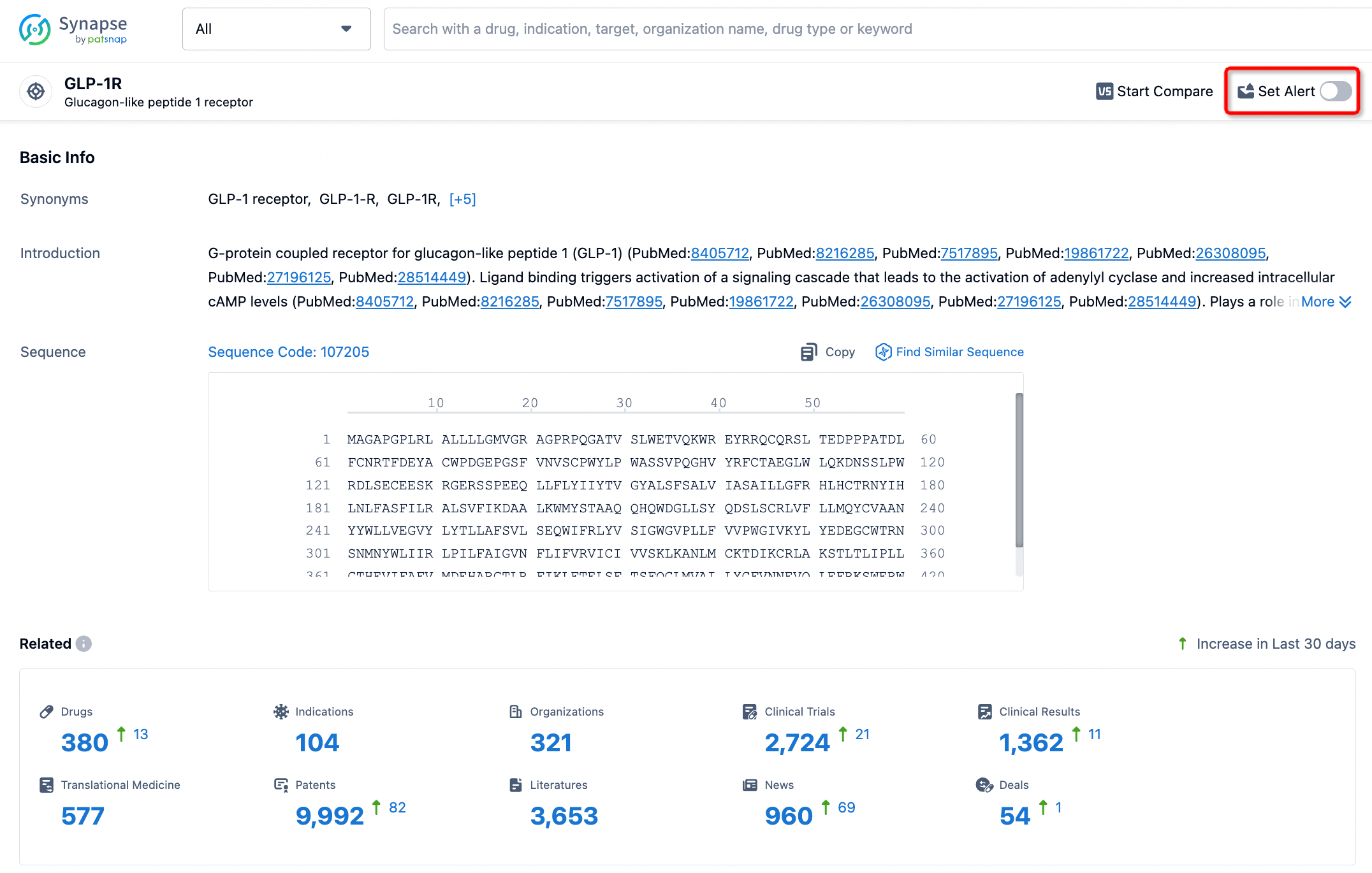
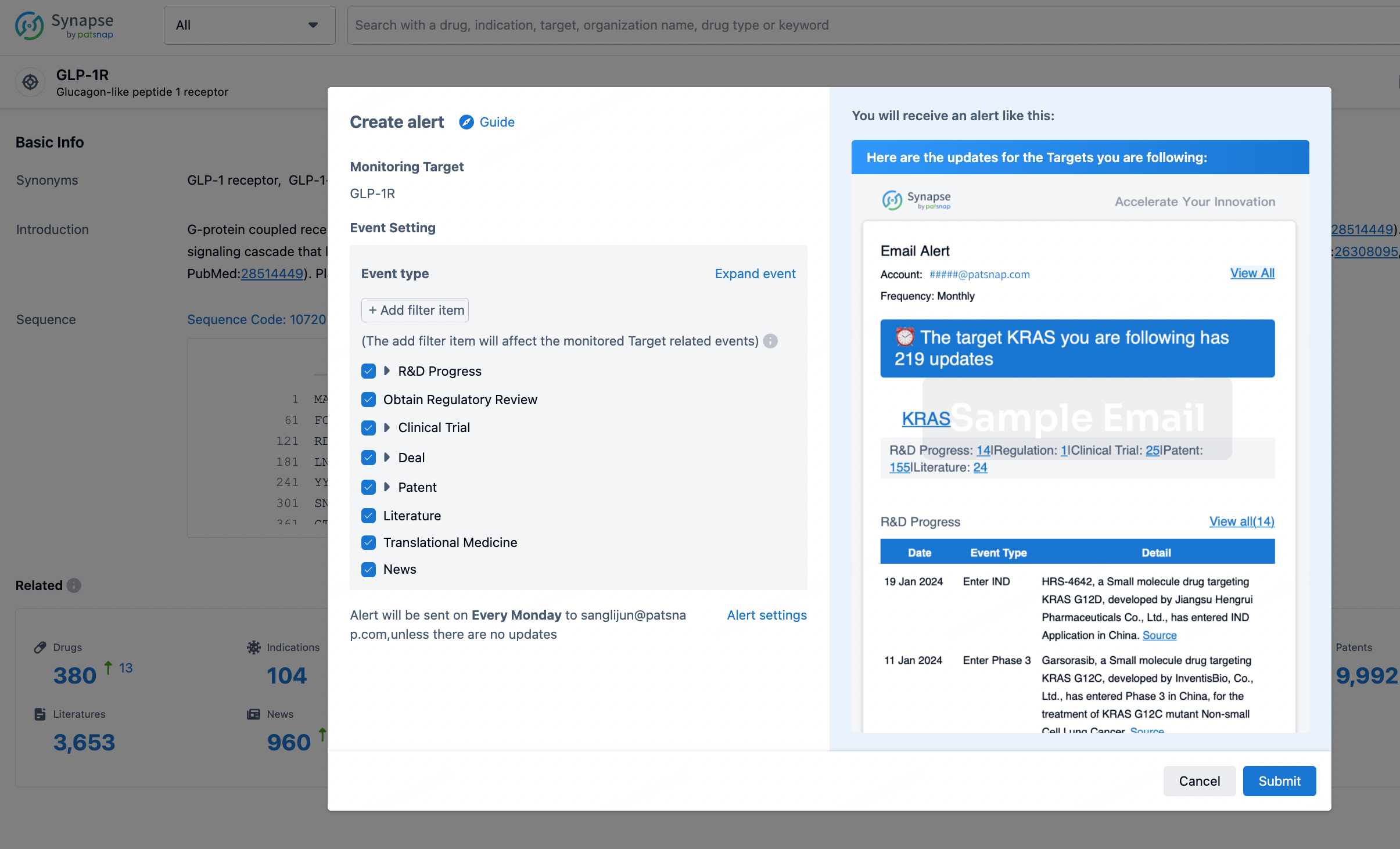
In the Synapse database, you can stay updated on the latest research and development advances of all targets. This service is accessible anytime and anywhere, with updates available daily or weekly. Use the "Set Alert" function to stay informed. Click on the image below to embark on a brand new journey of drug discovery!

AI Agents Built for Biopharma Breakthroughs
Accelerate discovery. Empower decisions. Transform outcomes.
Get started for free today!
Accelerate Strategic R&D decision making with Synapse, PatSnap’s AI-powered Connected Innovation Intelligence Platform Built for Life Sciences Professionals.
Start your data trial now!
Synapse data is also accessible to external entities via APIs or data packages. Empower better decisions with the latest in pharmaceutical intelligence.