Request Demo
What AVPR1A antagonists are in clinical trials currently?
11 March 2025
Introduction to AVPR1A
AVPR1A, also known as the arginine vasopressin receptor 1A, is a G protein–coupled receptor (GPCR) that is activated by the neuropeptide arginine vasopressin. This receptor plays a significant role in a wide variety of physiological processes, including vasoconstriction, social behavior modulation, and water homeostasis. Being a GPCR, AVPR1A is involved in intricate signaling cascades that affect both peripheral tissues such as the cardiovascular system and central nervous system functions. The importance of AVPR1A is particularly underscored by its involvement in the regulation of stress responses, social cognition, and several behavioral and physiological endpoints critical for human physiology.
Overview of AVPR1A Receptor
The AVPR1A receptor is one of three vasopressin receptor subtypes: V1a, V1b, and V2. It is expressed in various tissues, including vascular smooth muscle, the liver, kidneys, and key brain regions linked to behavior and emotion. AVPR1A receptor activation typically results in vasoconstriction and increased peripheral vascular resistance, which are crucial for maintaining blood pressure under stress. In the brain, AVPR1A is implicated in modulating social behaviors such as pair bonding, aggression, and anxiety. Advanced receptor-based studies and structural biology insights have illuminated its mechanism of activation and signal transduction, paving the way for the development of small-molecule antagonists. The receptor plays a central role not only in physiological processes but also in pathology, making it a prime target for therapeutic intervention across neuropsychiatric and cardiovascular domains.
Role of AVPR1A in Human Physiology
AVPR1A signaling is tightly linked to both peripheral and central physiological processes. Peripherally, AVPR1A is responsible for mediating vasoconstriction—a crucial mechanism for blood pressure regulation. In addition, it is involved in modulating platelet aggregation and inflammatory cascades, indicating its contribution to vascular tone and injury repair. Centrally, AVPR1A activation is associated with social recognition, stress adaptation, and anxiety regulation. Dysregulated signaling through this receptor has been implicated in disorders ranging from autism spectrum disorder to post-traumatic stress disorder (PTSD). The dual role in peripheral and central systems offers a multifaceted opportunity for therapeutic targeting; however, it also poses challenges in balancing efficacy with potential side effects. Understanding these intricate relationships is essential in drug development, particularly when designing antagonists aimed at modulating its activity across different contexts.
AVPR1A Antagonists
AVPR1A antagonists are drugs designed to block the activation of the AVPR1A receptor by its natural ligand, arginine vasopressin. By inhibiting receptor signaling, these antagonists can modulate the downstream physiological effects, potentially offering therapeutic benefits in a range of conditions from neuropsychiatric disorders to cardiovascular diseases.
Mechanism of Action
The mechanism of action of AVPR1A antagonists involves competitive inhibition at the receptor’s active site. Upon oral or parenteral administration, these antagonists bind to the AVPR1A receptor with high affinity, thereby preventing arginine vasopressin from interacting with the receptor. This blockade interrupts the typical signal transduction cascade that would normally lead to vasoconstriction, neuronal excitability, or other cellular responses. Detailed receptor-based rational drug design has facilitated the development of compounds that can selectively inhibit AVPR1A with minimal off-target activity, which is particularly important given the overlapping functions of the vasopressin receptor family. Experimental evidence and preclinical studies have confirmed that selective inhibition of AVPR1A reduces receptor-mediated responses without affecting non-target tissues, thereby minimizing adverse effects. In vitro assays have demonstrated that these antagonists can modulate the receptor phosphorylation status and downstream second messenger systems such as phospholipase C and intracellular calcium flux, key pathways in the receptor’s action mechanism.
Potential Therapeutic Applications
Given the diverse physiological roles of AVPR1A, its antagonists have wide-ranging potential therapeutic applications. In the central nervous system (CNS), AVPR1A antagonists are being explored for their impact on social cognition, anxiety, and other behavioral disorders. For instance, dysregulation of vasopressin signaling has been implicated in autism spectrum disorders and post-traumatic stress disorder (PTSD), supporting the exploration of AVPR1A antagonists such as Balovaptan in these indications. In cardiovascular settings, blocking AVPR1A could theoretically yield benefits in treating conditions where vasoconstrictive or hypertensive responses are deleterious. Although specific clinical data in this domain remain limited, the potential exists for AVPR1A antagonists to complement current cardiovascular therapies. Furthermore, preclinical investigations have expanded interest into the role of AVPR1A antagonism in other conditions such as stroke and certain renal diseases, opening avenues into using these molecules as adjunct or primary therapies in multifactorial diseases.
Current Clinical Trials
Presently, the most prominent AVPR1A antagonist in clinical trials is Balovaptan. A review of the clinical trials indicates that Balovaptan is being evaluated in several patient populations across multiple phases of development. This candidate has attracted significant attention given its potential effects in CNS-related indications and possibly other systemic conditions. Each trial explores different aspects such as pharmacokinetics, safety, tolerability, and therapeutic efficacy.
List of AVPR1A Antagonists in Trials
The primary and perhaps the only AVPR1A antagonist identified in the current clinical trial portfolio from our provided references is Balovaptan. Balovaptan is undergoing development for multiple indications including:
• Post-Traumatic Stress Disorder (PTSD) in adults.
• Autism Spectrum Disorder (ASD) in children, with a specific trial conducted in children ages 2–4 years.
• Acute Ischemic Stroke, where trials are assessing both the safety and efficacy of the compound in reducing the risk of malignant cerebral edema.
• Pharmacokinetic and food effect studies that further elaborate its absorption and systemic behavior, which are critical to its dosing and administration strategy.
These trials form a robust portfolio exploring the therapeutic role of Balovaptan across distinct clinical settings. Beyond Balovaptan, some patents and research articles refer to other AVPR1A antagonists being developed. However, based on the structured and reliable data from the synapse source, Balovaptan remains the most documented and clinically advanced AVPR1A antagonist at present.
Development Stages and Trial Phases
Balovaptan is currently in various stages of clinical development:
• In the pediatric population for Autism Spectrum Disorder, a Phase Ib, multicenter, open-label trial (NCT04049578) has been initiated to assess its pharmacokinetics, safety, and tolerability over a period of 6 weeks with an extension phase of 48 weeks. This trial is essential in evaluating the drug’s appropriateness and safety profile in a vulnerable age group.
• In adults with Post-Traumatic Stress Disorder, Balovaptan is being tested in a Phase II, randomized, double-blind, placebo-controlled, multicenter study (NCT05401565), which focuses on the efficacy and safety of the AVPR1A antagonist in ameliorating PTSD symptoms.
• For patients at high risk of malignant cerebral edema secondary to acute ischemic stroke, Balovaptan is being evaluated in Phase II trials. One trial is a multicenter, double-blind, placebo-controlled study (NCT05399550) that primarily evaluates safety as well as efficacy endpoints, while another, registered under the European Union Clinical Trials Register (EUCTR2021-002076-39-ES), assesses its ability to reduce severe brain swelling.
• Additionally, a pharmacokinetic study investigating the effect of enzyme inhibition and food on the bodily processing of the compound is being conducted (NCT04156646 related study), offering important insights into the absorption and distribution parameters which are critical for dosing strategies.
These various clinical trial phases collectively indicate a rigorous and comprehensive approach to confirming both the efficacy and the safety profile of Balovaptan. The multi-indication strategy reflects its potential utility across diverse patient populations, from pediatric neurodevelopmental disorders to acute cerebrovascular events in adults. The structured approach taken in these clinical trials—in terms of dose escalation, safety monitoring, and phase-specific endpoints—underscores the commitment to offering a well-characterized therapeutic option for conditions with significant unmet needs.
Future Prospects and Challenges
While the clinical trials investigating Balovaptan as an AVPR1A antagonist have generated significant excitement, several prospects and challenges come with its development. The benefits derived from targeting AVPR1A are considerable, given the receptor’s central role in modulating behavior, vasomotor tone, and other physiological processes. However, the inherent challenges in modulating a receptor that is active in both peripheral and central tissues necessitate careful evaluation.
Potential Benefits and Risks
The therapeutic promise of AVPR1A antagonism is multifaceted. Clinically, the potential benefits of Balovaptan include:
• Improvement of social and behavioral outcomes in children with autism spectrum disorder. The targeted modulation of AVPR1A in the CNS could ease symptoms related to social cognition and emotional regulation, which is a major unmet need within this population.
• Reduction of PTSD symptoms in adult patients. By modulating the neural pathways associated with stress and anxiety, Balovaptan may provide a novel approach to treating PTSD, potentially improving quality of life and reducing reliance on traditional therapies.
• Prevention or reduction of severe brain swelling in acute ischemic stroke. Given the role of vasopressin and its receptors in cerebral edema and vascular permeability, an effective AVPR1A antagonist could mitigate the risk of malignant brain edema, thereby improving stroke outcomes and reducing long-term neurological deficits.
• Optimized pharmacokinetic properties demonstrated through detailed food-effect and enzyme inhibition studies, which can pave the way for precision medicine approaches tailored to individual metabolic profiles.
However, blocking AVPR1A also poses potential risks. Since the receptor is involved in vasoconstriction, its inhibition could potentially lead to hypotension or other cardiovascular side effects if not managed appropriately with proper dosing. Moreover, as AVPR1A activity also plays a role in normal social and cognitive functions, careful titration is necessary to avoid unintended behavioral or mood alterations. In the stroke and cardiovascular settings, off-target effects arising from the inhibition of related receptors or compensatory pathways must be meticulously monitored. Finally, the long-term impact of chronic AVPR1A antagonism, particularly among pediatric populations and elderly patients with comorbidities, requires vigilant post-marketing surveillance and rigorous Phase IV studies in the future.
Future Research Directions
Future research into AVPR1A antagonists will likely focus on several key areas:
• Expanding the clinical indications: Although Balovaptan is the primary AVPR1A antagonist currently in clinical trials, additional compounds may be developed and evaluated, particularly for cardiovascular applications where modulation of vasopressor activity could provide therapeutic benefit. Continued clinical investigation will aim to identify novel indications and refine the understanding of receptor modulation in distinct disease contexts, such as refractory hypertension and renal dysfunction.
• Refinement of dosing strategies: Detailed pharmacokinetic studies, including those assessing food effects and enzymatic interactions, will be essential in optimizing dosing regimens. These studies not only refine the therapeutic window but also minimize the risk of adverse events. Further investigations into personalized dosing—potentially aided by biomarkers or genetic profiling—will be critical in maximizing the therapeutic index of AVPR1A antagonists.
• Addressing safety and tolerability: As the current clinical trials proceed, accumulating safety data will inform subsequent trial designs. Researchers will aim to balance the efficacy of AVPR1A antagonism in reducing disease symptoms with the potential risks of interfering with normal receptor function. Longitudinal studies and extended-duration trials are needed to understand the chronic effects of AVPR1A blockade, particularly in sensitive populations such as children and the elderly.
• Combination therapy approaches: Given the complex role of AVPR1A in human physiology, future studies may explore the combination of AVPR1A antagonists with other therapeutics. In cancer, for instance, repurposing vasopressin antagonists in combination with approved agents has shown promise in preclinical models. Similarly, combining AVPR1A antagonists with other neuropsychiatric agents may potentiate therapeutic outcomes for conditions like PTSD or autism spectrum disorder.
• Biomarker development: There is a growing need for reliable biomarkers that can predict responsiveness to AVPR1A antagonists. Biomarker-driven studies will not only help in patient selection but also in monitoring drug efficacy over time. Such biomarkers can be biochemical, imaging-based, or genetic in nature and will enhance the precision of clinical trials in this domain.
Conclusion
In summary, the current landscape of clinical trials involving AVPR1A antagonists is prominently defined by the clinical development of Balovaptan. Balovaptan is being evaluated in multiple indications: as a promising agent for adults with post-traumatic stress disorder, as a therapeutic candidate for children with autism spectrum disorder, and for patients with acute ischemic stroke at risk of developing malignant cerebral edema. Furthermore, pharmacokinetic studies investigating the effect of food and enzyme inhibition on Balovaptan continue to offer essential insights that support these therapeutic explorations.
The mechanism of action of AVPR1A antagonists centers on their ability to competitively block the receptor’s active site, thereby modulating both peripheral and central vasopressin-mediated responses. This modulation holds potential benefits in selectively reducing pathological vasoconstriction, mitigating stress-induced neural activation, and improving social and cognitive outcomes without triggering widespread systemic adverse effects. Clinical trials employing rigorous methodologies across multiple phases suggest that Balovaptan is advancing steadily through the developmental pipeline, with Phase Ib/II trials being conducted in diverse patient populations and robust safety monitoring implemented throughout the study designs.
Looking ahead, the prospects for AVPR1A antagonists are promising but not without challenges. The dual role of AVPR1A in both the central nervous system and peripheral systems requires a delicate balance between efficacy and safety. Ongoing and future research will likely emphasize personalized dosing strategies, combination therapy approaches, and biomarker development to optimize the therapeutic potential and minimize risks. Moreover, as new AVPR1A antagonists may emerge from further drug discovery efforts, the landscape of potential applications is expected to broaden beyond the current focus on neuropsychiatric conditions and stroke.
In conclusion, while Balovaptan currently represents the forefront of AVPR1A antagonist clinical trials, continuous innovation and rigorous evaluation are essential to fully realize the benefits of targeting this receptor. Its evaluation across multiple disease indications reflects the receptor’s central role in human physiology and emphasizes the importance of a multifaceted approach in drug development. Integrating insights from receptor pharmacology, clinical trial design, and long-term safety studies will ultimately determine the success of AVPR1A antagonists in addressing several unmet clinical needs. The comprehensive evaluation of Balovaptan in diverse clinical settings marks a significant step forward in harnessing the therapeutic potential of AVPR1A antagonism, while simultaneously setting the stage for future advancements in this evolving field.
AVPR1A, also known as the arginine vasopressin receptor 1A, is a G protein–coupled receptor (GPCR) that is activated by the neuropeptide arginine vasopressin. This receptor plays a significant role in a wide variety of physiological processes, including vasoconstriction, social behavior modulation, and water homeostasis. Being a GPCR, AVPR1A is involved in intricate signaling cascades that affect both peripheral tissues such as the cardiovascular system and central nervous system functions. The importance of AVPR1A is particularly underscored by its involvement in the regulation of stress responses, social cognition, and several behavioral and physiological endpoints critical for human physiology.
Overview of AVPR1A Receptor
The AVPR1A receptor is one of three vasopressin receptor subtypes: V1a, V1b, and V2. It is expressed in various tissues, including vascular smooth muscle, the liver, kidneys, and key brain regions linked to behavior and emotion. AVPR1A receptor activation typically results in vasoconstriction and increased peripheral vascular resistance, which are crucial for maintaining blood pressure under stress. In the brain, AVPR1A is implicated in modulating social behaviors such as pair bonding, aggression, and anxiety. Advanced receptor-based studies and structural biology insights have illuminated its mechanism of activation and signal transduction, paving the way for the development of small-molecule antagonists. The receptor plays a central role not only in physiological processes but also in pathology, making it a prime target for therapeutic intervention across neuropsychiatric and cardiovascular domains.
Role of AVPR1A in Human Physiology
AVPR1A signaling is tightly linked to both peripheral and central physiological processes. Peripherally, AVPR1A is responsible for mediating vasoconstriction—a crucial mechanism for blood pressure regulation. In addition, it is involved in modulating platelet aggregation and inflammatory cascades, indicating its contribution to vascular tone and injury repair. Centrally, AVPR1A activation is associated with social recognition, stress adaptation, and anxiety regulation. Dysregulated signaling through this receptor has been implicated in disorders ranging from autism spectrum disorder to post-traumatic stress disorder (PTSD). The dual role in peripheral and central systems offers a multifaceted opportunity for therapeutic targeting; however, it also poses challenges in balancing efficacy with potential side effects. Understanding these intricate relationships is essential in drug development, particularly when designing antagonists aimed at modulating its activity across different contexts.
AVPR1A Antagonists
AVPR1A antagonists are drugs designed to block the activation of the AVPR1A receptor by its natural ligand, arginine vasopressin. By inhibiting receptor signaling, these antagonists can modulate the downstream physiological effects, potentially offering therapeutic benefits in a range of conditions from neuropsychiatric disorders to cardiovascular diseases.
Mechanism of Action
The mechanism of action of AVPR1A antagonists involves competitive inhibition at the receptor’s active site. Upon oral or parenteral administration, these antagonists bind to the AVPR1A receptor with high affinity, thereby preventing arginine vasopressin from interacting with the receptor. This blockade interrupts the typical signal transduction cascade that would normally lead to vasoconstriction, neuronal excitability, or other cellular responses. Detailed receptor-based rational drug design has facilitated the development of compounds that can selectively inhibit AVPR1A with minimal off-target activity, which is particularly important given the overlapping functions of the vasopressin receptor family. Experimental evidence and preclinical studies have confirmed that selective inhibition of AVPR1A reduces receptor-mediated responses without affecting non-target tissues, thereby minimizing adverse effects. In vitro assays have demonstrated that these antagonists can modulate the receptor phosphorylation status and downstream second messenger systems such as phospholipase C and intracellular calcium flux, key pathways in the receptor’s action mechanism.
Potential Therapeutic Applications
Given the diverse physiological roles of AVPR1A, its antagonists have wide-ranging potential therapeutic applications. In the central nervous system (CNS), AVPR1A antagonists are being explored for their impact on social cognition, anxiety, and other behavioral disorders. For instance, dysregulation of vasopressin signaling has been implicated in autism spectrum disorders and post-traumatic stress disorder (PTSD), supporting the exploration of AVPR1A antagonists such as Balovaptan in these indications. In cardiovascular settings, blocking AVPR1A could theoretically yield benefits in treating conditions where vasoconstrictive or hypertensive responses are deleterious. Although specific clinical data in this domain remain limited, the potential exists for AVPR1A antagonists to complement current cardiovascular therapies. Furthermore, preclinical investigations have expanded interest into the role of AVPR1A antagonism in other conditions such as stroke and certain renal diseases, opening avenues into using these molecules as adjunct or primary therapies in multifactorial diseases.
Current Clinical Trials
Presently, the most prominent AVPR1A antagonist in clinical trials is Balovaptan. A review of the clinical trials indicates that Balovaptan is being evaluated in several patient populations across multiple phases of development. This candidate has attracted significant attention given its potential effects in CNS-related indications and possibly other systemic conditions. Each trial explores different aspects such as pharmacokinetics, safety, tolerability, and therapeutic efficacy.
List of AVPR1A Antagonists in Trials
The primary and perhaps the only AVPR1A antagonist identified in the current clinical trial portfolio from our provided references is Balovaptan. Balovaptan is undergoing development for multiple indications including:
• Post-Traumatic Stress Disorder (PTSD) in adults.
• Autism Spectrum Disorder (ASD) in children, with a specific trial conducted in children ages 2–4 years.
• Acute Ischemic Stroke, where trials are assessing both the safety and efficacy of the compound in reducing the risk of malignant cerebral edema.
• Pharmacokinetic and food effect studies that further elaborate its absorption and systemic behavior, which are critical to its dosing and administration strategy.
These trials form a robust portfolio exploring the therapeutic role of Balovaptan across distinct clinical settings. Beyond Balovaptan, some patents and research articles refer to other AVPR1A antagonists being developed. However, based on the structured and reliable data from the synapse source, Balovaptan remains the most documented and clinically advanced AVPR1A antagonist at present.
Development Stages and Trial Phases
Balovaptan is currently in various stages of clinical development:
• In the pediatric population for Autism Spectrum Disorder, a Phase Ib, multicenter, open-label trial (NCT04049578) has been initiated to assess its pharmacokinetics, safety, and tolerability over a period of 6 weeks with an extension phase of 48 weeks. This trial is essential in evaluating the drug’s appropriateness and safety profile in a vulnerable age group.
• In adults with Post-Traumatic Stress Disorder, Balovaptan is being tested in a Phase II, randomized, double-blind, placebo-controlled, multicenter study (NCT05401565), which focuses on the efficacy and safety of the AVPR1A antagonist in ameliorating PTSD symptoms.
• For patients at high risk of malignant cerebral edema secondary to acute ischemic stroke, Balovaptan is being evaluated in Phase II trials. One trial is a multicenter, double-blind, placebo-controlled study (NCT05399550) that primarily evaluates safety as well as efficacy endpoints, while another, registered under the European Union Clinical Trials Register (EUCTR2021-002076-39-ES), assesses its ability to reduce severe brain swelling.
• Additionally, a pharmacokinetic study investigating the effect of enzyme inhibition and food on the bodily processing of the compound is being conducted (NCT04156646 related study), offering important insights into the absorption and distribution parameters which are critical for dosing strategies.
These various clinical trial phases collectively indicate a rigorous and comprehensive approach to confirming both the efficacy and the safety profile of Balovaptan. The multi-indication strategy reflects its potential utility across diverse patient populations, from pediatric neurodevelopmental disorders to acute cerebrovascular events in adults. The structured approach taken in these clinical trials—in terms of dose escalation, safety monitoring, and phase-specific endpoints—underscores the commitment to offering a well-characterized therapeutic option for conditions with significant unmet needs.
Future Prospects and Challenges
While the clinical trials investigating Balovaptan as an AVPR1A antagonist have generated significant excitement, several prospects and challenges come with its development. The benefits derived from targeting AVPR1A are considerable, given the receptor’s central role in modulating behavior, vasomotor tone, and other physiological processes. However, the inherent challenges in modulating a receptor that is active in both peripheral and central tissues necessitate careful evaluation.
Potential Benefits and Risks
The therapeutic promise of AVPR1A antagonism is multifaceted. Clinically, the potential benefits of Balovaptan include:
• Improvement of social and behavioral outcomes in children with autism spectrum disorder. The targeted modulation of AVPR1A in the CNS could ease symptoms related to social cognition and emotional regulation, which is a major unmet need within this population.
• Reduction of PTSD symptoms in adult patients. By modulating the neural pathways associated with stress and anxiety, Balovaptan may provide a novel approach to treating PTSD, potentially improving quality of life and reducing reliance on traditional therapies.
• Prevention or reduction of severe brain swelling in acute ischemic stroke. Given the role of vasopressin and its receptors in cerebral edema and vascular permeability, an effective AVPR1A antagonist could mitigate the risk of malignant brain edema, thereby improving stroke outcomes and reducing long-term neurological deficits.
• Optimized pharmacokinetic properties demonstrated through detailed food-effect and enzyme inhibition studies, which can pave the way for precision medicine approaches tailored to individual metabolic profiles.
However, blocking AVPR1A also poses potential risks. Since the receptor is involved in vasoconstriction, its inhibition could potentially lead to hypotension or other cardiovascular side effects if not managed appropriately with proper dosing. Moreover, as AVPR1A activity also plays a role in normal social and cognitive functions, careful titration is necessary to avoid unintended behavioral or mood alterations. In the stroke and cardiovascular settings, off-target effects arising from the inhibition of related receptors or compensatory pathways must be meticulously monitored. Finally, the long-term impact of chronic AVPR1A antagonism, particularly among pediatric populations and elderly patients with comorbidities, requires vigilant post-marketing surveillance and rigorous Phase IV studies in the future.
Future Research Directions
Future research into AVPR1A antagonists will likely focus on several key areas:
• Expanding the clinical indications: Although Balovaptan is the primary AVPR1A antagonist currently in clinical trials, additional compounds may be developed and evaluated, particularly for cardiovascular applications where modulation of vasopressor activity could provide therapeutic benefit. Continued clinical investigation will aim to identify novel indications and refine the understanding of receptor modulation in distinct disease contexts, such as refractory hypertension and renal dysfunction.
• Refinement of dosing strategies: Detailed pharmacokinetic studies, including those assessing food effects and enzymatic interactions, will be essential in optimizing dosing regimens. These studies not only refine the therapeutic window but also minimize the risk of adverse events. Further investigations into personalized dosing—potentially aided by biomarkers or genetic profiling—will be critical in maximizing the therapeutic index of AVPR1A antagonists.
• Addressing safety and tolerability: As the current clinical trials proceed, accumulating safety data will inform subsequent trial designs. Researchers will aim to balance the efficacy of AVPR1A antagonism in reducing disease symptoms with the potential risks of interfering with normal receptor function. Longitudinal studies and extended-duration trials are needed to understand the chronic effects of AVPR1A blockade, particularly in sensitive populations such as children and the elderly.
• Combination therapy approaches: Given the complex role of AVPR1A in human physiology, future studies may explore the combination of AVPR1A antagonists with other therapeutics. In cancer, for instance, repurposing vasopressin antagonists in combination with approved agents has shown promise in preclinical models. Similarly, combining AVPR1A antagonists with other neuropsychiatric agents may potentiate therapeutic outcomes for conditions like PTSD or autism spectrum disorder.
• Biomarker development: There is a growing need for reliable biomarkers that can predict responsiveness to AVPR1A antagonists. Biomarker-driven studies will not only help in patient selection but also in monitoring drug efficacy over time. Such biomarkers can be biochemical, imaging-based, or genetic in nature and will enhance the precision of clinical trials in this domain.
Conclusion
In summary, the current landscape of clinical trials involving AVPR1A antagonists is prominently defined by the clinical development of Balovaptan. Balovaptan is being evaluated in multiple indications: as a promising agent for adults with post-traumatic stress disorder, as a therapeutic candidate for children with autism spectrum disorder, and for patients with acute ischemic stroke at risk of developing malignant cerebral edema. Furthermore, pharmacokinetic studies investigating the effect of food and enzyme inhibition on Balovaptan continue to offer essential insights that support these therapeutic explorations.
The mechanism of action of AVPR1A antagonists centers on their ability to competitively block the receptor’s active site, thereby modulating both peripheral and central vasopressin-mediated responses. This modulation holds potential benefits in selectively reducing pathological vasoconstriction, mitigating stress-induced neural activation, and improving social and cognitive outcomes without triggering widespread systemic adverse effects. Clinical trials employing rigorous methodologies across multiple phases suggest that Balovaptan is advancing steadily through the developmental pipeline, with Phase Ib/II trials being conducted in diverse patient populations and robust safety monitoring implemented throughout the study designs.
Looking ahead, the prospects for AVPR1A antagonists are promising but not without challenges. The dual role of AVPR1A in both the central nervous system and peripheral systems requires a delicate balance between efficacy and safety. Ongoing and future research will likely emphasize personalized dosing strategies, combination therapy approaches, and biomarker development to optimize the therapeutic potential and minimize risks. Moreover, as new AVPR1A antagonists may emerge from further drug discovery efforts, the landscape of potential applications is expected to broaden beyond the current focus on neuropsychiatric conditions and stroke.
In conclusion, while Balovaptan currently represents the forefront of AVPR1A antagonist clinical trials, continuous innovation and rigorous evaluation are essential to fully realize the benefits of targeting this receptor. Its evaluation across multiple disease indications reflects the receptor’s central role in human physiology and emphasizes the importance of a multifaceted approach in drug development. Integrating insights from receptor pharmacology, clinical trial design, and long-term safety studies will ultimately determine the success of AVPR1A antagonists in addressing several unmet clinical needs. The comprehensive evaluation of Balovaptan in diverse clinical settings marks a significant step forward in harnessing the therapeutic potential of AVPR1A antagonism, while simultaneously setting the stage for future advancements in this evolving field.
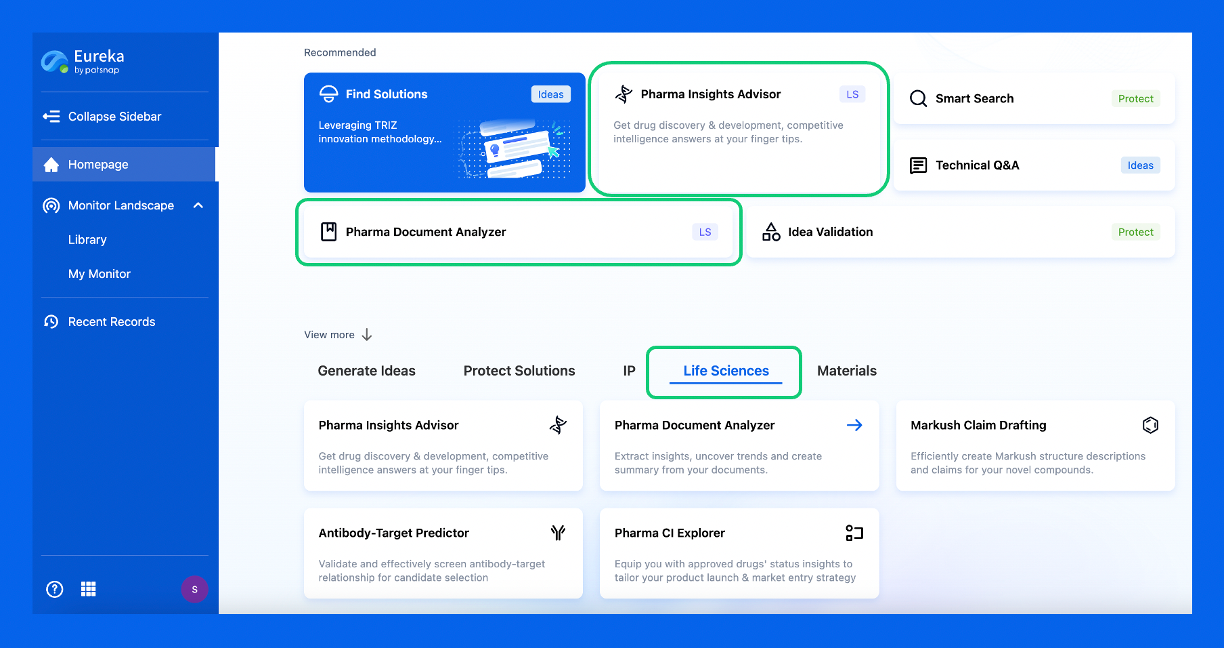
Discover Eureka LS: AI Agents Built for Biopharma Efficiency
Stop wasting time on biopharma busywork. Meet Eureka LS - your AI agent squad for drug discovery.
▶ See how 50+ research teams saved 300+ hours/month
From reducing screening time to simplifying Markush drafting, our AI Agents are ready to deliver immediate value. Explore Eureka LS today and unlock powerful capabilities that help you innovate with confidence.
AI Agents Built for Biopharma Breakthroughs
Accelerate discovery. Empower decisions. Transform outcomes.
Get started for free today!
Accelerate Strategic R&D decision making with Synapse, PatSnap’s AI-powered Connected Innovation Intelligence Platform Built for Life Sciences Professionals.
Start your data trial now!
Synapse data is also accessible to external entities via APIs or data packages. Empower better decisions with the latest in pharmaceutical intelligence.