Request Demo
What clinical trials have been conducted for Sunvozertinib?
17 March 2025
Overview of Sunvozertinib
Sunvozertinib (also designated DZD9008) is an irreversible epidermal growth factor receptor (EGFR) inhibitor specifically designed to target a wide spectrum of EGFR mutations while sparing wild‐type EGFR. This novel targeted therapy has been engineered to overcome the limitations of current EGFR‐targeted treatments, especially the resistance mechanisms that emerge after prolonged exposure to earlier generation EGFR tyrosine kinase inhibitors (TKIs). Its mechanism of action involves covalent binding to mutated EGFR receptors—including exon 20 insertion (ex20ins) mutations, sensitizing mutations, T790M, and several uncommon variants—thereby inhibiting aberrant downstream signaling that drives tumor growth and proliferation.
Drug Profile and Mechanism of Action
Sunvozertinib is characterized by its irreversible inhibition of the mutant EGFR kinase domain. By covalently binding to a specific cysteine residue within the receptor’s ATP-binding pocket, it prevents phosphorylation of downstream substrates. This mode of inhibition not only blocks the oncogenic signaling cascade but also maintains selectivity for mutated forms over the wild-type receptor. This specificity is a critical advancement over earlier inhibitors, which often produced dose-limiting toxicities due to wild-type EGFR inhibition. The drug’s refined molecular design allows it to effectively target a diverse set of EGFR mutations that are frequently associated with resistance to conventional treatments.
Therapeutic Indications
The primary therapeutic indication for Sunvozertinib is advanced or metastatic non-small cell lung cancer (NSCLC) harboring EGFR mutations. It is particularly significant for patients with EGFR exon 20 insertion mutations—a subset that historically exhibits limited benefit from standard EGFR-TKIs—as well as patients who have experienced disease progression following prior EGFR-TKI treatment. In addition, Sunvozertinib is being evaluated in various settings including second-line use in patients who have failed standard treatments, as an adjuvant therapy following complete resection, and as a potential first-line option for treatment-naïve patients with EGFR mutant NSCLC.
Clinical Trials of Sunvozertinib
A comprehensive clinical development program has been established for Sunvozertinib, spanning early-phase pharmacokinetic studies to large-scale multinational Phase III trials. The clinical research efforts have been organized hierarchically into Phase I, Phase II, and Phase III studies and have included both monotherapy and combination strategies with other agents.
Phase I Trials
Several early-phase trials have been conducted to assess the pharmacokinetics, safety, and tolerability of Sunvozertinib:
- Pharmacokinetic and Dose-Finding Studies:
A Phase I study assessed the pharmacokinetic profile of Sunvozertinib (referred to also as DZD9008) in patients with EGFR or HER2 mutant advanced NSCLC using a cocktail of probe substrates (for CYP3A4, P-gp, BCRP, and OATP1B1) to gauge drug–drug interaction potential.
In parallel, another Phase I study evaluated the single-dose pharmacokinetics in subjects with hepatic impairment to ensure that abnormal liver function would not dramatically alter the drug’s exposure.
- Phase I/II Combination Study with Chemotherapy:
One trial, designated WU-KONG36, combined Sunvozertinib with chemotherapy in patients with NSCLC harboring EGFR mutations after EGFR-TKI treatment failure. This study, reported as a Phase I/II investigation, focused on establishing the safety profile and determining the optimal dosing regimen before proceeding to efficacy endpoints in a larger cohort.
These early-phase clinical trials laid the foundation for further studies by confirming that Sunvozertinib is generally well tolerated with a manageable safety profile and predictable pharmacokinetics, which is critical for its subsequent use in more advanced clinical settings.
Phase II Trials
A broad array of Phase II trials have been conducted to further validate the efficacy and safety of Sunvozertinib in various settings and combination regimens:
- Combination with Anlotinib in EGFR-TKIs Resistant NSCLC:
One prominent Phase II trial investigated the combination of Sunvozertinib with anlotinib in locally advanced or metastatic NSCLC patients with EGFR sensitizing mutations, particularly in the setting of resistance to prior EGFR-TKI therapy. This prospective, single-arm study provided important insights into how dual-targeted inhibition (EGFR and angiogenesis) can enhance antitumor efficacy.
- Combination with Glumetinib in NSCLC with MET Aberrations:
Another Phase II, single-arm trial (WU-KONG-37) evaluated Sunvozertinib in combination with glumetinib in patients with locally advanced or metastatic NSCLC whose tumors exhibit MET amplification or overexpression following EGFR-TKI failure. Combining these agents aimed to overcome resistance mechanisms mediated by MET signaling and showed promising preliminary efficacy and acceptable safety.
- First-Line Combination Strategies:
In the context of treatment-naïve patients, a Phase II trial (coded as WUKONG-32) assessed the efficacy of Sunvozertinib in combination with anlotinib as a first-line treatment in NSCLC patients carrying EGFR sensitizing mutations alongside co-mutations. This study provided a rationale for employing Sunvozertinib earlier in the treatment algorithm, particularly for patients with a co-mutated genomic profile that may confer a more aggressive course.
- Adjuvant Treatment Setting:
Expanding its potential utility, a Phase II study investigated Sunvozertinib as adjuvant therapy following complete surgical resection in patients with stage IB-IIIB NSCLC harboring EGFR exon20 insertion mutations. The trial focused on evaluating the efficacy and safety of using Sunvozertinib to reduce the risk of recurrence in a post-resection setting.
- Additional Combination Regimens in Post-TKI Settings:
Other Phase I/II combination studies such as the one designated WU-KONG36 have further explored combining Sunvozertinib with chemotherapy in EGFRm+ locally advanced or metastatic NSCLC after prior EGFR-TKI treatment failure.
Furthermore, two separate Phase II studies (WU-KONG21 and WU-KONG29) evaluated Sunvozertinib in combination with AZD4205 and bevacizumab, respectively, in patients with NSCLC harboring EGFR mutations who had failed standard regimens. These studies are instrumental in determining whether combining Sunvozertinib with other targeted agents can potentiate the antitumor response and counteract resistance mechanisms more effectively.
- Replicated and Confirmatory Phase II Data:
A later Phase II registration study (CTR20231074) also explored the combination of Sunvozertinib with AZD4205 in the setting of EGFR-mutated NSCLC following standard treatment failure, providing further confirmatory data regarding the combination strategies.
These multiple Phase II trials have systematically addressed therapeutic questions from diverse perspectives, including monotherapy efficacy in resistant settings, combination strategies aimed at overcoming bypass mechanisms (e.g., MET or angiogenic pathways), and extending the use into the adjuvant and first-line domains.
Phase III Trials
The clinical development of Sunvozertinib has now advanced to confirmatory Phase III studies, which are designed to rigorously compare its efficacy against standard-of-care regimens:
- Global Multicenter, Randomized Phase III Study (WU-KONG28):
A large-scale Phase III trial, identified as WU-KONG28, is actively enrolling high-risk, treatment-naïve patients with NSCLC harboring EGFR exon20 insertion mutations. In this trial, Sunvozertinib is being compared head-to-head with platinum-based doublet chemotherapy. The study’s design is multinational and randomized, aimed at establishing not only the superiority but also the long-term clinical benefit (such as progression-free survival and overall survival) of Sunvozertinib as a first-line treatment option.
- Interim and Ongoing Data:
While final outcomes are pending, interim analyses and data readouts are expected to provide critical insights into whether Sunvozertinib can establish a new standard of care, especially given its promising early efficacy signals in Phase I/II studies and its favorable safety profile.
The Phase III program is particularly significant because it seeks to shift Sunvozertinib’s role from a rescue therapy in the post-TKI failure setting to a frontline option in patients with one of the most challenging subsets of NSCLC—those with EGFR exon20 insertion mutations.
Results and Outcomes of Clinical Trials
A multitude of data from the various phases of clinical trials has been generated, providing both efficacy and safety outcomes that guide the positioning of Sunvozertinib in clinical practice.
Efficacy Results
The efficacy outcomes reported across the clinical trials of Sunvozertinib are notable for several reasons:
- Robust Objective Response Rates (ORR):
In pivotal studies such as the WU-KONG6 trial, Sunvozertinib achieved a confirmed overall response rate (cORR) of approximately 60.8% when assessed by the Independent Review Committee (IRC). This high response rate is significant particularly in heavily pretreated patients with EGFR exon20 insertions following platinum-based chemotherapy.
- Progression-Free Survival (PFS) and Duration of Response:
Early-phase and Phase II data have demonstrated encouraging progression-free survival outcomes. For example, the combination trials (with anlotinib, glumetinib, or AZD4205) have yielded promising PFS durations across different patient subsets, suggesting that the addition of Sunvozertinib not only induces tumor shrinkage but may also prolong disease control.
- Efficacy in Different Lines of Therapy:
Data emerging from Phase II studies have shown that Sunvozertinib is effective in multiple settings—whether as second-line therapy after resistance to earlier EGFR-TKIs, as part of combination regimens to mitigate bypass resistance mechanisms, or even in the adjuvant setting to reduce recurrence risk post-surgery.
- Efficacy in Special Populations:
Some trials have explored Sunvozertinib’s activity in patients with brain metastases—a subgroup notoriously difficult to treat. The research indicates that Sunvozertinib has meaningful intracranial activity, with significant response rates observed even in heavily pretreated populations.
The overall efficacy profile, as aggregated from Phase I through Phase III studies, shows a general-to-specific trend: initial Phase I studies confirmed that the drug reached sufficient therapeutic levels; Phase II studies detailed high response rates and durable disease control in various combination and monotherapy settings; and now the Phase III trial is designed to confirm these promising results on a global scale.
Safety and Adverse Effects
One of the striking features of Sunvozertinib as reported across multiple studies is its favorable safety profile:
- Manageable Side-Effect Profile:
The adverse events (AEs) reported in Sunvozertinib trials are predominantly low-grade (grade 1 or 2). Common side effects include diarrhea and rash, which are similar to other EGFR-TKIs but tend to be clinically manageable with supportive care and dose modifications.
- Phase I Dose-Escalation and PK Studies:
Early-phase studies assessing pharmacokinetics (e.g., in hepatic impairment) have shown that Sunvozertinib exhibits predictable exposure without significant accumulation, and adverse effects were within acceptable tolerability limits. This underpins the overall favorable adverse event profile observed in subsequent trials.
- Combination Strategies and Safety:
Safety data from the combination trials—whether with anlotinib, glumetinib, AZD4205, or bevacizumab—suggest that the addition of Sunvozertinib to other therapeutic agents does not substantially exacerbate the toxicity profile. In fact, the incidence of high-grade toxicities remains low, and most treatment-emergent adverse events resolve within a few weeks.
- Overall Tolerability in High-Risk Patients:
In the Phase III study (WU-KONG28) that is comparing Sunvozertinib to platinum-based chemotherapy, early reports have reaffirmed that the side-effect profile is consistent with earlier phase studies. The manageable and benign safety profile is particularly important when considering the use of the drug in frontline settings, where tolerability is paramount for treatment adherence and quality of life.
Implications and Future Directions
The clinical trial data accumulated thus far provide a strong foundation for considering Sunvozertinib a transformative therapeutic option in the management of EGFR-mutated NSCLC. However, as with all evolving treatments, there is a continuous need to translate these findings into clinical practice and further optimize treatment regimens.
Clinical Implications
The robust efficacy and favorable safety profile of Sunvozertinib observed across multiple clinical studies have several important clinical implications:
- New Standard of Care for EGFR Exon20 Insertion Mutations:
The high response rates and durable disease control achieved particularly in patients with EGFR exon20 insertions suggest that Sunvozertinib may soon become the preferred targeted therapy for this challenging subgroup of NSCLC patients. This is critical given that EGFR exon20 insertion mutations have traditionally been difficult to target with existing EGFR-TKIs.
- Flexible Use in Diverse Treatment Settings:
The data indicate that Sunvozertinib can be effectively integrated across the treatment continuum—from salvage therapies after resistance to EGFR-TKIs to adjuvant treatment post-surgery and even as part of first-line regimens when combined with other agents such as anlotinib. This versatility opens new avenues for personalized treatment strategies in NSCLC.
- Combination Approaches to Overcome Resistance:
The Phase II studies exploring combinations with agents like glumetinib, AZD4205, and bevacizumab not only offer improved efficacy outcomes but also provide a strategic framework for overcoming multiple mechanisms of resistance. Combining Sunvozertinib with other inhibitors tailored to the patient’s molecular profile can lead to synergistic benefits and prolong progression-free survival.
- Optimized Safety for Frontline Use:
With a manageable adverse event profile, Sunvozertinib may provide a more tolerable alternative to conventional chemotherapies, thereby improving patients’ quality of life. This is especially pertinent for first-line treatment in a relatively younger, treatment-naïve population where long-term tolerability is essential.
Future Research and Development
While the clinical data for Sunvozertinib are encouraging, several areas warrant further investigation to solidify its role in clinical practice:
- Completion and Analysis of Phase III Data:
The ongoing global Phase III trial (WU-KONG28) is critical for providing definitive evidence of long-term survival benefit and overall efficacy compared to the current standard of care. Detailed final analyses, including subgroup evaluations (e.g., patients with brain metastases or specific co-mutations), will be essential to determine which patient populations are most likely to benefit.
- Expanded Evaluation in Combination Regimens:
Future studies should further explore combination regimens to address acquired resistance. For instance, additional randomized Phase II or III trials are needed to assess whether combining Sunvozertinib with agents targeting alternative pathways (such as MET or VEGFR inhibitors) can further enhance therapeutic outcomes. These studies may also help refine dosing strategies to maximize efficacy while minimizing potential toxicities.
- Exploration in Early-Stage and Adjuvant Settings:
The adjuvant Phase II trial raises the possibility that Sunvozertinib could be beneficial in reducing recurrence post-resection. Future larger trials in this setting would be valuable to establish efficacy in improving disease-free survival and long-term outcomes in early-stage NSCLC.
- Biomarker Studies to Guide Patient Selection:
Incorporating translational research, including biomarker analyses (such as circulating tumor DNA and specific mutation panels), will be crucial to identify predictive markers of response. This could facilitate more precise patient selection and allow clinicians to tailor therapy based on the individual molecular profile.
- Long-Term Safety and Quality-of-Life Evaluations:
Given the potential for long-term treatment in a first-line setting, additional studies focusing on chronic toxicity, quality-of-life assessments, and post-treatment survivorship are needed. These data will help ensure that the clinical benefits of prolonged exposure are not offset by cumulative toxicities over time.
Detailed and Explicit Conclusion
In summary, a broad spectrum of clinical trials has been conducted for Sunvozertinib, reflecting a well-organized and methodical clinical development program that spans all phases of investigation. Early Phase I studies have not only validated its pharmacokinetic properties and tolerability but also set the stage for subsequent combination studies. Phase II trials have comprehensively explored its use both as monotherapy and in combination with other agents—such as anlotinib, glumetinib, AZD4205, and bevacizumab—in various settings including salvage therapy after EGFR-TKI failure, first-line treatment in selected patient populations, and even the adjuvant context. Finally, the ongoing global Phase III trial (WU-KONG28) is set to provide the confirmatory evidence needed to potentially make Sunvozertinib the new standard of care for NSCLC patients with EGFR exon20 insertion mutations by directly comparing it with platinum-based doublet chemotherapy in a first-line setting.
The multi-angle analysis—from mechanistic design and early pharmacokinetic evaluations to combination strategies aiming to overcome resistance—demonstrates a comprehensive effort to address the unmet needs in the treatment of EGFR-mutated NSCLC. The consistent demonstration of high objective response rates (e.g., cORR ~60.8% in pivotal studies) and prolonged progression-free survival—coupled with a favorable and manageable safety profile—indicate that Sunvozertinib is poised to have a significant impact on clinical practice. Moreover, its potential applicability across different lines of treatment and in combination with other agents paves the way for a more personalized and effective treatment paradigm for lung cancer.
In conclusion, Sunvozertinib has been evaluated in a series of well-structured clinical trials from Phase I through Phase III, demonstrating robust antitumor efficacy and a manageable safety profile in NSCLC patients with diverse EGFR mutations. These studies not only confirm its promise as a potent targeted therapy but also highlight several future research directions including combination regimens, expansion into earlier treatment settings, and biomarker-driven patient selection. The ongoing Phase III trial will be pivotal in establishing its definitive role and could potentially herald a shift in the standard therapeutic strategies for patients with difficult-to-treat EGFR exon20 insertion mutated NSCLC.
Sunvozertinib (also designated DZD9008) is an irreversible epidermal growth factor receptor (EGFR) inhibitor specifically designed to target a wide spectrum of EGFR mutations while sparing wild‐type EGFR. This novel targeted therapy has been engineered to overcome the limitations of current EGFR‐targeted treatments, especially the resistance mechanisms that emerge after prolonged exposure to earlier generation EGFR tyrosine kinase inhibitors (TKIs). Its mechanism of action involves covalent binding to mutated EGFR receptors—including exon 20 insertion (ex20ins) mutations, sensitizing mutations, T790M, and several uncommon variants—thereby inhibiting aberrant downstream signaling that drives tumor growth and proliferation.
Drug Profile and Mechanism of Action
Sunvozertinib is characterized by its irreversible inhibition of the mutant EGFR kinase domain. By covalently binding to a specific cysteine residue within the receptor’s ATP-binding pocket, it prevents phosphorylation of downstream substrates. This mode of inhibition not only blocks the oncogenic signaling cascade but also maintains selectivity for mutated forms over the wild-type receptor. This specificity is a critical advancement over earlier inhibitors, which often produced dose-limiting toxicities due to wild-type EGFR inhibition. The drug’s refined molecular design allows it to effectively target a diverse set of EGFR mutations that are frequently associated with resistance to conventional treatments.
Therapeutic Indications
The primary therapeutic indication for Sunvozertinib is advanced or metastatic non-small cell lung cancer (NSCLC) harboring EGFR mutations. It is particularly significant for patients with EGFR exon 20 insertion mutations—a subset that historically exhibits limited benefit from standard EGFR-TKIs—as well as patients who have experienced disease progression following prior EGFR-TKI treatment. In addition, Sunvozertinib is being evaluated in various settings including second-line use in patients who have failed standard treatments, as an adjuvant therapy following complete resection, and as a potential first-line option for treatment-naïve patients with EGFR mutant NSCLC.
Clinical Trials of Sunvozertinib
A comprehensive clinical development program has been established for Sunvozertinib, spanning early-phase pharmacokinetic studies to large-scale multinational Phase III trials. The clinical research efforts have been organized hierarchically into Phase I, Phase II, and Phase III studies and have included both monotherapy and combination strategies with other agents.
Phase I Trials
Several early-phase trials have been conducted to assess the pharmacokinetics, safety, and tolerability of Sunvozertinib:
- Pharmacokinetic and Dose-Finding Studies:
A Phase I study assessed the pharmacokinetic profile of Sunvozertinib (referred to also as DZD9008) in patients with EGFR or HER2 mutant advanced NSCLC using a cocktail of probe substrates (for CYP3A4, P-gp, BCRP, and OATP1B1) to gauge drug–drug interaction potential.
In parallel, another Phase I study evaluated the single-dose pharmacokinetics in subjects with hepatic impairment to ensure that abnormal liver function would not dramatically alter the drug’s exposure.
- Phase I/II Combination Study with Chemotherapy:
One trial, designated WU-KONG36, combined Sunvozertinib with chemotherapy in patients with NSCLC harboring EGFR mutations after EGFR-TKI treatment failure. This study, reported as a Phase I/II investigation, focused on establishing the safety profile and determining the optimal dosing regimen before proceeding to efficacy endpoints in a larger cohort.
These early-phase clinical trials laid the foundation for further studies by confirming that Sunvozertinib is generally well tolerated with a manageable safety profile and predictable pharmacokinetics, which is critical for its subsequent use in more advanced clinical settings.
Phase II Trials
A broad array of Phase II trials have been conducted to further validate the efficacy and safety of Sunvozertinib in various settings and combination regimens:
- Combination with Anlotinib in EGFR-TKIs Resistant NSCLC:
One prominent Phase II trial investigated the combination of Sunvozertinib with anlotinib in locally advanced or metastatic NSCLC patients with EGFR sensitizing mutations, particularly in the setting of resistance to prior EGFR-TKI therapy. This prospective, single-arm study provided important insights into how dual-targeted inhibition (EGFR and angiogenesis) can enhance antitumor efficacy.
- Combination with Glumetinib in NSCLC with MET Aberrations:
Another Phase II, single-arm trial (WU-KONG-37) evaluated Sunvozertinib in combination with glumetinib in patients with locally advanced or metastatic NSCLC whose tumors exhibit MET amplification or overexpression following EGFR-TKI failure. Combining these agents aimed to overcome resistance mechanisms mediated by MET signaling and showed promising preliminary efficacy and acceptable safety.
- First-Line Combination Strategies:
In the context of treatment-naïve patients, a Phase II trial (coded as WUKONG-32) assessed the efficacy of Sunvozertinib in combination with anlotinib as a first-line treatment in NSCLC patients carrying EGFR sensitizing mutations alongside co-mutations. This study provided a rationale for employing Sunvozertinib earlier in the treatment algorithm, particularly for patients with a co-mutated genomic profile that may confer a more aggressive course.
- Adjuvant Treatment Setting:
Expanding its potential utility, a Phase II study investigated Sunvozertinib as adjuvant therapy following complete surgical resection in patients with stage IB-IIIB NSCLC harboring EGFR exon20 insertion mutations. The trial focused on evaluating the efficacy and safety of using Sunvozertinib to reduce the risk of recurrence in a post-resection setting.
- Additional Combination Regimens in Post-TKI Settings:
Other Phase I/II combination studies such as the one designated WU-KONG36 have further explored combining Sunvozertinib with chemotherapy in EGFRm+ locally advanced or metastatic NSCLC after prior EGFR-TKI treatment failure.
Furthermore, two separate Phase II studies (WU-KONG21 and WU-KONG29) evaluated Sunvozertinib in combination with AZD4205 and bevacizumab, respectively, in patients with NSCLC harboring EGFR mutations who had failed standard regimens. These studies are instrumental in determining whether combining Sunvozertinib with other targeted agents can potentiate the antitumor response and counteract resistance mechanisms more effectively.
- Replicated and Confirmatory Phase II Data:
A later Phase II registration study (CTR20231074) also explored the combination of Sunvozertinib with AZD4205 in the setting of EGFR-mutated NSCLC following standard treatment failure, providing further confirmatory data regarding the combination strategies.
These multiple Phase II trials have systematically addressed therapeutic questions from diverse perspectives, including monotherapy efficacy in resistant settings, combination strategies aimed at overcoming bypass mechanisms (e.g., MET or angiogenic pathways), and extending the use into the adjuvant and first-line domains.
Phase III Trials
The clinical development of Sunvozertinib has now advanced to confirmatory Phase III studies, which are designed to rigorously compare its efficacy against standard-of-care regimens:
- Global Multicenter, Randomized Phase III Study (WU-KONG28):
A large-scale Phase III trial, identified as WU-KONG28, is actively enrolling high-risk, treatment-naïve patients with NSCLC harboring EGFR exon20 insertion mutations. In this trial, Sunvozertinib is being compared head-to-head with platinum-based doublet chemotherapy. The study’s design is multinational and randomized, aimed at establishing not only the superiority but also the long-term clinical benefit (such as progression-free survival and overall survival) of Sunvozertinib as a first-line treatment option.
- Interim and Ongoing Data:
While final outcomes are pending, interim analyses and data readouts are expected to provide critical insights into whether Sunvozertinib can establish a new standard of care, especially given its promising early efficacy signals in Phase I/II studies and its favorable safety profile.
The Phase III program is particularly significant because it seeks to shift Sunvozertinib’s role from a rescue therapy in the post-TKI failure setting to a frontline option in patients with one of the most challenging subsets of NSCLC—those with EGFR exon20 insertion mutations.
Results and Outcomes of Clinical Trials
A multitude of data from the various phases of clinical trials has been generated, providing both efficacy and safety outcomes that guide the positioning of Sunvozertinib in clinical practice.
Efficacy Results
The efficacy outcomes reported across the clinical trials of Sunvozertinib are notable for several reasons:
- Robust Objective Response Rates (ORR):
In pivotal studies such as the WU-KONG6 trial, Sunvozertinib achieved a confirmed overall response rate (cORR) of approximately 60.8% when assessed by the Independent Review Committee (IRC). This high response rate is significant particularly in heavily pretreated patients with EGFR exon20 insertions following platinum-based chemotherapy.
- Progression-Free Survival (PFS) and Duration of Response:
Early-phase and Phase II data have demonstrated encouraging progression-free survival outcomes. For example, the combination trials (with anlotinib, glumetinib, or AZD4205) have yielded promising PFS durations across different patient subsets, suggesting that the addition of Sunvozertinib not only induces tumor shrinkage but may also prolong disease control.
- Efficacy in Different Lines of Therapy:
Data emerging from Phase II studies have shown that Sunvozertinib is effective in multiple settings—whether as second-line therapy after resistance to earlier EGFR-TKIs, as part of combination regimens to mitigate bypass resistance mechanisms, or even in the adjuvant setting to reduce recurrence risk post-surgery.
- Efficacy in Special Populations:
Some trials have explored Sunvozertinib’s activity in patients with brain metastases—a subgroup notoriously difficult to treat. The research indicates that Sunvozertinib has meaningful intracranial activity, with significant response rates observed even in heavily pretreated populations.
The overall efficacy profile, as aggregated from Phase I through Phase III studies, shows a general-to-specific trend: initial Phase I studies confirmed that the drug reached sufficient therapeutic levels; Phase II studies detailed high response rates and durable disease control in various combination and monotherapy settings; and now the Phase III trial is designed to confirm these promising results on a global scale.
Safety and Adverse Effects
One of the striking features of Sunvozertinib as reported across multiple studies is its favorable safety profile:
- Manageable Side-Effect Profile:
The adverse events (AEs) reported in Sunvozertinib trials are predominantly low-grade (grade 1 or 2). Common side effects include diarrhea and rash, which are similar to other EGFR-TKIs but tend to be clinically manageable with supportive care and dose modifications.
- Phase I Dose-Escalation and PK Studies:
Early-phase studies assessing pharmacokinetics (e.g., in hepatic impairment) have shown that Sunvozertinib exhibits predictable exposure without significant accumulation, and adverse effects were within acceptable tolerability limits. This underpins the overall favorable adverse event profile observed in subsequent trials.
- Combination Strategies and Safety:
Safety data from the combination trials—whether with anlotinib, glumetinib, AZD4205, or bevacizumab—suggest that the addition of Sunvozertinib to other therapeutic agents does not substantially exacerbate the toxicity profile. In fact, the incidence of high-grade toxicities remains low, and most treatment-emergent adverse events resolve within a few weeks.
- Overall Tolerability in High-Risk Patients:
In the Phase III study (WU-KONG28) that is comparing Sunvozertinib to platinum-based chemotherapy, early reports have reaffirmed that the side-effect profile is consistent with earlier phase studies. The manageable and benign safety profile is particularly important when considering the use of the drug in frontline settings, where tolerability is paramount for treatment adherence and quality of life.
Implications and Future Directions
The clinical trial data accumulated thus far provide a strong foundation for considering Sunvozertinib a transformative therapeutic option in the management of EGFR-mutated NSCLC. However, as with all evolving treatments, there is a continuous need to translate these findings into clinical practice and further optimize treatment regimens.
Clinical Implications
The robust efficacy and favorable safety profile of Sunvozertinib observed across multiple clinical studies have several important clinical implications:
- New Standard of Care for EGFR Exon20 Insertion Mutations:
The high response rates and durable disease control achieved particularly in patients with EGFR exon20 insertions suggest that Sunvozertinib may soon become the preferred targeted therapy for this challenging subgroup of NSCLC patients. This is critical given that EGFR exon20 insertion mutations have traditionally been difficult to target with existing EGFR-TKIs.
- Flexible Use in Diverse Treatment Settings:
The data indicate that Sunvozertinib can be effectively integrated across the treatment continuum—from salvage therapies after resistance to EGFR-TKIs to adjuvant treatment post-surgery and even as part of first-line regimens when combined with other agents such as anlotinib. This versatility opens new avenues for personalized treatment strategies in NSCLC.
- Combination Approaches to Overcome Resistance:
The Phase II studies exploring combinations with agents like glumetinib, AZD4205, and bevacizumab not only offer improved efficacy outcomes but also provide a strategic framework for overcoming multiple mechanisms of resistance. Combining Sunvozertinib with other inhibitors tailored to the patient’s molecular profile can lead to synergistic benefits and prolong progression-free survival.
- Optimized Safety for Frontline Use:
With a manageable adverse event profile, Sunvozertinib may provide a more tolerable alternative to conventional chemotherapies, thereby improving patients’ quality of life. This is especially pertinent for first-line treatment in a relatively younger, treatment-naïve population where long-term tolerability is essential.
Future Research and Development
While the clinical data for Sunvozertinib are encouraging, several areas warrant further investigation to solidify its role in clinical practice:
- Completion and Analysis of Phase III Data:
The ongoing global Phase III trial (WU-KONG28) is critical for providing definitive evidence of long-term survival benefit and overall efficacy compared to the current standard of care. Detailed final analyses, including subgroup evaluations (e.g., patients with brain metastases or specific co-mutations), will be essential to determine which patient populations are most likely to benefit.
- Expanded Evaluation in Combination Regimens:
Future studies should further explore combination regimens to address acquired resistance. For instance, additional randomized Phase II or III trials are needed to assess whether combining Sunvozertinib with agents targeting alternative pathways (such as MET or VEGFR inhibitors) can further enhance therapeutic outcomes. These studies may also help refine dosing strategies to maximize efficacy while minimizing potential toxicities.
- Exploration in Early-Stage and Adjuvant Settings:
The adjuvant Phase II trial raises the possibility that Sunvozertinib could be beneficial in reducing recurrence post-resection. Future larger trials in this setting would be valuable to establish efficacy in improving disease-free survival and long-term outcomes in early-stage NSCLC.
- Biomarker Studies to Guide Patient Selection:
Incorporating translational research, including biomarker analyses (such as circulating tumor DNA and specific mutation panels), will be crucial to identify predictive markers of response. This could facilitate more precise patient selection and allow clinicians to tailor therapy based on the individual molecular profile.
- Long-Term Safety and Quality-of-Life Evaluations:
Given the potential for long-term treatment in a first-line setting, additional studies focusing on chronic toxicity, quality-of-life assessments, and post-treatment survivorship are needed. These data will help ensure that the clinical benefits of prolonged exposure are not offset by cumulative toxicities over time.
Detailed and Explicit Conclusion
In summary, a broad spectrum of clinical trials has been conducted for Sunvozertinib, reflecting a well-organized and methodical clinical development program that spans all phases of investigation. Early Phase I studies have not only validated its pharmacokinetic properties and tolerability but also set the stage for subsequent combination studies. Phase II trials have comprehensively explored its use both as monotherapy and in combination with other agents—such as anlotinib, glumetinib, AZD4205, and bevacizumab—in various settings including salvage therapy after EGFR-TKI failure, first-line treatment in selected patient populations, and even the adjuvant context. Finally, the ongoing global Phase III trial (WU-KONG28) is set to provide the confirmatory evidence needed to potentially make Sunvozertinib the new standard of care for NSCLC patients with EGFR exon20 insertion mutations by directly comparing it with platinum-based doublet chemotherapy in a first-line setting.
The multi-angle analysis—from mechanistic design and early pharmacokinetic evaluations to combination strategies aiming to overcome resistance—demonstrates a comprehensive effort to address the unmet needs in the treatment of EGFR-mutated NSCLC. The consistent demonstration of high objective response rates (e.g., cORR ~60.8% in pivotal studies) and prolonged progression-free survival—coupled with a favorable and manageable safety profile—indicate that Sunvozertinib is poised to have a significant impact on clinical practice. Moreover, its potential applicability across different lines of treatment and in combination with other agents paves the way for a more personalized and effective treatment paradigm for lung cancer.
In conclusion, Sunvozertinib has been evaluated in a series of well-structured clinical trials from Phase I through Phase III, demonstrating robust antitumor efficacy and a manageable safety profile in NSCLC patients with diverse EGFR mutations. These studies not only confirm its promise as a potent targeted therapy but also highlight several future research directions including combination regimens, expansion into earlier treatment settings, and biomarker-driven patient selection. The ongoing Phase III trial will be pivotal in establishing its definitive role and could potentially herald a shift in the standard therapeutic strategies for patients with difficult-to-treat EGFR exon20 insertion mutated NSCLC.
Discover Eureka LS: AI Agents Built for Biopharma Efficiency
Stop wasting time on biopharma busywork. Meet Eureka LS - your AI agent squad for drug discovery.
▶ See how 50+ research teams saved 300+ hours/month
From reducing screening time to simplifying Markush drafting, our AI Agents are ready to deliver immediate value. Explore Eureka LS today and unlock powerful capabilities that help you innovate with confidence.
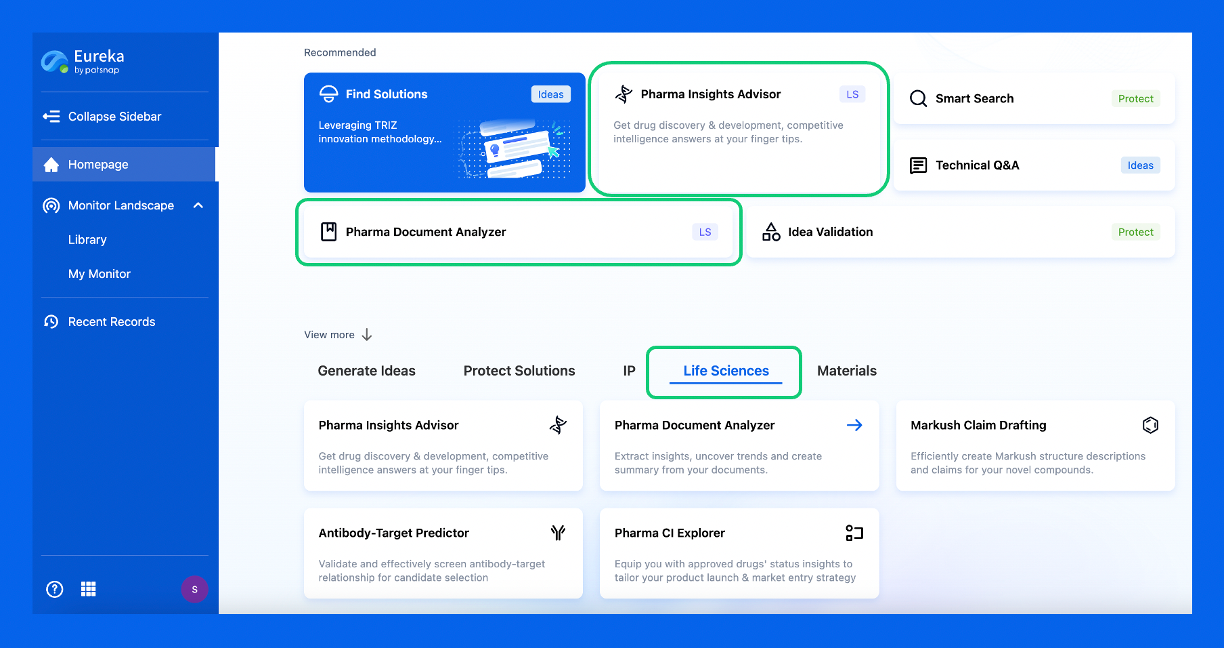
AI Agents Built for Biopharma Breakthroughs
Accelerate discovery. Empower decisions. Transform outcomes.
Get started for free today!
Accelerate Strategic R&D decision making with Synapse, PatSnap’s AI-powered Connected Innovation Intelligence Platform Built for Life Sciences Professionals.
Start your data trial now!
Synapse data is also accessible to external entities via APIs or data packages. Empower better decisions with the latest in pharmaceutical intelligence.