Request Demo
What clinical trials have been conducted for Tezepelumab?
20 March 2025
Overview of Tezepelumab
Tezepelumab is a human monoclonal antibody designed to target thymic stromal lymphopoietin (TSLP), an epithelial cytokine that sits at the top of multiple inflammatory cascades. TSLP is released in response to various environmental stimuli such as allergens, viruses, pollutants, and other triggers that initiate and propagate airway inflammation. By binding to TSLP, tezepelumab prevents its interaction with its receptor complex on target immune cells (e.g., dendritic cells and group 2 innate lymphoid cells), thereby disrupting the downstream release of multiple cytokines (including IL-4, IL-5, and IL-13) that mediate type 2 (T2) inflammation in diseases such as asthma.
Mechanism of Action
The mechanism of action of tezepelumab is distinct when compared with other biologics used in asthma. Rather than targeting a downstream cytokine (such as IL-5 or IgE), it intercepts the signal at its source by inhibiting TSLP, which is one of the key “alarmins” released from the airway epithelial cells. This upstream approach means that tezepelumab has the potential to reduce exacerbations and improve lung function regardless of the patient’s baseline levels of T2 biomarkers such as blood eosinophils or fractional exhaled nitric oxide (FeNO). Clinical findings have demonstrated that tezepelumab may reduce several biomarkers of inflammation (including reductions in blood eosinophil numbers, FeNO, IL-5, IL-13, periostin, and TARC), which in turn suggests a broader anti-inflammatory effect across both T2-high and T2-low asthma phenotypes.
Therapeutic Indications
Tezepelumab has been primarily investigated for the treatment of severe, uncontrolled asthma where standard therapy (typically medium- or high-dose inhaled corticosteroids with additional controllers) does not adequately control symptoms. One of the defining features of tezepelumab is its potential efficacy in patients who do not have elevated levels of T2 inflammatory biomarkers, a population that has been an unmet clinical need with other biologics. In addition to its use in severe asthma, exploratory studies have investigated its effects in related respiratory conditions such as allergic rhinitis and emergency room presentations of asthma, suggesting potential utility beyond the originally approved indication.
Clinical Trials of Tezepelumab
A robust clinical development program has been implemented for tezepelumab, spanning early-phase to pivotal phase III trials. These studies have been conducted globally by sponsors in collaboration with academic and clinical research institutions. The trials are designed not only to confirm the anti-inflammatory properties observed in preclinical work but also to demonstrate significant improvements in clinical outcomes such as reduction in asthma exacerbations, enhancement of lung function measurements (e.g., FEV₁), and improvements in patient-reported outcomes (e.g., Asthma Control Questionnaire scores).
Phase I Trials
Phase I clinical trials for tezepelumab have primarily focused on establishing the safety, tolerability, pharmacokinetics (PK), and immunogenicity profiles of the drug in healthy volunteers as well as in specific populations. For instance, a Phase I study in healthy Japanese men evaluated single doses of tezepelumab administered subcutaneously, demonstrating that the drug was slowly absorbed (with peak serum concentrations observed after 7–10 days) and exhibited linear PK across a range of doses (35–280 mg). This trial confirmed that tezepelumab has an acceptable safety profile with similar tolerability to placebo and minimal immunogenicity, setting the stage for subsequent trials in patient populations. Such phase I studies are critical because they determine the appropriate dosing regimens and ensure that safety signals are understood before moving into heterogeneous patient groups with severe asthma.
Phase II Trials
Building on the encouraging safety and PK outcomes from Phase I trials, several Phase II studies were conducted to explore both efficacy and dose optimization in adults with severe, uncontrolled asthma. In these trials, various dosing regimens were assessed to determine the best balance between clinical efficacy and tolerability. One of the notable Phase IIb studies, often referenced as PATHWAY, evaluated tezepelumab’s ability to reduce annualized asthma exacerbation rates over a treatment period of 52 weeks.
Dose Range and Efficacy Measurement: In these trials, doses such as 70 mg, 210 mg, and higher doses were compared to placebo, with the 210 mg dose emerging as particularly effective in reducing exacerbations across a broad population of patients. The Phase II studies also measured secondary endpoints like prebronchodilator FEV₁ improvement and biomarker reductions (e.g., blood eosinophils, FeNO, and serum IgE).
Biomarker Evaluation: One of the important outcomes in Phase II was that the prevention of asthma exacerbations by tezepelumab occurred irrespective of baseline blood eosinophil counts. This is especially significant given that many available asthma biologics are indicated primarily for eosinophilic asthma. The consistent biomarker reductions provided a confidence basis for advancing tezepelumab into larger, confirmatory Phase III trials.
Phase III Trials
Phase III clinical trials for tezepelumab have been pivotal in establishing the drug’s place in therapy for severe asthma. These trials have been large, multicenter, randomized, double-blind, and placebo-controlled, designed to robustly assess both efficacy and safety over longer treatment durations. Key Phase III studies include:
NAVIGATOR Trial:
The NAVIGATOR trial (registered as NCT03347279) is one of the most important Phase III studies evaluating tezepelumab. In this trial, patients aged 12–80 years with severe, uncontrolled asthma were randomized 1:1 to receive tezepelumab 210 mg subcutaneously every 4 weeks or placebo, in addition to standard of care.
Design and Population: NAVIGATOR enrolled over 1,000 patients from various geographical regions, ensuring a balanced representation of patients with both high and low blood eosinophil counts. A key design aspect was the stratification based on eosinophil levels and FeNO, which allowed researchers to analyze efficacy across different biomarker subgroups.
Primary Endpoint: The primary outcome was the annualized asthma exacerbation rate over a 52-week treatment period. The trial demonstrated that tezepelumab statistically significantly reduced exacerbations compared with placebo in the overall study population. Importantly, significant reductions were observed even in subgroups of patients with baseline blood eosinophil counts below conventional thresholds (e.g., <300 cells/μL and even <150 cells/μL), indicating a benefit for a broad spectrum of patients.
Secondary Endpoints: Secondary endpoints included improvements in lung function as measured by prebronchodilator FEV₁, enhancements in the ACQ scores, and quality-of-life measures. All showed a trend toward improvement with tezepelumab treatment.
SOURCE Trial:
Another key Phase III study is the SOURCE trial (NCT03406078), which primarily investigated the corticosteroid-sparing potential of tezepelumab in patients with oral corticosteroid–dependent severe asthma.
Objective: The primary endpoint was to assess whether tezepelumab could allow for a reduction in the daily OCS dose without loss of asthma control over a treatment period of 48 weeks.
Outcomes and Subgroup Analysis: Although the overall primary endpoint of the study was not met in the entire study population, a post hoc analysis in patients with baseline eosinophil counts ≥150 cells/μL suggested a greater degree of corticosteroid sparing. This trial provided critical insights into the patient subsets more likely to benefit from the drug’s anti-inflammatory effects.
Other Phase III Studies:
In addition to NAVIGATOR and SOURCE, other Phase III trials have explored different aspects of tezepelumab’s clinical benefits. For example, the TERESA study (NCT03406078 in some cases cited as TERESA) focused on tezepelumab-induced clinical remission in severe asthma in a multicenter single-arm trial. Moreover, studies such as the HORIZON trial have been conducted to specifically evaluate tezepelumab’s efficacy and safety in pediatric subjects aged 5 to <12 years with severe asthma.
Study Variants: Some trials have evaluated tezepelumab in the setting of acute exacerbations by evaluating its use in emergency room asthma scenarios (as exemplified by the TERAA trial) and in the context of comorbid conditions such as allergic rhinitis in the TEZARS study. These studies not only broaden the indication spectrum of tezepelumab but also validate its mechanism in reducing airway inflammation acutely and chronically in different clinical settings.
Outcomes and Efficacy
The extensive clinical trial program for tezepelumab has generated a wealth of data on both its efficacy and safety profiles. The subsequent outcomes are viewed from both a clinical and a biomarker perspective, while also evaluating patient subgroups defined by different baseline inflammatory statuses.
Efficacy Results
The clinical outcomes across the trials reinforce the notion that tezepelumab is effective across a heterogeneous population of severe asthma patients. Key findings include:
Reduction in Annualized Asthma Exacerbation Rate:
In the NAVIGATOR trial, the primary outcome was met with a statistically significant reduction in AAER compared to placebo over a 52-week period. The results were impressive in that the benefit was not limited to patients with high eosinophil levels. Even patients with lower baseline levels (e.g., <300 or <150 cells/μL) experienced clinically meaningful reductions, with some analyses reporting up to a 56% overall reduction and up to 77% in subgroups with high inflammatory biomarkers.
Improvements in Lung Function:
One consistent secondary endpoint in both Phase II and Phase III trials was the improvement shown in prebronchodilator forced expiratory volume in one second (FEV₁). In multiple studies, including NAVIGATOR, patients receiving tezepelumab experienced increases in FEV₁ (often in the range of approximately 120–150 mL improvements compared to baseline), which is both statistically and clinically significant.
Enhancements in Patient-Reported Outcomes:
Assessments using the Asthma Control Questionnaire (ACQ) and quality-of-life instruments also showed improvements relative to placebo, reflecting enhanced symptom control and improved overall patient well-being. Although the magnitude of these improvements varied among trials, the trend was consistently favorable for tezepelumab.
Biomarker Reductions:
Tezepelumab has demonstrated the ability to reduce several key inflammatory biomarkers. Phase II and Phase III studies have reported reductions in blood eosinophil counts, FeNO levels, total serum IgE, and even cytokines such as IL-5 and IL-13. The broad-based reduction in biomarkers supports its mechanism of action as an upstream anti-alarmin intervention, and its efficacy in both T2-high and T2-low populations.
Corticosteroid-Sparing Effects:
Although the primary endpoint in the SOURCE trial regarding OCS dose reduction in the overall population was not met, subgroup analyses indicated that patients with a baseline eosinophil count of at least 150 cells/μL might derive more pronounced benefits. These findings provide insight into patient selection for those in whom long-term corticosteroid dependence is a major concern.
Safety and Adverse Effects
Safety evaluations across the clinical studies indicate that tezepelumab is generally well tolerated. The safety profile has been consistent across trials with respect to common adverse events:
Common Adverse Events:
The majority of patients receiving tezepelumab reported adverse events such as nasopharyngitis, headache, and bronchitis. These events were mostly of mild-to-moderate severity and occurred at similar rates compared with placebo groups in the pivotal trials.
Serious Adverse Events:
Across the Phase III clinical trial programs including NAVIGATOR and SOURCE, no major safety signals were identified. In the NAVIGATOR trial, the incidence of serious adverse events was significantly lower in the tezepelumab arm compared to placebo, and no unexpected safety issues or anaphylactic reactions were observed. This points to a favorable risk–benefit profile even in a population with severe, difficult-to-control asthma.
Tolerability in Special Populations:
In pediatric populations and other subgroups (e.g., patients with low T2 biomarkers), tezepelumab maintained a consistent safety profile. This broad tolerability is especially important because it suggests that the drug can be used in diverse patient groups with severe asthma.
Immunogenicity:
The phase I trial and subsequent studies documented a low incidence of anti-drug antibodies. The minimal immunogenicity is a key safety feature for long-term administration of a biologic therapy and contributes to its overall safety profile.
Implications and Future Directions
The clinical trial evidence generated to date for tezepelumab underscores its potential to alter clinical practice in severe asthma, particularly by addressing the unmet needs of patients who are nonresponsive to other biologics. A broad evaluation of the outcomes and emerging data from different trial phases reveals several facets for future research and clinical application.
Impact on Treatment Guidelines
The robust Phase III data from NAVIGATOR, SOURCE, and other studies have had a notable impact on treatment guidelines for severe asthma:
Broad Applicability:
Unlike many currently available biologic therapies that are aimed predominantly at T2-high asthma phenotypes (e.g., those with high eosinophil counts), tezepelumab has demonstrated efficacy in a broader patient population, including those with lower levels of airway inflammation. This has led to discussions about revising treatment algorithms to incorporate tezepelumab as a viable option for patients beyond the traditional candidacy criteria.
Reduction of Exacerbations:
With statistically significant reductions in exacerbations across both high and low inflammatory biomarker populations, tezepelumab is being considered as a first-line biologic option for patients with poorly controlled severe asthma. These findings are driving updates in national and international asthma management guidelines, with professional societies now referencing the utility of upstream inhibitors such as tezepelumab.
Steroid-Sparing Potential:
Although the OCS-sparing benefits observed in SOURCE were more evident in certain subgroups, the possibility of reducing reliance on long-term systemic corticosteroids has implications for mitigating steroid-associated side effects. This aspect, if further refined in ongoing studies, may contribute to more personalized treatment pathways within severe asthma guidelines.
Ongoing and Future Research
Further research continues to refine the clinical utility, safety, and broader applications of tezepelumab. Future directions include:
Extended Follow-Up Studies:
Long-term extension studies such as DESTINATION are designed to assess the prolonged safety and sustained efficacy of tezepelumab over periods exceeding 104 weeks. These studies are critical for evaluating the durability of the response and understanding any long-term adverse events that may arise.
Mechanistic and Biomarker Studies:
Detailed mechanistic studies continue to explore the breadth of anti-inflammatory effects of tezepelumab. Future research may seek to integrate advanced biomarker analyses to predict which subsets of patients will derive the most benefit. This includes defining thresholds for blood eosinophils, FeNO measurements, and perhaps genetic markers that can identify responders.
Expanding Indications:
Several ongoing Phase II and Phase III trials are examining tezepelumab in indications beyond severe asthma. Trials such as TEZARS (investigating co-morbid allergic rhinitis and asthma), TERAA (examining use in emergency room settings), and studies in eosinophilic esophagitis or chronic rhinosinusitis with nasal polyps suggest that tezepelumab’s therapeutic reach may be broader than initially appreciated.
Pediatric and Special Populations:
Dedicated studies in pediatric populations (e.g., the HORIZON study) continue to evaluate the drug’s efficacy and safety in children aged 5 to <12 years. Similar efforts in other vulnerable groups (such as the elderly or those with comorbidities) will provide comprehensive data to support its use in these populations.
Real-World Evidence (RWE):
Beyond randomized controlled trials, observational studies and patient registries are being implemented to gather real-world evidence regarding tezepelumab’s performance in everyday clinical settings. RWE can provide insights into long-term adherence, economic impacts, and comparative effectiveness relative to other biologics, further informing future treatment guidelines.
Combination Therapies and Personalized Medicine:
Another emerging research direction is exploring tezepelumab in combination with other therapies. Learning from the successes in asthma management that involve multi-drug regimens (e.g., triple therapy combining ICS, LABA, and LAMA), future studies may evaluate whether tezepelumab can be synergistically employed with other biologics or small-molecule drugs to optimize patient outcomes.
Global Health and Regulatory Perspectives:
As tezepelumab moves toward regulatory approval in several jurisdictions, international research collaborations are focusing on harmonizing trial protocols and ensuring that data from diverse populations are available. These efforts not only support regulatory submissions but also help shape global clinical practice guidelines.
Conclusion
In summary, the clinical trials conducted for tezepelumab have spanned the full gamut of drug development—from early-phase safety and pharmacokinetic studies in healthy volunteers (Phase I) to dose-ranging and efficacy evaluations in severe asthma patients (Phase II) and large-scale, multicenter confirmatory trials (Phase III).
Phase I trials confirmed its favorable pharmacokinetic profile, safety, and minimal immunogenicity in populations including Japanese men. Building on these findings, Phase II trials such as the PATHWAY study established the drug’s promising efficacy by demonstrating significant reductions in asthma exacerbation rates and improvements in lung function across varying doses. They also importantly highlighted the drug’s potential to reduce T2 inflammatory biomarkers across both high and low baseline levels.
Most notably, the NAVIGATOR trial in Phase III provided compelling evidence that tezepelumab significantly reduces the annualized rate of asthma exacerbations over 52 weeks even in patients traditionally considered less likely to respond (those with low eosinophil counts). The SOURCE trial further expanded on its corticosteroid-sparing potential, particularly in specific biomarker-defined subgroups. Additional Phase III studies, such as those evaluating pediatric patients (HORIZON) and studies in other settings (TEZARS, TERAA), broaden the spectrum of clinical applications and pave the way for an expanded label.
From an outcomes perspective, tezepelumab has yielded improvements in both clinical endpoints (exacerbation rates, FEV₁, and patient-reported symptom scores) and biomarker endpoints (significant reductions in eosinophils, FeNO, IgE, and pro-inflammatory cytokines). In terms of safety, the data consistently show that the drug is well tolerated with a low incidence of serious adverse events and a safety profile comparable to placebo.
The implications of these trials are far reaching. Tezepelumab has the potential to redefine treatment guidelines for severe asthma by offering an effective option for a broad patient population, including those who are nonresponsive to other biologic therapies. Ongoing and future studies—such as long-term extension trials (DESTINATION), mechanistic biomarker studies, and real-world evidence projects—will further clarify its place in therapy and might even facilitate its use in related diseases beyond asthma.
In conclusion, tezepelumab’s extensive clinical trial program conducted to date—spanning Phase I to Phase III studies—provides a compelling demonstration of its efficacy and safety in severe asthma. The trials not only reveal significant improvements in critical clinical outcomes, but they also illustrate the drug’s potential to serve patients irrespective of traditional inflammatory biomarkers. With promising data supporting its use, tezepelumab is likely to have a major impact on future treatment paradigms and guidelines, and ongoing research will continue to expand its therapeutic indications and optimize its clinical application. This comprehensive body of evidence underscores the promise of targeting upstream cytokines such as TSLP in the management of complex respiratory diseases and sets the stage for continued innovation in precision medicine for asthma.
Tezepelumab is a human monoclonal antibody designed to target thymic stromal lymphopoietin (TSLP), an epithelial cytokine that sits at the top of multiple inflammatory cascades. TSLP is released in response to various environmental stimuli such as allergens, viruses, pollutants, and other triggers that initiate and propagate airway inflammation. By binding to TSLP, tezepelumab prevents its interaction with its receptor complex on target immune cells (e.g., dendritic cells and group 2 innate lymphoid cells), thereby disrupting the downstream release of multiple cytokines (including IL-4, IL-5, and IL-13) that mediate type 2 (T2) inflammation in diseases such as asthma.
Mechanism of Action
The mechanism of action of tezepelumab is distinct when compared with other biologics used in asthma. Rather than targeting a downstream cytokine (such as IL-5 or IgE), it intercepts the signal at its source by inhibiting TSLP, which is one of the key “alarmins” released from the airway epithelial cells. This upstream approach means that tezepelumab has the potential to reduce exacerbations and improve lung function regardless of the patient’s baseline levels of T2 biomarkers such as blood eosinophils or fractional exhaled nitric oxide (FeNO). Clinical findings have demonstrated that tezepelumab may reduce several biomarkers of inflammation (including reductions in blood eosinophil numbers, FeNO, IL-5, IL-13, periostin, and TARC), which in turn suggests a broader anti-inflammatory effect across both T2-high and T2-low asthma phenotypes.
Therapeutic Indications
Tezepelumab has been primarily investigated for the treatment of severe, uncontrolled asthma where standard therapy (typically medium- or high-dose inhaled corticosteroids with additional controllers) does not adequately control symptoms. One of the defining features of tezepelumab is its potential efficacy in patients who do not have elevated levels of T2 inflammatory biomarkers, a population that has been an unmet clinical need with other biologics. In addition to its use in severe asthma, exploratory studies have investigated its effects in related respiratory conditions such as allergic rhinitis and emergency room presentations of asthma, suggesting potential utility beyond the originally approved indication.
Clinical Trials of Tezepelumab
A robust clinical development program has been implemented for tezepelumab, spanning early-phase to pivotal phase III trials. These studies have been conducted globally by sponsors in collaboration with academic and clinical research institutions. The trials are designed not only to confirm the anti-inflammatory properties observed in preclinical work but also to demonstrate significant improvements in clinical outcomes such as reduction in asthma exacerbations, enhancement of lung function measurements (e.g., FEV₁), and improvements in patient-reported outcomes (e.g., Asthma Control Questionnaire scores).
Phase I Trials
Phase I clinical trials for tezepelumab have primarily focused on establishing the safety, tolerability, pharmacokinetics (PK), and immunogenicity profiles of the drug in healthy volunteers as well as in specific populations. For instance, a Phase I study in healthy Japanese men evaluated single doses of tezepelumab administered subcutaneously, demonstrating that the drug was slowly absorbed (with peak serum concentrations observed after 7–10 days) and exhibited linear PK across a range of doses (35–280 mg). This trial confirmed that tezepelumab has an acceptable safety profile with similar tolerability to placebo and minimal immunogenicity, setting the stage for subsequent trials in patient populations. Such phase I studies are critical because they determine the appropriate dosing regimens and ensure that safety signals are understood before moving into heterogeneous patient groups with severe asthma.
Phase II Trials
Building on the encouraging safety and PK outcomes from Phase I trials, several Phase II studies were conducted to explore both efficacy and dose optimization in adults with severe, uncontrolled asthma. In these trials, various dosing regimens were assessed to determine the best balance between clinical efficacy and tolerability. One of the notable Phase IIb studies, often referenced as PATHWAY, evaluated tezepelumab’s ability to reduce annualized asthma exacerbation rates over a treatment period of 52 weeks.
Dose Range and Efficacy Measurement: In these trials, doses such as 70 mg, 210 mg, and higher doses were compared to placebo, with the 210 mg dose emerging as particularly effective in reducing exacerbations across a broad population of patients. The Phase II studies also measured secondary endpoints like prebronchodilator FEV₁ improvement and biomarker reductions (e.g., blood eosinophils, FeNO, and serum IgE).
Biomarker Evaluation: One of the important outcomes in Phase II was that the prevention of asthma exacerbations by tezepelumab occurred irrespective of baseline blood eosinophil counts. This is especially significant given that many available asthma biologics are indicated primarily for eosinophilic asthma. The consistent biomarker reductions provided a confidence basis for advancing tezepelumab into larger, confirmatory Phase III trials.
Phase III Trials
Phase III clinical trials for tezepelumab have been pivotal in establishing the drug’s place in therapy for severe asthma. These trials have been large, multicenter, randomized, double-blind, and placebo-controlled, designed to robustly assess both efficacy and safety over longer treatment durations. Key Phase III studies include:
NAVIGATOR Trial:
The NAVIGATOR trial (registered as NCT03347279) is one of the most important Phase III studies evaluating tezepelumab. In this trial, patients aged 12–80 years with severe, uncontrolled asthma were randomized 1:1 to receive tezepelumab 210 mg subcutaneously every 4 weeks or placebo, in addition to standard of care.
Design and Population: NAVIGATOR enrolled over 1,000 patients from various geographical regions, ensuring a balanced representation of patients with both high and low blood eosinophil counts. A key design aspect was the stratification based on eosinophil levels and FeNO, which allowed researchers to analyze efficacy across different biomarker subgroups.
Primary Endpoint: The primary outcome was the annualized asthma exacerbation rate over a 52-week treatment period. The trial demonstrated that tezepelumab statistically significantly reduced exacerbations compared with placebo in the overall study population. Importantly, significant reductions were observed even in subgroups of patients with baseline blood eosinophil counts below conventional thresholds (e.g., <300 cells/μL and even <150 cells/μL), indicating a benefit for a broad spectrum of patients.
Secondary Endpoints: Secondary endpoints included improvements in lung function as measured by prebronchodilator FEV₁, enhancements in the ACQ scores, and quality-of-life measures. All showed a trend toward improvement with tezepelumab treatment.
SOURCE Trial:
Another key Phase III study is the SOURCE trial (NCT03406078), which primarily investigated the corticosteroid-sparing potential of tezepelumab in patients with oral corticosteroid–dependent severe asthma.
Objective: The primary endpoint was to assess whether tezepelumab could allow for a reduction in the daily OCS dose without loss of asthma control over a treatment period of 48 weeks.
Outcomes and Subgroup Analysis: Although the overall primary endpoint of the study was not met in the entire study population, a post hoc analysis in patients with baseline eosinophil counts ≥150 cells/μL suggested a greater degree of corticosteroid sparing. This trial provided critical insights into the patient subsets more likely to benefit from the drug’s anti-inflammatory effects.
Other Phase III Studies:
In addition to NAVIGATOR and SOURCE, other Phase III trials have explored different aspects of tezepelumab’s clinical benefits. For example, the TERESA study (NCT03406078 in some cases cited as TERESA) focused on tezepelumab-induced clinical remission in severe asthma in a multicenter single-arm trial. Moreover, studies such as the HORIZON trial have been conducted to specifically evaluate tezepelumab’s efficacy and safety in pediatric subjects aged 5 to <12 years with severe asthma.
Study Variants: Some trials have evaluated tezepelumab in the setting of acute exacerbations by evaluating its use in emergency room asthma scenarios (as exemplified by the TERAA trial) and in the context of comorbid conditions such as allergic rhinitis in the TEZARS study. These studies not only broaden the indication spectrum of tezepelumab but also validate its mechanism in reducing airway inflammation acutely and chronically in different clinical settings.
Outcomes and Efficacy
The extensive clinical trial program for tezepelumab has generated a wealth of data on both its efficacy and safety profiles. The subsequent outcomes are viewed from both a clinical and a biomarker perspective, while also evaluating patient subgroups defined by different baseline inflammatory statuses.
Efficacy Results
The clinical outcomes across the trials reinforce the notion that tezepelumab is effective across a heterogeneous population of severe asthma patients. Key findings include:
Reduction in Annualized Asthma Exacerbation Rate:
In the NAVIGATOR trial, the primary outcome was met with a statistically significant reduction in AAER compared to placebo over a 52-week period. The results were impressive in that the benefit was not limited to patients with high eosinophil levels. Even patients with lower baseline levels (e.g., <300 or <150 cells/μL) experienced clinically meaningful reductions, with some analyses reporting up to a 56% overall reduction and up to 77% in subgroups with high inflammatory biomarkers.
Improvements in Lung Function:
One consistent secondary endpoint in both Phase II and Phase III trials was the improvement shown in prebronchodilator forced expiratory volume in one second (FEV₁). In multiple studies, including NAVIGATOR, patients receiving tezepelumab experienced increases in FEV₁ (often in the range of approximately 120–150 mL improvements compared to baseline), which is both statistically and clinically significant.
Enhancements in Patient-Reported Outcomes:
Assessments using the Asthma Control Questionnaire (ACQ) and quality-of-life instruments also showed improvements relative to placebo, reflecting enhanced symptom control and improved overall patient well-being. Although the magnitude of these improvements varied among trials, the trend was consistently favorable for tezepelumab.
Biomarker Reductions:
Tezepelumab has demonstrated the ability to reduce several key inflammatory biomarkers. Phase II and Phase III studies have reported reductions in blood eosinophil counts, FeNO levels, total serum IgE, and even cytokines such as IL-5 and IL-13. The broad-based reduction in biomarkers supports its mechanism of action as an upstream anti-alarmin intervention, and its efficacy in both T2-high and T2-low populations.
Corticosteroid-Sparing Effects:
Although the primary endpoint in the SOURCE trial regarding OCS dose reduction in the overall population was not met, subgroup analyses indicated that patients with a baseline eosinophil count of at least 150 cells/μL might derive more pronounced benefits. These findings provide insight into patient selection for those in whom long-term corticosteroid dependence is a major concern.
Safety and Adverse Effects
Safety evaluations across the clinical studies indicate that tezepelumab is generally well tolerated. The safety profile has been consistent across trials with respect to common adverse events:
Common Adverse Events:
The majority of patients receiving tezepelumab reported adverse events such as nasopharyngitis, headache, and bronchitis. These events were mostly of mild-to-moderate severity and occurred at similar rates compared with placebo groups in the pivotal trials.
Serious Adverse Events:
Across the Phase III clinical trial programs including NAVIGATOR and SOURCE, no major safety signals were identified. In the NAVIGATOR trial, the incidence of serious adverse events was significantly lower in the tezepelumab arm compared to placebo, and no unexpected safety issues or anaphylactic reactions were observed. This points to a favorable risk–benefit profile even in a population with severe, difficult-to-control asthma.
Tolerability in Special Populations:
In pediatric populations and other subgroups (e.g., patients with low T2 biomarkers), tezepelumab maintained a consistent safety profile. This broad tolerability is especially important because it suggests that the drug can be used in diverse patient groups with severe asthma.
Immunogenicity:
The phase I trial and subsequent studies documented a low incidence of anti-drug antibodies. The minimal immunogenicity is a key safety feature for long-term administration of a biologic therapy and contributes to its overall safety profile.
Implications and Future Directions
The clinical trial evidence generated to date for tezepelumab underscores its potential to alter clinical practice in severe asthma, particularly by addressing the unmet needs of patients who are nonresponsive to other biologics. A broad evaluation of the outcomes and emerging data from different trial phases reveals several facets for future research and clinical application.
Impact on Treatment Guidelines
The robust Phase III data from NAVIGATOR, SOURCE, and other studies have had a notable impact on treatment guidelines for severe asthma:
Broad Applicability:
Unlike many currently available biologic therapies that are aimed predominantly at T2-high asthma phenotypes (e.g., those with high eosinophil counts), tezepelumab has demonstrated efficacy in a broader patient population, including those with lower levels of airway inflammation. This has led to discussions about revising treatment algorithms to incorporate tezepelumab as a viable option for patients beyond the traditional candidacy criteria.
Reduction of Exacerbations:
With statistically significant reductions in exacerbations across both high and low inflammatory biomarker populations, tezepelumab is being considered as a first-line biologic option for patients with poorly controlled severe asthma. These findings are driving updates in national and international asthma management guidelines, with professional societies now referencing the utility of upstream inhibitors such as tezepelumab.
Steroid-Sparing Potential:
Although the OCS-sparing benefits observed in SOURCE were more evident in certain subgroups, the possibility of reducing reliance on long-term systemic corticosteroids has implications for mitigating steroid-associated side effects. This aspect, if further refined in ongoing studies, may contribute to more personalized treatment pathways within severe asthma guidelines.
Ongoing and Future Research
Further research continues to refine the clinical utility, safety, and broader applications of tezepelumab. Future directions include:
Extended Follow-Up Studies:
Long-term extension studies such as DESTINATION are designed to assess the prolonged safety and sustained efficacy of tezepelumab over periods exceeding 104 weeks. These studies are critical for evaluating the durability of the response and understanding any long-term adverse events that may arise.
Mechanistic and Biomarker Studies:
Detailed mechanistic studies continue to explore the breadth of anti-inflammatory effects of tezepelumab. Future research may seek to integrate advanced biomarker analyses to predict which subsets of patients will derive the most benefit. This includes defining thresholds for blood eosinophils, FeNO measurements, and perhaps genetic markers that can identify responders.
Expanding Indications:
Several ongoing Phase II and Phase III trials are examining tezepelumab in indications beyond severe asthma. Trials such as TEZARS (investigating co-morbid allergic rhinitis and asthma), TERAA (examining use in emergency room settings), and studies in eosinophilic esophagitis or chronic rhinosinusitis with nasal polyps suggest that tezepelumab’s therapeutic reach may be broader than initially appreciated.
Pediatric and Special Populations:
Dedicated studies in pediatric populations (e.g., the HORIZON study) continue to evaluate the drug’s efficacy and safety in children aged 5 to <12 years. Similar efforts in other vulnerable groups (such as the elderly or those with comorbidities) will provide comprehensive data to support its use in these populations.
Real-World Evidence (RWE):
Beyond randomized controlled trials, observational studies and patient registries are being implemented to gather real-world evidence regarding tezepelumab’s performance in everyday clinical settings. RWE can provide insights into long-term adherence, economic impacts, and comparative effectiveness relative to other biologics, further informing future treatment guidelines.
Combination Therapies and Personalized Medicine:
Another emerging research direction is exploring tezepelumab in combination with other therapies. Learning from the successes in asthma management that involve multi-drug regimens (e.g., triple therapy combining ICS, LABA, and LAMA), future studies may evaluate whether tezepelumab can be synergistically employed with other biologics or small-molecule drugs to optimize patient outcomes.
Global Health and Regulatory Perspectives:
As tezepelumab moves toward regulatory approval in several jurisdictions, international research collaborations are focusing on harmonizing trial protocols and ensuring that data from diverse populations are available. These efforts not only support regulatory submissions but also help shape global clinical practice guidelines.
Conclusion
In summary, the clinical trials conducted for tezepelumab have spanned the full gamut of drug development—from early-phase safety and pharmacokinetic studies in healthy volunteers (Phase I) to dose-ranging and efficacy evaluations in severe asthma patients (Phase II) and large-scale, multicenter confirmatory trials (Phase III).
Phase I trials confirmed its favorable pharmacokinetic profile, safety, and minimal immunogenicity in populations including Japanese men. Building on these findings, Phase II trials such as the PATHWAY study established the drug’s promising efficacy by demonstrating significant reductions in asthma exacerbation rates and improvements in lung function across varying doses. They also importantly highlighted the drug’s potential to reduce T2 inflammatory biomarkers across both high and low baseline levels.
Most notably, the NAVIGATOR trial in Phase III provided compelling evidence that tezepelumab significantly reduces the annualized rate of asthma exacerbations over 52 weeks even in patients traditionally considered less likely to respond (those with low eosinophil counts). The SOURCE trial further expanded on its corticosteroid-sparing potential, particularly in specific biomarker-defined subgroups. Additional Phase III studies, such as those evaluating pediatric patients (HORIZON) and studies in other settings (TEZARS, TERAA), broaden the spectrum of clinical applications and pave the way for an expanded label.
From an outcomes perspective, tezepelumab has yielded improvements in both clinical endpoints (exacerbation rates, FEV₁, and patient-reported symptom scores) and biomarker endpoints (significant reductions in eosinophils, FeNO, IgE, and pro-inflammatory cytokines). In terms of safety, the data consistently show that the drug is well tolerated with a low incidence of serious adverse events and a safety profile comparable to placebo.
The implications of these trials are far reaching. Tezepelumab has the potential to redefine treatment guidelines for severe asthma by offering an effective option for a broad patient population, including those who are nonresponsive to other biologic therapies. Ongoing and future studies—such as long-term extension trials (DESTINATION), mechanistic biomarker studies, and real-world evidence projects—will further clarify its place in therapy and might even facilitate its use in related diseases beyond asthma.
In conclusion, tezepelumab’s extensive clinical trial program conducted to date—spanning Phase I to Phase III studies—provides a compelling demonstration of its efficacy and safety in severe asthma. The trials not only reveal significant improvements in critical clinical outcomes, but they also illustrate the drug’s potential to serve patients irrespective of traditional inflammatory biomarkers. With promising data supporting its use, tezepelumab is likely to have a major impact on future treatment paradigms and guidelines, and ongoing research will continue to expand its therapeutic indications and optimize its clinical application. This comprehensive body of evidence underscores the promise of targeting upstream cytokines such as TSLP in the management of complex respiratory diseases and sets the stage for continued innovation in precision medicine for asthma.
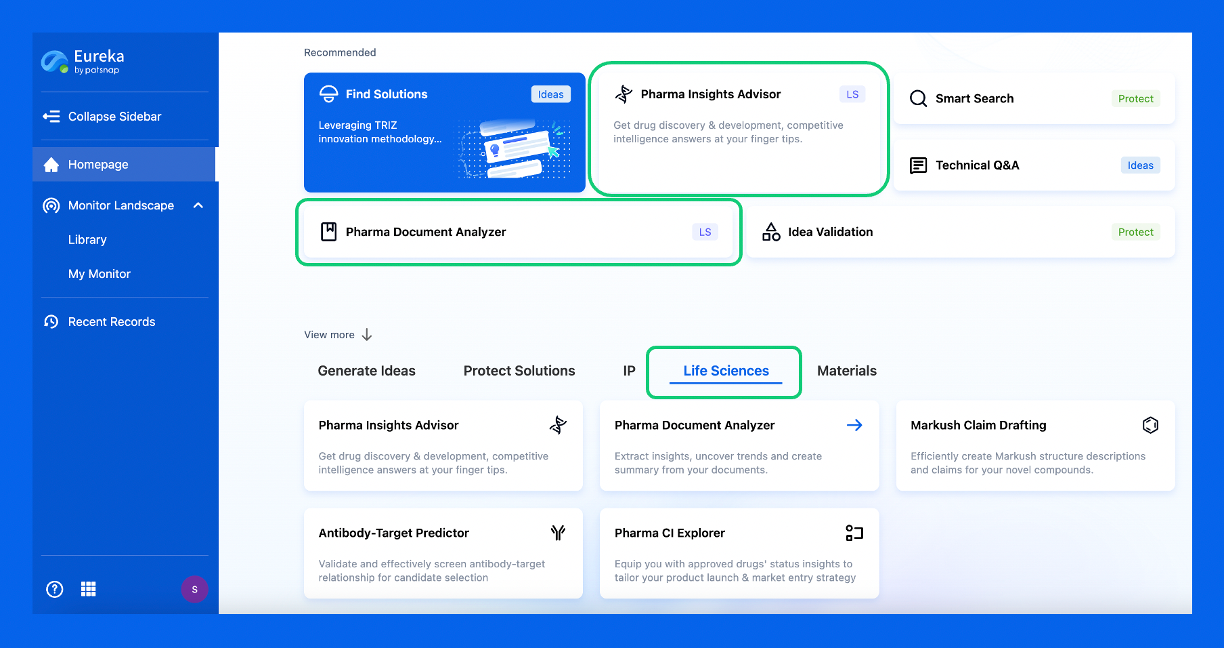
Discover Eureka LS: AI Agents Built for Biopharma Efficiency
Stop wasting time on biopharma busywork. Meet Eureka LS - your AI agent squad for drug discovery.
▶ See how 50+ research teams saved 300+ hours/month
From reducing screening time to simplifying Markush drafting, our AI Agents are ready to deliver immediate value. Explore Eureka LS today and unlock powerful capabilities that help you innovate with confidence.
AI Agents Built for Biopharma Breakthroughs
Accelerate discovery. Empower decisions. Transform outcomes.
Get started for free today!
Accelerate Strategic R&D decision making with Synapse, PatSnap’s AI-powered Connected Innovation Intelligence Platform Built for Life Sciences Professionals.
Start your data trial now!
Synapse data is also accessible to external entities via APIs or data packages. Empower better decisions with the latest in pharmaceutical intelligence.