What diseases does Obinutuzumab treat?
Introduction to Obinutuzumab
Obinutuzumab is a humanized, glycoengineered monoclonal antibody that targets the CD20 antigen expressed on the surface of mature B cells. Its unique mechanism of action differs from that of first‐generation anti-CD20 antibodies, such as rituximab, by being classified as a type II antibody. This classification is based on its ability to induce direct, caspase-independent cell death via non-apoptotic mechanisms while also exhibiting enhanced antibody-dependent cell-mediated cytotoxicity (ADCC) and reduced complement-dependent cytotoxicity (CDC) effects. The glycoengineering optimizes its Fc region, allowing increased binding to FcγRIII receptors on immune effector cells, which further enhances its cytotoxic potential against malignant B cells. This multifaceted mode of action not only induces direct cytolytic effects on B cells but also recruits the host’s immune system effectively to mediate anti-tumor responses.
Development History and Approval Status
Obinutuzumab has undergone a rigorous developmental pathway, beginning with preclinical studies which demonstrated its superior B-cell depletion and antitumor activity when compared to earlier CD20-targeting agents. Its enhanced potency was corroborated in various xenograft models and cellular assays; these studies showed that obinutuzumab achieved enhanced direct cell death and immune effector cell-mediated cytotoxicity. Clinical development progressed through phase I and phase II studies—such as the GAUGUIN trial—and ultimately, phase III studies that established its clinical benefit particularly in chronic lymphocytic leukemia (CLL) when used in combination with agents like chlorambucil. In 2013, obinutuzumab received regulatory approval in the United States for the treatment of CLL in combination with chlorambucil, marking a significant milestone in the evolution of anti-CD20 therapies. Its approval was based on compelling clinical data that demonstrated improved progression-free survival (PFS) and overall response rates relative to existing therapies. The continued interest in obinutuzumab is reflected in ongoing studies evaluating its utility both as a monotherapy and in combination regimens.
Diseases Treated by Obinutuzumab
Hematologic Malignancies
Obinutuzumab’s most established therapeutic role is in the treatment of hematologic malignancies. The primary indication for its use is chronic lymphocytic leukemia (CLL). In clinical practice, particularly for elderly patients or those with significant comorbidities, obinutuzumab is used in combination with chlorambucil as first-line therapy for CLL. Numerous clinical trials, including the landmark Phase III CLL11 study, established that an obinutuzumab/chlorambucil regimen provided a significant improvement in progression-free survival compared to both chlorambucil monotherapy and rituximab/chlorambucil combination therapy. The improved clinical outcomes include superior rates of B-cell depletion, reduction in tumor burden, and extended duration of response.
Beyond CLL, obinutuzumab has also been investigated and applied in other B-cell malignancies. This includes its use in indolent non-Hodgkin lymphomas (iNHLs) such as follicular lymphoma (FL). Preclinical and clinical studies have demonstrated that obinutuzumab, by virtue of its enhanced cytotoxicity, is effective in patients who have relapsed or are refractory to first-line anti-CD20 therapies like rituximab. In these settings, obinutuzumab has shown promising overall response rates, particularly as a second-line or salvage therapy in patients with FL and other indolent lymphomas. Additionally, certain phase III studies have examined its role in combination with chemotherapy agents like bendamustine in rituximab-refractory settings, finding that obinutuzumab-based regimens may yield deeper remission and improved minimal residual disease (MRD) negativity compared to chemotherapy alone.
Another hematologic malignancy where obinutuzumab shows promise includes diffuse large B-cell lymphoma (DLBCL). Although rituximab remains a mainstay in the treatment of DLBCL, the unique properties of obinutuzumab are being explored in clinical trials to assess its potential benefits, especially in patients who do not respond well to traditional therapies. Its differential binding characteristics and potent immune recruitment mechanisms are anticipated to translate into clinical efficacy in these more aggressive lymphomas. Notably, its enhanced ADCC and direct cell death mechanisms provide a scientific rationale for extending its application in various B-cell derived malignancies beyond CLL, including mantle cell lymphoma and potentially other non-Hodgkin lymphomas.
Other Potential Therapeutic Areas
Though hematologic malignancies represent the flagship indication for obinutuzumab, there is emerging evidence that this agent may have utility in other disease areas. Case reports and small-scale studies have begun to explore its use in autoimmune conditions. For example, a case report highlighted the successful use of obinutuzumab in a patient with both chronic lymphocytic leukemia and rheumatoid arthritis, suggesting that this antibody may help address autoimmune manifestations by depleting autoreactive B cells. This is particularly notable in patients who have experienced suboptimal responses or resistance to traditional anti-CD20 therapies like rituximab. In these instances, obinutuzumab’s stronger binding and cytotoxic potential offer a novel alternative for patients with complex overlapping disease states.
There also exists experimental interest in its use for systemic lupus erythematosus (SLE). SLE, being a prototypical B-cell mediated autoimmune disease, might benefit from strategies that target CD20-positive B cells. Preliminary studies indicate that obinutuzumab can lead to significant improvements in disease activity scores in SLE patients who have shown secondary non-response to rituximab, with favorable changes in serological markers such as complement levels and anti-dsDNA antibodies. Although the evidence in this therapeutic area is still emerging and requires further validation through larger, controlled studies, these early observations suggest a broader potential use of obinutuzumab in the management of autoimmune diseases alongside its established role in oncology.
In summary, while the core use of obinutuzumab remains in the realm of B-cell hematologic malignancies—with chronic lymphocytic leukemia and various forms of non-Hodgkin lymphomas as primary targets—the drug’s potent B-cell depletion mechanism has spurred interest in its off-label or future application in selected autoimmune diseases. This expansion of therapeutic scope underscores the evolving understanding of B-cell pathophysiology in diverse disease processes.
Clinical Efficacy and Safety
Clinical Trial Results
Clinical efficacy of obinutuzumab has been well documented across multiple trials. The Phase III CLL11 trial, which compared obinutuzumab/chlorambucil to rituximab/chlorambucil and chlorambucil monotherapy, remains one of the most pivotal studies underpinning its approval for CLL. In this trial, obinutuzumab plus chlorambucil resulted in a median progression-free survival of approximately 26.7 months compared to 15.2 months with rituximab/chlorambucil and only 11.1 months with chlorambucil alone. This significant improvement in PFS, along with an enhanced overall response rate, demonstrated that the enhanced B-cell depletion properties of obinutuzumab translate directly into superior clinical outcomes.
Other clinical studies have further characterized its efficacy in refractory and relapsed settings. In phase I/II studies like GAUGUIN, obinutuzumab monotherapy produced encouraging overall response rates in heavily pretreated patients with indolent non-Hodgkin lymphomas, including cases that were refractory to previous anti-CD20 therapies. Additionally, phase III clinical investigations in patients with indolent lymphomas have provided evidence that obinutuzumab, especially when combined with chemotherapeutic agents such as bendamustine, offers improved depth of response and a higher rate of achieving minimal residual disease negativity over standard treatments.
Obinutuzumab has also been evaluated in combination regimens to target aggressive B-cell malignancies such as DLBCL and mantle cell lymphoma. While rituximab remains the current standard in many of these cases, obinutuzumab’s enhanced potency is being systematically investigated in various settings to identify patient subsets that might benefit from an alternative mechanism of action. It is evident that the timing of obinutuzumab administration, its dosing schedule (for example, a higher initial loading dose has been explored to overcome rapid clearance in the first cycle), and combination with complementary agents have all contributed to improvements in clinical efficacy across diverse patient populations.
Side Effects and Management
The safety profile of obinutuzumab, while generally acceptable and comparable to first-generation anti-CD20 antibodies, is characterized by certain predictable adverse events. Infusion-related reactions (IRRs) are the most common adverse events and have been prominently noted in clinical trials. In the CLL11 trial, the incidence of severe (grade 3–4) IRRs was reported to be around 20%, considerably higher than what is observed with rituximab; however, most reactions occur during the first infusion and are manageable with premedication measures and careful infusion rate adjustments.
Beyond IRRs, other side effects include hematologic toxicities such as neutropenia, thrombocytopenia, and anemia. These side effects are often related to the potent B-cell depletion properties of the drug, which, while central to its mechanism of action, require vigilant monitoring and supportive care management to prevent severe complications. In studies evaluating obinutuzumab in frontline therapy for CLL, cytopenias were frequently managed with dose modifications and supportive interventions like growth factor administration.
Management strategies for these adverse events inevitably include a combination of supportive therapies, careful patient selection, and premedication protocols—such as the use of corticosteroids, antihistamines, and antipyretics—to minimize the incidence and severity of IRRs before treatment initiation. Furthermore, continuous monitoring of blood counts and timely intervention in the case of emergent cytopenias are key components of the clinical strategy for mitigating toxicity. Despite these side effects, the overall safety profile remains acceptable, and serious adverse effects have been managed effectively in both clinical trials and in routine practice.
Future Directions and Research
Ongoing Clinical Trials
Research on obinutuzumab is continuing unabated, with a number of ongoing clinical trials aimed at further broadening its application and refining its therapeutic use. Many of these trials are focused on hematologic malignancies, particularly in patient populations that are either refractory to rituximab or have specific adverse prognostic features, such as high tumor burden or adverse cytogenetics. Current clinical trials are investigating novel dosing regimens, combination partners (e.g., with targeted therapies, BTK inhibitors like zanubrutinib, or chemotherapeutic regimens such as bendamustine), and maintenance strategies to sustain remission.
Trials also focus on elucidating the pharmacokinetic and pharmacodynamic properties of obinutuzumab in various clinical settings to better understand its clearance mechanisms and optimize dosing protocols, especially in populations with low or high body surface area variations. These studies are critical in refining the use of this drug in diverse patient populations and ensuring the best possible balance between efficacy and safety. In addition, ongoing trials are exploring its utility in relapsed or refractory non-Hodgkin lymphomas, including DLBCL and mantle cell lymphoma, to define the subsets of patients who might derive the most benefit.
Potential for Combination Therapies
One of the most promising avenues for future research involves the use of obinutuzumab in combination with other therapeutics. Given its potent B-cell depletion capabilities and enhanced ADCC, combination regimens with chemotherapeutic agents, small molecule inhibitors, and other targeted therapies offer the potential to further improve outcomes. For example, studies have shown that the combination of obinutuzumab with bendamustine results in extended progression-free survival compared to bendamustine monotherapy in refractory patients. Similarly, the combination of obinutuzumab with novel agents such as BTK inhibitors, Bcl-2 inhibitors, or even immunomodulatory drugs is being actively evaluated for synergistic anti-tumor activity in both frontline and salvage settings.
There is also ongoing exploration of obinutuzumab’s role in reducing minimal residual disease in patients with hematologic malignancies. The strategic combination of obinutuzumab with agents that target complementary pathways could not only enhance tumor cell kill but also maintain remission for a longer duration, thereby potentially improving overall survival. Given that different agents in a combination may have overlapping toxicities, current research is also directed at identifying the optimal scheduling and dosing of these agents to maximize efficacy while minimizing adverse reactions. These combination strategies represent a fundamental shift towards chemotherapy-free regimens in the treatment of B-cell malignancies, aiming for more personalized and less toxic therapeutic approaches.
Moreover, due to obinutuzumab’s unique immunological profile, its combination with biologics targeting other immune checkpoints or costimulatory receptors is another exciting prospect. Such combinations could reinvigorate anti-tumor immune responses more robustly than monotherapy, potentially contributing to long-term disease control in patients with aggressive or treatment-resistant cancers. The evolution of these strategies is closely linked to the growing knowledge of tumor immunology and microenvironment dynamics, ultimately paving the way for tailored immunotherapy protocols that leverage obinutuzumab’s therapeutic strengths.
Conclusion
In summary, obinutuzumab is a transformative agent in the treatment of B-cell malignancies. It is defined by its unique type II anti-CD20 profile, which not only induces potent direct cell death of malignant B cells but also activates the patient’s immune system via enhanced ADCC. Its clinical development has been robust, beginning from early preclinical studies and culminating in pivotal phase III trials like the CLL11 study that demonstrated significant improvements in progression-free survival and overall response rates compared to traditional therapies. The drug is primarily approved for the treatment of chronic lymphocytic leukemia (CLL) in combination with chlorambucil, reflecting its established role in patients with significant comorbidities. Additionally, obinutuzumab is actively investigated in other hematologic malignancies, including various indolent non-Hodgkin lymphomas such as follicular lymphoma (FL) and potentially more aggressive B-cell lymphomas like diffuse large B-cell lymphoma (DLBCL).
Beyond its established oncologic indications, emerging evidence supports an expanding role for obinutuzumab in certain autoimmune conditions, such as rheumatoid arthritis and systemic lupus erythematosus (SLE), particularly in patients who have failed prior anti-CD20 therapy with rituximab. These preliminary findings, while requiring further investigation, suggest that obinutuzumab’s robust B-cell depletion capabilities could be harnessed to mitigate autoimmune processes where aberrant B-cell activity plays a pathogenic role.
The comprehensive clinical trial data illustrate that obinutuzumab achieves improved efficacy outcomes – including deeper remission rates and higher rates of minimal residual disease negativity – when compared to earlier therapies. Although the adverse event profile is characterized by a higher incidence of infusion-related reactions and hematologic toxicities, these side effects are generally manageable with appropriate clinical strategies such as premedication and dose modifications.
Looking ahead, ongoing clinical trials continue to refine the dosing strategies, explore novel combination therapies, and expand the therapeutic indications of obinutuzumab. The potential synergy when combined with other therapeutic agents—ranging from chemotherapy to novel targeted therapies and immunomodulatory drugs—holds promise for improving long-term outcomes and reducing the need for more aggressive cytotoxic regimens. These future directions will likely solidify obinutuzumab’s place at the forefront of personalized immunotherapy protocols in hematologic malignancies and possibly even in select autoimmune diseases.
Ultimately, obinutuzumab stands as a paradigm shift in modern oncology, exemplifying how molecular engineering and an in-depth understanding of immunological mechanisms can converge to create a highly effective therapeutic agent. Its evolution from bench to bedside underscores the progress made in developing targeted therapies that are not only efficacious but also adaptable to various combination strategies, with the overarching goal of enhancing patient survival and quality of life. As ongoing research continues to reveal its full potential, obinutuzumab is poised to play an increasingly central role in the multidisciplinary management of B-cell malignancies and beyond.
In conclusion, obinutuzumab is currently used mainly for the treatment of hematologic malignancies including chronic lymphocytic leukemia, indolent non-Hodgkin lymphomas such as follicular lymphoma, and is being explored for application in aggressive B-cell lymphomas like diffuse large B-cell lymphoma. Additionally, its potential in treating autoimmune diseases, especially where a previous anti-CD20 therapy has failed, opens new therapeutic vistas. With ongoing clinical trials and promising combination therapies under investigation, obinutuzumab represents a significant advancement in the targeted treatment of complex diseases, continuously evolving to enhance clinical outcomes and improve overall patient management.
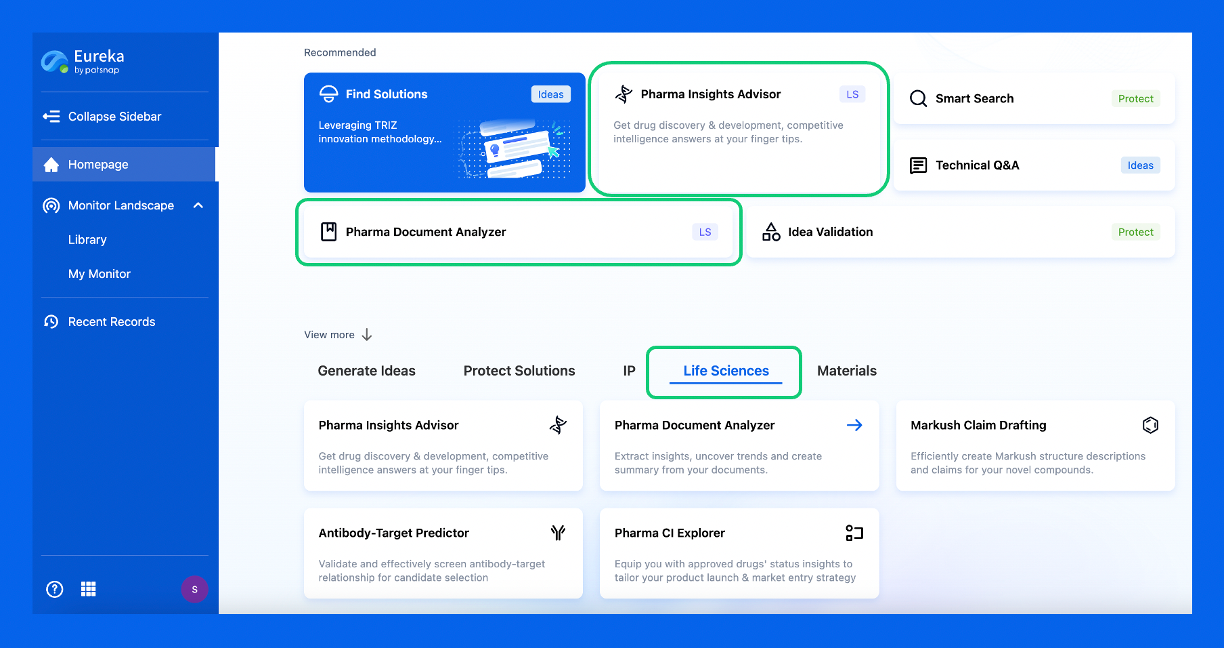
Discover Eureka LS: AI Agents Built for Biopharma Efficiency
Stop wasting time on biopharma busywork. Meet Eureka LS - your AI agent squad for drug discovery.
▶ See how 50+ research teams saved 300+ hours/month
From reducing screening time to simplifying Markush drafting, our AI Agents are ready to deliver immediate value. Explore Eureka LS today and unlock powerful capabilities that help you innovate with confidence.