Request Demo
What is a case report form (CRF)?
29 May 2025
Understanding Case Report Forms (CRFs)
Clinical research is a cornerstone of medical advancement, providing insights that lead to new treatments and improved patient care. One of the essential tools in clinical research is the Case Report Form (CRF). Understanding what a CRF is and its significance in clinical trials can greatly enhance the efficiency and reliability of the data collection process.
What is a Case Report Form (CRF)?
A Case Report Form is a standardized document used in clinical trials to collect data from each participant. It is a crucial component of clinical research that ensures data consistency, reliability, and integrity. CRFs are meticulously designed to capture all relevant information required by the study protocol, including patient demographics, clinical data, and outcomes.
The Importance of CRFs in Clinical Trials
CRFs play a vital role in clinical trials by serving as the primary source of data collection. They help researchers systematically record information about each participant, thereby ensuring that the data is complete, accurate, and consistent across all subjects involved in the study. This uniformity is essential for analyzing the data and drawing valid conclusions.
Key Components of a CRF
1. Patient Demographics: CRFs typically begin with sections that capture basic demographic information such as age, gender, ethnicity, and medical history. This data helps in understanding the population characteristics and any factors that may affect the study outcomes.
2. Clinical Data: The main body of the CRF includes sections for recording clinical data pertinent to the study. This may involve capturing information about the treatment administered, laboratory test results, and any adverse events experienced by the participant.
3. Outcome Measures: CRFs are designed to document the outcomes of the study, including measurements of efficacy and safety. These sections are critical for assessing the success of the interventions being tested.
Designing a CRF
The design of a CRF is a meticulous process that requires collaboration between clinical researchers, data managers, and statisticians. The form must align with the study protocol and be intuitive enough for investigators to use without errors. Often, CRFs are customized for specific trials, considering the unique aspects of the research and the data requirements.
Electronic vs. Paper CRFs
In recent years, electronic CRFs (eCRFs) have become increasingly popular over traditional paper-based forms. eCRFs offer several advantages, including easier data entry, real-time monitoring, and automated error checking. This shift to digital platforms helps streamline data collection processes and enhances data quality.
Challenges in Implementing CRFs
While CRFs are indispensable tools in clinical research, they come with their own set of challenges. Designing comprehensive yet concise forms, training staff to accurately complete them, and ensuring compliance with regulatory standards are some of the hurdles that researchers face. Regular audits and updates are necessary to maintain the integrity of the CRF data throughout the trial.
Conclusion
Case Report Forms are integral to the success of clinical research, providing a structured approach to data collection that is essential for analyzing study outcomes. A well-designed CRF not only facilitates accurate data capture but also ensures compliance with regulatory standards, ultimately contributing to the advancement of medical science. As technology continues to evolve, the adoption of electronic CRFs will likely become the norm, offering even greater efficiency and reliability in clinical trials.
Clinical research is a cornerstone of medical advancement, providing insights that lead to new treatments and improved patient care. One of the essential tools in clinical research is the Case Report Form (CRF). Understanding what a CRF is and its significance in clinical trials can greatly enhance the efficiency and reliability of the data collection process.
What is a Case Report Form (CRF)?
A Case Report Form is a standardized document used in clinical trials to collect data from each participant. It is a crucial component of clinical research that ensures data consistency, reliability, and integrity. CRFs are meticulously designed to capture all relevant information required by the study protocol, including patient demographics, clinical data, and outcomes.
The Importance of CRFs in Clinical Trials
CRFs play a vital role in clinical trials by serving as the primary source of data collection. They help researchers systematically record information about each participant, thereby ensuring that the data is complete, accurate, and consistent across all subjects involved in the study. This uniformity is essential for analyzing the data and drawing valid conclusions.
Key Components of a CRF
1. Patient Demographics: CRFs typically begin with sections that capture basic demographic information such as age, gender, ethnicity, and medical history. This data helps in understanding the population characteristics and any factors that may affect the study outcomes.
2. Clinical Data: The main body of the CRF includes sections for recording clinical data pertinent to the study. This may involve capturing information about the treatment administered, laboratory test results, and any adverse events experienced by the participant.
3. Outcome Measures: CRFs are designed to document the outcomes of the study, including measurements of efficacy and safety. These sections are critical for assessing the success of the interventions being tested.
Designing a CRF
The design of a CRF is a meticulous process that requires collaboration between clinical researchers, data managers, and statisticians. The form must align with the study protocol and be intuitive enough for investigators to use without errors. Often, CRFs are customized for specific trials, considering the unique aspects of the research and the data requirements.
Electronic vs. Paper CRFs
In recent years, electronic CRFs (eCRFs) have become increasingly popular over traditional paper-based forms. eCRFs offer several advantages, including easier data entry, real-time monitoring, and automated error checking. This shift to digital platforms helps streamline data collection processes and enhances data quality.
Challenges in Implementing CRFs
While CRFs are indispensable tools in clinical research, they come with their own set of challenges. Designing comprehensive yet concise forms, training staff to accurately complete them, and ensuring compliance with regulatory standards are some of the hurdles that researchers face. Regular audits and updates are necessary to maintain the integrity of the CRF data throughout the trial.
Conclusion
Case Report Forms are integral to the success of clinical research, providing a structured approach to data collection that is essential for analyzing study outcomes. A well-designed CRF not only facilitates accurate data capture but also ensures compliance with regulatory standards, ultimately contributing to the advancement of medical science. As technology continues to evolve, the adoption of electronic CRFs will likely become the norm, offering even greater efficiency and reliability in clinical trials.
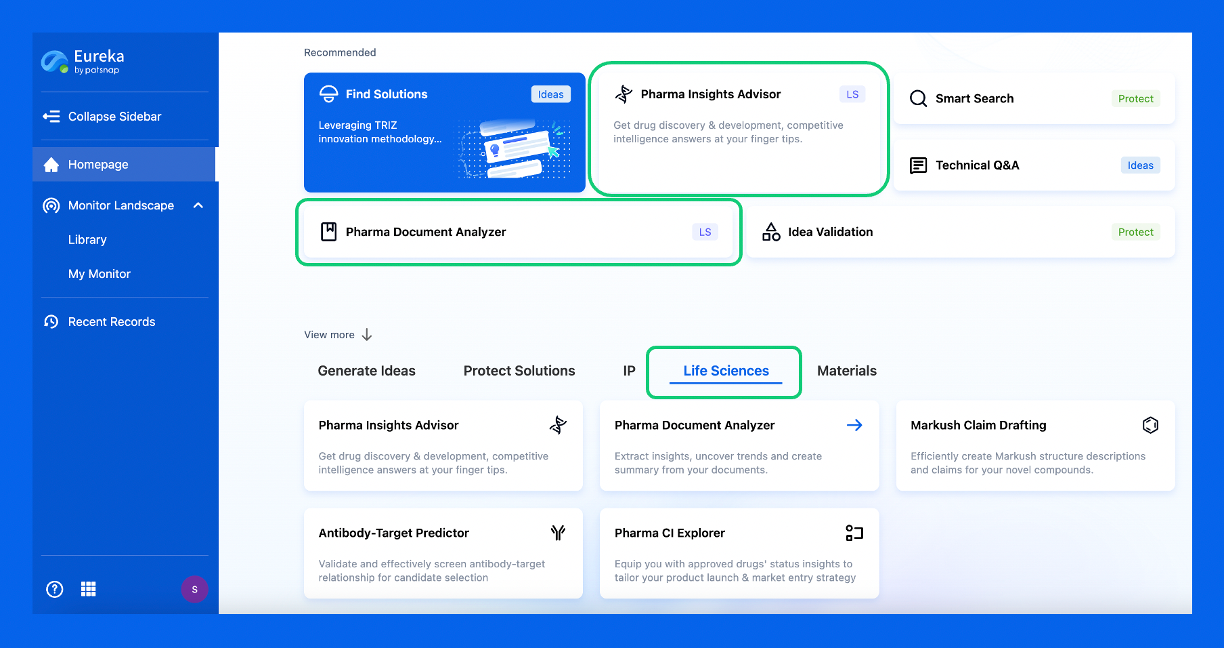
Discover Eureka LS: AI Agents Built for Biopharma Efficiency
Stop wasting time on biopharma busywork. Meet Eureka LS - your AI agent squad for drug discovery.
▶ See how 50+ research teams saved 300+ hours/month
From reducing screening time to simplifying Markush drafting, our AI Agents are ready to deliver immediate value. Explore Eureka LS today and unlock powerful capabilities that help you innovate with confidence.
AI Agents Built for Biopharma Breakthroughs
Accelerate discovery. Empower decisions. Transform outcomes.
Get started for free today!
Accelerate Strategic R&D decision making with Synapse, PatSnap’s AI-powered Connected Innovation Intelligence Platform Built for Life Sciences Professionals.
Start your data trial now!
Synapse data is also accessible to external entities via APIs or data packages. Empower better decisions with the latest in pharmaceutical intelligence.