Request Demo
What is checkpoint blockade therapy?
28 May 2025
Understanding the Basics of Checkpoint Blockade Therapy
Checkpoint blockade therapy is a revolutionary approach in the field of cancer treatment that exploits the body's immune system to fight cancer cells. It marks a significant departure from traditional methods like chemotherapy and radiation, which directly target cancer cells but often come with severe side effects. This therapy utilizes the intricate mechanisms of immune system regulation, focusing mainly on overcoming the evasive tactics employed by cancer cells.
How the Immune System Functions
To understand checkpoint blockade therapy, one must first grasp how the immune system operates. Our immune system is designed to detect and destroy foreign invaders, such as bacteria and viruses. It also has the remarkable ability to identify and kill cells that may become cancerous. However, the immune system is regulated by a series of checkpoints—proteins that can either stimulate or inhibit immune responses. These checkpoints play a crucial role in preventing autoimmunity, where the immune system attacks healthy cells.
Cancer's Evasive Maneuvers
Cancer cells are notorious for their ability to evade the immune system. They often do this by exploiting these checkpoints, effectively "turning off" the immune response that would otherwise target and destroy them. This is where checkpoint blockade therapy comes into play; it seeks to ‘release the brakes’ on the immune system, allowing it to recognize and attack cancer cells more effectively.
Mechanism of Action: Unleashing the Immune System
Checkpoint blockade therapy involves drugs known as checkpoint inhibitors. These drugs target specific checkpoint proteins such as PD-1, PD-L1, and CTLA-4. By blocking these proteins, checkpoint inhibitors prevent cancer cells from using them to suppress immune responses. This reactivates the immune cells, primarily T-cells, enabling them to detect and eliminate cancerous cells.
Success Stories and Clinical Applications
Since its introduction, checkpoint blockade therapy has shown remarkable success in treating various types of cancers, including melanoma, lung cancer, and kidney cancer, among others. Patients who previously had limited options now have access to treatments that can prolong life and, in some cases, lead to complete remission. The therapy has been particularly effective in cases where cancer has spread and become resistant to other forms of treatment.
Potential Side Effects and Challenges
Although checkpoint blockade therapy represents a significant advancement in cancer treatment, it is not without challenges. As the therapy unleashes the immune system, it can sometimes lead to autoimmune-like side effects, where the immune system attacks normal tissues. Common side effects include skin rashes, colitis, hepatitis, and endocrinopathies. Managing these side effects requires careful monitoring and may involve additional medication to suppress unwanted immune responses.
The Future of Checkpoint Blockade Therapy
The field of immunotherapy, particularly checkpoint blockade therapy, is rapidly evolving. Ongoing research aims to enhance the efficacy of existing checkpoint inhibitors, discover new targets, and combine them with other therapies to improve patient outcomes. There is also significant interest in identifying biomarkers that can predict which patients will respond best to this type of therapy, allowing for more personalized treatment plans.
Conclusion: A Promising Horizon
Checkpoint blockade therapy has transformed the landscape of cancer treatment, offering hope to patients who once had few options. As research continues and our understanding of the immune system deepens, this therapy will likely become even more refined and effective. It represents not only a shift in how we treat cancer but also a testament to the power of harnessing the body’s natural defenses to combat disease.
Checkpoint blockade therapy is a revolutionary approach in the field of cancer treatment that exploits the body's immune system to fight cancer cells. It marks a significant departure from traditional methods like chemotherapy and radiation, which directly target cancer cells but often come with severe side effects. This therapy utilizes the intricate mechanisms of immune system regulation, focusing mainly on overcoming the evasive tactics employed by cancer cells.
How the Immune System Functions
To understand checkpoint blockade therapy, one must first grasp how the immune system operates. Our immune system is designed to detect and destroy foreign invaders, such as bacteria and viruses. It also has the remarkable ability to identify and kill cells that may become cancerous. However, the immune system is regulated by a series of checkpoints—proteins that can either stimulate or inhibit immune responses. These checkpoints play a crucial role in preventing autoimmunity, where the immune system attacks healthy cells.
Cancer's Evasive Maneuvers
Cancer cells are notorious for their ability to evade the immune system. They often do this by exploiting these checkpoints, effectively "turning off" the immune response that would otherwise target and destroy them. This is where checkpoint blockade therapy comes into play; it seeks to ‘release the brakes’ on the immune system, allowing it to recognize and attack cancer cells more effectively.
Mechanism of Action: Unleashing the Immune System
Checkpoint blockade therapy involves drugs known as checkpoint inhibitors. These drugs target specific checkpoint proteins such as PD-1, PD-L1, and CTLA-4. By blocking these proteins, checkpoint inhibitors prevent cancer cells from using them to suppress immune responses. This reactivates the immune cells, primarily T-cells, enabling them to detect and eliminate cancerous cells.
Success Stories and Clinical Applications
Since its introduction, checkpoint blockade therapy has shown remarkable success in treating various types of cancers, including melanoma, lung cancer, and kidney cancer, among others. Patients who previously had limited options now have access to treatments that can prolong life and, in some cases, lead to complete remission. The therapy has been particularly effective in cases where cancer has spread and become resistant to other forms of treatment.
Potential Side Effects and Challenges
Although checkpoint blockade therapy represents a significant advancement in cancer treatment, it is not without challenges. As the therapy unleashes the immune system, it can sometimes lead to autoimmune-like side effects, where the immune system attacks normal tissues. Common side effects include skin rashes, colitis, hepatitis, and endocrinopathies. Managing these side effects requires careful monitoring and may involve additional medication to suppress unwanted immune responses.
The Future of Checkpoint Blockade Therapy
The field of immunotherapy, particularly checkpoint blockade therapy, is rapidly evolving. Ongoing research aims to enhance the efficacy of existing checkpoint inhibitors, discover new targets, and combine them with other therapies to improve patient outcomes. There is also significant interest in identifying biomarkers that can predict which patients will respond best to this type of therapy, allowing for more personalized treatment plans.
Conclusion: A Promising Horizon
Checkpoint blockade therapy has transformed the landscape of cancer treatment, offering hope to patients who once had few options. As research continues and our understanding of the immune system deepens, this therapy will likely become even more refined and effective. It represents not only a shift in how we treat cancer but also a testament to the power of harnessing the body’s natural defenses to combat disease.
Discover Eureka LS: AI Agents Built for Biopharma Efficiency
Stop wasting time on biopharma busywork. Meet Eureka LS - your AI agent squad for drug discovery.
▶ See how 50+ research teams saved 300+ hours/month
From reducing screening time to simplifying Markush drafting, our AI Agents are ready to deliver immediate value. Explore Eureka LS today and unlock powerful capabilities that help you innovate with confidence.
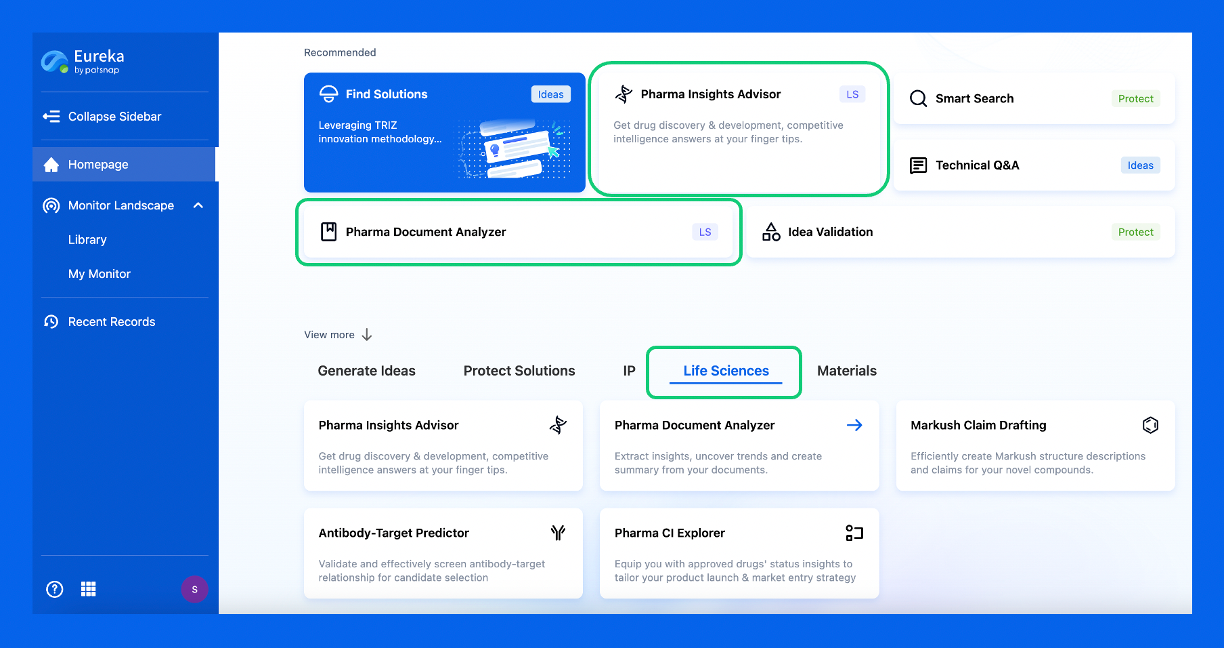
AI Agents Built for Biopharma Breakthroughs
Accelerate discovery. Empower decisions. Transform outcomes.
Get started for free today!
Accelerate Strategic R&D decision making with Synapse, PatSnap’s AI-powered Connected Innovation Intelligence Platform Built for Life Sciences Professionals.
Start your data trial now!
Synapse data is also accessible to external entities via APIs or data packages. Empower better decisions with the latest in pharmaceutical intelligence.