Request Demo
What is the role of DDI studies in regulatory filings?
29 May 2025
Introduction to DDI Studies in Regulatory Filings
Drug-drug interaction (DDI) studies are a critical component of the drug development process and play a significant role in regulatory filings. These studies are pivotal in understanding how a new drug interacts with other medications, which is essential for ensuring safety and efficacy in patients who may be taking multiple drugs simultaneously. Understanding DDI studies helps pharmaceutical companies and regulatory bodies evaluate potential risks and optimize therapeutic strategies.
The Importance of DDI Studies
DDI studies are essential for several reasons. First, they help identify potential adverse interactions between drugs, which can lead to serious side effects or reduced therapeutic efficacy. These interactions can occur at various levels, such as pharmacokinetic (PK) interactions, where one drug affects the absorption, distribution, metabolism, or excretion of another, or pharmacodynamic (PD) interactions, where drugs influence each other's effects or side effects.
Regulatory agencies, such as the U.S. Food and Drug Administration (FDA) and the European Medicines Agency (EMA), require comprehensive DDI studies to assess the safety profile of new drugs. These studies provide crucial data that inform labeling, dosing recommendations, and contraindications, ensuring that healthcare providers can make informed decisions when prescribing medications.
Types of DDI Studies
DDI studies can be categorized into in vitro and in vivo studies, each serving a specific purpose in the drug development process.
In vitro studies are conducted in a controlled laboratory setting using cell cultures or isolated enzymes. These studies help predict potential interactions by examining how a drug may affect metabolic enzymes or transporters. In vitro studies are often the first step in assessing DDIs, providing initial data on the likelihood of an interaction and guiding the design of subsequent in vivo studies.
In vivo studies, on the other hand, involve human subjects and provide direct evidence of how drugs interact in the body. These studies can be conducted during different phases of clinical trials and are critical for confirming the predictions made during in vitro testing. In vivo studies assess the clinical significance of potential interactions, helping to determine appropriate dosing regimens and risk mitigation strategies.
Integration of DDI Studies in Regulatory Filings
The integration of DDI studies in regulatory filings is a meticulous process that requires comprehensive documentation and analysis. Regulatory agencies expect detailed reports on the methodology, results, and interpretation of DDI studies. These reports should include a thorough discussion of the potential clinical implications of observed interactions and any proposed risk management strategies.
Pharmaceutical companies must also address any identified risks in the drug labeling, providing clear guidance on potential interactions, contraindicated drug combinations, and recommended adjustments to dosing regimens. This information is crucial for healthcare providers to safely prescribe the new medication alongside other drugs their patients may be taking.
Challenges and Considerations in DDI Studies
Conducting and interpreting DDI studies involves several challenges. Variability in patient populations, differences in genetic factors affecting drug metabolism, and the presence of concurrent diseases can complicate the assessment of DDIs. Additionally, the increasing complexity of drug regimens, with patients often taking multiple medications, makes predicting and evaluating interactions more challenging.
To address these challenges, ongoing research and advancements in analytical techniques are essential. Utilizing state-of-the-art technologies and methodologies, such as physiologically based pharmacokinetic (PBPK) modeling, can help predict DDIs more accurately and improve the design of DDI studies.
Conclusion
DDI studies are a fundamental aspect of regulatory filings, ensuring that new drugs are safe and effective when used in combination with other medications. By identifying and mitigating potential risks, these studies play a crucial role in protecting patient safety and facilitating informed prescribing decisions. As the pharmaceutical landscape continues to evolve, ongoing research and innovation in DDI studies will remain vital for advancing drug development and regulatory science.
Drug-drug interaction (DDI) studies are a critical component of the drug development process and play a significant role in regulatory filings. These studies are pivotal in understanding how a new drug interacts with other medications, which is essential for ensuring safety and efficacy in patients who may be taking multiple drugs simultaneously. Understanding DDI studies helps pharmaceutical companies and regulatory bodies evaluate potential risks and optimize therapeutic strategies.
The Importance of DDI Studies
DDI studies are essential for several reasons. First, they help identify potential adverse interactions between drugs, which can lead to serious side effects or reduced therapeutic efficacy. These interactions can occur at various levels, such as pharmacokinetic (PK) interactions, where one drug affects the absorption, distribution, metabolism, or excretion of another, or pharmacodynamic (PD) interactions, where drugs influence each other's effects or side effects.
Regulatory agencies, such as the U.S. Food and Drug Administration (FDA) and the European Medicines Agency (EMA), require comprehensive DDI studies to assess the safety profile of new drugs. These studies provide crucial data that inform labeling, dosing recommendations, and contraindications, ensuring that healthcare providers can make informed decisions when prescribing medications.
Types of DDI Studies
DDI studies can be categorized into in vitro and in vivo studies, each serving a specific purpose in the drug development process.
In vitro studies are conducted in a controlled laboratory setting using cell cultures or isolated enzymes. These studies help predict potential interactions by examining how a drug may affect metabolic enzymes or transporters. In vitro studies are often the first step in assessing DDIs, providing initial data on the likelihood of an interaction and guiding the design of subsequent in vivo studies.
In vivo studies, on the other hand, involve human subjects and provide direct evidence of how drugs interact in the body. These studies can be conducted during different phases of clinical trials and are critical for confirming the predictions made during in vitro testing. In vivo studies assess the clinical significance of potential interactions, helping to determine appropriate dosing regimens and risk mitigation strategies.
Integration of DDI Studies in Regulatory Filings
The integration of DDI studies in regulatory filings is a meticulous process that requires comprehensive documentation and analysis. Regulatory agencies expect detailed reports on the methodology, results, and interpretation of DDI studies. These reports should include a thorough discussion of the potential clinical implications of observed interactions and any proposed risk management strategies.
Pharmaceutical companies must also address any identified risks in the drug labeling, providing clear guidance on potential interactions, contraindicated drug combinations, and recommended adjustments to dosing regimens. This information is crucial for healthcare providers to safely prescribe the new medication alongside other drugs their patients may be taking.
Challenges and Considerations in DDI Studies
Conducting and interpreting DDI studies involves several challenges. Variability in patient populations, differences in genetic factors affecting drug metabolism, and the presence of concurrent diseases can complicate the assessment of DDIs. Additionally, the increasing complexity of drug regimens, with patients often taking multiple medications, makes predicting and evaluating interactions more challenging.
To address these challenges, ongoing research and advancements in analytical techniques are essential. Utilizing state-of-the-art technologies and methodologies, such as physiologically based pharmacokinetic (PBPK) modeling, can help predict DDIs more accurately and improve the design of DDI studies.
Conclusion
DDI studies are a fundamental aspect of regulatory filings, ensuring that new drugs are safe and effective when used in combination with other medications. By identifying and mitigating potential risks, these studies play a crucial role in protecting patient safety and facilitating informed prescribing decisions. As the pharmaceutical landscape continues to evolve, ongoing research and innovation in DDI studies will remain vital for advancing drug development and regulatory science.
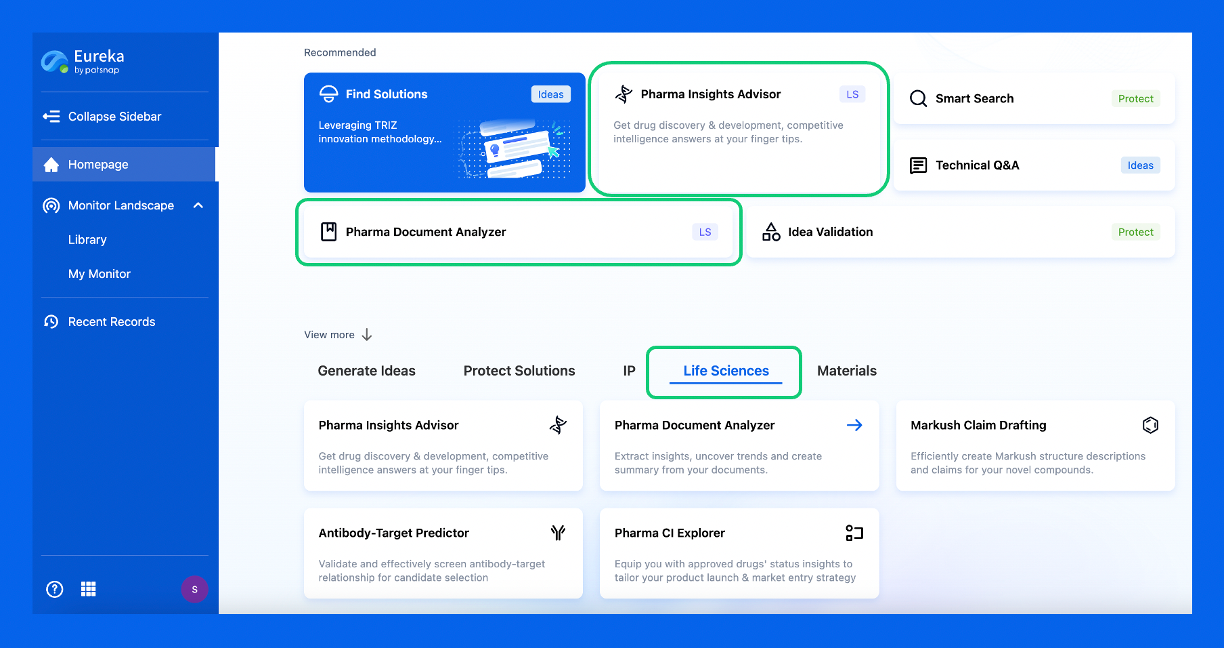
Discover Eureka LS: AI Agents Built for Biopharma Efficiency
Stop wasting time on biopharma busywork. Meet Eureka LS - your AI agent squad for drug discovery.
▶ See how 50+ research teams saved 300+ hours/month
From reducing screening time to simplifying Markush drafting, our AI Agents are ready to deliver immediate value. Explore Eureka LS today and unlock powerful capabilities that help you innovate with confidence.
AI Agents Built for Biopharma Breakthroughs
Accelerate discovery. Empower decisions. Transform outcomes.
Get started for free today!
Accelerate Strategic R&D decision making with Synapse, PatSnap’s AI-powered Connected Innovation Intelligence Platform Built for Life Sciences Professionals.
Start your data trial now!
Synapse data is also accessible to external entities via APIs or data packages. Empower better decisions with the latest in pharmaceutical intelligence.