What’s the Difference Between a Receptor and an Antigen?
In the realm of immunology and cellular biology, the terms "receptor" and "antigen" are frequently employed, each playing crucial yet distinct roles within biological systems. Understanding the differences between them is essential for anyone delving into these scientific fields.
Firstly, let's explore what receptors are and their function within the body. Receptors are protein molecules typically found on the surface of cells or within the cell. They act as binding sites that detect and respond to external stimuli, such as hormones, neurotransmitters, or other signaling molecules. The binding of a ligand, which is a molecule that fits into a receptor, triggers a response within the cell, leading to various cellular processes. This can include the activation of signaling pathways, gene expression, or even changes in cellular activity. Receptors are specific to the ligands they bind with, much like a lock and key mechanism, ensuring that cells respond appropriately to their environment.
On the other hand, antigens are substances that are recognized by the immune system as foreign and potentially harmful. They can be proteins, polysaccharides, lipids, or nucleic acids, and are usually part of pathogens like bacteria, viruses, or fungi. When an antigen enters the body, it is recognized as a threat, prompting the immune system to generate a response. This response often involves the production of antibodies, which are proteins that specifically bind to antigens, marking them for destruction by immune cells. Antigens are pivotal in the body's defense mechanism, helping to identify and neutralize harmful invaders.
While both receptors and antigens are integral to bodily functions, their roles and interactions differ significantly. Receptors serve as communication facilitators within and between cells, ensuring that cells respond correctly to various signals. They are not inherently harmful and are essential for maintaining physiological balance. In contrast, antigens are recognized as potential threats, triggering a defensive immune response. Their primary association is with the identification and elimination of pathogens.
The interaction between receptors and antigens is particularly evident in the immune response. Some receptors, such as those on immune cells, are designed to recognize and bind to specific antigens. This recognition is the first step in the immune response, leading to the activation of immune cells and the production of antibodies. This collaboration between receptors and antigens exemplifies the intricate balance of recognition and response within the body's defense systems.
In summary, receptors and antigens represent two distinct but interconnected elements within biological systems. Receptors are vital for cellular communication and response to external signals, while antigens are critical in the identification and neutralization of potential threats by the immune system. Understanding the differences between these two components provides insight into the complex and dynamic nature of cellular and immune functions, highlighting the remarkable interplay that maintains health and homeostasis within the body.
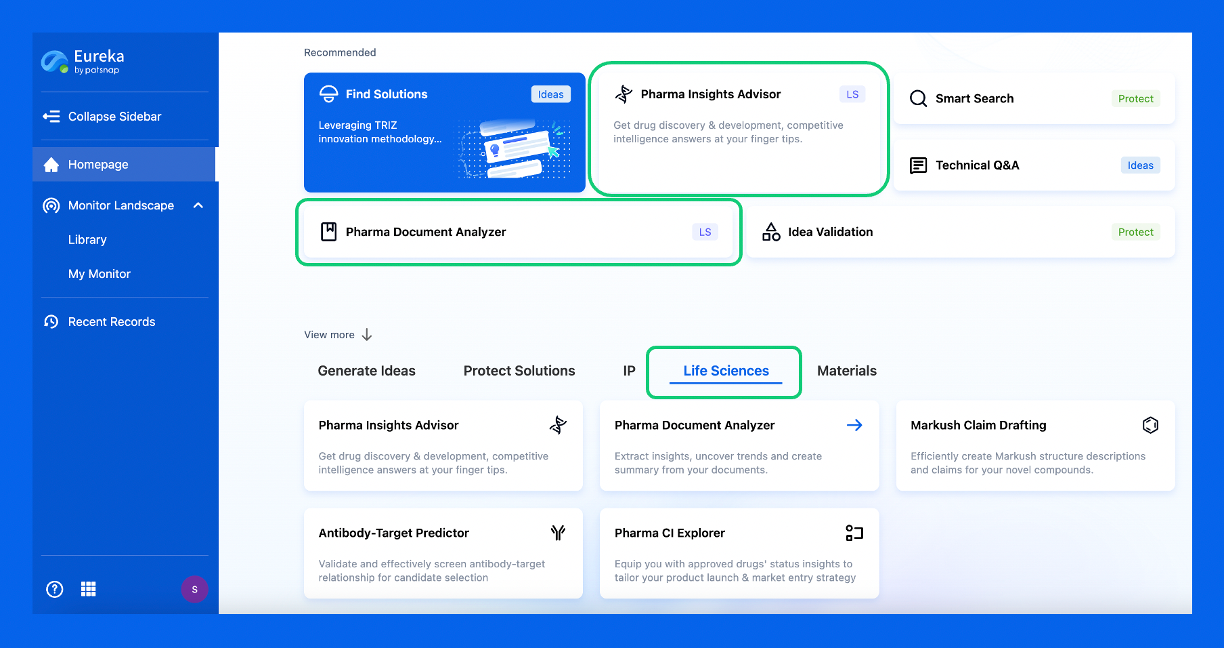
Discover Eureka LS: AI Agents Built for Biopharma Efficiency
Stop wasting time on biopharma busywork. Meet Eureka LS - your AI agent squad for drug discovery.
▶ See how 50+ research teams saved 300+ hours/month
From reducing screening time to simplifying Markush drafting, our AI Agents are ready to deliver immediate value. Explore Eureka LS today and unlock powerful capabilities that help you innovate with confidence.