Request Demo
What's the latest update on the ongoing clinical trials related to APP?
20 March 2025
Introduction to APP
Definition and Role in Disease
Amyloid precursor protein (APP) is a type I transmembrane protein that has been studied extensively because of its central role in Alzheimer’s disease (AD) pathogenesis. APP is the precursor to the amyloid‐β (Aβ) peptide, which aggregates to form the plaques seen in AD patients. In addition to its well‐known role in amyloidogenic processing, APP plays important roles in synaptic formation, neural plasticity, calcium homeostasis, and possibly in neuroprotection through its nonamyloidogenic cleavage products such as sAPPα. These physiologically active fragments are implicated in neuronal survival and synaptic stability, while the amyloidogenic processing pathway that yields Aβ peptides is linked to neurodegeneration and cognitive decline. Its involvement in both normal brain function and disease pathogenesis has made APP a key therapeutic target, with researchers exploring its modulation as a strategy to combat AD.
Importance in Clinical Research
Given its dual role in maintaining normal brain functions and contributing to pathological conditions, APP has emerged as a major focus for clinical research. Efforts to regulate APP expression and processing have provided valuable insights into potential therapeutic strategies for AD and related neurodegenerative conditions. The rationale behind targeting APP is twofold: first, by reducing overall levels or altering its processing pathways, the formation of toxic Aβ peptides might be curtailed; and second, by favoring nonamyloidogenic pathways, the beneficial neuroprotective functions of APP cleavage products could be preserved or enhanced. This has spurred clinical research into various modalities, including small molecules, antisense oligonucleotides (ASOs), miRNAs, and, more recently, RNA interference (RNAi) approaches. The advent of RNAi therapeutics in particular holds promise to specifically modulate the translation and expression of APP in the brain, providing a novel avenue for disease intervention.
In the broader context of drug development, APP-related research is critical because AD remains a significant unmet clinical need. Despite decades of investigation into the biology of APP and Aβ, available treatments have largely focused on symptomatic relief rather than addressing the underlying disease process. Therefore, early-phase clinical trials that focus on innovative APP-targeting strategies represent an important step toward a more mechanistically driven therapeutic paradigm.
Overview of Clinical Trials
Phases of Clinical Trials
Clinical trials meaningfully progress through several phases. Phase 1 trials primarily assess the safety, tolerability, pharmacokinetics, and pharmacodynamics of an investigational product in a small group of participants. These are generally dose-escalating studies where single doses (and sometimes multiple doses) are administered to define a safe dose range and evaluate preliminary biomarker responses. Phase 2 trials continue to evaluate safety and begin to assess efficacy in a larger patient population; these studies often include a focus on target engagement or proof-of-mechanism. In contrast, Phase 3 trials are larger, more definitive studies designed to provide evidence of clinical efficacy over longer durations and across diverse populations, ultimately leading to regulatory approval. Understanding the specific phase of an APP-related trial is essential because the collected data offer insight into both the therapeutic window and the potential of the investigational product to modify disease processes.
Criteria for APP-related Trials
For a clinical trial targeting APP or its associated pathways, several criteria are paramount. First, the study should include robust biomarkers that directly reflect APP processing; for example, levels of soluble APP fragments such as sAPPα and sAPPβ, or downstream markers such as Aβ levels, are often used to gauge target engagement. Trials are also designed with careful attention to patient selection—usually focusing on specific populations such as patients with early-onset Alzheimer’s disease, as this group may show more pronounced molecular abnormalities surrounding APP processing. Additionally, dosing strategies are chosen to adequately explore the dose-response relationship while ensuring patient safety, particularly when novel delivery methods such as intrathecal injection are utilized. Inclusion of rigorous safety assessments, such as cerebrospinal fluid (CSF) analyses for white blood cell counts and protein levels, as well as the monitoring of neurofilament light chain (NfL) as a marker of neuronal injury, is essential in these early-phase trials.
Furthermore, regulatory considerations play a critical role. Many APP trials, especially those employing novel RNAi technologies, must navigate complex discussions with agencies such as the FDA. In some instances, partial clinical holds or specific study modifications may be implemented based on non-clinical toxicology findings. Finally, the specificity of the investigational agent—whether it targets APP directly, modulates its translation, or influences its downstream processing—dictates the design of the trial, including the endpoints and duration required to see a meaningful biological signal.
Current Status of APP Clinical Trials
Ongoing Trials and Phases
The latest update in the field comes from an exciting Phase 1 clinical study of ALN-APP, an investigational RNA interference (RNAi) therapeutic specifically targeting amyloid precursor protein. This trial is being conducted as a collaborative effort between Regeneron Pharmaceuticals and Alnylam Pharmaceuticals. In this ongoing study, which primarily involves patients with early-onset Alzheimer’s disease, researchers have adopted a single ascending dose design in the first part (Part A) to evaluate the safety and pharmacodynamic effects of ALN-APP.
Part A of the trial has enrolled twenty patients spread across three single-dose cohorts. These cohorts are structured to allow the gradual escalation of doses while carefully monitoring for adverse events and biomarker changes. The investigational product is administered via intrathecal injection—a method that directs the therapy to the central nervous system and is particularly relevant for targeting a protein expressed in the brain. This mode of delivery ensures that the RNAi therapeutic can achieve the required central target engagement while potentially mitigating systemic side effects.
While Part A is focused on establishing initial safety and tolerability, the ongoing trial also includes plans for Part B, which will commence with multiple-dose regimens. Part B is designed to build upon the findings of Part A by exploring the durability of the pharmacodynamic effects and determining the optimal dosing regimen for longer-term administration. Importantly, regulatory authorities in several countries, such as Canada, have given approval to proceed with Part B in regions where the majority of patient recruitment has occurred. However, regulatory bodies like the FDA in the United States have placed a partial clinical hold on Part B based on findings from prior non-clinical chronic toxicology studies. This regulatory nuance highlights the importance of ongoing safety assessments as the trial transitions from single-dose to multiple-dose regimens.
Recent Results and Findings
Interim data from Part A of the ALN-APP trial have provided several promising signals that underscore the potential of this novel therapeutic approach. Key findings from the most recent update include the following:
1. Dose-Dependent Target Engagement:
Patients treated with ALN-APP demonstrated a dose-dependent response, marked by a rapid and sustained reduction in cerebrospinal fluid levels of both soluble APPα (sAPPα) and soluble APPβ (sAPPβ). The biomarker data indicate that at the highest dose tested, reductions of up to 84% for sAPPα and up to 90% for sAPPβ have been observed. Median decreases in these biomarkers exceeded 70% and were sustained for at least three months. This robust target engagement suggests that ALN-APP successfully modulates APP levels in the central nervous system, providing a strong pharmacodynamic signal for potential disease modification.
2. Safety and Tolerability Profile:
One of the central objectives of early-phase trials is to establish a favorable safety profile, and the interim results are encouraging in this respect. Single doses of ALN-APP were generally well tolerated by all enrolled patients. Adverse events reported during the trial were mild to moderate in severity, with no serious safety concerns emerging from the initial cohorts. Additionally, cerebrospinal fluid (CSF) parameters such as white blood cell counts and protein concentrations, and the levels of neurofilament light chain (a marker of neuronal injury), appeared similar between ALN-APP-treated patients and those receiving placebo. These findings support the safety of the investigational agent at the doses tested so far.
3. Pioneering Use of RNAi in the Human Brain:
The data from the ALN-APP trial represent a significant milestone, as this is the first demonstration of gene silencing by an RNAi therapeutic in the human brain, utilizing Alnylam’s proprietary C16 platform. This innovative delivery method paves the way for RNAi therapeutics to be applied to other neurological conditions where modulation of central nervous system proteins is desired. The ability to harness RNA interference to regulate APP levels could redefine the therapeutic landscape for Alzheimer’s disease by directly addressing one of the key pathological drivers.
4. Implications of Biomarker Changes:
The observed reductions in sAPPα and sAPPβ not only confirm target engagement but also serve as early indicators of the downstream effects on APP processing. By shifting the balance away from the production of neurotoxic Aβ peptides, the therapy may help restore normal neuronal function and potentially delay or modify the progression of AD pathology. Ongoing and future analyses of additional biomarker data will be critical in elucidating the broader pathophysiological effects of ALN-APP treatment.
In summary, the most recent update from this ongoing clinical trial shows that ALN-APP is achieving significant biomarker modulation with a favorable safety profile in its Phase 1 single-dose study. The promising reduction in soluble APP fragments offers a strong rationale for proceeding into the next phase of the trial, despite certain regulatory hold points in specific regions due to previously observed non-clinical toxicology issues. The continued monitoring and analysis of endpoints in both Part A and the planned Part B will be pivotal in determining the feasibility of RNAi-based APP targeting as a long-term treatment strategy for Alzheimer’s disease.
Implications and Future Directions
Potential Impacts on Treatment
The encouraging update from the ongoing APP clinical trials heralds several potential impacts on future treatment approaches for Alzheimer’s disease and possibly other neurodegenerative disorders. The key therapeutic impact of an APP-targeting strategy using RNAi is that it directly addresses the overproduction and misprocessing of APP—a central contributor to the cascade of neurodegenerative changes in AD. By significantly reducing the levels of soluble APP fragments that are precursors to the harmful Aβ peptides, the therapy may slow or even prevent the progression of amyloid pathology, thereby preserving neuronal integrity and cognitive function.
Moreover, the RNAi-mediated silencing approach offers specificity not always achievable with small molecule inhibitors or enzyme modulators. This precision therapeutic strategy can, in principle, reduce the levels of full-length APP while potentially maintaining or even enhancing the beneficial activity of its nonamyloidogenic cleavage products. As such, the methodology diverges from previous strategies that predominantly aimed at inhibiting secretases (β- or γ-secretase inhibitors) and have been associated with unwanted side effects and lack of clinical benefit in late-phase trials.
Another important consideration is that by demonstrating that RNAi can be safely and effectively administered intrathecally, the trial opens the door for similar strategies to be applied to other targets in the central nervous system. The success of ALN-APP provides a blueprint for subsequent RNAi therapies tackling different proteins or pathological pathways implicated in neurodegenerative diseases. This could ultimately lead to a wave of precision treatments that modify disease processes at the genetic level rather than merely treating symptoms.
From the patient’s perspective, a therapeutic that influences the underlying pathology of AD has the potential to alter the course of the disease. Should further phases of the trial confirm a sustained biomarker response along with clinical improvements, ALN-APP may offer a disease-modifying treatment that could delay the onset of severe cognitive decline. This is especially pertinent as AD currently has no cure and available treatments focus only on symptom management rather than altering the progression of the disease.
Future Research Directions
Looking forward, several critical research directions have been identified that will refine and expand our understanding of APP-targeted therapies. First and foremost, the transition from Phase 1 to Phase 2 (and eventually Phase 3) will require close attention to both safety and efficacy endpoints. With the favorable safety profile observed in the single-dose cohorts, future studies will need to assess the effects of repeated dosing over longer periods. This will help researchers determine whether the observed biomarker reductions persist and translate into tangible clinical benefits, such as improvements in cognition, memory, or overall functional status.
Second, further research is needed to optimize the dosing regimens and to clarify the exact mechanism by which ALN-APP modulates APP processing in the human brain. Detailed pharmacokinetic and pharmacodynamic studies will provide insight into the temporal dynamics of APP suppression, the duration of therapeutic effects, and any off-target effects that may emerge with chronic administration. It is also important to explore the relationship between biomarker changes and clinical outcomes, as this will be critical in validating sAPPα and sAPPβ reductions as surrogate endpoints for efficacy.
The ongoing trial has already highlighted a potential regulatory challenge. Prior non-clinical chronic toxicology studies led to a partial clinical hold on Part B in the United States. Therefore, future research must address these safety concerns comprehensively by incorporating extended non-clinical evaluations and more detailed long-term monitoring of patients in multiple geographic regions. This multidisciplinary approach will be key to persuading regulatory agencies of the long-term safety of an RNAi-based therapeutic.
Moreover, future investigations should broaden the scope of APP-related research to encompass additional patient populations and disease stages. For instance, while the current trial targets patients with early-onset AD, subsequent studies could consider including those with prodromal AD or mild cognitive impairment. This might help in identifying the optimal therapeutic window where APP modulation can achieve maximum benefit. Similarly, exploring combination therapy strategies—such as pairing RNAi-based APP suppression with other disease-modifying treatments, immunotherapies, or even lifestyle interventions—could yield synergistic effects.
In addition to clinical outcome studies, translational research aimed at better understanding the molecular and cellular consequences of APP modulation will be crucial. For example, further exploration into how the modulation of APP affects synaptic function, neuroinflammation, and downstream signaling pathways will enhance the overall knowledge base surrounding AD pathophysiology. These studies could involve state-of-the-art imaging techniques, electrophysiological measures, and even post-mortem analyses in advanced cases. Furthermore, improvements in data integration and real-time monitoring using digital health technologies could facilitate adaptive trial designs and personalized treatment approaches in the future.
A broader implication is the influence that this RNAi approach might have on the development of other gene-silencing therapies. As researchers continue to innovate in the field of RNAi, lessons learned from the ALN-APP trial will likely inform the development of similar therapeutics targeting other key proteins involved in neurodegeneration. The ongoing trial is already inspiring confidence in the feasibility of delivering RNAi agents into the central nervous system, which in turn could pave the way for a new era of precision medicine in neurology.
Another potential research direction involves refining the patient selection criteria and integrating more precise biomarker measurements. In the near future, incorporation of advanced genetic, proteomic, and imaging biomarkers might allow for better stratification of patients based on predicted responsiveness to RNAi therapies. Such precision stratification would empower clinicians to tailor interventions more effectively, improving overall outcomes and minimizing unnecessary exposures.
Finally, as with any innovative therapeutic approach, robust post-marketing surveillance and long-term follow-up studies will be necessary once efficacy is established. These studies will not only ascertain the sustained benefits of APP modulation but also detect any delayed adverse events associated with chronic RNAi exposure. Collaborative efforts between academia, industry, and regulatory agencies will be essential to build a comprehensive safety database that can bolster clinical confidence and pave the way toward widespread adoption in clinical practice.
Conclusion
In summary, the latest updates on ongoing clinical trials related to APP, particularly the RNAi-based therapeutic ALN-APP, provide a promising outlook with multiple key insights emerging from early-phase studies. The current Phase 1 data—involving a single ascending dose study in patients with early-onset Alzheimer’s disease—indicate that ALN-APP is well tolerated and produces a robust, dose-dependent reduction in cerebrospinal fluid biomarkers such as sAPPα and sAPPβ, with reductions reaching up to 90% at higher doses. This early efficacy signal, combined with an acceptable safety profile and the unprecedented demonstration of RNAi-mediated gene silencing in the human brain, marks a major milestone in APP-targeting strategies.
From a broad perspective, these findings support the rationale for further investigation into APP modulation as a disease-modifying approach for Alzheimer’s disease. The trial’s design, with its careful attention to safety, biomarker modulation, and a phased approach to dose escalation, establishes a solid foundation for subsequent, more expansive clinical studies. Regulatory challenges, such as the partial hold on multiple dosing in some regions, must be addressed with further non-clinical studies and rigorous safety monitoring, but they also underscore the commitment to patient safety in this innovative therapeutic area.
On a more specific level, the dynamic nature of APP-targeting strategies opens the door for the development of combination therapies, precision medicine approaches, and a new regulatory paradigm for RNAi therapeutics in neurology. Future research will need to validate the sustained clinical benefits of APP modulation through long-term Phase 2 and Phase 3 trials, explore optimal dosing regimens, and expand patient enrollment to diverse stages of AD. In parallel, translational research investigating the molecular effects of APP suppression will be crucial to understand the broader implications on synaptic function, neuroinflammation, and neuronal survival.
Generalizing to the wider clinical research context, the ALN-APP trial exemplifies a shift toward mechanistic therapeutics that target the root causes of neurodegeneration. It also sets a precedent for the use of advanced molecular tools—in this case, RNAi—to achieve precise modulation of disease-driving proteins, thus moving beyond symptomatic treatment to true disease modification. The potential impact on treatment paradigms is substantial, as successfully modulating APP production and cleavage could delay the onset of severe cognitive decline and modify the clinical trajectory of Alzheimer’s disease for millions of patients worldwide.
In conclusion, the latest update on the ongoing clinical trials related to APP highlights a transformative moment in Alzheimer’s disease research. With a well-designed Phase 1 study demonstrating both safety and significant biomarker changes, ALN-APP is positioned as a pioneering therapeutic candidate that leverages RNA interference to modulate APP expression directly in the brain. This achievement not only reinforces the importance of targeting APP in AD but also opens new avenues for innovative therapies in neurology. As the research community awaits further data from subsequent trial phases, the implications for patient care, treatment efficacy, and future research directions are profound. Continued interdisciplinary collaboration, rigorous study design, and adaptive regulatory strategies will be essential to realize the full potential of APP-targeting therapies and usher in a new era of precision medicine for neurodegenerative diseases.
Definition and Role in Disease
Amyloid precursor protein (APP) is a type I transmembrane protein that has been studied extensively because of its central role in Alzheimer’s disease (AD) pathogenesis. APP is the precursor to the amyloid‐β (Aβ) peptide, which aggregates to form the plaques seen in AD patients. In addition to its well‐known role in amyloidogenic processing, APP plays important roles in synaptic formation, neural plasticity, calcium homeostasis, and possibly in neuroprotection through its nonamyloidogenic cleavage products such as sAPPα. These physiologically active fragments are implicated in neuronal survival and synaptic stability, while the amyloidogenic processing pathway that yields Aβ peptides is linked to neurodegeneration and cognitive decline. Its involvement in both normal brain function and disease pathogenesis has made APP a key therapeutic target, with researchers exploring its modulation as a strategy to combat AD.
Importance in Clinical Research
Given its dual role in maintaining normal brain functions and contributing to pathological conditions, APP has emerged as a major focus for clinical research. Efforts to regulate APP expression and processing have provided valuable insights into potential therapeutic strategies for AD and related neurodegenerative conditions. The rationale behind targeting APP is twofold: first, by reducing overall levels or altering its processing pathways, the formation of toxic Aβ peptides might be curtailed; and second, by favoring nonamyloidogenic pathways, the beneficial neuroprotective functions of APP cleavage products could be preserved or enhanced. This has spurred clinical research into various modalities, including small molecules, antisense oligonucleotides (ASOs), miRNAs, and, more recently, RNA interference (RNAi) approaches. The advent of RNAi therapeutics in particular holds promise to specifically modulate the translation and expression of APP in the brain, providing a novel avenue for disease intervention.
In the broader context of drug development, APP-related research is critical because AD remains a significant unmet clinical need. Despite decades of investigation into the biology of APP and Aβ, available treatments have largely focused on symptomatic relief rather than addressing the underlying disease process. Therefore, early-phase clinical trials that focus on innovative APP-targeting strategies represent an important step toward a more mechanistically driven therapeutic paradigm.
Overview of Clinical Trials
Phases of Clinical Trials
Clinical trials meaningfully progress through several phases. Phase 1 trials primarily assess the safety, tolerability, pharmacokinetics, and pharmacodynamics of an investigational product in a small group of participants. These are generally dose-escalating studies where single doses (and sometimes multiple doses) are administered to define a safe dose range and evaluate preliminary biomarker responses. Phase 2 trials continue to evaluate safety and begin to assess efficacy in a larger patient population; these studies often include a focus on target engagement or proof-of-mechanism. In contrast, Phase 3 trials are larger, more definitive studies designed to provide evidence of clinical efficacy over longer durations and across diverse populations, ultimately leading to regulatory approval. Understanding the specific phase of an APP-related trial is essential because the collected data offer insight into both the therapeutic window and the potential of the investigational product to modify disease processes.
Criteria for APP-related Trials
For a clinical trial targeting APP or its associated pathways, several criteria are paramount. First, the study should include robust biomarkers that directly reflect APP processing; for example, levels of soluble APP fragments such as sAPPα and sAPPβ, or downstream markers such as Aβ levels, are often used to gauge target engagement. Trials are also designed with careful attention to patient selection—usually focusing on specific populations such as patients with early-onset Alzheimer’s disease, as this group may show more pronounced molecular abnormalities surrounding APP processing. Additionally, dosing strategies are chosen to adequately explore the dose-response relationship while ensuring patient safety, particularly when novel delivery methods such as intrathecal injection are utilized. Inclusion of rigorous safety assessments, such as cerebrospinal fluid (CSF) analyses for white blood cell counts and protein levels, as well as the monitoring of neurofilament light chain (NfL) as a marker of neuronal injury, is essential in these early-phase trials.
Furthermore, regulatory considerations play a critical role. Many APP trials, especially those employing novel RNAi technologies, must navigate complex discussions with agencies such as the FDA. In some instances, partial clinical holds or specific study modifications may be implemented based on non-clinical toxicology findings. Finally, the specificity of the investigational agent—whether it targets APP directly, modulates its translation, or influences its downstream processing—dictates the design of the trial, including the endpoints and duration required to see a meaningful biological signal.
Current Status of APP Clinical Trials
Ongoing Trials and Phases
The latest update in the field comes from an exciting Phase 1 clinical study of ALN-APP, an investigational RNA interference (RNAi) therapeutic specifically targeting amyloid precursor protein. This trial is being conducted as a collaborative effort between Regeneron Pharmaceuticals and Alnylam Pharmaceuticals. In this ongoing study, which primarily involves patients with early-onset Alzheimer’s disease, researchers have adopted a single ascending dose design in the first part (Part A) to evaluate the safety and pharmacodynamic effects of ALN-APP.
Part A of the trial has enrolled twenty patients spread across three single-dose cohorts. These cohorts are structured to allow the gradual escalation of doses while carefully monitoring for adverse events and biomarker changes. The investigational product is administered via intrathecal injection—a method that directs the therapy to the central nervous system and is particularly relevant for targeting a protein expressed in the brain. This mode of delivery ensures that the RNAi therapeutic can achieve the required central target engagement while potentially mitigating systemic side effects.
While Part A is focused on establishing initial safety and tolerability, the ongoing trial also includes plans for Part B, which will commence with multiple-dose regimens. Part B is designed to build upon the findings of Part A by exploring the durability of the pharmacodynamic effects and determining the optimal dosing regimen for longer-term administration. Importantly, regulatory authorities in several countries, such as Canada, have given approval to proceed with Part B in regions where the majority of patient recruitment has occurred. However, regulatory bodies like the FDA in the United States have placed a partial clinical hold on Part B based on findings from prior non-clinical chronic toxicology studies. This regulatory nuance highlights the importance of ongoing safety assessments as the trial transitions from single-dose to multiple-dose regimens.
Recent Results and Findings
Interim data from Part A of the ALN-APP trial have provided several promising signals that underscore the potential of this novel therapeutic approach. Key findings from the most recent update include the following:
1. Dose-Dependent Target Engagement:
Patients treated with ALN-APP demonstrated a dose-dependent response, marked by a rapid and sustained reduction in cerebrospinal fluid levels of both soluble APPα (sAPPα) and soluble APPβ (sAPPβ). The biomarker data indicate that at the highest dose tested, reductions of up to 84% for sAPPα and up to 90% for sAPPβ have been observed. Median decreases in these biomarkers exceeded 70% and were sustained for at least three months. This robust target engagement suggests that ALN-APP successfully modulates APP levels in the central nervous system, providing a strong pharmacodynamic signal for potential disease modification.
2. Safety and Tolerability Profile:
One of the central objectives of early-phase trials is to establish a favorable safety profile, and the interim results are encouraging in this respect. Single doses of ALN-APP were generally well tolerated by all enrolled patients. Adverse events reported during the trial were mild to moderate in severity, with no serious safety concerns emerging from the initial cohorts. Additionally, cerebrospinal fluid (CSF) parameters such as white blood cell counts and protein concentrations, and the levels of neurofilament light chain (a marker of neuronal injury), appeared similar between ALN-APP-treated patients and those receiving placebo. These findings support the safety of the investigational agent at the doses tested so far.
3. Pioneering Use of RNAi in the Human Brain:
The data from the ALN-APP trial represent a significant milestone, as this is the first demonstration of gene silencing by an RNAi therapeutic in the human brain, utilizing Alnylam’s proprietary C16 platform. This innovative delivery method paves the way for RNAi therapeutics to be applied to other neurological conditions where modulation of central nervous system proteins is desired. The ability to harness RNA interference to regulate APP levels could redefine the therapeutic landscape for Alzheimer’s disease by directly addressing one of the key pathological drivers.
4. Implications of Biomarker Changes:
The observed reductions in sAPPα and sAPPβ not only confirm target engagement but also serve as early indicators of the downstream effects on APP processing. By shifting the balance away from the production of neurotoxic Aβ peptides, the therapy may help restore normal neuronal function and potentially delay or modify the progression of AD pathology. Ongoing and future analyses of additional biomarker data will be critical in elucidating the broader pathophysiological effects of ALN-APP treatment.
In summary, the most recent update from this ongoing clinical trial shows that ALN-APP is achieving significant biomarker modulation with a favorable safety profile in its Phase 1 single-dose study. The promising reduction in soluble APP fragments offers a strong rationale for proceeding into the next phase of the trial, despite certain regulatory hold points in specific regions due to previously observed non-clinical toxicology issues. The continued monitoring and analysis of endpoints in both Part A and the planned Part B will be pivotal in determining the feasibility of RNAi-based APP targeting as a long-term treatment strategy for Alzheimer’s disease.
Implications and Future Directions
Potential Impacts on Treatment
The encouraging update from the ongoing APP clinical trials heralds several potential impacts on future treatment approaches for Alzheimer’s disease and possibly other neurodegenerative disorders. The key therapeutic impact of an APP-targeting strategy using RNAi is that it directly addresses the overproduction and misprocessing of APP—a central contributor to the cascade of neurodegenerative changes in AD. By significantly reducing the levels of soluble APP fragments that are precursors to the harmful Aβ peptides, the therapy may slow or even prevent the progression of amyloid pathology, thereby preserving neuronal integrity and cognitive function.
Moreover, the RNAi-mediated silencing approach offers specificity not always achievable with small molecule inhibitors or enzyme modulators. This precision therapeutic strategy can, in principle, reduce the levels of full-length APP while potentially maintaining or even enhancing the beneficial activity of its nonamyloidogenic cleavage products. As such, the methodology diverges from previous strategies that predominantly aimed at inhibiting secretases (β- or γ-secretase inhibitors) and have been associated with unwanted side effects and lack of clinical benefit in late-phase trials.
Another important consideration is that by demonstrating that RNAi can be safely and effectively administered intrathecally, the trial opens the door for similar strategies to be applied to other targets in the central nervous system. The success of ALN-APP provides a blueprint for subsequent RNAi therapies tackling different proteins or pathological pathways implicated in neurodegenerative diseases. This could ultimately lead to a wave of precision treatments that modify disease processes at the genetic level rather than merely treating symptoms.
From the patient’s perspective, a therapeutic that influences the underlying pathology of AD has the potential to alter the course of the disease. Should further phases of the trial confirm a sustained biomarker response along with clinical improvements, ALN-APP may offer a disease-modifying treatment that could delay the onset of severe cognitive decline. This is especially pertinent as AD currently has no cure and available treatments focus only on symptom management rather than altering the progression of the disease.
Future Research Directions
Looking forward, several critical research directions have been identified that will refine and expand our understanding of APP-targeted therapies. First and foremost, the transition from Phase 1 to Phase 2 (and eventually Phase 3) will require close attention to both safety and efficacy endpoints. With the favorable safety profile observed in the single-dose cohorts, future studies will need to assess the effects of repeated dosing over longer periods. This will help researchers determine whether the observed biomarker reductions persist and translate into tangible clinical benefits, such as improvements in cognition, memory, or overall functional status.
Second, further research is needed to optimize the dosing regimens and to clarify the exact mechanism by which ALN-APP modulates APP processing in the human brain. Detailed pharmacokinetic and pharmacodynamic studies will provide insight into the temporal dynamics of APP suppression, the duration of therapeutic effects, and any off-target effects that may emerge with chronic administration. It is also important to explore the relationship between biomarker changes and clinical outcomes, as this will be critical in validating sAPPα and sAPPβ reductions as surrogate endpoints for efficacy.
The ongoing trial has already highlighted a potential regulatory challenge. Prior non-clinical chronic toxicology studies led to a partial clinical hold on Part B in the United States. Therefore, future research must address these safety concerns comprehensively by incorporating extended non-clinical evaluations and more detailed long-term monitoring of patients in multiple geographic regions. This multidisciplinary approach will be key to persuading regulatory agencies of the long-term safety of an RNAi-based therapeutic.
Moreover, future investigations should broaden the scope of APP-related research to encompass additional patient populations and disease stages. For instance, while the current trial targets patients with early-onset AD, subsequent studies could consider including those with prodromal AD or mild cognitive impairment. This might help in identifying the optimal therapeutic window where APP modulation can achieve maximum benefit. Similarly, exploring combination therapy strategies—such as pairing RNAi-based APP suppression with other disease-modifying treatments, immunotherapies, or even lifestyle interventions—could yield synergistic effects.
In addition to clinical outcome studies, translational research aimed at better understanding the molecular and cellular consequences of APP modulation will be crucial. For example, further exploration into how the modulation of APP affects synaptic function, neuroinflammation, and downstream signaling pathways will enhance the overall knowledge base surrounding AD pathophysiology. These studies could involve state-of-the-art imaging techniques, electrophysiological measures, and even post-mortem analyses in advanced cases. Furthermore, improvements in data integration and real-time monitoring using digital health technologies could facilitate adaptive trial designs and personalized treatment approaches in the future.
A broader implication is the influence that this RNAi approach might have on the development of other gene-silencing therapies. As researchers continue to innovate in the field of RNAi, lessons learned from the ALN-APP trial will likely inform the development of similar therapeutics targeting other key proteins involved in neurodegeneration. The ongoing trial is already inspiring confidence in the feasibility of delivering RNAi agents into the central nervous system, which in turn could pave the way for a new era of precision medicine in neurology.
Another potential research direction involves refining the patient selection criteria and integrating more precise biomarker measurements. In the near future, incorporation of advanced genetic, proteomic, and imaging biomarkers might allow for better stratification of patients based on predicted responsiveness to RNAi therapies. Such precision stratification would empower clinicians to tailor interventions more effectively, improving overall outcomes and minimizing unnecessary exposures.
Finally, as with any innovative therapeutic approach, robust post-marketing surveillance and long-term follow-up studies will be necessary once efficacy is established. These studies will not only ascertain the sustained benefits of APP modulation but also detect any delayed adverse events associated with chronic RNAi exposure. Collaborative efforts between academia, industry, and regulatory agencies will be essential to build a comprehensive safety database that can bolster clinical confidence and pave the way toward widespread adoption in clinical practice.
Conclusion
In summary, the latest updates on ongoing clinical trials related to APP, particularly the RNAi-based therapeutic ALN-APP, provide a promising outlook with multiple key insights emerging from early-phase studies. The current Phase 1 data—involving a single ascending dose study in patients with early-onset Alzheimer’s disease—indicate that ALN-APP is well tolerated and produces a robust, dose-dependent reduction in cerebrospinal fluid biomarkers such as sAPPα and sAPPβ, with reductions reaching up to 90% at higher doses. This early efficacy signal, combined with an acceptable safety profile and the unprecedented demonstration of RNAi-mediated gene silencing in the human brain, marks a major milestone in APP-targeting strategies.
From a broad perspective, these findings support the rationale for further investigation into APP modulation as a disease-modifying approach for Alzheimer’s disease. The trial’s design, with its careful attention to safety, biomarker modulation, and a phased approach to dose escalation, establishes a solid foundation for subsequent, more expansive clinical studies. Regulatory challenges, such as the partial hold on multiple dosing in some regions, must be addressed with further non-clinical studies and rigorous safety monitoring, but they also underscore the commitment to patient safety in this innovative therapeutic area.
On a more specific level, the dynamic nature of APP-targeting strategies opens the door for the development of combination therapies, precision medicine approaches, and a new regulatory paradigm for RNAi therapeutics in neurology. Future research will need to validate the sustained clinical benefits of APP modulation through long-term Phase 2 and Phase 3 trials, explore optimal dosing regimens, and expand patient enrollment to diverse stages of AD. In parallel, translational research investigating the molecular effects of APP suppression will be crucial to understand the broader implications on synaptic function, neuroinflammation, and neuronal survival.
Generalizing to the wider clinical research context, the ALN-APP trial exemplifies a shift toward mechanistic therapeutics that target the root causes of neurodegeneration. It also sets a precedent for the use of advanced molecular tools—in this case, RNAi—to achieve precise modulation of disease-driving proteins, thus moving beyond symptomatic treatment to true disease modification. The potential impact on treatment paradigms is substantial, as successfully modulating APP production and cleavage could delay the onset of severe cognitive decline and modify the clinical trajectory of Alzheimer’s disease for millions of patients worldwide.
In conclusion, the latest update on the ongoing clinical trials related to APP highlights a transformative moment in Alzheimer’s disease research. With a well-designed Phase 1 study demonstrating both safety and significant biomarker changes, ALN-APP is positioned as a pioneering therapeutic candidate that leverages RNA interference to modulate APP expression directly in the brain. This achievement not only reinforces the importance of targeting APP in AD but also opens new avenues for innovative therapies in neurology. As the research community awaits further data from subsequent trial phases, the implications for patient care, treatment efficacy, and future research directions are profound. Continued interdisciplinary collaboration, rigorous study design, and adaptive regulatory strategies will be essential to realize the full potential of APP-targeting therapies and usher in a new era of precision medicine for neurodegenerative diseases.
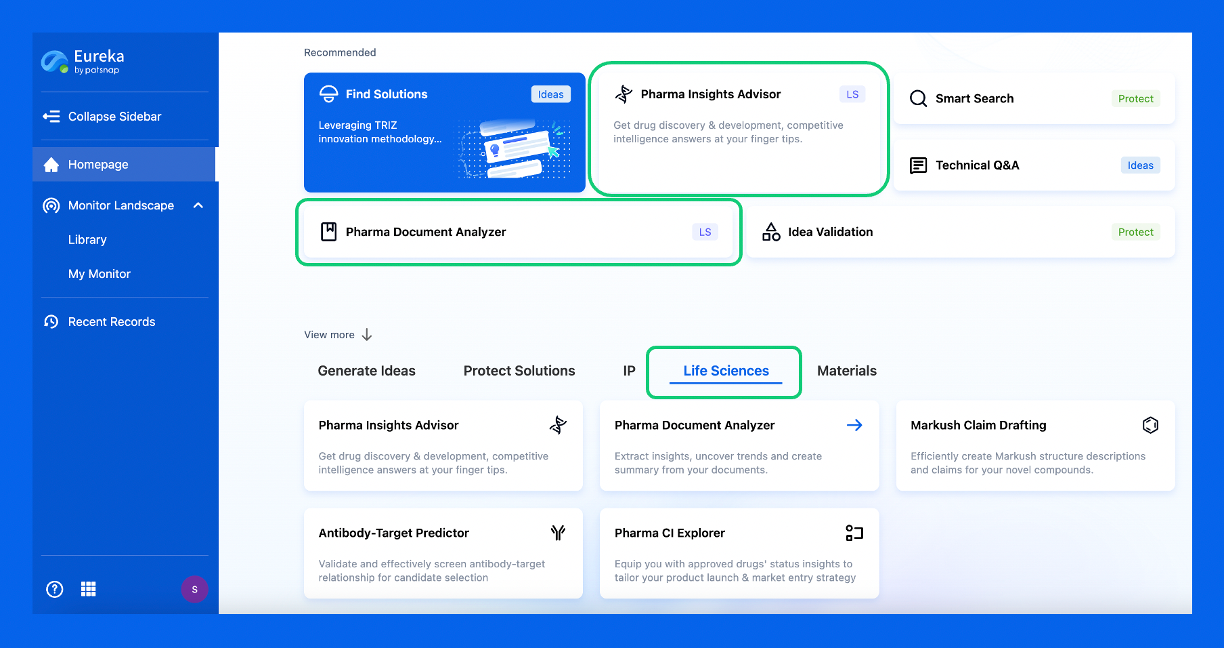
Discover Eureka LS: AI Agents Built for Biopharma Efficiency
Stop wasting time on biopharma busywork. Meet Eureka LS - your AI agent squad for drug discovery.
▶ See how 50+ research teams saved 300+ hours/month
From reducing screening time to simplifying Markush drafting, our AI Agents are ready to deliver immediate value. Explore Eureka LS today and unlock powerful capabilities that help you innovate with confidence.
AI Agents Built for Biopharma Breakthroughs
Accelerate discovery. Empower decisions. Transform outcomes.
Get started for free today!
Accelerate Strategic R&D decision making with Synapse, PatSnap’s AI-powered Connected Innovation Intelligence Platform Built for Life Sciences Professionals.
Start your data trial now!
Synapse data is also accessible to external entities via APIs or data packages. Empower better decisions with the latest in pharmaceutical intelligence.