Request Demo
What's the latest update on the ongoing clinical trials related to Esophageal Carcinoma?
20 March 2025
Introduction to Esophageal CarcinomaEsophageal carcinomama remains one of the most challenging malignancies worldwide, not only due to its aggressive biological behavior and poor prognosis but also because of its diverse histological subtypes and complex molecular profiles. Over the last decade, tremendous advances in both basic and clinical research have resulted in an evolving therapeutic landscape for this disease. In this comprehensive update, we will discuss the latest ongoing clinical trials related to esophageal carcinoma from a general perspective before delving into specific ongoing interventions, objectives, innovative technologies, and future directions. The information presented is largely derived from structured and reliable synapse source materials, which provide a trustworthy basis for reviewing the current state of clinical research in this area.
Definition and TypesEsophageal carcinomama is defined as a malignant neoplasm that arises from the epithelial lining of the esophagus. There are two primary histological subtypes:
- Esophageal Squamous Cell Carcinoma (ESCC):
This is the predominant subtype globally, particularly in Asian countries, representing over 90% of cases in regions like Eastern Asia. ESCC typically arises from the squamous cells that line the esophagus and is strongly associated with tobacco use, alcohol consumption, and nutritional deficiencies.
- Esophageal Adenocarcinoma (EAC):
Usually located in the distal esophagus or gastroesophageal junction, EAC is associated with chronic gastroesophageal reflux disease, Barrett’s esophagus, obesity, and a western lifestyle. Although EAC constitutes a smaller percentage of global cases, its incidence has been rising in Western countries.
The histological distinction is crucial as it often dictates treatment approaches; while both subtypes can be approached with multimodal therapies, the molecular characteristics and risk factors differ substantially.
Epidemiology and Risk Factors
Esophageal cancer is notable for its high mortality rates and relatively low survival at advanced stages. Epidemiologically, it is the sixth leading cause of cancer-related deaths worldwide, with an estimated overall five-year survival rate of less than 20%. The global burden of the disease varies regionally:
- Geographic Distribution:
Areas such as Eastern Asia and parts of Africa see a considerably higher prevalence of ESCC, while EAC is more commonly diagnosed in North America and Europe.
- Risk Factors:
- For ESCC: Tobacco smoking, heavy alcohol consumption, nutritional deficiencies, consumption of very hot beverages, and exposure to certain environmental carcinogens are significant risk factors.
- For EAC: Risk factors include chronic reflux disease, Barrett’s esophagus, obesity, and dietary factors.
These epidemiologic factors and risk profiles not only guide preventative measures but also influence clinical trial enrollment and stratification, ensuring that studies can account for underlying etiologic heterogeneity.
Current Clinical Trials for Esophageal Carcinoma
In recent years, a host of clinical trials have been initiated worldwide to evaluate novel therapeutic agents, re-assess traditional modalities in combination regimens, and explore the role of immunotherapy in both neoadjuvant and palliative settings. These trials, often conducted in Phase II and Phase III, have been designed with robust endpoints and innovative biomarkers that help tailor treatment to the individual patient’s tumor biology.
Ongoing Trials and Their Phases
A number of trials are currently in progress that target different phases of disease management:
- Neoadjuvant Setting:
Trials like KEYNOTE-975 are assessing the role of checkpoint inhibitors, such as pembrolizumab, in combination with definitive chemoradiotherapy in patients with locally advanced, unresectable esophageal or gastroesophageal junction cancer. These trials aim at improving overall survival (OS) and event-free survival by integrating immunotherapy early in the treatment course.
- Advanced and Metastatic Settings:
In the advanced disease context, numerous trials are evaluating the efficacy of immunotherapeutics either as monotherapies or in combination with cytotoxic chemotherapy. For example, CheckMate 648 has compared single-agent nivolumab in combination with chemotherapy, as well as dual immunotherapy approaches (nivolumab plus ipilimumab), against standard chemotherapy regimens in ESCC. Phase II studies, such as those investigating toripalimab in neoadjuvant settings for locally advanced ESCC, further highlight the trend towards incorporating immunotherapy in resectable disease.
- Biomarker-Driven and Precision Oncology Trials:
There is also a strong emphasis on trials that stratify patients based on molecular characteristics and biomarkers (e.g., PD-L1 expression, gene signatures). Such trials aim to clarify which subsets of patients may derive the most benefit from targeted agents. For instance, the integration of circulating tumor cells (CTCs) and liquid biopsy markers into trial endpoints is being examined to predict treatment response and adjust therapeutic regimens in real time.
- Combined Modality Trials:
Several studies continue to explore combined modality therapy, where radiation, chemotherapy, and immunotherapy are administered in tandem. This approach is based on prior results—such as from the CROSS trial—and aims to further improve pathological complete response (pCR) rates after neoadjuvant therapy. In these trials, treatment regimens are designed to maximize local control by combining modalities known to work synergistically.
These trials are spread across various geographic regions, with many being conducted in Asia where the incidence of ESCC is highest, while others are based in Europe and North America to address the rising incidence of EAC. The global nature of these studies helps ensure that the resulting data is representative and can inform international clinical guidelines.
Key Objectives and Endpoints
The ongoing clinical trials in esophageal carcinoma have defined a number of key objectives and endpoints that reflect both traditional and novel measures of efficacy:
- Primary Endpoints:
- Overall Survival (OS):
Many Phase III trials, such as CheckMate 648 and KEYNOTE-975, utilize OS as a crucial endpoint to determine if the new treatments can offer a survival benefit over standard chemotherapy or chemoradiotherapy.
- Progression-Free Survival (PFS) and Event-Free Survival (EFS):
In several trials, PFS and EFS serve as co-primary or key secondary endpoints, offering a measure of the time patients live without disease progression.
- Pathological Complete Response (pCR):
In neoadjuvant trials, pCR is an important surrogate endpoint. Its correlation with long-term survival, as demonstrated in studies like CROSS, underpins its significance in assessing the effectiveness of preoperative treatments.
- Secondary Endpoints:
- Objective Response Rate (ORR) and Duration of Response (DoR):
Trials with immunotherapeutic agents measure ORR to capture the immediate impact of the therapy on tumor burden, along with DoR to ascertain the sustainability of the response.
- Biomarker Response:
Several trials incorporate biomarker endpoints. For example, changes in PD-L1 expression levels, circulating biomarkers, and genetic alterations are being monitored to predict response to immunotherapy and targeted agents.
- Quality of Life (QoL) Measures:
As survival improves with new strategies, QoL has become an indispensable endpoint. Patient-reported outcomes and quality of life assessments are integrated as secondary endpoints to evaluate the functional and symptomatic benefits of therapies.
- Safety and Tolerability:
In nearly all trials, rigorous monitoring for adverse events (AEs) forms a critical part of the study design. This is essential given the potential toxicities of combining novel agents with conventional therapies, and it informs the eventual approval and clinical use of these treatments.
This spectrum of primary and secondary endpoints illustrates an evolution in clinical trial design that now extends well beyond traditional survival metrics. The integration of molecular and imaging biomarkers allows for a more refined assessment of therapeutic benefit and paves the way for more personalized treatment regimens.
Recent Findings and Innovations
Recent clinical trials have yielded promising results that offer hope for improved patient outcomes in esophageal carcinoma. Many of these findings reflect the rapid evolution of the field towards precision oncology and the incorporation of next-generation therapeutic agents.
Promising Therapies and Drugs
Recent innovations have led to significant developments in the treatment portfolio of esophageal carcinoma:
- Immunotherapy Advances:
The introduction of immune checkpoint inhibitors (ICIs) has been one of the most exciting advances. Trials such as KEYNOTE-975 and CheckMate 648 have shown that combining ICIs like pembrolizumab and nivolumab with chemoradiotherapy or chemotherapy can significantly improve overall survival in patients with ESCC. The promising activity of dual immunotherapy regimens—specifically the combination of nivolumab and ipilimumab—highlights their potential not only as alternatives to chemotherapy in the palliative setting but also as part of first-line treatment strategies in selected patients.
- Targeted Therapy:
Although many targeted therapies (e.g., HER2 inhibitors) have met limited success when combined with chemoradiation in esophageal cancer, recent trials suggest that focusing on alternative molecular targets could yield better outcomes. For example, inhibitors targeting pathways such as VEGF, EGFR, and novel molecules like TOPK are under active investigation. Such targets are being explored in combination with standard-of-care regimens to overcome resistance and enhance efficacy.
- Neoadjuvant Immunochemotherapy:
There is growing evidence from Phase II studies that neoadjuvant immunochemotherapy can induce substantial pathological responses. For example, toripalimab—a PD-1 inhibitor—when combined with chemotherapy in a neoadjuvant setting for locally advanced ESCC, has shown encouraging pCR rates and manageable toxicity profiles, suggesting that integrating immunotherapy preoperatively may improve long-term outcomes.
- Biomarker-Driven Therapy:
Innovative trials are increasingly using biomarkers to guide treatment selection. For instance, the stratification of patients based on PD-L1 expression or circulating tumor cell profiles allows for more precise treatment approaches, potentially improving response rates and minimizing unnecessary toxicities. This approach is emblematic of precision oncology trials that adapt therapy based on the patient’s molecular tumor landscape.
- Combined Modality Innovations:
There is also an emerging trend of employing combined modality approaches—not only the traditional synergy of chemotherapy and radiation but also incorporating immunotherapy into these regimens. Recent data indicate that such combinations can achieve superior local control and survival outcomes compared to each modality alone, as seen in several neoadjuvant trials.
These promising therapies are at the forefront of current clinical development, offering potential breakthroughs that could shift the current treatment paradigm for esophageal carcinoma.
Technological Advancements in Trials
Technological innovations have played a central role in enhancing clinical trial design and execution for esophageal carcinoma:
- Advanced Imaging Techniques and Biomarker Evaluation:
Enhancements in imaging modalities such as FDG-PET and endoscopic ultrasonography (EUS) have improved the accuracy of staging and response assessment. These tools are now routinely integrated into clinical trials to monitor early metabolic responses and to adjust therapy in near real time. In addition, liquid biopsy techniques, including the analysis of circulating tumor DNA and circulating tumor cells, offer non-invasive methods for tracking tumor evolution and predicting response, thereby refining patient selection and treatment monitoring.
- Next-Generation Sequencing and Multi-Omics Approaches:
Genomic profiling has enabled the identification of novel targets and patient-specific mutations. The use of multi-omics approaches—including proteomics and phosphoproteomics—facilitates a deeper understanding of the molecular underpinnings of esophageal carcinoma. This technological advance is increasingly reflected in clinical trials where therapeutic decisions are guided by individual tumor genetic profiles.
- Adaptive Trial Designs:
New clinical trial designs, including umbrella, basket, and platform trials, are being employed to address the heterogeneity of esophageal carcinoma. These innovative frameworks allow for more flexible evaluation of multiple interventions simultaneously, adapting based on interim results and allowing for the efficient identification of effective therapies. Trials incorporating adaptive designs have already shown promise in accelerating drug development and providing more robust data on both safety and efficacy.
- Data-Driven and Artificial Intelligence (AI) Integration:
AI and machine learning are beginning to inform patient selection, endpoint analysis, and even dosage optimization in clinical trials. Integrative analysis of real-world data and clinical trial databases enables researchers to identify patterns and predictors of response that might have been missed using traditional methods. Although still in the early stages, these approaches offer the possibility of streamlining clinical decision making and accelerating the pace of discovery.
These technological advancements have not only improved the accuracy and efficiency of ongoing clinical trials but also set the stage for the next generation of personalized therapies for esophageal carcinoma.
Challenges and Future Directions
Despite these encouraging developments, several challenges remain that could impact the advancement of clinical research in esophageal carcinoma. Addressing these obstacles is essential for unlocking further improvements in patient care.
Current Challenges in Clinical Trials
There are multiple challenges that continue to hinder clinical progress in this field:
- Heterogeneity of the Disease:
Esophageal carcinoma is a very heterogeneous disease, not only biologically—for example, in the differences between ESCC and EAC—but also in terms of patient demographics and risk factor profiles. This heterogeneity complicates the design and interpretation of clinical trials. Stratifying patients appropriately and ensuring that study cohorts are sufficiently powered to detect differences in outcomes remain significant hurdles.
- Biomarker Variability and Validation:
Although promising biomarkers such as PD-L1 expression and circulating tumor cell counts have been identified, their variability and lack of standardized thresholds across studies pose challenges. This impacts patient selection and may underlie some of the mixed results seen in trials evaluating immunotherapy. Additionally, establishing robust, validated companion diagnostics is critical to the success of biomarker-driven studies.
- Balancing Efficacy with Toxicity:
The integration of novel agents, particularly immunotherapies and targeted therapies, into existing treatment regimens has sometimes led to increased toxicity. Although many of the recent trials report manageable safety profiles, the risk of unforeseen toxicities, especially when combining multiple modalities, is an ongoing concern. This necessitates careful and continuous safety monitoring, as well as adaptive trial designs that can quickly adjust doses or discontinue arms if adverse events become problematic.
- Standardization of Endpoints:
With the addition of novel endpoints such as pCR in neoadjuvant settings, alongside traditional endpoints like OS and PFS, there is still a need for consensus on which endpoints most effectively capture meaningful clinical benefit. Variability in endpoint definitions has been an issue in comparing results across different trials and complicates meta-analyses or regulatory review.
- Logistical and Regulatory Challenges:
Given the global nature of many current trials, ensuring standardized methodologies, regulatory harmonization, and effective coordination across multiple centers remains a complicated task. This is particularly important in adaptive and master protocol studies, where flexibility in design can sometimes complicate regulatory oversight and data integration.
Future Research Directions and Potential Breakthroughs
Looking forward, several areas of research are critical to surmounting these challenges and driving clinical breakthroughs in esophageal carcinoma:
- Enhanced Precision Medicine Approaches:
Future research will continue to leverage multi-omics approaches and genomic profiling to refine patient selection for targeted therapies. As our understanding of the molecular pathways driving different subtypes of esophageal carcinoma deepens, targeted treatments can be more precisely tailored to individual patients’ tumor biology, potentially improving outcomes significantly.
- Development of Robust Companion Diagnostics:
The future of clinical trials in this field rests on the successful validation of reliable biomarkers. Collaborative efforts between academia, industry, and regulatory bodies are necessary to develop standardized assays for biomarkers such as PD-L1, circulating tumor DNA, and CTCs. Reliable companion diagnostics will not only improve patient stratification in trials but also guide real-world treatment decisions.
- Integration of Adaptive and Innovative Trial Designs:
The adoption of umbrella, basket, and platform trial designs is expected to increase, offering more efficient evaluation of multiple therapeutic agents and facilitating quicker modifications based on interim data. These designs allow for simultaneous testing of various targeted agents or immunotherapies within predefined biomarker subgroups, thus accelerating drug development and translating research findings into clinical practice faster.
- Focus on Neoadjuvant and Multimodal Strategies:
Recent studies suggest that early intervention using neoadjuvant immunochemotherapy could dramatically improve long-term outcomes in esophageal carcinoma patients. Future clinical trials are likely to investigate combinations of immunotherapy with chemoradiation or even surgery, aiming to improve pCR rates and pave the way for individualized treatment protocols based on early treatment response.
- Leveraging Real-World Data and AI:
The integration of real-world evidence and advanced data analytics will shape the next wave of clinical research. By harnessing AI and machine learning to analyze patterns across large patient datasets, researchers can gain insights into treatment resistance mechanisms, optimize dosing strategies, and predict outcomes more accurately, ultimately contributing to more efficient and personalized trial designs.
- Patient-Centric Endpoints and Quality of Life Improvements:
With improving survival outcomes, there is a growing emphasis on ensuring that treatment benefits extend to quality of life improvements. Future trials will increasingly include patient-reported outcomes and validated quality-of-life measures as critical endpoints, ensuring that therapies provide tangible benefits in day-to-day functioning and overall wellbeing.
- Collaboration and Global Trial Networks:
Cross-border collaboration among researchers, clinicians, pharmaceutical companies, and regulatory agencies is essential to overcome logistical challenges and facilitate large-scale, multi-center trials. Such collaborations will allow for pooling of resources and data, ensuring that studies are sufficiently powered and that findings can be quickly disseminated and implemented on a global scale.
Conclusion
In summary, the ongoing clinical trials related to esophageal carcinoma reflect a robust and rapidly evolving research landscape characterized by innovative therapeutic strategies, technologically advanced methodologies, and an increasing focus on precision medicine.
- General Perspective:
At a high level, trials are now exploring the integration of immune checkpoint inhibitors—alone or in combination with standard chemoradiation—as well as novel targeted agents that focus on alternative molecular pathways. The incorporation of advanced imaging techniques and liquid biopsies is further enhancing our ability to monitor treatment response and refine patient selection. Global, multi-center collaborative trials are underway, addressing both advanced and resectable disease in geographically diverse populations.
- Specific Insights:
The latest phase II and III trials indicate that immunotherapy and neoadjuvant immunochemotherapy are among the most promising strategies, with agents such as pembrolizumab, nivolumab, toripalimab, and combinations thereof showing significant survival benefits and manageable toxicity profiles. Adaptive trial designs incorporating biomarkers for PD-L1, circulating tumor cells, and next-generation sequencing are becoming integral in these studies, enabling more personalized treatment approaches. Despite challenges related to disease heterogeneity, biomarker validation, and managing combined toxicities, ongoing research is poised to address these issues through adaptive design, rigorous safety monitoring, and inter-institutional collaboration.
- General Future Outlook:
Looking ahead, the future of clinical trials in esophageal carcinoma will likely involve further integration of precision medicine approaches with novel trial designs such as umbrella and platform studies. The emphasis on real-world data, AI-driven patient stratification, and quality-of-life outcomes will help transition these therapies from the clinical trial setting into standard clinical practice. Enhanced companion diagnostics and comprehensive multi-omics profiling will serve as critical enablers for individualized treatment strategies, potentially transforming outcomes and offering renewed hope for patients facing this challenging disease.
In conclusion, while significant progress has been made, the quest for more effective, less toxic, and more personalized therapies in esophageal carcinoma continues. The latest updates in ongoing clinical trials, as evidenced by multiple Phase II and III studies, underscore a promising shift towards immunotherapy, targeted therapies, and innovative trial designs that integrate state-of-the-art technological and biomarker-driven approaches. These advances collectively drive us closer to achieving significant breakthroughs in the treatment of esophageal carcinoma, ultimately aiming for improved survival rates, enhanced quality of life, and more tailored, effective patient care. Continued collaboration across global research networks and the integration of real-world data will be essential to surmount current challenges and usher in the next era of oncology therapeutics for this devastating malignancy.
Definition and TypesEsophageal carcinomama is defined as a malignant neoplasm that arises from the epithelial lining of the esophagus. There are two primary histological subtypes:
- Esophageal Squamous Cell Carcinoma (ESCC):
This is the predominant subtype globally, particularly in Asian countries, representing over 90% of cases in regions like Eastern Asia. ESCC typically arises from the squamous cells that line the esophagus and is strongly associated with tobacco use, alcohol consumption, and nutritional deficiencies.
- Esophageal Adenocarcinoma (EAC):
Usually located in the distal esophagus or gastroesophageal junction, EAC is associated with chronic gastroesophageal reflux disease, Barrett’s esophagus, obesity, and a western lifestyle. Although EAC constitutes a smaller percentage of global cases, its incidence has been rising in Western countries.
The histological distinction is crucial as it often dictates treatment approaches; while both subtypes can be approached with multimodal therapies, the molecular characteristics and risk factors differ substantially.
Epidemiology and Risk Factors
Esophageal cancer is notable for its high mortality rates and relatively low survival at advanced stages. Epidemiologically, it is the sixth leading cause of cancer-related deaths worldwide, with an estimated overall five-year survival rate of less than 20%. The global burden of the disease varies regionally:
- Geographic Distribution:
Areas such as Eastern Asia and parts of Africa see a considerably higher prevalence of ESCC, while EAC is more commonly diagnosed in North America and Europe.
- Risk Factors:
- For ESCC: Tobacco smoking, heavy alcohol consumption, nutritional deficiencies, consumption of very hot beverages, and exposure to certain environmental carcinogens are significant risk factors.
- For EAC: Risk factors include chronic reflux disease, Barrett’s esophagus, obesity, and dietary factors.
These epidemiologic factors and risk profiles not only guide preventative measures but also influence clinical trial enrollment and stratification, ensuring that studies can account for underlying etiologic heterogeneity.
Current Clinical Trials for Esophageal Carcinoma
In recent years, a host of clinical trials have been initiated worldwide to evaluate novel therapeutic agents, re-assess traditional modalities in combination regimens, and explore the role of immunotherapy in both neoadjuvant and palliative settings. These trials, often conducted in Phase II and Phase III, have been designed with robust endpoints and innovative biomarkers that help tailor treatment to the individual patient’s tumor biology.
Ongoing Trials and Their Phases
A number of trials are currently in progress that target different phases of disease management:
- Neoadjuvant Setting:
Trials like KEYNOTE-975 are assessing the role of checkpoint inhibitors, such as pembrolizumab, in combination with definitive chemoradiotherapy in patients with locally advanced, unresectable esophageal or gastroesophageal junction cancer. These trials aim at improving overall survival (OS) and event-free survival by integrating immunotherapy early in the treatment course.
- Advanced and Metastatic Settings:
In the advanced disease context, numerous trials are evaluating the efficacy of immunotherapeutics either as monotherapies or in combination with cytotoxic chemotherapy. For example, CheckMate 648 has compared single-agent nivolumab in combination with chemotherapy, as well as dual immunotherapy approaches (nivolumab plus ipilimumab), against standard chemotherapy regimens in ESCC. Phase II studies, such as those investigating toripalimab in neoadjuvant settings for locally advanced ESCC, further highlight the trend towards incorporating immunotherapy in resectable disease.
- Biomarker-Driven and Precision Oncology Trials:
There is also a strong emphasis on trials that stratify patients based on molecular characteristics and biomarkers (e.g., PD-L1 expression, gene signatures). Such trials aim to clarify which subsets of patients may derive the most benefit from targeted agents. For instance, the integration of circulating tumor cells (CTCs) and liquid biopsy markers into trial endpoints is being examined to predict treatment response and adjust therapeutic regimens in real time.
- Combined Modality Trials:
Several studies continue to explore combined modality therapy, where radiation, chemotherapy, and immunotherapy are administered in tandem. This approach is based on prior results—such as from the CROSS trial—and aims to further improve pathological complete response (pCR) rates after neoadjuvant therapy. In these trials, treatment regimens are designed to maximize local control by combining modalities known to work synergistically.
These trials are spread across various geographic regions, with many being conducted in Asia where the incidence of ESCC is highest, while others are based in Europe and North America to address the rising incidence of EAC. The global nature of these studies helps ensure that the resulting data is representative and can inform international clinical guidelines.
Key Objectives and Endpoints
The ongoing clinical trials in esophageal carcinoma have defined a number of key objectives and endpoints that reflect both traditional and novel measures of efficacy:
- Primary Endpoints:
- Overall Survival (OS):
Many Phase III trials, such as CheckMate 648 and KEYNOTE-975, utilize OS as a crucial endpoint to determine if the new treatments can offer a survival benefit over standard chemotherapy or chemoradiotherapy.
- Progression-Free Survival (PFS) and Event-Free Survival (EFS):
In several trials, PFS and EFS serve as co-primary or key secondary endpoints, offering a measure of the time patients live without disease progression.
- Pathological Complete Response (pCR):
In neoadjuvant trials, pCR is an important surrogate endpoint. Its correlation with long-term survival, as demonstrated in studies like CROSS, underpins its significance in assessing the effectiveness of preoperative treatments.
- Secondary Endpoints:
- Objective Response Rate (ORR) and Duration of Response (DoR):
Trials with immunotherapeutic agents measure ORR to capture the immediate impact of the therapy on tumor burden, along with DoR to ascertain the sustainability of the response.
- Biomarker Response:
Several trials incorporate biomarker endpoints. For example, changes in PD-L1 expression levels, circulating biomarkers, and genetic alterations are being monitored to predict response to immunotherapy and targeted agents.
- Quality of Life (QoL) Measures:
As survival improves with new strategies, QoL has become an indispensable endpoint. Patient-reported outcomes and quality of life assessments are integrated as secondary endpoints to evaluate the functional and symptomatic benefits of therapies.
- Safety and Tolerability:
In nearly all trials, rigorous monitoring for adverse events (AEs) forms a critical part of the study design. This is essential given the potential toxicities of combining novel agents with conventional therapies, and it informs the eventual approval and clinical use of these treatments.
This spectrum of primary and secondary endpoints illustrates an evolution in clinical trial design that now extends well beyond traditional survival metrics. The integration of molecular and imaging biomarkers allows for a more refined assessment of therapeutic benefit and paves the way for more personalized treatment regimens.
Recent Findings and Innovations
Recent clinical trials have yielded promising results that offer hope for improved patient outcomes in esophageal carcinoma. Many of these findings reflect the rapid evolution of the field towards precision oncology and the incorporation of next-generation therapeutic agents.
Promising Therapies and Drugs
Recent innovations have led to significant developments in the treatment portfolio of esophageal carcinoma:
- Immunotherapy Advances:
The introduction of immune checkpoint inhibitors (ICIs) has been one of the most exciting advances. Trials such as KEYNOTE-975 and CheckMate 648 have shown that combining ICIs like pembrolizumab and nivolumab with chemoradiotherapy or chemotherapy can significantly improve overall survival in patients with ESCC. The promising activity of dual immunotherapy regimens—specifically the combination of nivolumab and ipilimumab—highlights their potential not only as alternatives to chemotherapy in the palliative setting but also as part of first-line treatment strategies in selected patients.
- Targeted Therapy:
Although many targeted therapies (e.g., HER2 inhibitors) have met limited success when combined with chemoradiation in esophageal cancer, recent trials suggest that focusing on alternative molecular targets could yield better outcomes. For example, inhibitors targeting pathways such as VEGF, EGFR, and novel molecules like TOPK are under active investigation. Such targets are being explored in combination with standard-of-care regimens to overcome resistance and enhance efficacy.
- Neoadjuvant Immunochemotherapy:
There is growing evidence from Phase II studies that neoadjuvant immunochemotherapy can induce substantial pathological responses. For example, toripalimab—a PD-1 inhibitor—when combined with chemotherapy in a neoadjuvant setting for locally advanced ESCC, has shown encouraging pCR rates and manageable toxicity profiles, suggesting that integrating immunotherapy preoperatively may improve long-term outcomes.
- Biomarker-Driven Therapy:
Innovative trials are increasingly using biomarkers to guide treatment selection. For instance, the stratification of patients based on PD-L1 expression or circulating tumor cell profiles allows for more precise treatment approaches, potentially improving response rates and minimizing unnecessary toxicities. This approach is emblematic of precision oncology trials that adapt therapy based on the patient’s molecular tumor landscape.
- Combined Modality Innovations:
There is also an emerging trend of employing combined modality approaches—not only the traditional synergy of chemotherapy and radiation but also incorporating immunotherapy into these regimens. Recent data indicate that such combinations can achieve superior local control and survival outcomes compared to each modality alone, as seen in several neoadjuvant trials.
These promising therapies are at the forefront of current clinical development, offering potential breakthroughs that could shift the current treatment paradigm for esophageal carcinoma.
Technological Advancements in Trials
Technological innovations have played a central role in enhancing clinical trial design and execution for esophageal carcinoma:
- Advanced Imaging Techniques and Biomarker Evaluation:
Enhancements in imaging modalities such as FDG-PET and endoscopic ultrasonography (EUS) have improved the accuracy of staging and response assessment. These tools are now routinely integrated into clinical trials to monitor early metabolic responses and to adjust therapy in near real time. In addition, liquid biopsy techniques, including the analysis of circulating tumor DNA and circulating tumor cells, offer non-invasive methods for tracking tumor evolution and predicting response, thereby refining patient selection and treatment monitoring.
- Next-Generation Sequencing and Multi-Omics Approaches:
Genomic profiling has enabled the identification of novel targets and patient-specific mutations. The use of multi-omics approaches—including proteomics and phosphoproteomics—facilitates a deeper understanding of the molecular underpinnings of esophageal carcinoma. This technological advance is increasingly reflected in clinical trials where therapeutic decisions are guided by individual tumor genetic profiles.
- Adaptive Trial Designs:
New clinical trial designs, including umbrella, basket, and platform trials, are being employed to address the heterogeneity of esophageal carcinoma. These innovative frameworks allow for more flexible evaluation of multiple interventions simultaneously, adapting based on interim results and allowing for the efficient identification of effective therapies. Trials incorporating adaptive designs have already shown promise in accelerating drug development and providing more robust data on both safety and efficacy.
- Data-Driven and Artificial Intelligence (AI) Integration:
AI and machine learning are beginning to inform patient selection, endpoint analysis, and even dosage optimization in clinical trials. Integrative analysis of real-world data and clinical trial databases enables researchers to identify patterns and predictors of response that might have been missed using traditional methods. Although still in the early stages, these approaches offer the possibility of streamlining clinical decision making and accelerating the pace of discovery.
These technological advancements have not only improved the accuracy and efficiency of ongoing clinical trials but also set the stage for the next generation of personalized therapies for esophageal carcinoma.
Challenges and Future Directions
Despite these encouraging developments, several challenges remain that could impact the advancement of clinical research in esophageal carcinoma. Addressing these obstacles is essential for unlocking further improvements in patient care.
Current Challenges in Clinical Trials
There are multiple challenges that continue to hinder clinical progress in this field:
- Heterogeneity of the Disease:
Esophageal carcinoma is a very heterogeneous disease, not only biologically—for example, in the differences between ESCC and EAC—but also in terms of patient demographics and risk factor profiles. This heterogeneity complicates the design and interpretation of clinical trials. Stratifying patients appropriately and ensuring that study cohorts are sufficiently powered to detect differences in outcomes remain significant hurdles.
- Biomarker Variability and Validation:
Although promising biomarkers such as PD-L1 expression and circulating tumor cell counts have been identified, their variability and lack of standardized thresholds across studies pose challenges. This impacts patient selection and may underlie some of the mixed results seen in trials evaluating immunotherapy. Additionally, establishing robust, validated companion diagnostics is critical to the success of biomarker-driven studies.
- Balancing Efficacy with Toxicity:
The integration of novel agents, particularly immunotherapies and targeted therapies, into existing treatment regimens has sometimes led to increased toxicity. Although many of the recent trials report manageable safety profiles, the risk of unforeseen toxicities, especially when combining multiple modalities, is an ongoing concern. This necessitates careful and continuous safety monitoring, as well as adaptive trial designs that can quickly adjust doses or discontinue arms if adverse events become problematic.
- Standardization of Endpoints:
With the addition of novel endpoints such as pCR in neoadjuvant settings, alongside traditional endpoints like OS and PFS, there is still a need for consensus on which endpoints most effectively capture meaningful clinical benefit. Variability in endpoint definitions has been an issue in comparing results across different trials and complicates meta-analyses or regulatory review.
- Logistical and Regulatory Challenges:
Given the global nature of many current trials, ensuring standardized methodologies, regulatory harmonization, and effective coordination across multiple centers remains a complicated task. This is particularly important in adaptive and master protocol studies, where flexibility in design can sometimes complicate regulatory oversight and data integration.
Future Research Directions and Potential Breakthroughs
Looking forward, several areas of research are critical to surmounting these challenges and driving clinical breakthroughs in esophageal carcinoma:
- Enhanced Precision Medicine Approaches:
Future research will continue to leverage multi-omics approaches and genomic profiling to refine patient selection for targeted therapies. As our understanding of the molecular pathways driving different subtypes of esophageal carcinoma deepens, targeted treatments can be more precisely tailored to individual patients’ tumor biology, potentially improving outcomes significantly.
- Development of Robust Companion Diagnostics:
The future of clinical trials in this field rests on the successful validation of reliable biomarkers. Collaborative efforts between academia, industry, and regulatory bodies are necessary to develop standardized assays for biomarkers such as PD-L1, circulating tumor DNA, and CTCs. Reliable companion diagnostics will not only improve patient stratification in trials but also guide real-world treatment decisions.
- Integration of Adaptive and Innovative Trial Designs:
The adoption of umbrella, basket, and platform trial designs is expected to increase, offering more efficient evaluation of multiple therapeutic agents and facilitating quicker modifications based on interim data. These designs allow for simultaneous testing of various targeted agents or immunotherapies within predefined biomarker subgroups, thus accelerating drug development and translating research findings into clinical practice faster.
- Focus on Neoadjuvant and Multimodal Strategies:
Recent studies suggest that early intervention using neoadjuvant immunochemotherapy could dramatically improve long-term outcomes in esophageal carcinoma patients. Future clinical trials are likely to investigate combinations of immunotherapy with chemoradiation or even surgery, aiming to improve pCR rates and pave the way for individualized treatment protocols based on early treatment response.
- Leveraging Real-World Data and AI:
The integration of real-world evidence and advanced data analytics will shape the next wave of clinical research. By harnessing AI and machine learning to analyze patterns across large patient datasets, researchers can gain insights into treatment resistance mechanisms, optimize dosing strategies, and predict outcomes more accurately, ultimately contributing to more efficient and personalized trial designs.
- Patient-Centric Endpoints and Quality of Life Improvements:
With improving survival outcomes, there is a growing emphasis on ensuring that treatment benefits extend to quality of life improvements. Future trials will increasingly include patient-reported outcomes and validated quality-of-life measures as critical endpoints, ensuring that therapies provide tangible benefits in day-to-day functioning and overall wellbeing.
- Collaboration and Global Trial Networks:
Cross-border collaboration among researchers, clinicians, pharmaceutical companies, and regulatory agencies is essential to overcome logistical challenges and facilitate large-scale, multi-center trials. Such collaborations will allow for pooling of resources and data, ensuring that studies are sufficiently powered and that findings can be quickly disseminated and implemented on a global scale.
Conclusion
In summary, the ongoing clinical trials related to esophageal carcinoma reflect a robust and rapidly evolving research landscape characterized by innovative therapeutic strategies, technologically advanced methodologies, and an increasing focus on precision medicine.
- General Perspective:
At a high level, trials are now exploring the integration of immune checkpoint inhibitors—alone or in combination with standard chemoradiation—as well as novel targeted agents that focus on alternative molecular pathways. The incorporation of advanced imaging techniques and liquid biopsies is further enhancing our ability to monitor treatment response and refine patient selection. Global, multi-center collaborative trials are underway, addressing both advanced and resectable disease in geographically diverse populations.
- Specific Insights:
The latest phase II and III trials indicate that immunotherapy and neoadjuvant immunochemotherapy are among the most promising strategies, with agents such as pembrolizumab, nivolumab, toripalimab, and combinations thereof showing significant survival benefits and manageable toxicity profiles. Adaptive trial designs incorporating biomarkers for PD-L1, circulating tumor cells, and next-generation sequencing are becoming integral in these studies, enabling more personalized treatment approaches. Despite challenges related to disease heterogeneity, biomarker validation, and managing combined toxicities, ongoing research is poised to address these issues through adaptive design, rigorous safety monitoring, and inter-institutional collaboration.
- General Future Outlook:
Looking ahead, the future of clinical trials in esophageal carcinoma will likely involve further integration of precision medicine approaches with novel trial designs such as umbrella and platform studies. The emphasis on real-world data, AI-driven patient stratification, and quality-of-life outcomes will help transition these therapies from the clinical trial setting into standard clinical practice. Enhanced companion diagnostics and comprehensive multi-omics profiling will serve as critical enablers for individualized treatment strategies, potentially transforming outcomes and offering renewed hope for patients facing this challenging disease.
In conclusion, while significant progress has been made, the quest for more effective, less toxic, and more personalized therapies in esophageal carcinoma continues. The latest updates in ongoing clinical trials, as evidenced by multiple Phase II and III studies, underscore a promising shift towards immunotherapy, targeted therapies, and innovative trial designs that integrate state-of-the-art technological and biomarker-driven approaches. These advances collectively drive us closer to achieving significant breakthroughs in the treatment of esophageal carcinoma, ultimately aiming for improved survival rates, enhanced quality of life, and more tailored, effective patient care. Continued collaboration across global research networks and the integration of real-world data will be essential to surmount current challenges and usher in the next era of oncology therapeutics for this devastating malignancy.
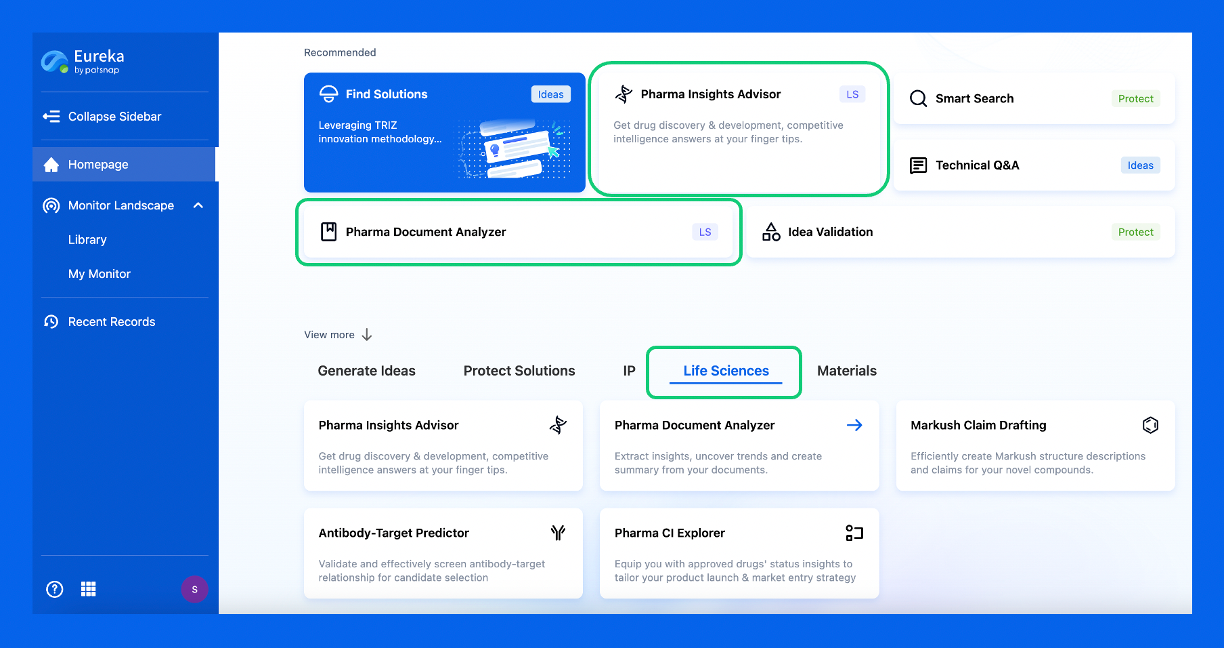
Discover Eureka LS: AI Agents Built for Biopharma Efficiency
Stop wasting time on biopharma busywork. Meet Eureka LS - your AI agent squad for drug discovery.
▶ See how 50+ research teams saved 300+ hours/month
From reducing screening time to simplifying Markush drafting, our AI Agents are ready to deliver immediate value. Explore Eureka LS today and unlock powerful capabilities that help you innovate with confidence.
AI Agents Built for Biopharma Breakthroughs
Accelerate discovery. Empower decisions. Transform outcomes.
Get started for free today!
Accelerate Strategic R&D decision making with Synapse, PatSnap’s AI-powered Connected Innovation Intelligence Platform Built for Life Sciences Professionals.
Start your data trial now!
Synapse data is also accessible to external entities via APIs or data packages. Empower better decisions with the latest in pharmaceutical intelligence.