Request Demo
What's the latest update on the ongoing clinical trials related to IL-17RA?
20 March 2025
Introduction to IL-17RA
Role in Immune System
Interleukin-17 receptor A (IL-17RA) represents one of the central components of the interleukin‐17 receptor family, which mediates diverse proinflammatory signals initiated by several IL-17 cytokines, primarily IL-17A and IL-17F. IL-17RA is ubiquitously expressed on various cells such as epithelial cells, endothelial cells, fibroblasts, and cells of the immune system. When IL-17A binds to IL-17RA—often in a heterodimeric complex with IL-17RC—it triggers downstream signaling cascades such as the NF-κB, MAPK, and C/EBP pathways that lead to the transcription of a multitude of inflammatory mediators and cytokines. In addition to its well‐established role in recruiting neutrophils and inducing chemokines like IL-8, IL-6, and TNF-α, IL-17RA signaling serves to amplify signals generated by other inflammatory cytokines. Given that IL-17RA is key to translating the IL-17 cytokine signal into a robust inflammatory response, it plays a significant part not only in host defence but also in the pathogenesis of several autoimmune and inflammatory conditions.
Therapeutic Potential
With the understanding of its central role in driving inflammatory pathways, IL-17RA has emerged as a promising therapeutic target. Blockade or modulation of IL-17RA provides a mechanism to attenuate overactive inflammatory responses without a blanket suppression of the immune system. This has particular relevance in diseases where IL-17-driven inflammation is pathogenic, such as psoriasis, psoriatic arthritis, rheumatoid arthritis (RA), and even certain immune-related adverse events (irAEs) arising from cancer immunotherapies. The success of monoclonal antibodies, such as brodalumab—which targets IL-17RA—has demonstrated that this receptor blockade can lead to marked clinical improvement in conditions like chronic plaque psoriasis. Furthermore, IL-17RA targeting is under investigation for its potential to ameliorate symptoms in other indications by reducing the production and release of a range of proinflammatory mediators. This therapeutic potential is being expanded upon through both biological agents and experimental small molecules that aim to inhibit the receptor pathway more precisely.
Overview of IL-17RA Clinical Trials
Types of Trials
Clinical investigations into IL-17RA blockade have taken multiple forms. Many of these trials are designed as interventional studies assessing the safety, tolerability, pharmacokinetics, and efficacy of IL-17RA–targeted therapies. For instance, the pilot study investigating the use of brodalumab in treating immune-related adverse events constitutes an early-phase interventional trial that is exploring the role of IL-17RA blockade in patients with heightened inflammatory responses due to immunotherapy. The landscape includes both single-arm pilot studies and randomized controlled trials (RCTs) where IL-17RA blockers are compared with standard care or placebo.
Other trials focus on immune-mediated inflammatory diseases where the IL-17 pathway plays a pivotal role—especially in conditions such as psoriasis and psoriatic arthritis—and often involve dose-finding studies as well as safety and efficacy assessments across multiple phases. The clinical trials hence span from phase I studies in healthy volunteers or specific patient groups to phase II and even phase III studies, in which endpoints not only assess clinical improvement but also evaluate the biomarker responses in peripheral blood and target tissues. The structure of these trials often incorporates adaptive design elements, which allow modifications to dosage regimens in real time based on emerging safety or efficacy data, a trend increasingly common in the evaluation of novel biologics.
Key Players and Sponsors
The key players involved in the development and clinical testing of IL-17RA–targeted therapies include major pharmaceutical companies and biotechnology organizations that have a proven track record in immunomodulatory drugs. For example, Amgen/MedImmune is a leading entity associated with brodalumab—a monoclonal antibody targeting IL-17RA—as indicated by multiple studies and clinical trials. Other global pharmaceutical giants, such as Novartis, Eli Lilly, and companies emerging from innovative biotechnological collaborations, are investing heavily in research and development of IL-17 pathway inhibitors. Additionally, academic centers and research institutions collaborate in many phase I/II trials to identify optimal dosing and mechanistic profiles. Funding and support for these trials are often provided by large-scale partnerships between industry and public institutions, with regulatory oversight by bodies such as the FDA and entities reporting data on ClinicalTrials.gov (CTGOV). This broad alliance between industry giants, academic institutions, and funding agencies demonstrates a strong collective interest in harnessing the therapeutic potential of IL-17RA blockade.
Recent Developments in Clinical Trials
Ongoing Trials and Phases
At the forefront of current updates, one of the latest developments is highlighted by the clinical trial titled “Brodalumab in the Treatment of Immune-Related Adverse Events: a Pilot Study.” This trial, which is registered under number NCT06673329 on CTGOV, is designed to assess both the efficacy and safety profile of brodalumab—a monoclonal antibody that specifically antagonizes IL-17RA—in patients who are experiencing immune-related adverse events (irAEs). These adverse events are often accompanied by systemic inflammation and can occur in patients undergoing cancer immunotherapy. The trial’s start date, encoded in the registration data as 1730419200000 (which corresponds to a recent timeframe), and the study’s status updates indicate that it is a live, ongoing pilot study. This pilot study forms part of the emerging trend toward repurposing IL-17RA blockade to manage not only classical autoimmune conditions but also the side effects of immunotherapy, an issue of growing importance in oncology.
Additionally, beyond the pilot study for irAEs, there are several other early-phase studies focusing on IL-17RA–targeted interventions in diseases such as rheumatoid arthritis and psoriasis. Although the clinical efficacy of IL-17A blockade in RA has been reported as only modest in some human studies, there is a notable effort to better stratify patients based on IL-17 expression levels—as observed in synovial tissue—and to explore whether direct blockade of IL-17RA might yield a superior therapeutic index. These studies incorporate modern trial designs, including adaptive methodologies that allow for dose modifications based on patient responses, enhancing both patient safety and the potential for detecting clinical benefits.
Moreover, the integration of biomarker-driven studies within these trials is a key update, as researchers are increasingly focusing on correlating clinical outcomes with levels of IL-17 and other inflammatory mediators. This is expected to refine patient selection criteria and lead to a more personalized approach, which in turn could improve the overall efficacy profile of IL-17RA–targeted therapies. With IL-17RA being evaluated not only as a solo target but also in combination with other immunomodulatory agents, there is a growing momentum in designing combination therapy trials that may overcome the compensatory mechanisms exhibited by cytokine networks and thus deliver better clinical outcomes.
Preliminary Results and Findings
Preliminary insights emerging from the ongoing trials have been encouraging on several fronts. The pilot study using brodalumab to treat immune-related adverse events has provided intriguing early safety data, suggesting that IL-17RA blockade is well tolerated in a patient population that is often subject to complex immune phenomena. The safety profile appears favorable, with minimal incidence of severe adverse events, a key factor given the broad role of IL-17RA in immune homeostasis. Early findings also indicate that blockade of IL-17RA may help mitigate the severity of inflammatory responses—this is particularly significant in the context of irAEs in cancer immunotherapy, where controlling inflammation without dampening antitumor immunity is a critical balance to achieve.
From a mechanistic standpoint, preclinical studies and early clinical data suggest that when IL-17RA signaling is interrupted, there is a notable downregulation of several downstream effectors, including proinflammatory cytokines like IL-1β, IL-6, and various chemokines that are typically upregulated in conditions such as RA and psoriasis. Although results from RA trials have often been described as “modest” in their clinical outcomes compared to the dramatic effects seen in psoriasis, this difference is attributed to the inherent heterogeneity of RA and the complex interplay of multiple cytokine networks within the joint microenvironment. In contrast, psoriasis has consistently demonstrated robust and rapid responses to IL-17 pathway inhibitors, including those that target IL-17RA.
Furthermore, several studies have underscored the importance of patient stratification, where only subsets of patients with high IL-17 activity might experience a substantial benefit from IL-17RA blockade. This nuanced understanding reinforces the need for precision medicine approaches in the design and analysis of these trials. Meanwhile, early adaptive designs reported in phase II studies have shown promising efficiency gains by reducing patient exposure to subtherapeutic or excessively toxic doses, a factor that undoubtedly influences the favorable preliminary outcomes seen in some of these trials.
In summary, the preliminary findings from these ongoing trials indicate that IL-17RA antagonism, particularly through agents like brodalumab, is both safe and potentially efficacious in managing immune-related inflammatory conditions. However, while the data is promising, definitive conclusions regarding its broad applicability across different disease states will require further confirmation in larger, more definitive phase III trials.
Implications and Future Directions
Potential Therapeutic Applications
The ongoing clinical trial landscape investigating IL-17RA blockade has far-reaching therapeutic implications. The positive preliminary findings from the pilot studies, especially in managing immune-related adverse events associated with immunotherapy, suggest that IL-17RA inhibition could become a versatile tool in both autoimmune diseases and oncology-related inflammatory complications. Clinically, the use of IL-17RA inhibitors offers the potential to treat a spectrum of conditions such as psoriasis, psoriatic arthritis, and possibly rheumatoid arthritis, where conventional therapies have shown limited success. Moreover, given the mechanistic underpinnings of IL-17RA signaling in promoting inflammation, these agents could be deployed to control excessive immune activation without broadly compromising host defence, thus providing a targeted immunomodulatory strategy.
In addition to monotherapy, combination approaches are emerging as a promising future direction. By co-administering IL-17RA inhibitors with other immune-modulating therapies, researchers hope to overcome the limitations observed in diseases like RA, where the inflammatory network involves multiple redundant pathways. Recent studies suggest that dual blockade strategies—targeting both IL-17RA and complementary cytokine pathways (for example, combining IL-17RA antagonism with TNF-α inhibitors or IL-6 modulators)—might enhance clinical responses by interrupting the amplification loops that sustain chronic inflammation. Another innovative approach involves the development of engineered receptor-like proteins with higher binding affinities to IL-17A, as described in recent experiments. Such molecules could eventually be adapted into novel therapeutic formats that might offer improved tissue penetration (critical in solid tumors) and lower immunogenicity compared with traditional antibodies.
Furthermore, the integration of biomarker-guided patient selection strategies is expected to have a significant impact on the clinical application of IL-17RA–targeted therapies. As trials continue to collect and correlate data on inflammatory markers in patients’ serum, synovial fluid, and tissue biopsies, it will be possible to identify the subpopulations that are most likely to benefit from IL-17RA blockade. This stratification is particularly important in heterogeneous diseases such as RA, where controlling the inflammatory cascade may require a more individualized therapeutic approach. In essence, the future applications of IL-17RA inhibition could extend beyond a single indication—serving as a multipronged strategy particularly suited for IMIDs (immune-mediated inflammatory diseases) that share common inflammatory pathways.
Challenges and Opportunities
Despite the promise, several challenges remain in the clinical development of IL-17RA–targeted therapies. One of the primary challenges lies in the intrinsic heterogeneity of diseases like rheumatoid arthritis, where IL-17RA signaling is only one part of a complex cytokine network. Clinical trials have shown that while blockade of IL-17RA leads to significant improvement in some patients, the overall efficacy in RA has been modest when compared to outcomes in conditions like psoriasis. This variability in therapeutic response underscores the critical importance of developing robust biomarkers that can reliably predict which patients will benefit the most from IL-17RA inhibition.
Another challenge is related to the compensatory mechanisms within the immune system. Given that multiple cytokines and receptors work in concert to regulate inflammation, blocking IL-17RA alone may sometimes trigger alternative pathways that sustain the inflammatory environment. This is particularly evident in chronic inflammatory conditions where long-term efficacy may be mitigated by adaptive immune responses. Moreover, the safety profile of IL-17RA inhibitors must continue to be monitored rigorously. Although early-phase studies, such as the one referenced, suggest that IL-17RA blockade is generally well tolerated, there remains a risk of infections and other immune-related side effects when modulating a receptor that is widely expressed across many cell types.
On the opportunity side, the rapid advancement in adaptive clinical trial designs and biomarker-driven strategies presents a major asset. Novel trial methodologies, as reviewed in recent biostatistical studies, allow researchers to design more flexible and efficient trials that can adjust dosages or alter enrollment criteria in real time. These adaptive designs help optimize the balance between patient safety and the accumulation of efficacy data, ultimately accelerating the development process. Also, the integration of digital health platforms and remote monitoring can enhance data accuracy and patient compliance, further optimizing trial outcomes.
The competitive landscape is another key area of opportunity. With several major pharmaceutical companies (e.g., Amgen, Novartis, Eli Lilly) having invested in IL-17 pathway inhibitors—including those that target IL-17RA—the collaboration between academic institutions, industry leaders, and regulatory agencies is expected to foster innovations. Such collaborations pave the way for the next generation of therapeutic agents that exploit the nuances of IL-17 biology. Furthermore, the dual application of IL-17RA inhibitors in managing both primary autoimmune conditions and secondary complications (such as irAEs in cancer therapy) creates a unique opportunity to expand the label and market potential for these therapies.
Finally, ongoing research into novel agents—ranging from monoclonal antibodies to engineered receptor-like proteins and small molecule inhibitors—offers exciting prospects. These multiple therapeutic approaches can be tailored for different indications and patient populations; for instance, a topical formulation of an IL-17RA antisense oligonucleotide (as explored in some preclinical studies) may offer a non-invasive alternative for localized skin disorders. Such innovations not only broaden the spectrum of potential therapeutic applications but also might limit the systemic side effects associated with long-term immunomodulation.
Conclusion
In summary, the latest updates on ongoing clinical trials related to IL-17RA reveal a dynamic and evolving landscape. The role of IL-17RA in the immune system—as a critical mediator of proinflammatory signaling—has positioned it as a highly promising therapeutic target for a variety of conditions ranging from psoriasis and psoriatic arthritis to rheumatoid arthritis and immune-related adverse events associated with cancer immunotherapy. Clinical trials, particularly those involving agents like brodalumab, are at the forefront of translating this biological insight into clinical practice. One of the most notable ongoing studies is the pilot trial “Brodalumab in the Treatment of Immune-Related Adverse Events,” which underscores the potential of IL-17RA blockade to manage complex inflammatory scenarios seen in modern oncology.
The types of trials conducted so far range from early-phase, single-arm safety studies to adaptive phase II trials that leverage biomarker-driven patient stratification. These approaches are supported by a robust collaboration between major pharmaceutical companies, academic institutions, and regulatory agencies—all of which contribute to a rigorous evidentiary foundation for IL-17RA-targeted therapies. Preliminary results are promising in terms of safety, with evidence that IL-17RA blockade can lead to a reduction in the levels of proinflammatory mediators and better control of immune-related adverse events. However, challenges such as disease heterogeneity, compensatory cytokine pathways, and the need for robust biomarkers have been identified, particularly in conditions like rheumatoid arthritis where response tends to be variable.
Looking toward the future, the implications of these trials are significant. IL-17RA blockade has the potential to become a cornerstone in the management of multiple inflammatory diseases, provided that ongoing trials can further refine patient selection, dosage regimens, and combination treatment strategies. Opportunities abound in the field given the continuous innovation in adaptive trial designs, digital health integration, and the development of novel therapeutic formats. While challenges remain, particularly in optimizing therapeutic efficacy and managing safety concerns, the progress observed thus far instills cautious optimism among researchers and clinicians alike.
In conclusion, ongoing clinical trials for IL-17RA–targeted therapies, exemplified by the brodalumab pilot study and complemented by ongoing evaluations in psoriasis, psoriatic arthritis, and potentially rheumatoid arthritis, represent a significant leap forward in our understanding and manipulation of the IL-17 inflammatory pathway. With a strong foundation in both basic science and clinical investigation, the next generation of IL-17RA inhibitors is positioned to potentially transform the therapeutic landscape for patients suffering from a wide array of immune-mediated inflammatory diseases. Continued research, adaptive trial designs, and the refinement of biomarker strategies will be essential in harnessing the full potential of IL-17RA blockade, ultimately leading to more personalized and effective treatments.
Role in Immune System
Interleukin-17 receptor A (IL-17RA) represents one of the central components of the interleukin‐17 receptor family, which mediates diverse proinflammatory signals initiated by several IL-17 cytokines, primarily IL-17A and IL-17F. IL-17RA is ubiquitously expressed on various cells such as epithelial cells, endothelial cells, fibroblasts, and cells of the immune system. When IL-17A binds to IL-17RA—often in a heterodimeric complex with IL-17RC—it triggers downstream signaling cascades such as the NF-κB, MAPK, and C/EBP pathways that lead to the transcription of a multitude of inflammatory mediators and cytokines. In addition to its well‐established role in recruiting neutrophils and inducing chemokines like IL-8, IL-6, and TNF-α, IL-17RA signaling serves to amplify signals generated by other inflammatory cytokines. Given that IL-17RA is key to translating the IL-17 cytokine signal into a robust inflammatory response, it plays a significant part not only in host defence but also in the pathogenesis of several autoimmune and inflammatory conditions.
Therapeutic Potential
With the understanding of its central role in driving inflammatory pathways, IL-17RA has emerged as a promising therapeutic target. Blockade or modulation of IL-17RA provides a mechanism to attenuate overactive inflammatory responses without a blanket suppression of the immune system. This has particular relevance in diseases where IL-17-driven inflammation is pathogenic, such as psoriasis, psoriatic arthritis, rheumatoid arthritis (RA), and even certain immune-related adverse events (irAEs) arising from cancer immunotherapies. The success of monoclonal antibodies, such as brodalumab—which targets IL-17RA—has demonstrated that this receptor blockade can lead to marked clinical improvement in conditions like chronic plaque psoriasis. Furthermore, IL-17RA targeting is under investigation for its potential to ameliorate symptoms in other indications by reducing the production and release of a range of proinflammatory mediators. This therapeutic potential is being expanded upon through both biological agents and experimental small molecules that aim to inhibit the receptor pathway more precisely.
Overview of IL-17RA Clinical Trials
Types of Trials
Clinical investigations into IL-17RA blockade have taken multiple forms. Many of these trials are designed as interventional studies assessing the safety, tolerability, pharmacokinetics, and efficacy of IL-17RA–targeted therapies. For instance, the pilot study investigating the use of brodalumab in treating immune-related adverse events constitutes an early-phase interventional trial that is exploring the role of IL-17RA blockade in patients with heightened inflammatory responses due to immunotherapy. The landscape includes both single-arm pilot studies and randomized controlled trials (RCTs) where IL-17RA blockers are compared with standard care or placebo.
Other trials focus on immune-mediated inflammatory diseases where the IL-17 pathway plays a pivotal role—especially in conditions such as psoriasis and psoriatic arthritis—and often involve dose-finding studies as well as safety and efficacy assessments across multiple phases. The clinical trials hence span from phase I studies in healthy volunteers or specific patient groups to phase II and even phase III studies, in which endpoints not only assess clinical improvement but also evaluate the biomarker responses in peripheral blood and target tissues. The structure of these trials often incorporates adaptive design elements, which allow modifications to dosage regimens in real time based on emerging safety or efficacy data, a trend increasingly common in the evaluation of novel biologics.
Key Players and Sponsors
The key players involved in the development and clinical testing of IL-17RA–targeted therapies include major pharmaceutical companies and biotechnology organizations that have a proven track record in immunomodulatory drugs. For example, Amgen/MedImmune is a leading entity associated with brodalumab—a monoclonal antibody targeting IL-17RA—as indicated by multiple studies and clinical trials. Other global pharmaceutical giants, such as Novartis, Eli Lilly, and companies emerging from innovative biotechnological collaborations, are investing heavily in research and development of IL-17 pathway inhibitors. Additionally, academic centers and research institutions collaborate in many phase I/II trials to identify optimal dosing and mechanistic profiles. Funding and support for these trials are often provided by large-scale partnerships between industry and public institutions, with regulatory oversight by bodies such as the FDA and entities reporting data on ClinicalTrials.gov (CTGOV). This broad alliance between industry giants, academic institutions, and funding agencies demonstrates a strong collective interest in harnessing the therapeutic potential of IL-17RA blockade.
Recent Developments in Clinical Trials
Ongoing Trials and Phases
At the forefront of current updates, one of the latest developments is highlighted by the clinical trial titled “Brodalumab in the Treatment of Immune-Related Adverse Events: a Pilot Study.” This trial, which is registered under number NCT06673329 on CTGOV, is designed to assess both the efficacy and safety profile of brodalumab—a monoclonal antibody that specifically antagonizes IL-17RA—in patients who are experiencing immune-related adverse events (irAEs). These adverse events are often accompanied by systemic inflammation and can occur in patients undergoing cancer immunotherapy. The trial’s start date, encoded in the registration data as 1730419200000 (which corresponds to a recent timeframe), and the study’s status updates indicate that it is a live, ongoing pilot study. This pilot study forms part of the emerging trend toward repurposing IL-17RA blockade to manage not only classical autoimmune conditions but also the side effects of immunotherapy, an issue of growing importance in oncology.
Additionally, beyond the pilot study for irAEs, there are several other early-phase studies focusing on IL-17RA–targeted interventions in diseases such as rheumatoid arthritis and psoriasis. Although the clinical efficacy of IL-17A blockade in RA has been reported as only modest in some human studies, there is a notable effort to better stratify patients based on IL-17 expression levels—as observed in synovial tissue—and to explore whether direct blockade of IL-17RA might yield a superior therapeutic index. These studies incorporate modern trial designs, including adaptive methodologies that allow for dose modifications based on patient responses, enhancing both patient safety and the potential for detecting clinical benefits.
Moreover, the integration of biomarker-driven studies within these trials is a key update, as researchers are increasingly focusing on correlating clinical outcomes with levels of IL-17 and other inflammatory mediators. This is expected to refine patient selection criteria and lead to a more personalized approach, which in turn could improve the overall efficacy profile of IL-17RA–targeted therapies. With IL-17RA being evaluated not only as a solo target but also in combination with other immunomodulatory agents, there is a growing momentum in designing combination therapy trials that may overcome the compensatory mechanisms exhibited by cytokine networks and thus deliver better clinical outcomes.
Preliminary Results and Findings
Preliminary insights emerging from the ongoing trials have been encouraging on several fronts. The pilot study using brodalumab to treat immune-related adverse events has provided intriguing early safety data, suggesting that IL-17RA blockade is well tolerated in a patient population that is often subject to complex immune phenomena. The safety profile appears favorable, with minimal incidence of severe adverse events, a key factor given the broad role of IL-17RA in immune homeostasis. Early findings also indicate that blockade of IL-17RA may help mitigate the severity of inflammatory responses—this is particularly significant in the context of irAEs in cancer immunotherapy, where controlling inflammation without dampening antitumor immunity is a critical balance to achieve.
From a mechanistic standpoint, preclinical studies and early clinical data suggest that when IL-17RA signaling is interrupted, there is a notable downregulation of several downstream effectors, including proinflammatory cytokines like IL-1β, IL-6, and various chemokines that are typically upregulated in conditions such as RA and psoriasis. Although results from RA trials have often been described as “modest” in their clinical outcomes compared to the dramatic effects seen in psoriasis, this difference is attributed to the inherent heterogeneity of RA and the complex interplay of multiple cytokine networks within the joint microenvironment. In contrast, psoriasis has consistently demonstrated robust and rapid responses to IL-17 pathway inhibitors, including those that target IL-17RA.
Furthermore, several studies have underscored the importance of patient stratification, where only subsets of patients with high IL-17 activity might experience a substantial benefit from IL-17RA blockade. This nuanced understanding reinforces the need for precision medicine approaches in the design and analysis of these trials. Meanwhile, early adaptive designs reported in phase II studies have shown promising efficiency gains by reducing patient exposure to subtherapeutic or excessively toxic doses, a factor that undoubtedly influences the favorable preliminary outcomes seen in some of these trials.
In summary, the preliminary findings from these ongoing trials indicate that IL-17RA antagonism, particularly through agents like brodalumab, is both safe and potentially efficacious in managing immune-related inflammatory conditions. However, while the data is promising, definitive conclusions regarding its broad applicability across different disease states will require further confirmation in larger, more definitive phase III trials.
Implications and Future Directions
Potential Therapeutic Applications
The ongoing clinical trial landscape investigating IL-17RA blockade has far-reaching therapeutic implications. The positive preliminary findings from the pilot studies, especially in managing immune-related adverse events associated with immunotherapy, suggest that IL-17RA inhibition could become a versatile tool in both autoimmune diseases and oncology-related inflammatory complications. Clinically, the use of IL-17RA inhibitors offers the potential to treat a spectrum of conditions such as psoriasis, psoriatic arthritis, and possibly rheumatoid arthritis, where conventional therapies have shown limited success. Moreover, given the mechanistic underpinnings of IL-17RA signaling in promoting inflammation, these agents could be deployed to control excessive immune activation without broadly compromising host defence, thus providing a targeted immunomodulatory strategy.
In addition to monotherapy, combination approaches are emerging as a promising future direction. By co-administering IL-17RA inhibitors with other immune-modulating therapies, researchers hope to overcome the limitations observed in diseases like RA, where the inflammatory network involves multiple redundant pathways. Recent studies suggest that dual blockade strategies—targeting both IL-17RA and complementary cytokine pathways (for example, combining IL-17RA antagonism with TNF-α inhibitors or IL-6 modulators)—might enhance clinical responses by interrupting the amplification loops that sustain chronic inflammation. Another innovative approach involves the development of engineered receptor-like proteins with higher binding affinities to IL-17A, as described in recent experiments. Such molecules could eventually be adapted into novel therapeutic formats that might offer improved tissue penetration (critical in solid tumors) and lower immunogenicity compared with traditional antibodies.
Furthermore, the integration of biomarker-guided patient selection strategies is expected to have a significant impact on the clinical application of IL-17RA–targeted therapies. As trials continue to collect and correlate data on inflammatory markers in patients’ serum, synovial fluid, and tissue biopsies, it will be possible to identify the subpopulations that are most likely to benefit from IL-17RA blockade. This stratification is particularly important in heterogeneous diseases such as RA, where controlling the inflammatory cascade may require a more individualized therapeutic approach. In essence, the future applications of IL-17RA inhibition could extend beyond a single indication—serving as a multipronged strategy particularly suited for IMIDs (immune-mediated inflammatory diseases) that share common inflammatory pathways.
Challenges and Opportunities
Despite the promise, several challenges remain in the clinical development of IL-17RA–targeted therapies. One of the primary challenges lies in the intrinsic heterogeneity of diseases like rheumatoid arthritis, where IL-17RA signaling is only one part of a complex cytokine network. Clinical trials have shown that while blockade of IL-17RA leads to significant improvement in some patients, the overall efficacy in RA has been modest when compared to outcomes in conditions like psoriasis. This variability in therapeutic response underscores the critical importance of developing robust biomarkers that can reliably predict which patients will benefit the most from IL-17RA inhibition.
Another challenge is related to the compensatory mechanisms within the immune system. Given that multiple cytokines and receptors work in concert to regulate inflammation, blocking IL-17RA alone may sometimes trigger alternative pathways that sustain the inflammatory environment. This is particularly evident in chronic inflammatory conditions where long-term efficacy may be mitigated by adaptive immune responses. Moreover, the safety profile of IL-17RA inhibitors must continue to be monitored rigorously. Although early-phase studies, such as the one referenced, suggest that IL-17RA blockade is generally well tolerated, there remains a risk of infections and other immune-related side effects when modulating a receptor that is widely expressed across many cell types.
On the opportunity side, the rapid advancement in adaptive clinical trial designs and biomarker-driven strategies presents a major asset. Novel trial methodologies, as reviewed in recent biostatistical studies, allow researchers to design more flexible and efficient trials that can adjust dosages or alter enrollment criteria in real time. These adaptive designs help optimize the balance between patient safety and the accumulation of efficacy data, ultimately accelerating the development process. Also, the integration of digital health platforms and remote monitoring can enhance data accuracy and patient compliance, further optimizing trial outcomes.
The competitive landscape is another key area of opportunity. With several major pharmaceutical companies (e.g., Amgen, Novartis, Eli Lilly) having invested in IL-17 pathway inhibitors—including those that target IL-17RA—the collaboration between academic institutions, industry leaders, and regulatory agencies is expected to foster innovations. Such collaborations pave the way for the next generation of therapeutic agents that exploit the nuances of IL-17 biology. Furthermore, the dual application of IL-17RA inhibitors in managing both primary autoimmune conditions and secondary complications (such as irAEs in cancer therapy) creates a unique opportunity to expand the label and market potential for these therapies.
Finally, ongoing research into novel agents—ranging from monoclonal antibodies to engineered receptor-like proteins and small molecule inhibitors—offers exciting prospects. These multiple therapeutic approaches can be tailored for different indications and patient populations; for instance, a topical formulation of an IL-17RA antisense oligonucleotide (as explored in some preclinical studies) may offer a non-invasive alternative for localized skin disorders. Such innovations not only broaden the spectrum of potential therapeutic applications but also might limit the systemic side effects associated with long-term immunomodulation.
Conclusion
In summary, the latest updates on ongoing clinical trials related to IL-17RA reveal a dynamic and evolving landscape. The role of IL-17RA in the immune system—as a critical mediator of proinflammatory signaling—has positioned it as a highly promising therapeutic target for a variety of conditions ranging from psoriasis and psoriatic arthritis to rheumatoid arthritis and immune-related adverse events associated with cancer immunotherapy. Clinical trials, particularly those involving agents like brodalumab, are at the forefront of translating this biological insight into clinical practice. One of the most notable ongoing studies is the pilot trial “Brodalumab in the Treatment of Immune-Related Adverse Events,” which underscores the potential of IL-17RA blockade to manage complex inflammatory scenarios seen in modern oncology.
The types of trials conducted so far range from early-phase, single-arm safety studies to adaptive phase II trials that leverage biomarker-driven patient stratification. These approaches are supported by a robust collaboration between major pharmaceutical companies, academic institutions, and regulatory agencies—all of which contribute to a rigorous evidentiary foundation for IL-17RA-targeted therapies. Preliminary results are promising in terms of safety, with evidence that IL-17RA blockade can lead to a reduction in the levels of proinflammatory mediators and better control of immune-related adverse events. However, challenges such as disease heterogeneity, compensatory cytokine pathways, and the need for robust biomarkers have been identified, particularly in conditions like rheumatoid arthritis where response tends to be variable.
Looking toward the future, the implications of these trials are significant. IL-17RA blockade has the potential to become a cornerstone in the management of multiple inflammatory diseases, provided that ongoing trials can further refine patient selection, dosage regimens, and combination treatment strategies. Opportunities abound in the field given the continuous innovation in adaptive trial designs, digital health integration, and the development of novel therapeutic formats. While challenges remain, particularly in optimizing therapeutic efficacy and managing safety concerns, the progress observed thus far instills cautious optimism among researchers and clinicians alike.
In conclusion, ongoing clinical trials for IL-17RA–targeted therapies, exemplified by the brodalumab pilot study and complemented by ongoing evaluations in psoriasis, psoriatic arthritis, and potentially rheumatoid arthritis, represent a significant leap forward in our understanding and manipulation of the IL-17 inflammatory pathway. With a strong foundation in both basic science and clinical investigation, the next generation of IL-17RA inhibitors is positioned to potentially transform the therapeutic landscape for patients suffering from a wide array of immune-mediated inflammatory diseases. Continued research, adaptive trial designs, and the refinement of biomarker strategies will be essential in harnessing the full potential of IL-17RA blockade, ultimately leading to more personalized and effective treatments.
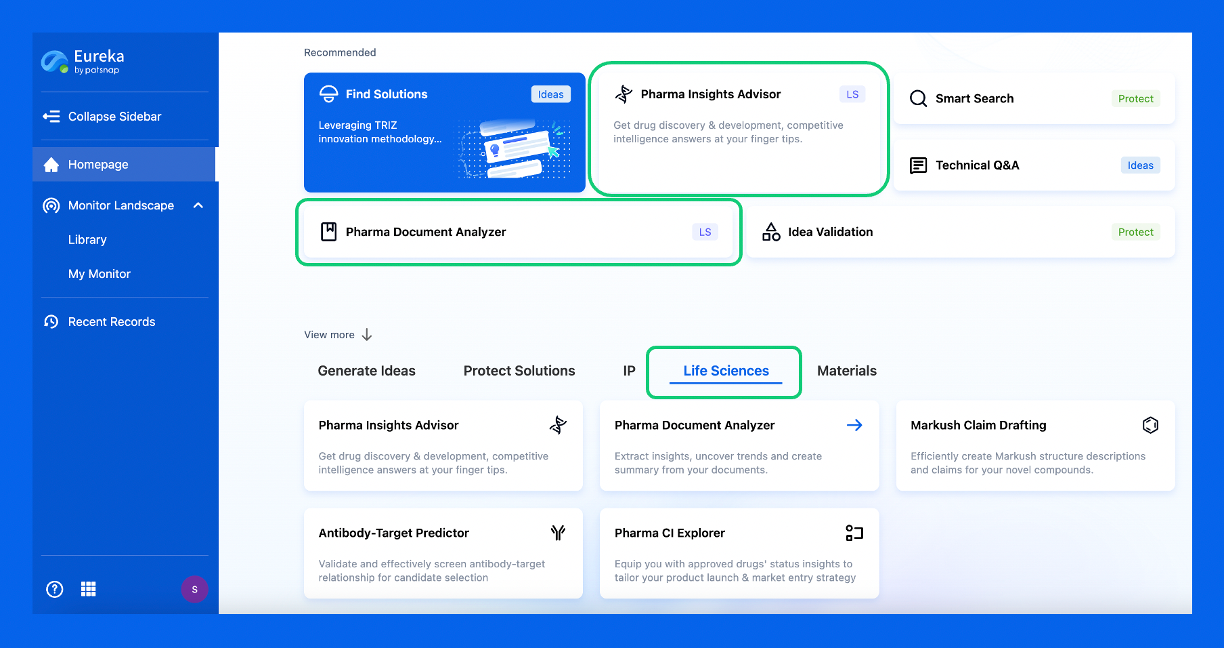
Discover Eureka LS: AI Agents Built for Biopharma Efficiency
Stop wasting time on biopharma busywork. Meet Eureka LS - your AI agent squad for drug discovery.
▶ See how 50+ research teams saved 300+ hours/month
From reducing screening time to simplifying Markush drafting, our AI Agents are ready to deliver immediate value. Explore Eureka LS today and unlock powerful capabilities that help you innovate with confidence.
AI Agents Built for Biopharma Breakthroughs
Accelerate discovery. Empower decisions. Transform outcomes.
Get started for free today!
Accelerate Strategic R&D decision making with Synapse, PatSnap’s AI-powered Connected Innovation Intelligence Platform Built for Life Sciences Professionals.
Start your data trial now!
Synapse data is also accessible to external entities via APIs or data packages. Empower better decisions with the latest in pharmaceutical intelligence.