Request Demo
What's the latest update on the ongoing clinical trials related to Sleep Initiation and Maintenance Disorders?
20 March 2025
Overview of Sleep Initiation and Maintenance DisordersDefinitionon and Symptoms
Sleep Initiation and Maintenance Disorders – frequently encompassed under the umbrella of chronic insomnia – are characterized by difficulties in falling asleep (prolonged sleep latency) and/or staying asleep after sleep onset (frequent nocturnal awakenings and difficulty returning to sleep) despite ample opportunities for sleep. In clinical trials and practice, these disorders are defined by both the subjective reports of patients (e.g., dissatisfaction with sleep quality, non‐restorative sleep, daytime impairments such as fatigue or cognitive difficulties) and objective sleep measures such as decreased sleep efficiency, increased sleep onset latency, and elevated wake time after sleep onset. The disorder is not only limited to the nighttime sleep journey but also significantly interferes with daytime performance, mental health, and general quality of life. Patients often report anxiety related to sleep, heightened arousal at bedtime, and sometimes even maladaptive behaviors such as excessive use of over‐the‐counter sleep aids which further complicate symptom presentation.
Epidemiology and Impact
Epidemiologically, chronic insomnia disorder, which includes difficulty initiating and maintaining sleep, affects approximately 6–10% of the population, although nearly one third of adults report some dissatisfaction with their sleep. Longitudinal studies have shown that a significant percentage of individuals with insomnia persist in symptomatology over multiple years, which in turn is associated with increased risks of depression, cardiovascular disease, obesity, diabetes, and other comorbid conditions. Furthermore, the chronic nature of these disorders imposes a substantial socioeconomic burden on healthcare systems: individuals with insomnia typically have more frequent healthcare consultations, higher utilization of prescription medications, and overall reduced productivity. The impact is multidimensional, affecting both the physical dimensions of health and the psychosocial aspects, including mood and cognitive function, making sleep initiation and maintenance disorders a critical target for clinical investigation and therapeutic innovation.
Current Clinical Trials
Active Trials and Their Objectives
The current landscape of clinical trials on sleep initiation and maintenance disorders is marked by a blend of traditional and innovative non-pharmacologic therapies, along with emerging pharmacologic options. In recent years, multiple trials have been conducted with a specific focus on behavioral interventions such as Cognitive Behavioral Therapy for Insomnia (CBT-I), intensive sleep retraining (ISR), and emerging digital health platforms designed to deliver these therapies remotely. Many of these trials have targeted the dual challenges of shortening sleep onset latency and reducing nighttime awakenings. For instance, several randomized controlled trials (RCTs) have compared the efficacy of therapist-guided versus self-directed or internet-delivered CBT-I, by measuring endpoints such as sleep efficiency, total sleep time, and changes in subjective sleep quality and daytime functioning.
In addition, a new generation of clinical trials is currently evaluating intensive sleep retraining protocols. These protocols involve multiple short nap opportunities over a 24-hour period, creating conditions that facilitate rapid sleep onset and aim to recalibrate the sleep-wake cycle. One pilot investigation, for example, demonstrated that after a single session of intensive sleep retraining, subjects experienced a significant reduction in sleep onset latency—upwards of a 30-minute decrease—and notable improvements in total sleep time by approximately 65 minutes. The objectives in these ongoing trials range from establishing feasibility and durability of the effects, to understanding the mechanistic underpinnings of improved sleep continuum dynamics, including the modulation of conditioned arousal responses linked to the bed environment.
Moreover, there are explorations into adjunctive approaches combining pharmacotherapy with behavioral interventions. Recent clinical trials are testing the hypothesis that a short-term administration of hypnotic agents during the early phase of behavioral therapy can potentiate treatment adherence and accelerate sleep improvement. These trials are designed to measure not just improvements in sleep parameters but also reductions in the risk of relapse and return to baseline sleep difficulties upon discontinuation of medication.
Finally, several multicenter trials are actively integrating objective monitoring technologies such as actigraphy and wearable devices to obtain fine-grained sleep data in a home setting as opposed to controlled laboratory environments. This approach enables the collection of longitudinal sleep data, thereby providing insights into variations in sleep initiation and maintenance under real-life conditions. In summary, ongoing trials are broadly aimed at refining and optimizing both the delivery and efficacy of therapies for sleep initiation and maintenance disorders, targeting different aspects of the disorder with both behavioral and pharmacologic means.
Key Findings and Developments
Preliminary results from these trials, while sometimes limited by small sample sizes or pilot study designs, are promising. Key findings have revealed that:
- Enhanced Durability of CBT-I: Internet-delivered and digitally supported CBT-I has shown significant improvements in sleep efficiency, with patients experiencing pronounced reductions in sleep onset latency and improvements in overall sleep quality. Notably, the benefits of CBT-I have proven to be more durable over time compared to traditional pharmacotherapy, which often presents rebound insomnia symptoms upon discontinuation.
- Rapid Response with Intensive Sleep Retraining (ISR): Intensive sleep retraining protocols have demonstrated rapid improvements in sleep onset, achieving a mean latency of less than 7 minutes in some pilot studies. These results are even more compelling considering the sustained improvements recorded up to 6–8 weeks post-intervention. The trials have reported statistically substantial reductions in both sleep onset latency and wake after sleep onset, coupled with increases in total sleep time and improvements in daytime functioning.
- Combination Treatment Modalities: The combination of behavioral interventions with short-term pharmacologic support is emerging as a compelling avenue. Early trials have reported that patients receiving both CBT-I and a brief course of hypnotic agents achieve faster clinical improvement; however, these studies call for larger-scale RCTs to verify the effectiveness of such combination regimens.
- Real-World Data through Innovative Monitoring: The incorporation of wearable devices and smartphone applications within ongoing clinical trials has provided robust objective data. Continuous monitoring not only validates self-reported outcomes from sleep diaries but also captures variations in sleep patterns over extended periods, thus offering a more comprehensive picture of sleep initiation and maintenance disturbances. This has substantially increased the granularity of the data, enabling researchers to track subtle changes in sleep architecture that were previously unattainable in traditional sleep studies.
These developments indicate an encouraging shift toward more refined, patient-centric interventions that leverage both technological advancements and behavioral science to optimize the treatment of sleep initiation and maintenance disorders.
Methodologies in Clinical Trials
Common Research Methods
The clinical trials in this domain have largely adopted rigorous randomized controlled trial designs—the gold standard for clinical evidence—in order to minimize bias and accurately assess treatment effects. The following methodologies are commonly employed:
- Randomized Controlled Trials (RCTs): Most studies are structured as RCTs, wherein participants with confirmed sleep initiation and maintenance difficulties are randomized into treatment and control groups. Outcomes are typically measured using validated subjective assessments (e.g., sleep quality questionnaires, insomnia severity indices) as well as objective measures such as actigraphy, polysomnography (in select trials), and sleep diaries.
- Crossover Designs: In cases where a treatment effect is expected to be rapid and reversible, crossover designs are sometimes used. Each participant receives both the active treatment and the placebo/control intervention, separated by appropriate washout periods to mitigate carryover effects.
- Multi-site and Remote Trial Designs: Modern trials often span multiple research sites to increase generalizability. Increasingly, trials are leveraging remote monitoring and digital platforms. These approaches not only enhance recruitment and retention but also enable the continuous collection of detailed sleep metrics in naturalistic settings.
- Use of Biometrics and Wearable Monitoring: Many trials incorporate wearable sensor technologies that track physiological signals such as heart rate variability, movement, and even EEG approximations via simplified headbands. These objective data are used in tandem with subjective measures to provide a comprehensive evaluation of sleep initiation and maintenance parameters.
- Hybrid Designs (Combining Pharmacologic and Behavioral Arms): In recognition of the multifactorial nature of insomnia, some recent studies adopt a hybrid model whereby participants receive a combination of rapid-onset pharmacologic agents along with CBT-I protocols. This design offers the opportunity to study synergistic effects while individually delineating the contribution of each modality.
These methods allow for an in-depth analysis of not only the immediate effects on sleep latency and nocturnal awakenings but also long-term improvements in sleep efficiency and daytime functioning.
Innovative Approaches
Recent clinical trials have started to break away from traditional paradigms by incorporating innovative trial designs and technological solutions. Some of the most notable innovative approaches include:
- Intensive Sleep Retraining (ISR): ISR is a novel behavioral intervention that condenses treatment into a single intensive session conducted over a 24-hour period. Using multiple short (<5-minute) nap opportunities, ISR disrupts maladaptive conditioning responses and resets sleep-wake patterns. The innovation lies in its rapid impact, which has been documented by significant improvements in sleep onset and maintenance that persist beyond the immediate treatment period.
- Digital Health Platforms for CBT-I: Internet-delivered and app-based CBT-I programs provide scalable, accessible alternatives to in-person therapy. These digital platforms frequently incorporate interactive content, real-time feedback, and the integration of wearable data to personalize treatment plans. They are particularly promising for populations that have limited access to trained sleep therapists.
- Integration of Actigraphy and Continuous Monitoring: Advanced actigraphy devices, paired with mobile health (mHealth) applications, have revolutionized the field by enabling remote, continuous monitoring of sleep patterns. This innovation permits not only the rigorous collection of long-term sleep data but also the real-time adaptation of therapy based on a participant’s ongoing performance.
- Combination Interventions in a Stepped Care Model: Another innovative approach is the stepped care model, in which interventions are escalated based on initial treatment response. Early interventions may involve self-help and digital CBT-I, followed by more intensive therapist-guided sessions or adjunctive pharmacologic support if needed. This model allows for individualized treatment intensification that is both cost-effective and clinically rational.
- Patient-Centered Outcome Measures and Data Analytics: There is growing emphasis on including patient-reported outcomes and employing advanced data analytics to refine the understanding of treatment effects. This approach helps in capturing subtle changes in sleep quality and establishing better correlations between objective data and the subjective experience of sleep disturbance.
Innovative trial methodologies not only enhance the precision of outcome measurement but also allow for more flexible, inclusive, and patient-centered trial designs. These methods are increasingly critical for the rapid translation of research findings into clinical practice.
Implications and Future Directions
Impact on Treatment Options
The advances observed in recent clinical trials have several implications for treatment options in sleep initiation and maintenance disorders. The shift toward non-pharmacologic interventions such as CBT-I and ISR underscores a growing consensus that behavioral therapies can yield durable and clinically meaningful improvements in sleep parameters, often with fewer adverse effects compared to traditional hypnotic drugs. These trials have demonstrated that:
- Rapid and Durable Response: Intensive approaches like ISR can elicit rapid improvements in sleep onset latency and maintenance, which may translate to sustained improvements over time. This could offer an attractive option for patients who experience severe nighttime awakenings and an inability to initiate sleep.
- Accessibility and Scalability: Digital CBT-I platforms immensely broaden the accessibility of effective sleep therapies. With remote monitoring and interactive modules, these programs have the potential to be implemented on a large scale, reaching populations in rural areas or regions with limited access to specialized sleep medicine resources.
- Personalized Medicine Approaches: The integration of objective data, patient-reported outcomes, and real-time analytics is paving the way for personalized treatment strategies. Future therapies are likely to be tailored to an individual’s specific sleep architecture, circadian markers, and comorbid conditions, thereby increasing the likelihood of clinical success.
- Improved Combination Strategies: The emerging evidence from combination treatment studies suggests that a hybrid approach—initiating therapy with a short course of hypnotic agents to kickstart sleep, followed by sustained behavioral interventions—may optimize patient outcomes. Ultimately, these combination strategies have the potential to reduce the reliance on long-term pharmacotherapy, thereby minimizing drug-related side effects and dependency issues.
These breakthroughs have critical implications for clinical practice by offering more effective, less invasive, and sustainable treatment options for individuals suffering from sleep initiation and maintenance disorders.
Future Research and Development
Looking ahead, the field is poised for additional growth and refinement in both clinical practice and research methodologies. Future research is expected to focus on several key areas:
- Scaling up and Refining Digital Interventions: While initial trials for digital CBT-I and ISR have produced promising data, larger-scale, multicenter RCTs are essential to confirm these findings and optimize treatment protocols. Research efforts will likely focus on standardizing outcome measures across studies and integrating more robust patient feedback mechanisms.
- Exploring Mechanisms of Action: There remains significant interest in elucidating the neurobiological and psychological mechanisms underlying the observed benefits of behavioral interventions. Future studies are expected to include neuroimaging components, biomarker analysis, and detailed sleep architecture evaluations. This research will contribute to a more nuanced understanding of how therapeutic interventions impact both the sleep process and associated daytime functions.
- Optimization of Hybrid Treatment Models: Further studies are needed to determine the most effective strategies for combining pharmacologic and non-pharmacologic therapies. In particular, the optimal duration, dosing regimen, and timing for adjunctive hypnotic use in conjunction with behavioral therapies must be clearly delineated. Such trials will also need to address potential issues of rebound insomnia and dependency versus sustained improvements.
- Integration of Real-World Data: The increasing use of wearable devices and digital health technologies provides an unprecedented opportunity to collect real-world evidence. Future research should capitalize on these tools to study long-term outcomes, adherence patterns, and the broader impacts of sleep interventions on quality of life. The incorporation of “big data” analytics and machine-learning algorithms could also aid in predicting treatment response and personalizing intervention strategies.
- Addressing Diverse Populations and Comorbidities: Given the bidirectional relationship between sleep disorders and psychiatric conditions such as depression and anxiety, future trials should explore how targeted insomnia treatments can also ameliorate these comorbidities. Ongoing and future research must ensure that study populations are diverse and that trials are designed to assess the interplay between sleep disorders and other chronic health conditions.
- Cost-effectiveness and Health Economic Outcomes: As healthcare systems increasingly emphasize value-based care, future clinical trials will also need to evaluate the cost-effectiveness of novel sleep interventions. This includes assessing not only the direct costs of treatment but also long-term economic benefits from improved productivity, reduced healthcare utilization, and better overall health outcomes.
In summary, future research and development in the area of sleep initiation and maintenance disorders will likely focus on advancing digital health solutions, refining combination therapies, understanding the underlying mechanisms of action, and ensuring that treatment strategies are both effective and economically sustainable.
Summary (General-Specific-General Structure):
Sleep initiation and maintenance disorders represent a critical clinical challenge characterized by the sustained difficulty in falling asleep and maintaining sleep despite adequate opportunities for rest. The epidemiology of these conditions underscores their impact on physical health, mental well-being, and economic productivity, which has spurred a wave of clinical trials aimed at identifying more effective treatment strategies.
On the clinical trials front, there is a growing emphasis on both non-pharmacologic and combination treatment modalities. Active trials have focused on innovative behavioral interventions such as digital Cognitive Behavioral Therapy for Insomnia (CBT-I) and Intensive Sleep Retraining (ISR), which offer rapid and durable benefits in reducing sleep onset latency and nighttime awakenings. These trials are also integrating advanced technologies such as wearable devices and real-time monitoring via apps to enhance data collection and treatment personalization. Key findings to date include significant improvements in sleep efficiency, total sleep time, and daytime performance with reduced dependence on longer-term hypnotic medication. These results suggest that newer interventions have the potential to outperform traditional pharmacotherapy while reducing the risk of side effects and dependency.
Methodologically, ongoing trials are employing a mix of randomized controlled trial designs, crossover structures, and real-world data integration using innovative digital platforms and biosensor technologies. This comprehensive approach ensures that both subjective (patient-reported outcomes) and objective (actigraphy, polysomnography) data are captured to provide a holistic view of treatment efficacy. Additionally, hybrid interventions that blend behavioral therapies with short-term pharmacologic agents are being rigorously tested in order to optimize therapeutic outcomes.
Looking forward, the future directions in this field are promising. Researchers are planning larger-scale, multicenter trials to refine these interventions, explore their underlying mechanisms, and assess the long-term sustainability of their benefits. With a focus on personalized medicine, cost-effectiveness analysis, and the integration of diverse patient populations, future trials promise to yield critical insights that will further revolutionize treatment paradigms for sleep initiation and maintenance disorders.
Conclusion:
The latest updates in clinical trials related to sleep initiation and maintenance disorders indicate significant progress on multiple fronts. Innovative behavioral therapies such as digital CBT-I and Intensive Sleep Retraining are demonstrating rapid, durable improvements in objective and subjective sleep outcomes, providing compelling alternatives to traditional pharmacotherapy. Advances in trial methodologies – including the use of wearable technologies and hybrid treatment models – have enhanced our capacity to capture detailed sleep data in real-world settings, thereby informing more personalized and effective treatment approaches. Despite the promising preliminary outcomes, there remains a need for large, multicenter, methodologically robust trials that will confirm these findings and elucidate the nuanced interplay between sleep interventions and comorbid conditions. Ultimately, these clinical trials not only pave the way for improved patient care but also contribute to reducing the broader socioeconomic burden associated with chronic sleep disturbances. Continued research in this area holds promise for transforming the management of insomnia, offering timely and effective solutions to one of the most challenging sleep disorders of our time.
Sleep Initiation and Maintenance Disorders – frequently encompassed under the umbrella of chronic insomnia – are characterized by difficulties in falling asleep (prolonged sleep latency) and/or staying asleep after sleep onset (frequent nocturnal awakenings and difficulty returning to sleep) despite ample opportunities for sleep. In clinical trials and practice, these disorders are defined by both the subjective reports of patients (e.g., dissatisfaction with sleep quality, non‐restorative sleep, daytime impairments such as fatigue or cognitive difficulties) and objective sleep measures such as decreased sleep efficiency, increased sleep onset latency, and elevated wake time after sleep onset. The disorder is not only limited to the nighttime sleep journey but also significantly interferes with daytime performance, mental health, and general quality of life. Patients often report anxiety related to sleep, heightened arousal at bedtime, and sometimes even maladaptive behaviors such as excessive use of over‐the‐counter sleep aids which further complicate symptom presentation.
Epidemiology and Impact
Epidemiologically, chronic insomnia disorder, which includes difficulty initiating and maintaining sleep, affects approximately 6–10% of the population, although nearly one third of adults report some dissatisfaction with their sleep. Longitudinal studies have shown that a significant percentage of individuals with insomnia persist in symptomatology over multiple years, which in turn is associated with increased risks of depression, cardiovascular disease, obesity, diabetes, and other comorbid conditions. Furthermore, the chronic nature of these disorders imposes a substantial socioeconomic burden on healthcare systems: individuals with insomnia typically have more frequent healthcare consultations, higher utilization of prescription medications, and overall reduced productivity. The impact is multidimensional, affecting both the physical dimensions of health and the psychosocial aspects, including mood and cognitive function, making sleep initiation and maintenance disorders a critical target for clinical investigation and therapeutic innovation.
Current Clinical Trials
Active Trials and Their Objectives
The current landscape of clinical trials on sleep initiation and maintenance disorders is marked by a blend of traditional and innovative non-pharmacologic therapies, along with emerging pharmacologic options. In recent years, multiple trials have been conducted with a specific focus on behavioral interventions such as Cognitive Behavioral Therapy for Insomnia (CBT-I), intensive sleep retraining (ISR), and emerging digital health platforms designed to deliver these therapies remotely. Many of these trials have targeted the dual challenges of shortening sleep onset latency and reducing nighttime awakenings. For instance, several randomized controlled trials (RCTs) have compared the efficacy of therapist-guided versus self-directed or internet-delivered CBT-I, by measuring endpoints such as sleep efficiency, total sleep time, and changes in subjective sleep quality and daytime functioning.
In addition, a new generation of clinical trials is currently evaluating intensive sleep retraining protocols. These protocols involve multiple short nap opportunities over a 24-hour period, creating conditions that facilitate rapid sleep onset and aim to recalibrate the sleep-wake cycle. One pilot investigation, for example, demonstrated that after a single session of intensive sleep retraining, subjects experienced a significant reduction in sleep onset latency—upwards of a 30-minute decrease—and notable improvements in total sleep time by approximately 65 minutes. The objectives in these ongoing trials range from establishing feasibility and durability of the effects, to understanding the mechanistic underpinnings of improved sleep continuum dynamics, including the modulation of conditioned arousal responses linked to the bed environment.
Moreover, there are explorations into adjunctive approaches combining pharmacotherapy with behavioral interventions. Recent clinical trials are testing the hypothesis that a short-term administration of hypnotic agents during the early phase of behavioral therapy can potentiate treatment adherence and accelerate sleep improvement. These trials are designed to measure not just improvements in sleep parameters but also reductions in the risk of relapse and return to baseline sleep difficulties upon discontinuation of medication.
Finally, several multicenter trials are actively integrating objective monitoring technologies such as actigraphy and wearable devices to obtain fine-grained sleep data in a home setting as opposed to controlled laboratory environments. This approach enables the collection of longitudinal sleep data, thereby providing insights into variations in sleep initiation and maintenance under real-life conditions. In summary, ongoing trials are broadly aimed at refining and optimizing both the delivery and efficacy of therapies for sleep initiation and maintenance disorders, targeting different aspects of the disorder with both behavioral and pharmacologic means.
Key Findings and Developments
Preliminary results from these trials, while sometimes limited by small sample sizes or pilot study designs, are promising. Key findings have revealed that:
- Enhanced Durability of CBT-I: Internet-delivered and digitally supported CBT-I has shown significant improvements in sleep efficiency, with patients experiencing pronounced reductions in sleep onset latency and improvements in overall sleep quality. Notably, the benefits of CBT-I have proven to be more durable over time compared to traditional pharmacotherapy, which often presents rebound insomnia symptoms upon discontinuation.
- Rapid Response with Intensive Sleep Retraining (ISR): Intensive sleep retraining protocols have demonstrated rapid improvements in sleep onset, achieving a mean latency of less than 7 minutes in some pilot studies. These results are even more compelling considering the sustained improvements recorded up to 6–8 weeks post-intervention. The trials have reported statistically substantial reductions in both sleep onset latency and wake after sleep onset, coupled with increases in total sleep time and improvements in daytime functioning.
- Combination Treatment Modalities: The combination of behavioral interventions with short-term pharmacologic support is emerging as a compelling avenue. Early trials have reported that patients receiving both CBT-I and a brief course of hypnotic agents achieve faster clinical improvement; however, these studies call for larger-scale RCTs to verify the effectiveness of such combination regimens.
- Real-World Data through Innovative Monitoring: The incorporation of wearable devices and smartphone applications within ongoing clinical trials has provided robust objective data. Continuous monitoring not only validates self-reported outcomes from sleep diaries but also captures variations in sleep patterns over extended periods, thus offering a more comprehensive picture of sleep initiation and maintenance disturbances. This has substantially increased the granularity of the data, enabling researchers to track subtle changes in sleep architecture that were previously unattainable in traditional sleep studies.
These developments indicate an encouraging shift toward more refined, patient-centric interventions that leverage both technological advancements and behavioral science to optimize the treatment of sleep initiation and maintenance disorders.
Methodologies in Clinical Trials
Common Research Methods
The clinical trials in this domain have largely adopted rigorous randomized controlled trial designs—the gold standard for clinical evidence—in order to minimize bias and accurately assess treatment effects. The following methodologies are commonly employed:
- Randomized Controlled Trials (RCTs): Most studies are structured as RCTs, wherein participants with confirmed sleep initiation and maintenance difficulties are randomized into treatment and control groups. Outcomes are typically measured using validated subjective assessments (e.g., sleep quality questionnaires, insomnia severity indices) as well as objective measures such as actigraphy, polysomnography (in select trials), and sleep diaries.
- Crossover Designs: In cases where a treatment effect is expected to be rapid and reversible, crossover designs are sometimes used. Each participant receives both the active treatment and the placebo/control intervention, separated by appropriate washout periods to mitigate carryover effects.
- Multi-site and Remote Trial Designs: Modern trials often span multiple research sites to increase generalizability. Increasingly, trials are leveraging remote monitoring and digital platforms. These approaches not only enhance recruitment and retention but also enable the continuous collection of detailed sleep metrics in naturalistic settings.
- Use of Biometrics and Wearable Monitoring: Many trials incorporate wearable sensor technologies that track physiological signals such as heart rate variability, movement, and even EEG approximations via simplified headbands. These objective data are used in tandem with subjective measures to provide a comprehensive evaluation of sleep initiation and maintenance parameters.
- Hybrid Designs (Combining Pharmacologic and Behavioral Arms): In recognition of the multifactorial nature of insomnia, some recent studies adopt a hybrid model whereby participants receive a combination of rapid-onset pharmacologic agents along with CBT-I protocols. This design offers the opportunity to study synergistic effects while individually delineating the contribution of each modality.
These methods allow for an in-depth analysis of not only the immediate effects on sleep latency and nocturnal awakenings but also long-term improvements in sleep efficiency and daytime functioning.
Innovative Approaches
Recent clinical trials have started to break away from traditional paradigms by incorporating innovative trial designs and technological solutions. Some of the most notable innovative approaches include:
- Intensive Sleep Retraining (ISR): ISR is a novel behavioral intervention that condenses treatment into a single intensive session conducted over a 24-hour period. Using multiple short (<5-minute) nap opportunities, ISR disrupts maladaptive conditioning responses and resets sleep-wake patterns. The innovation lies in its rapid impact, which has been documented by significant improvements in sleep onset and maintenance that persist beyond the immediate treatment period.
- Digital Health Platforms for CBT-I: Internet-delivered and app-based CBT-I programs provide scalable, accessible alternatives to in-person therapy. These digital platforms frequently incorporate interactive content, real-time feedback, and the integration of wearable data to personalize treatment plans. They are particularly promising for populations that have limited access to trained sleep therapists.
- Integration of Actigraphy and Continuous Monitoring: Advanced actigraphy devices, paired with mobile health (mHealth) applications, have revolutionized the field by enabling remote, continuous monitoring of sleep patterns. This innovation permits not only the rigorous collection of long-term sleep data but also the real-time adaptation of therapy based on a participant’s ongoing performance.
- Combination Interventions in a Stepped Care Model: Another innovative approach is the stepped care model, in which interventions are escalated based on initial treatment response. Early interventions may involve self-help and digital CBT-I, followed by more intensive therapist-guided sessions or adjunctive pharmacologic support if needed. This model allows for individualized treatment intensification that is both cost-effective and clinically rational.
- Patient-Centered Outcome Measures and Data Analytics: There is growing emphasis on including patient-reported outcomes and employing advanced data analytics to refine the understanding of treatment effects. This approach helps in capturing subtle changes in sleep quality and establishing better correlations between objective data and the subjective experience of sleep disturbance.
Innovative trial methodologies not only enhance the precision of outcome measurement but also allow for more flexible, inclusive, and patient-centered trial designs. These methods are increasingly critical for the rapid translation of research findings into clinical practice.
Implications and Future Directions
Impact on Treatment Options
The advances observed in recent clinical trials have several implications for treatment options in sleep initiation and maintenance disorders. The shift toward non-pharmacologic interventions such as CBT-I and ISR underscores a growing consensus that behavioral therapies can yield durable and clinically meaningful improvements in sleep parameters, often with fewer adverse effects compared to traditional hypnotic drugs. These trials have demonstrated that:
- Rapid and Durable Response: Intensive approaches like ISR can elicit rapid improvements in sleep onset latency and maintenance, which may translate to sustained improvements over time. This could offer an attractive option for patients who experience severe nighttime awakenings and an inability to initiate sleep.
- Accessibility and Scalability: Digital CBT-I platforms immensely broaden the accessibility of effective sleep therapies. With remote monitoring and interactive modules, these programs have the potential to be implemented on a large scale, reaching populations in rural areas or regions with limited access to specialized sleep medicine resources.
- Personalized Medicine Approaches: The integration of objective data, patient-reported outcomes, and real-time analytics is paving the way for personalized treatment strategies. Future therapies are likely to be tailored to an individual’s specific sleep architecture, circadian markers, and comorbid conditions, thereby increasing the likelihood of clinical success.
- Improved Combination Strategies: The emerging evidence from combination treatment studies suggests that a hybrid approach—initiating therapy with a short course of hypnotic agents to kickstart sleep, followed by sustained behavioral interventions—may optimize patient outcomes. Ultimately, these combination strategies have the potential to reduce the reliance on long-term pharmacotherapy, thereby minimizing drug-related side effects and dependency issues.
These breakthroughs have critical implications for clinical practice by offering more effective, less invasive, and sustainable treatment options for individuals suffering from sleep initiation and maintenance disorders.
Future Research and Development
Looking ahead, the field is poised for additional growth and refinement in both clinical practice and research methodologies. Future research is expected to focus on several key areas:
- Scaling up and Refining Digital Interventions: While initial trials for digital CBT-I and ISR have produced promising data, larger-scale, multicenter RCTs are essential to confirm these findings and optimize treatment protocols. Research efforts will likely focus on standardizing outcome measures across studies and integrating more robust patient feedback mechanisms.
- Exploring Mechanisms of Action: There remains significant interest in elucidating the neurobiological and psychological mechanisms underlying the observed benefits of behavioral interventions. Future studies are expected to include neuroimaging components, biomarker analysis, and detailed sleep architecture evaluations. This research will contribute to a more nuanced understanding of how therapeutic interventions impact both the sleep process and associated daytime functions.
- Optimization of Hybrid Treatment Models: Further studies are needed to determine the most effective strategies for combining pharmacologic and non-pharmacologic therapies. In particular, the optimal duration, dosing regimen, and timing for adjunctive hypnotic use in conjunction with behavioral therapies must be clearly delineated. Such trials will also need to address potential issues of rebound insomnia and dependency versus sustained improvements.
- Integration of Real-World Data: The increasing use of wearable devices and digital health technologies provides an unprecedented opportunity to collect real-world evidence. Future research should capitalize on these tools to study long-term outcomes, adherence patterns, and the broader impacts of sleep interventions on quality of life. The incorporation of “big data” analytics and machine-learning algorithms could also aid in predicting treatment response and personalizing intervention strategies.
- Addressing Diverse Populations and Comorbidities: Given the bidirectional relationship between sleep disorders and psychiatric conditions such as depression and anxiety, future trials should explore how targeted insomnia treatments can also ameliorate these comorbidities. Ongoing and future research must ensure that study populations are diverse and that trials are designed to assess the interplay between sleep disorders and other chronic health conditions.
- Cost-effectiveness and Health Economic Outcomes: As healthcare systems increasingly emphasize value-based care, future clinical trials will also need to evaluate the cost-effectiveness of novel sleep interventions. This includes assessing not only the direct costs of treatment but also long-term economic benefits from improved productivity, reduced healthcare utilization, and better overall health outcomes.
In summary, future research and development in the area of sleep initiation and maintenance disorders will likely focus on advancing digital health solutions, refining combination therapies, understanding the underlying mechanisms of action, and ensuring that treatment strategies are both effective and economically sustainable.
Summary (General-Specific-General Structure):
Sleep initiation and maintenance disorders represent a critical clinical challenge characterized by the sustained difficulty in falling asleep and maintaining sleep despite adequate opportunities for rest. The epidemiology of these conditions underscores their impact on physical health, mental well-being, and economic productivity, which has spurred a wave of clinical trials aimed at identifying more effective treatment strategies.
On the clinical trials front, there is a growing emphasis on both non-pharmacologic and combination treatment modalities. Active trials have focused on innovative behavioral interventions such as digital Cognitive Behavioral Therapy for Insomnia (CBT-I) and Intensive Sleep Retraining (ISR), which offer rapid and durable benefits in reducing sleep onset latency and nighttime awakenings. These trials are also integrating advanced technologies such as wearable devices and real-time monitoring via apps to enhance data collection and treatment personalization. Key findings to date include significant improvements in sleep efficiency, total sleep time, and daytime performance with reduced dependence on longer-term hypnotic medication. These results suggest that newer interventions have the potential to outperform traditional pharmacotherapy while reducing the risk of side effects and dependency.
Methodologically, ongoing trials are employing a mix of randomized controlled trial designs, crossover structures, and real-world data integration using innovative digital platforms and biosensor technologies. This comprehensive approach ensures that both subjective (patient-reported outcomes) and objective (actigraphy, polysomnography) data are captured to provide a holistic view of treatment efficacy. Additionally, hybrid interventions that blend behavioral therapies with short-term pharmacologic agents are being rigorously tested in order to optimize therapeutic outcomes.
Looking forward, the future directions in this field are promising. Researchers are planning larger-scale, multicenter trials to refine these interventions, explore their underlying mechanisms, and assess the long-term sustainability of their benefits. With a focus on personalized medicine, cost-effectiveness analysis, and the integration of diverse patient populations, future trials promise to yield critical insights that will further revolutionize treatment paradigms for sleep initiation and maintenance disorders.
Conclusion:
The latest updates in clinical trials related to sleep initiation and maintenance disorders indicate significant progress on multiple fronts. Innovative behavioral therapies such as digital CBT-I and Intensive Sleep Retraining are demonstrating rapid, durable improvements in objective and subjective sleep outcomes, providing compelling alternatives to traditional pharmacotherapy. Advances in trial methodologies – including the use of wearable technologies and hybrid treatment models – have enhanced our capacity to capture detailed sleep data in real-world settings, thereby informing more personalized and effective treatment approaches. Despite the promising preliminary outcomes, there remains a need for large, multicenter, methodologically robust trials that will confirm these findings and elucidate the nuanced interplay between sleep interventions and comorbid conditions. Ultimately, these clinical trials not only pave the way for improved patient care but also contribute to reducing the broader socioeconomic burden associated with chronic sleep disturbances. Continued research in this area holds promise for transforming the management of insomnia, offering timely and effective solutions to one of the most challenging sleep disorders of our time.
Discover Eureka LS: AI Agents Built for Biopharma Efficiency
Stop wasting time on biopharma busywork. Meet Eureka LS - your AI agent squad for drug discovery.
▶ See how 50+ research teams saved 300+ hours/month
From reducing screening time to simplifying Markush drafting, our AI Agents are ready to deliver immediate value. Explore Eureka LS today and unlock powerful capabilities that help you innovate with confidence.
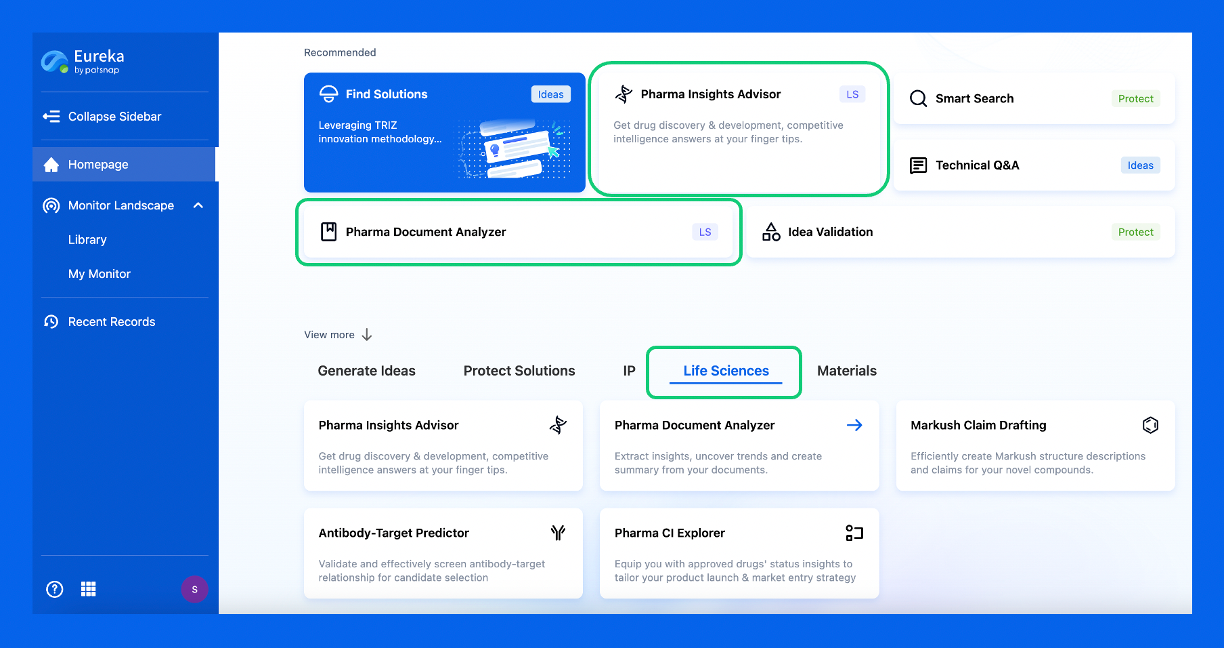
AI Agents Built for Biopharma Breakthroughs
Accelerate discovery. Empower decisions. Transform outcomes.
Get started for free today!
Accelerate Strategic R&D decision making with Synapse, PatSnap’s AI-powered Connected Innovation Intelligence Platform Built for Life Sciences Professionals.
Start your data trial now!
Synapse data is also accessible to external entities via APIs or data packages. Empower better decisions with the latest in pharmaceutical intelligence.