When does the patent for Agalsidase Alfa expire?
Introduction to Agalsidase Alfa
Agalsidase alfa is a recombinant formulation of human α‐galactosidase A used in the treatment of Anderson‐Fabry disease—a rare X‐linked lysosomal storage disorder. This enzyme replacement therapy (ERT) is designed to reduce the intracellular accumulation of globotriaosylceramide (Gb3) in a variety of tissues. The efficacy of agalsidase alfa depends largely on its biochemical properties, including its glycosylation profile and targeted delivery to affected cells, which are critical to achieve the desired therapeutic outcomes.
Clinical Uses and Importance
Clinically, agalsidase alfa has been an important therapeutic option for managing the manifestations of Anderson‐Fabry disease. In affected patients, accumulation of Gb3 leads to multi‐systemic issues affecting the kidneys, heart, and nervous system. By supplementing the deficient enzyme, agalsidase alfa helps restore normal metabolism, thereby reducing the progression of organ damage and improving patient quality of life. Historically, agalsidase alfa has formed part of the therapeutic armamentarium since its initial introduction, and its clinical use has been under continuous evaluation in various studies and registries. Its establishment in treatment protocols has also spurred discussions regarding the intellectual property and regulatory frameworks that underpin its commercial development.
Patent Details of Agalsidase Alfa
Patent Holder and Patent Details
Pharmaceutical products such as agalsidase alfa are typically protected by a combination of patents covering not only the composition-of-matter but also manufacturing methods, formulations, and sometimes even aspects of the clinical use of the product. In the case of agalsidase alfa, the product is marketed under the trade name Replagal™, produced by Shire Human Genetics Therapies, Inc. (now part of Takeda). Although many of the critical patents revolve around the novel recombinant technology and unique formulation attributes, the publicly available references provided here do not explicitly detail the particular patent numbers or the range of claims for agalsidase alfa. It should be noted, however, that the initial development and regulatory approvals for agalsidase alfa date back to the early 2000s, and therefore, the associated patent portfolio was filed during that period.
From the literature reviewed, product monographs such as the one provided for PrReplagal® (agalsidase alfa for injection) are critical sources that document product-specific data including indications, formulation details, and sometimes regulatory or intellectual property information. Nonetheless, the precise filing dates, patent families, or jurisdiction-specific patent information for agalsidase alfa have not been explicitly set forth in the provided references. In contrast, other patents such as those for agalsidase beta or drug candidates like RECOTHROM clearly note their filing dates and estimated expiration dates. This disparity indicates that while comprehensive patent data for some biopharmaceuticals are public, the specific information related to agalsidase alfa remains less clearly documented in these materials.
Expiration Date
When addressing the patent expiration date for agalsidase alfa, the available references do not provide a direct, unequivocal answer. No explicit statement such as “the patent for agalsidase alfa expires on [specific date]” appears in the publicly provided sources from outer websites or structured databases like synapse. Given that agalsidase alfa was introduced for clinical use approximately two decades ago—with many recombinant therapies being developed and approved in the early 2000s—one could infer based on standard patent lifespans that the primary composition-of-matter patents might have been filed in that early period.
Considering a typical 20-year term from the patent filing date, if the foundational patents covering agalsidase alfa were indeed filed in the early 2000s, then those patents would be expected to expire around the early 2020s. Nonetheless, it is also common for pharmaceutical companies to obtain additional patents related to formulations, manufacturing processes, and methods of treatment. These supplementary patents can extend the effective market exclusivity period despite the underlying composition-of-matter patent nearing expiration. For example, other product candidates and therapies such as RECOTHROM have multiple patents with staggered expiration dates that are subject to patent term extensions.
Without explicit citation numbers stating a clear expiration date for agalsidase alfa, it is important to recognize that the exact date would depend on several factors:
• The original filing date of the composition-of-matter patent and any subsequent secondary patents covering agalsidase alfa.
• Whether any patent term extensions or supplemental protection certificates have been granted in various territories (for example, under regulatory frameworks similar to those that allow for a maximum extension of up to five years as compensation for development and regulatory review periods).
• Variations in patent provisions between different jurisdictions—since patents are filed on a country-by-country basis, the expiration date in the United States could be different from that in European or other markets.
Therefore, based on the overall timeline and standard practices in the pharmaceutical industry, if the main patents for agalsidase alfa were filed in the early 2000s, then their expirations would likely have occurred or will occur in the early-to-mid 2020s. However, because the explicit data is not provided in the above references, one must conclude that the precise public domain expiration date for the patent covering agalsidase alfa is not specified herein and would require additional investigation—such as consulting the FDA’s Orange Book or respective patent office databases—to confirm the exact timing.
Implications of Patent Expiration
Impact on Market Competition
The expiration of patents in the pharmaceutical industry is a critical milestone. Once patent protection lapses, generic drug manufacturers are legally allowed to produce bioequivalent copies of the original reference product. In the case of agalsidase alfa, the expiration of key patents would open the market to potential biosimilar versions. The increased competition from biosimilars generally leads to a more competitive market landscape, which may reduce the product’s market share for the original innovator. This transition has been observed in many areas of therapeutics, where the market dynamics shift dramatically following patent expiration. Additionally, a greater number of competitors entering the market often trigger rapid reductions in pricing and force the original innovator to differentiate further either through additional formulations, improved manufacturing efficiencies, or enhanced clinical service programs.
Effects on Drug Pricing
One of the most noticeable effects of patent expiration in the pharmaceutical industry is the subsequent reduction in drug pricing. The entry of generics typically results in significant price decreases, as observed in other drug categories such as oncology treatments and enzyme replacement therapies. Although specific price data for agalsidase alfa post–patent expiration was not provided in the above references, the general principle remains that the end of exclusive rights enables market forces to drive prices downward. Lower prices increase patient accessibility and reduce the overall cost burden on healthcare systems. In markets where biosimilars or generic versions have entered following patent expiry, savings can be substantial over time, reflecting a dynamic transition from high-cost innovator drugs to affordable generic products.
Future Prospects
Potential for Generic Versions
With the anticipated expiration of primary patents on agalsidase alfa (if we assume a filing date in the early 2000s), the potential for the introduction of generic or biosimilar versions becomes significant. Regulatory agencies worldwide, such as the European Medicines Agency and the U.S. Food and Drug Administration, have established pathways to ensure that generic versions of biologics meet rigorous standards for quality, efficacy, and safety. Moreover, historical analysis of other enzyme replacement therapies and recombinant proteins shows that once exclusivity ends, the market tends to see a surge in biosimilar entrants, thereby increasing competition and potentially fostering an environment of improved access and reduced drug costs. This scenario not only benefits patients but also encourages continued market innovation as original manufacturers look to extend their product life cycles through new formulations or combination therapies.
Research and Development Opportunities
From an R&D perspective, the patent expiration for agalsidase alfa opens up several opportunities. First, it allows generic manufacturers to invest resources into optimizing production methods and improving product formulations, potentially leading to enhanced stability, bioavailability, or ease of administration. Second, the expiration of patents underlines the importance of a robust pipeline for new therapeutic innovations. Innovator companies, facing the end of market exclusivity, are often incentivized to invest in next-generation therapies or alternative dosing strategies. These subsequent developments may include enhanced enzymes with modified glycosylation profiles or novel delivery mechanisms that offer superior clinical benefits compared to the original product. Moreover, research into combination therapies—such as combining agalsidase alfa with pharmacological chaperones or other supportive agents—may further expand the therapeutic landscape for Anderson-Fabry disease.
Additionally, some studies note that even after patent expiration, continued R&D into the molecular mechanisms of disease and patient-specific responses can provide valuable data that lead to more tailored therapies. This strategy not only helps maintain clinical relevance but also supports the creation of intellectual property portfolios for novel treatment modalities that build upon the foundations of older therapies.
Conclusion
In summary, while the provided references extensively cover various perspectives on patent expiration in the pharmaceutical industry—with detailed examples for drugs like agalsidase beta, RECOTHROM, and even broader discussions on market dynamics—they do not explicitly specify the expiration date for the patent covering agalsidase alfa. Based on general industry practices and timelines, if the primary patents for agalsidase alfa were filed in the early 2000s, it is reasonable to infer that these patents would likely have expired or be approaching expiration in the early-to-mid 2020s, subject to any extensions or additional patent protections that may have been secured over time.
This uncertainty underscores the need for stakeholders to consult further sources—such as the FDA’s Orange Book or specific patent databases—to acquire the precise patent expiration information. The end of patent exclusivity has far-reaching implications including heightened market competition, reduced drug pricing, the possibility for biosimilar entry, and a reinvigoration of R&D efforts aimed at generating improved therapies in the management of Anderson-Fabry disease. Ultimately, while agalsidase alfa has played a prominent role in improving patient outcomes, its post–patent expiration phase is expected to drive renewed interest in both competitive pricing and innovation, thereby continuing the cycle of pharmaceutical advancement that benefits patients worldwide.
In conclusion, the exact expiration date for the agalsidase alfa patent is not explicitly provided within the above references. However, based on the standard 20-year patent lifespans and the historical context of its development in the early 2000s—along with considerations for potential patent term extensions—the primary patent is likely to have expired or be expiring around the early-to-mid 2020s. This anticipated expiration will likely lead to increased market competition, reduced pricing, and new opportunities for both biosimilar development and further innovation in therapy, thereby ultimately benefiting clinical practice and patient care.
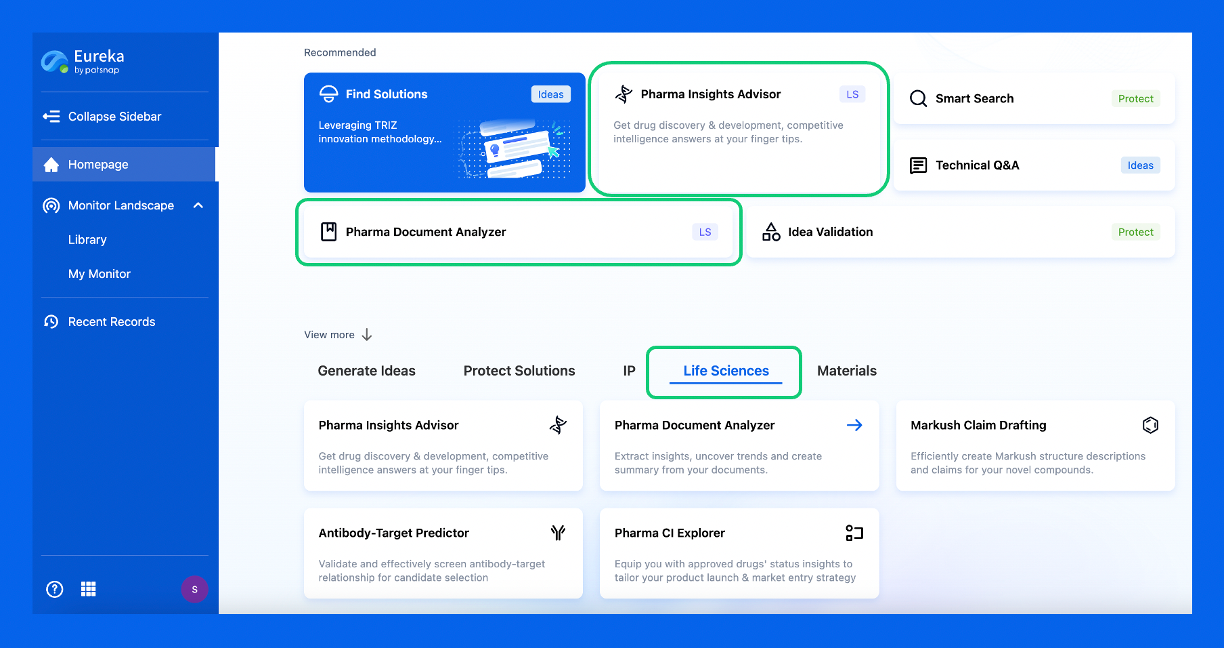
Discover Eureka LS: AI Agents Built for Biopharma Efficiency
Stop wasting time on biopharma busywork. Meet Eureka LS - your AI agent squad for drug discovery.
▶ See how 50+ research teams saved 300+ hours/month
From reducing screening time to simplifying Markush drafting, our AI Agents are ready to deliver immediate value. Explore Eureka LS today and unlock powerful capabilities that help you innovate with confidence.