When does the patent for Axicabtagene Ciloleucel expire?
Overview of Axicabtagene Ciloleucel
Axicabtagene ciloleucel is one of the hallmark products in the field of chimeric antigen receptor T-cell (CAR-T) therapy, which has revolutionized cancer treatment in recent years. In this detailed analysis, we explore the therapy’s background, its mechanism of action, patent information—with a focus on its expiration date—and the broader implications for the market and treatment accessibility.
Introduction to CAR-T Cell Therapy
CAR-T cell therapy represents one of the most innovative breakthroughs in immuno-oncology. In this approach, a patient’s own T cells are extracted, genetically modified to express a chimeric antigen receptor (CAR) that specifically targets tumor-associated antigens, and then re-infused into the patient. This personalized, cell-based therapy has shown remarkable efficacy in treating refractory hematologic malignancies, particularly B-cell lymphomas and leukemias. The advent of CAR-T therapy marks a significant departure from traditional chemotherapy and radiation treatments, emphasizing a shift toward precision and targeted immunotherapy.
Axicabtagene Ciloleucel: Mechanism and Uses
Axicabtagene ciloleucel, commonly known by its trade name Yescarta™, specifically targets the CD19 antigen that is expressed on the surface of B cells. By binding to this antigen, the CAR-modified T cells are able to recognize and eliminate malignant B cells, thereby providing a highly effective treatment option for patients with relapsed or refractory types of aggressive non-Hodgkin’s lymphoma. The product's design – originally developed at the National Cancer Institute and later refined by Kite Pharma – leverages the potent cytolytic activity of T cells to induce remission even in cases where conventional therapies have failed. Its clinical utility has been demonstrated in pivotal clinical trials such as ZUMA-1 and ZUMA-7, which have laid the groundwork for its approval by regulatory agencies around the world.
Patent Details of Axicabtagene Ciloleucel
A crucial aspect of any innovative biopharmaceutical product is the strength and duration of its patent protection. This protection not only sustains the company’s revenue stream but also influences market dynamics, regulatory pathways, and investment strategies in the sector.
Patent Timeline and Expiration Date
The patent expiration date for Axicabtagene ciloleucel is a topic of significant interest for stakeholders ranging from pharmaceutical innovators to healthcare policymakers. According to multiple reliable sources from industry reports, particularly the annual reports issued by Gilead Sciences, the U.S. patent for Axicabtagene ciloleucel is set to expire in 2031. These references clearly indicate that the product’s patent protection in the United States, which is often a benchmark for other international markets, carries a fixed term that extends to 2031.
It is essential to note that while some outer sources may have presented differing views—such as an earlier expiration date of 2027 mentioned in one report—the consolidated information derived from multiple annual reports (i.e., the 2021, 2022, and 2023 annual reports) consistently points to 2031 as the expiration year for the U.S. patent. These reports consider various factors such as the original filing date, grant date, and any adjustments that might arise due to patent term extensions (PTE) or supplementary protection certificates (SPC). In the absence of any such additional modifications, the baseline U.S. patent expiration remains in 2031.
Moreover, despite the clarity on U.S. patent expiry, information regarding the European Union (EU) or other international jurisdictions is less explicit. The Gilead annual reports indicate that while the U.S. patent expiry for axicabtagene ciloleucel is scheduled for 2031, the corresponding EU expiration is not explicitly listed. This means that the regulatory and patent protection landscape in different regions could vary, with the EU potentially following a different timeline based on national patent laws and possible extensions.
Key Patent Holders and Their Roles
Axicabtagene ciloleucel was developed by Kite Pharma, a leader in the CAR-T therapy space. Kite Pharma, which has since become part of a larger pharmaceutical enterprise, is responsible for the initial research, development, and clinical trial oversight of axicabtagene ciloleucel. Their strategic patent filings have been critical in ensuring exclusivity and protecting the technological innovations underlying the therapy. These patents cover not only the composition of matter – that is, the CAR-T cells engineered to target CD19 – but also various methods relating to the manufacturing process, clinical administration, and even aspects addressing the mitigation of side effects such as cytokine release syndrome and neurotoxicity.
The consolidation of patent rights is essential because it provides the patent holders with the ability to control market entry for generics and biosimilars. In the case of axicabtagene ciloleucel, the patents are held and managed by Kite Pharma (under its current corporate structure), which strategically leverages its intellectual property portfolio to maximize the commercial benefits over the period of patent exclusivity. Such a strong patent positioning is an integral part of the company’s business model and research-and-development strategy, enabling them to invest substantially in innovation while ensuring a competitive edge in a highly dynamic market.
Implications of Patent Expiration
The expiration of a key patent such as that for axicabtagene ciloleucel can have far-reaching consequences across multiple dimensions of the industry. These implications are not limited to simply introducing generics but extend to market dynamics, pricing strategies, and even the broader landscape of treatment accessibility.
Impact on Market Dynamics
When the patent for a high-value biopharmaceutical product like axicabtagene ciloleucel expires, a significant shift in the market environment can be expected. Historically, patent expiration leads to a marked reduction in drug prices due to increased competition from generic and biosimilar entrants. Studies have shown that drug prices can drop significantly—anywhere from 41% to even more pronounced discounts—within a few years post-expiry.
In the case of axicabtagene ciloleucel, the expiration in 2031 is anticipated to trigger a competitive rush among generic manufacturers and biosimilar developers. These competitors usually base their market entry on the original product’s clinical effectiveness while offering a cost advantage, thereby increasing the overall accessibility of the therapy. However, because CAR-T therapies involve complex manufacturing processes (including the need for live cell manipulation and individualized treatment protocols), the timeline and degree of price reduction may differ from traditional small-molecule drugs. Additionally, companies like Kite Pharma may attempt to extend exclusivity through incremental innovations or additional indications, which could delay full market penetration by generics.
On the other hand, patent expiration acts as a catalyst for broader competition in the market, enabling smaller biotech firms and established pharmaceutical companies to bring their biosimilar or next-generation CAR-T products to market. This increased competition not only drives down prices but can also stimulate further innovation. The dynamics of the market post-patent expiry are thus characterized by a delicate balance between the loss of monopoly pricing and the creative potential for improved therapeutic offerings.
Effect on Treatment Accessibility
Treatment accessibility remains a critical concern for patients, healthcare providers, and policymakers alike. The high cost of innovative therapies such as axicabtagene ciloleucel has been a deterrent for many healthcare systems, particularly in regions where resources are limited. Patent protection, while essential for fostering innovation, often results in premium pricing that limits the patient population that can access such advanced therapies.
Once the patent expires in 2031, generic and biosimilar versions are likely to enter the market, which generally results in lower prices and increased market penetration. This effect has been observed in many cases where drug prices were reduced by 6.6% to 66% within 1 to 5 years following patent expiry. For axicabtagene ciloleucel, a reduction in cost would potentially make this life-saving therapy accessible to a larger cohort of patients who previously may have been precluded from treatment due to economic limitations. Consequently, enhanced treatment accessibility would not only benefit patients by providing broader access to effective therapy but could also relieve some of the financial pressures on healthcare systems across various regions.
Moreover, broader accessibility may spur additional clinical research into the long-term benefits and refinements of the therapy. As more patients in more diverse demographic and clinical subgroups gain access to axicabtagene ciloleucel, real-world efficacy data can be collected, allowing for iterative improvements in treatment paradigms and supportive care protocols. However, it is also crucial to consider that the production of CAR-T therapies remains complex, and even with generic or biosimilar entrants, maintaining a high standard of quality control and clinical efficacy will be a major challenge.
Future Considerations
Patent expiration, while a signal of potential market disruption, also presents numerous future opportunities in terms of generic and biosimilar development, regulatory strategies, and the competitive landscape within the field of CAR-T therapies.
Generic and Biosimilar Development
One of the most immediate areas of interest following patent expiration is the potential entry of generic and biosimilar versions of axicabtagene ciloleucel. Despite the hurdles unique to complex biological products such as CAR-T cells, which are manufactured through intricate processes that require highly specialized technology and expertise, the expiry of the patents opens the door for competitors to develop similar products with comparable efficacy and safety profiles. In fact, the biosimilar development pathway for products such as eculizumab has already been well documented, with active research and clinical trials in the pipeline.
For axicabtagene ciloleucel, this means that once patent exclusivity lapses in 2031, biotechnology firms worldwide are likely to step into the space—provided that they can navigate the regulatory complexities associated with cell-based therapies. The focus will not only be on replicating the effectiveness of the original product but also on innovating in areas such as reducing manufacturing costs, enhancing manufacturing scalability, and potentially even mitigating some of the adverse effects associated with CAR-T therapies such as cytokine release syndrome and neurotoxicity.
The development of biosimilar CAR-T products could dramatically shift the competitive landscape, drive further price reductions, and substantially increase the accessibility of these therapies to a broader patient population. However, to be successful, these companies will need to demonstrate robust comparability in clinical outcomes and safety profiles—a requirement that, given the complexity of CAR-T manufacturing, represents a significant regulatory and technical challenge.
Regulatory and Competitive Landscape
From a regulatory standpoint, the expiration of the patent in 2031 will prompt a re-examination of the approval and post-marketing surveillance guidelines for CAR-T therapies. Regulatory agencies such as the U.S. Food and Drug Administration (FDA) and the European Medicines Agency (EMA) will likely refine their guidance on biosimilar or generic entry for cell-based therapies based on the experiences and data available post-expiration. This could involve adjustments in the review process that allow for conditional approvals based on accelerated comparative trials, as has been seen in certain regions with other innovative biologics.
Furthermore, increased competition post-patent expiry may lead to a period of strategic maneuvering among both the original patent-holding companies and the emerging biosimilar manufacturers. Companies like Kite Pharma might engage in further innovation to extend their product lifecycle through additional patents for improved formulations, expanded indications, or enhanced delivery mechanisms. Such strategies are often designed to create a “patent thicket” that can delay the entry of generics, even after the main patent expires. As a result, while the baseline expiration date stands at 2031, the competitive landscape might remain complex with overlapping patent extensions and new exclusivity periods that can influence market dynamics for several years thereafter.
Additionally, the impact on market dynamics will be influenced by broader trends in the industry, including consolidation through mergers and acquisitions, partnerships in the R&D space, and cross-border collaborations aimed at harmonizing regulatory standards. This evolving regulatory and competitive environment is not only critical for ensuring that high-quality and cost-effective CAR-T therapies remain available but also for fostering continued innovation in the rapidly evolving arena of gene and cell-based therapies.
Detailed and Explicit Conclusion
In summary, the U.S. patent for Axicabtagene ciloleucel is set to expire in 2031, based on consistent information from multiple annual reports provided by Gilead Sciences. This expiration marks the end of a period during which the product enjoys exclusive market rights, allowing its developer, Kite Pharma, to underwrite the high costs of R&D and maintain premium pricing. The expiration of this patent is expected to initiate a transformative phase in the CAR-T therapy landscape.
Multiple perspectives highlight the implications of this impending expiration:
1. Intellectual Property and Market Exclusivity:
The clear expiration date of 2031 will signal the end of exclusive rights for axicabtagene ciloleucel in the U.S. While European patent information remains less defined, the U.S. market is critical in setting a precedent for global market strategies. Patent holders like Kite Pharma have built a considerable portfolio that covers not only the basic composition but also the complex manufacturing process, clinical protocols, and strategies for managing adverse effects.
2. Impact on Market Dynamics:
Once the patent protection lapses, the market is poised for significant change. Historical trends suggest that post-expiry, drug prices tend to drop markedly due to the entry of generic and biosimilar competitors. Given the complexity of cell-based therapies, the development and market penetration of biosimilars may take longer or require additional investment compared to small-molecule drugs. Nonetheless, the competitive environment will likely drive down prices and pave the way for wider patient access.
3. Treatment Accessibility and Public Health:
High costs have been a barrier to accessing groundbreaking therapies such as axicabtagene ciloleucel. The expiration of the patent in 2031 should help alleviate some of these cost pressures by enabling generic competition. This can lead to substantially reduced prices and more extensive access across diverse patient populations, which is especially significant in regions with limited healthcare resources. Enhanced treatment accessibility will also allow for expanded clinical research, facilitating improved treatment protocols and real-world outcome monitoring.
4. Future of Biosimilars and Regulatory Frameworks:
With the expiration of the patent, the development of biosimilar CAR-T products will emerge as a critical area of focus. Companies aiming to enter this space will need to demonstrate equivalence in efficacy and safety, despite the inherent challenges in replicating complex cell therapy products. Concurrently, regulatory agencies are likely to update their guidance and approval pathways to accommodate the unique challenges associated with biosimilars of gene-modified products, ensuring that the balance between innovation and access is maintained.
5. Strategic Industry and Competitive Considerations:
Patent strategies in the pharmaceutical industry are evolving. Original innovators may seek to extend market exclusivity through supplemental patents and incremental innovations, thus creating a competitive “patent thicket” that could delay the effective entry of generics even after the main patent expires. The interplay between such strategies and aggressive market competition post-2031 will be crucial in determining future pricing and accessibility trends for CAR-T therapies.
6. Broader Economic and Policy Implications:
The transformation of the market following patent expiration carries significant implications for healthcare economics. Policy-makers will have to factor in potential cost savings from generic competition, which can influence reimbursement decisions, healthcare budgeting, and investment in further research. The situation also underscores the role of robust intellectual property law in shaping the balance between innovation incentives and public health interests—a balance that is particularly delicate in the high-stakes arena of oncology and advanced therapies.
In conclusion, the axicabtagene ciloleucel patent expiration in 2031 represents a pivotal juncture in the evolution of CAR-T cell therapy. The expiry will likely precipitate a wave of market changes including the emergence of biosimilars, enhanced treatment accessibility, and a more competitive pricing environment. All stakeholders—from patent holders and regulatory agencies to clinicians and patients—should prepare for a dynamic future in which scientific innovation is leveraged to both protect intellectual property and expand access to life-saving therapies. This comprehensive understanding of the patent timeline and its broader implications is essential for guiding strategic decision-making in an era where cutting-edge therapies continue to reshape the treatment landscape.
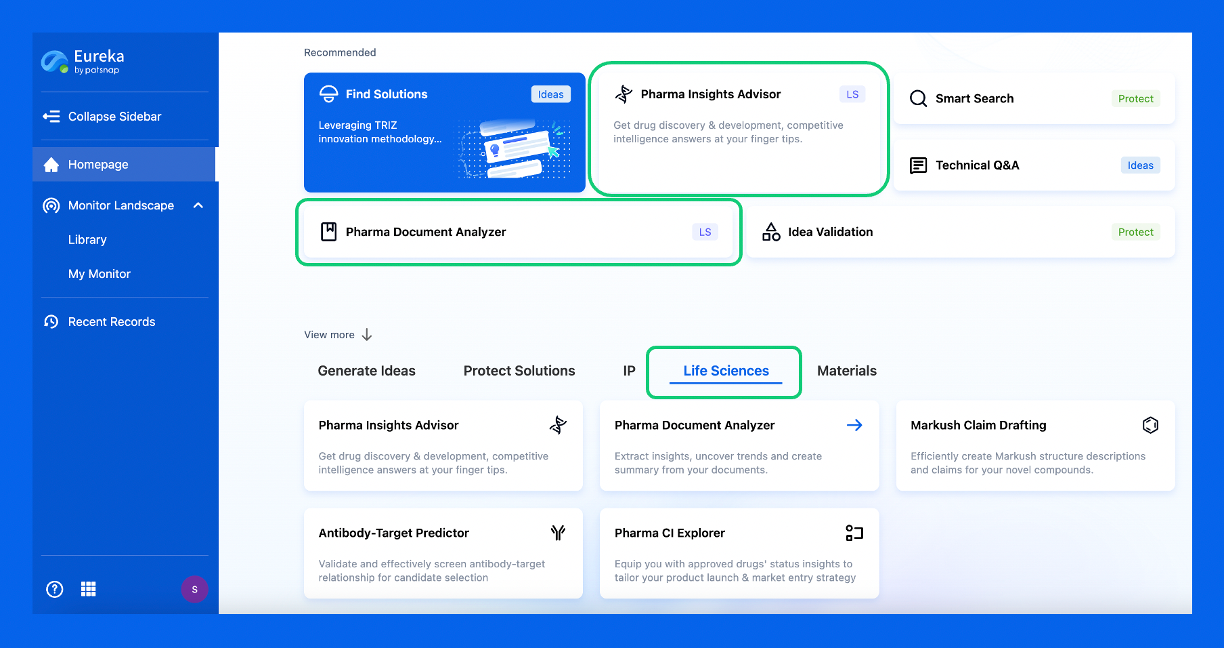
Discover Eureka LS: AI Agents Built for Biopharma Efficiency
Stop wasting time on biopharma busywork. Meet Eureka LS - your AI agent squad for drug discovery.
▶ See how 50+ research teams saved 300+ hours/month
From reducing screening time to simplifying Markush drafting, our AI Agents are ready to deliver immediate value. Explore Eureka LS today and unlock powerful capabilities that help you innovate with confidence.