Who are the main competitors of Sichuan Kelun Pharmaceutical?
Overview of Sichuan Kelun Pharmaceutical
Sichuan Kelun Pharmaceutical is a Chinese biopharmaceutical company with a long-established history in the research, development, manufacturing, and commercialization of innovative drugs. The company has progressively built a strong reputation in the field by focusing on major therapeutic areas such as solid tumors, autoimmune disorders, inflammatory diseases, and metabolic conditions. Over the years, Kelun has expanded its capabilities not only by developing small molecule drugs but also by establishing a robust proprietary platform for antibody–drug conjugates (ADCs), branded as OptiDC™. This strategic emphasis on innovation has been a key driver in the company's evolution, positioning it as an emerging leader among Chinese firms that aim to serve both domestic and international markets. Kelun’s rapid growth in its clinical pipeline, evident by its numerous ongoing projects in various stages—from clinical trials to approved marketing—reflects both its commitment to addressing unmet medical needs and its readiness to compete in the global pharmaceutical arena.
Product Portfolio and Market Position
Kelun’s product portfolio is characterized by its diversity and innovation. The company has more than 30 key drug projects under active development. Among these initiatives, its proprietary ADC platform highlights its focus on targeted cancer therapies with improved clinical outcomes. The ADC projects are at various stages—ranging from approved projects to those undergoing New Drug Application (NDA) submissions and clinical trials—and are designed to capture a significant share of the oncology market. Besides oncology, Kelun is also active in areas like metabolic diseases and autoimmune disorders, thereby ensuring that its research spans both high-growth and high-need areas. This strategy has positioned Kelun as a competitive, forward-looking enterprise that is not only concentrated on domestic requirements in China but also on achieving a meaningful global presence.
Main Competitors in the Pharmaceutical Industry
Identification of Key Competitors
In the modern competitive pharmaceutical landscape, Sichuan Kelun Pharmaceutical faces competition from both domestic and international players. Based on structured, reliable industry insights from synapse sources, the following are identified as the main competitors:
1. Jiangsu Hengrui Pharmaceutical
Jiangsu Hengrui is widely recognized for its strong R&D capabilities and innovative drug portfolio, particularly in oncology. With a rich history of developing novel drugs and a comprehensive pipeline of clinical studies, Hengrui has recently launched international subsidiaries, such as Luzsana Biotechnology, to bring its advanced medications to the global markets. The company’s commitment to innovation, coupled with its extensive clinical trials and large-scale production capabilities, positions Hengrui as a significant competitor in the areas where Kelun is aiming to establish its leadership.
2. CSPC Pharmaceutical
CSPC Pharmaceutical is another formidable domestic competitor. Frequently mentioned alongside Kelun in industry reports, CSPC has a track record in the development and commercialization of innovative drugs and has expanded its portfolio to include both small molecule and biologic drugs. Competitively, CSPC’s strengths lie in its established market presence and strong R&D pipelines that span oncology and other therapeutic areas. This positions CSPC in a similar market niche as Kelun, especially in leveraging key technologies such as ADCs for cancer treatment.
3. Global Pharmaceutical Players (e.g., Merck & Co.)
Although Sichuan Kelun Pharmaceutical has partnered with global companies on certain projects, these collaborations also place them in competitive contexts. Merck & Co., for example, is renowned for its global reach and substantial investments in biotechnology and oncology products. In joint projects that involve innovative ADC development, Merck’s advanced research infrastructure and broader market access mean that they can both partner and compete with Kelun, depending on the exact product and market scenario.
4. Other Emerging and Established Multinationals
The competitive landscape in oncology, particularly in the ADC segment, is crowded with other multinational pharmaceutical companies such as Daiichi Sankyo. These companies are rapidly developing similar targeted therapies and maintaining aggressive commercial strategies. Their investment in precision medicine, backed by strong clinical trial data and global regulatory approvals, puts them in direct competition with Kelun’s innovative offerings.
Comparative Analysis of Competitors
When comparing Kelun with its primary competitors, several dimensions need to be considered:
- Innovation and R&D Investment:
Jiangsu Hengrui’s substantial R&D investment has allowed it to build a diversified portfolio including over 250 clinical studies, positioning it as a leader in innovative drug development, especially in oncology. Kelun, on the other hand, is heavily invested in its proprietary ADC platform which is one of its notable technological differentiators. While both companies are focused on advanced therapeutics, Hengrui’s broader scale of clinical studies and international expansion through subsidiaries such as Luzsana Biotechnology gives it an edge in penetrating global markets.
- Market Position and Global Reach:
Global players like Merck & Co. leverage extensive international market penetration strategies and robust clinical networks. Despite Kelun’s impressive domestic track record and a growing international vision, companies like Merck have a longer history of regulatory success and market integration across multiple regions, which becomes a competitive advantage when competing on a global scale. However, Kelun’s innovative pipeline and commitment to addressing unmet medical needs in China by bridging local and global market strategies remain its key strengths.
- Financial Performance and Investment Strategy:
Analyst reports from synapse indicate that Kelun is currently in an investment phase where significant R&D expenditure may not immediately translate into profit but is expected to improve its financial performance over time through strategic milestones and funding rounds. In contrast, larger competitors such as Hengrui and Merck have more stable financial standings, which allow them to absorb market fluctuations more effectively and push forward with aggressive clinical and market development strategies.
- Technological Platforms and Therapeutic Focus:
Kelun’s proprietary ADC platform, OptiDC™, differentiates its approach in targeted cancer therapies, making it competitive in the rapidly evolving ADC landscape. Competitors like CSPC Pharmaceutical and global giants such as Daiichi Sankyo are also investing in similar technological platforms, but each organization applies its unique proprietary methodologies and strategic partnerships. This technological diversity in pipelines creates a compellingly competitive dynamic, where Kelun’s focused innovation in ADCs is both its strength and a potential area of vulnerability if competitors’ platforms yield faster approval or better clinical profiles.
Competitive Strategies and Market Dynamics
Market Trends and Competitive Strategies
The pharmaceutical market—particularly the innovative drug segment—is characterized by rapid technological advancements, extensive regulatory challenges, and the accelerating pace of globalization. In this dynamic environment, all players, including Sichuan Kelun Pharmaceutical, must continuously evolve their strategies. The following factors highlight the current market trends and competitive strategies:
- Focus on Precision and Targeted Therapies:
There is a global shift toward precision medicine, particularly in oncology. Kelun’s significant R&D efforts focused on ADCs respond to this trend, aiming to maximize efficacy while minimizing side effects. Competitors alike are leveraging similar approaches, with Jiangsu Hengrui broadening its pipeline to target diverse oncology indications and global players such as Merck investing millions to develop next-generation targeted therapies.
- Partnerships and Strategic Collaborations:
Collaborations between domestic and international companies have become customary. Kelun’s licensing and collaborative agreements with companies like Merck not only validate its scientific capabilities but also integrate it within a global network of distribution and clinical research. However, these partnerships also lead to a dual role where companies can serve both as collaborators and competitors.
- Regulatory Environment and Market Access:
The Chinese government’s regulatory reforms have accelerated the drug approval process, thereby intensifying the competition as companies race for market exclusivity. Effective navigation of regulatory landscapes is a critical competitive factor. Companies like Jiangsu Hengrui and CSPC Pharmaceutical that have built strong regulatory track records might have a competitive edge over others that are still streamlining their approval pathways.
- Emphasis on Innovation Platforms:
Kelun’s proprietary ADC technology positions it advantageously in the high-stakes field of targeted cancer therapies. In comparison, competitors invest heavily in developing broad portfolios encompassing biosimilars, novel anticancer drugs, and other biotechnological innovations. This situation requires continuous technological advancement and rapid clinical validation, leaving little room for complacency in any single player’s strategy.
SWOT Analysis of Sichuan Kelun and Its Competitors
A detailed SWOT analysis can provide insights into the strategic positioning of Kelun relative to its competitors:
- Strengths:
- Kelun’s robust proprietary ADC platform (OptiDC™) is a distinctive asset in the innovative drug arena.
- The company’s commitment to addressing unmet clinical needs in major therapeutic areas provides both a domestic and international growth pathway.
- Its aggressive R&D pipeline, with multiple development projects at different stages, enhances its potential for future breakthroughs.
- Weaknesses:
- Kelun is in a phase where accumulated operational losses still exist on paper, which might affect its overall financial stability in the short term.
- Limited global market penetration compared to established giants like Merck and the broad portfolio scale of competitors like Jiangsu Hengrui Pharmaceutical may constrain immediate expansion.
- Opportunities:
- The global market trend towards personalized and targeted therapies creates significant opportunities for Kelun’s ADC-based products.
- Strategic partnerships, particularly with leading international pharmaceutical companies, can help Kelun expand its market reach and strengthen its clinical trial capabilities.
- Regulatory reforms in China and increased governmental support for innovative drug development further enhance Kelun’s future prospects.
- Threats:
- Increased competition from established domestic firms such as Jiangsu Hengrui and CSPC Pharmaceutical, which have broader clinical pipelines and more stable financial profiles, poses a significant threat.
- Global competitors like Merck & Co. have vast resources that can potentially outpace Kelun’s pace in technological innovation and regulatory approvals.
- The rapidly evolving nature of advanced therapeutic modalities means that any delay in clinical success or regulatory approvals could lead to a competitive disadvantage.
Future Outlook and Strategic Implications
Industry Trends and Future Prospects
The pharmaceutical industry is on the cusp of significant transformation driven by intensive R&D, precision medicine applications, and digital advancements in clinical research and manufacturing. In the context of innovative drug development:
- Rising Importance of ADCs and Precision Medicine:
The global shift toward precision medicine, particularly in oncology, continues to fuel interest in ADCs. Kelun’s focus on developing ADC therapies positions it well in this ecosystem. However, as competitors ramp up their own ADC strategies, ongoing innovation becomes paramount, especially to differentiate products in terms of efficacy, safety, and manufacturability.
- Enhanced Global Collaboration:
Cross-border collaborations are becoming essential. With multinational companies investing heavily in breakthrough therapies, firms like Kelun have opportunities to partner for shared R&D, thereby accessing advanced technologies and expanding into international markets. Such collaborations can help mitigate risks associated with high R&D costs and streamline regulatory approvals.
- Regulatory Reforms and Market Access:
Regulatory systems, both in China and along the global corridors, are fast becoming more favorable toward innovative drugs. This regulatory momentum is likely to enhance competitive dynamics, where the firm that can efficiently navigate the regulatory process and scale up its manufacturing capabilities stands to gain a significant market share.
- Digital Transformation and Advanced Analytics:
The adoption of digital tools in manufacturing and clinical trial management is reshaping competitive dynamics. Advanced integrated platforms for clinical data analysis and manufacturing quality control are emerging as critical success factors. Companies that invest in such digital transformations are likely to see better operational efficiencies, quicker clinical validations, and a stronger competitive edge globally.
Strategic Recommendations for Sichuan Kelun
To secure a leading position in an increasingly competitive landscape, Sichuan Kelun Pharmaceutical should consider several strategic recommendations:
1. Strengthen R&D and Accelerate Innovation:
- Continue leveraging the proprietary OptiDC™ platform for developing ADC therapies and push for quicker, more robust clinical trial phases.
- Invest heavily in early-stage research to expand the pipeline, not only in oncology but also in other high-growth areas such as autoimmune and metabolic disorders.
- Enhance collaborations with both domestic research institutes and international pharmaceutical companies to share expertise and technology, thereby shortening development cycles.
2. Enhance Global Market Penetration:
- Build on existing partnerships with global companies like Merck & Co. to exploit international channels for marketing, distribution, and regulatory approvals.
- Establish subsidiary entities or joint ventures abroad, similar to what Jiangsu Hengrui has done with Luzsana Biotechnology, to secure a foothold in global markets.
- Focus on strategic branding and market segmentation to highlight the unique benefits of Kelun’s ADC technologies versus competitors.
3. Optimize Financial and Operational Performance:
- Develop a clear roadmap to profitability by aligning milestones in the clinical pipeline with revenue projections, while also addressing any balance sheet issues such as negative equity indicated in recent reports.
- Enhance operational efficiencies in manufacturing by integrating advanced digital platforms that boost data integrity and product quality.
- Implement robust risk management strategies to navigate uncertainties associated with intensive R&D investments and regulatory challenges.
4. Adopt Aggressive Competitive Intelligence and Digital Transformation:
- Monitor competitive moves from firms such as Jiangsu Hengrui, CSPC Pharmaceutical, and other global players closely to adjust product positioning and market strategies in real time.
- Invest in integrated analytics tools that can provide detailed insights into market trends, clinical trial performance, and manufacturing quality, thereby ensuring that Kelun remains agile in its strategic maneuvers.
5. Foster a Culture of Continuous Improvement and Innovation:
- Encourage internal innovation by creating cross-functional teams dedicated to exploring next-generation drug therapies and manufacturing techniques.
- Engage in continuous dialogue with healthcare professionals, regulatory bodies, and patients to better understand unmet needs and incorporate this feedback into product development.
Conclusion
In conclusion, Sichuan Kelun Pharmaceutical finds itself operating in a highly competitive environment with several major players challenging its market position. The main competitors include domestic giants like Jiangsu Hengrui Pharmaceutical and CSPC Pharmaceutical, both of which boast extensive clinical pipelines, robust R&D investments, and well-established market positions. In addition, global pharmaceutical giants such as Merck & Co. represent significant competitive pressure due to their vast resources, advanced technological platforms, and extensive market reach.
Kelun’s primary strength lies in its innovative ADC platform – OptiDC™ – which has the potential to redefine targeted cancer therapy. However, its journey toward global market penetration and financial stability is fraught with challenges, as competitors continue to invest aggressively in similar high-growth segments. The rapidly evolving regulatory landscape and advancing digital trends further add complexity to this competitive dynamic.
A general perspective of the market indicates that the competitive dynamics are being shaped by the dual forces of innovation and globalization. A specific analysis reveals that while Kelun is well-positioned with a cutting-edge product portfolio, it must enhance its operational efficiencies, forge stronger international partnerships, and continuously innovate to sustain its competitive edge. From a general outlook, the future of Sichuan Kelun Pharmaceutical will depend on its ability to adapt to global trends, overcome financial hurdles, and outmaneuver competitors by leveraging its innovative strengths.
To summarize, the main competitors of Sichuan Kelun Pharmaceutical are:
• Jiangsu Hengrui Pharmaceutical, with its robust global initiatives and diversified clinical pipelines,
• CSPC Pharmaceutical, known for its strong domestic market presence and strategic focus on innovative drug development, and
• Global pharmaceutical companies such as Merck & Co., which, while partnering on certain projects, also pose substantial competitive challenges through their global innovation and market access strategies.
Strategic recommendations for Kelun include strengthening its R&D efforts, expanding international market reach, optimizing financial performance, and embracing digital transformation to maintain a competitive edge. With continuous improvement and agile market strategies, Sichuan Kelun Pharmaceutical is well positioned to navigate the turbulent yet opportunity-rich landscape of modern biopharmaceutical innovation.
Overall, the competitive landscape is both challenging and dynamic, requiring Kelun to balance its unique strengths with the adaptability needed to remain competitive in a global market. The future success of Kelun will depend on its strategic response to these competitive pressures, capitalizing on its innovative capabilities while mitigating risks from well-established domestic and international competitors.
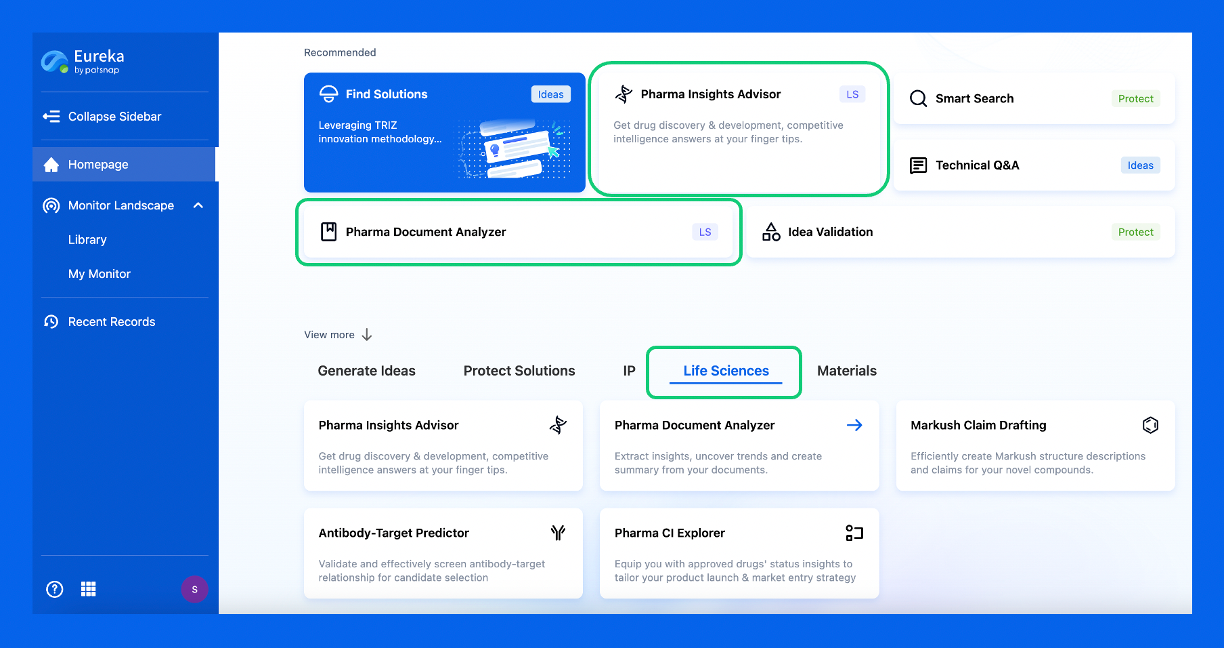
Discover Eureka LS: AI Agents Built for Biopharma Efficiency
Stop wasting time on biopharma busywork. Meet Eureka LS - your AI agent squad for drug discovery.
▶ See how 50+ research teams saved 300+ hours/month
From reducing screening time to simplifying Markush drafting, our AI Agents are ready to deliver immediate value. Explore Eureka LS today and unlock powerful capabilities that help you innovate with confidence.