Request Demo
Why Do Some CAR-T Therapies Cause Cytokine Storms?
7 May 2025
Chimeric Antigen Receptor T-cell (CAR-T) therapy has emerged as a revolutionary approach in the treatment of certain types of cancer, particularly blood cancers like leukemia and lymphoma. This innovative therapy involves genetically engineering a patient's own T-cells to better recognize and attack cancer cells. However, despite its promising benefits, CAR-T therapy can sometimes lead to severe immune responses known as cytokine storms. Understanding why these storms occur is crucial in improving the safety and efficacy of this treatment.
At the heart of CAR-T therapy is the modification of T-cells to express receptors that specifically target cancer cells. Once these engineered cells are reintroduced into the patient's bloodstream, they proliferate and begin their assault on the malignant cells. This potent immune response is the basis of the treatment’s effectiveness. However, it can also trigger an overwhelming systemic reaction.
A cytokine storm is a hyperactive immune response characterized by the excessive release of cytokines, which are signaling proteins that regulate immune and inflammatory responses. In the context of CAR-T therapy, this occurs when the activated T-cells produce large quantities of cytokines such as interleukin-6 (IL-6), interleukin-1 (IL-1), and interferon-gamma (IFN-γ). These cytokines can then perpetuate a feedback loop that exacerbates immune activation rather than regulating it.
Several factors contribute to the development of cytokine storms in CAR-T therapy. Primarily, the strength of the immune response induced by the therapy plays a significant role. The engineered T-cells are designed to be highly effective, which can sometimes translate to an aggressive response that the body struggles to control. The tumor burden, or the number of cancer cells present, can also influence the likelihood of a cytokine storm. A higher tumor burden means more targets for the CAR-T cells, potentially leading to a more intense immune reaction.
Another contributing factor is the patient’s unique immune system characteristics. The genetic makeup and overall immune health of a patient can predispose them to a more severe cytokine release. Furthermore, variations in the design of CAR-T constructs, including the co-stimulatory domains used in these constructs, can result in different levels of T-cell activation and cytokine production.
Managing cytokine storms is a critical component of CAR-T therapy administration. Strategies include monitoring cytokine levels and intervening with treatments such as corticosteroids or specific cytokine inhibitors like tocilizumab, which targets IL-6. By attenuating the cytokine response, these interventions can help mitigate the severity of the storm, reducing the risk of organ damage and other complications.
In conclusion, while CAR-T therapy represents a groundbreaking advancement in cancer treatment, the potential for cytokine storms remains a significant challenge. Continued research is essential to better understand the mechanisms behind these immune responses and to develop strategies to predict, prevent, and manage them. By refining CAR-T therapy and improving patient selection and monitoring protocols, the goal is to maximize its therapeutic potential while minimizing adverse effects, ultimately offering safer and more effective treatment options for cancer patients.
At the heart of CAR-T therapy is the modification of T-cells to express receptors that specifically target cancer cells. Once these engineered cells are reintroduced into the patient's bloodstream, they proliferate and begin their assault on the malignant cells. This potent immune response is the basis of the treatment’s effectiveness. However, it can also trigger an overwhelming systemic reaction.
A cytokine storm is a hyperactive immune response characterized by the excessive release of cytokines, which are signaling proteins that regulate immune and inflammatory responses. In the context of CAR-T therapy, this occurs when the activated T-cells produce large quantities of cytokines such as interleukin-6 (IL-6), interleukin-1 (IL-1), and interferon-gamma (IFN-γ). These cytokines can then perpetuate a feedback loop that exacerbates immune activation rather than regulating it.
Several factors contribute to the development of cytokine storms in CAR-T therapy. Primarily, the strength of the immune response induced by the therapy plays a significant role. The engineered T-cells are designed to be highly effective, which can sometimes translate to an aggressive response that the body struggles to control. The tumor burden, or the number of cancer cells present, can also influence the likelihood of a cytokine storm. A higher tumor burden means more targets for the CAR-T cells, potentially leading to a more intense immune reaction.
Another contributing factor is the patient’s unique immune system characteristics. The genetic makeup and overall immune health of a patient can predispose them to a more severe cytokine release. Furthermore, variations in the design of CAR-T constructs, including the co-stimulatory domains used in these constructs, can result in different levels of T-cell activation and cytokine production.
Managing cytokine storms is a critical component of CAR-T therapy administration. Strategies include monitoring cytokine levels and intervening with treatments such as corticosteroids or specific cytokine inhibitors like tocilizumab, which targets IL-6. By attenuating the cytokine response, these interventions can help mitigate the severity of the storm, reducing the risk of organ damage and other complications.
In conclusion, while CAR-T therapy represents a groundbreaking advancement in cancer treatment, the potential for cytokine storms remains a significant challenge. Continued research is essential to better understand the mechanisms behind these immune responses and to develop strategies to predict, prevent, and manage them. By refining CAR-T therapy and improving patient selection and monitoring protocols, the goal is to maximize its therapeutic potential while minimizing adverse effects, ultimately offering safer and more effective treatment options for cancer patients.
Discover Eureka LS: AI Agents Built for Biopharma Efficiency
Stop wasting time on biopharma busywork. Meet Eureka LS - your AI agent squad for drug discovery.
▶ See how 50+ research teams saved 300+ hours/month
From reducing screening time to simplifying Markush drafting, our AI Agents are ready to deliver immediate value. Explore Eureka LS today and unlock powerful capabilities that help you innovate with confidence.
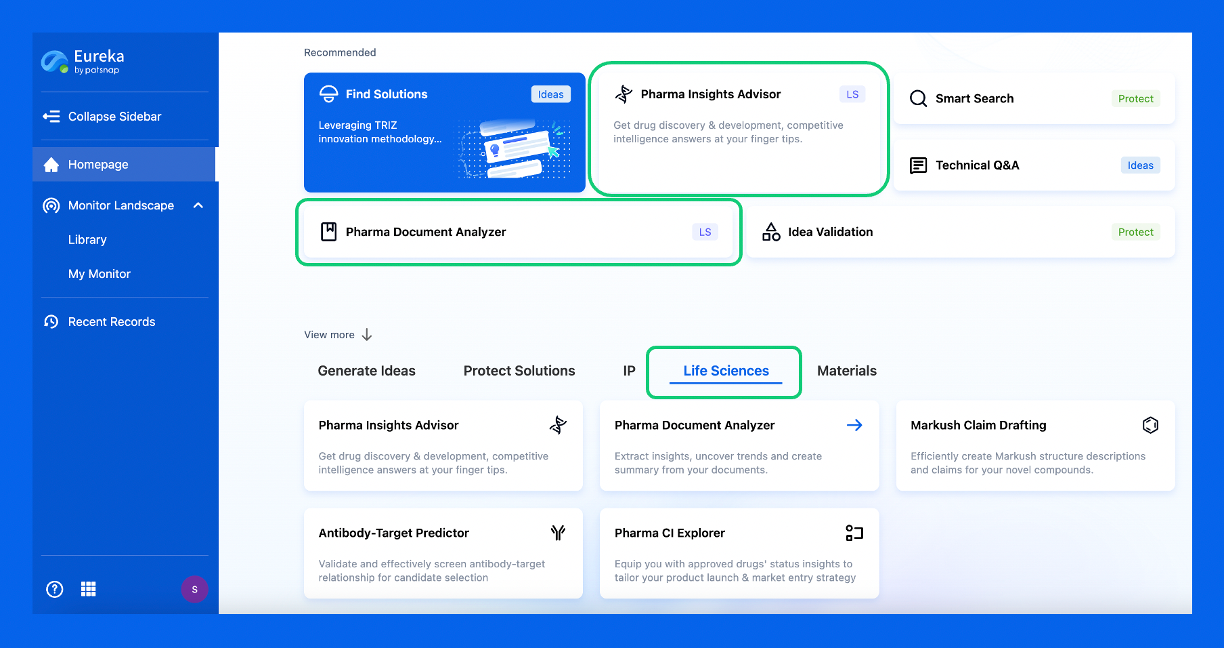
AI Agents Built for Biopharma Breakthroughs
Accelerate discovery. Empower decisions. Transform outcomes.
Get started for free today!
Accelerate Strategic R&D decision making with Synapse, PatSnap’s AI-powered Connected Innovation Intelligence Platform Built for Life Sciences Professionals.
Start your data trial now!
Synapse data is also accessible to external entities via APIs or data packages. Empower better decisions with the latest in pharmaceutical intelligence.