YKP10811: A Novel 5-HT4 Partial Agonist for Visceral Hypersensitivity in Rats
Key findings indicate that YKP10811, at a dosage of 30 mg/kg, did not alter baseline sensitivity or tone but effectively reduced hypersensitivity caused by TNBS. This effect was negated by the 5-HT4 receptor antagonist GR113808. YKP10811 mitigated acute stress-induced colonic hypersensitivity but had no effect on chronic stress-induced hypersensitivity. Notably, YKP10811, unlike tegaserod, decreased TNBS-induced hypersensitivity even after a week of treatment.
The study concludes that YKP10811 demonstrates pain-relieving properties in conditions of inflammation and acute stress-related colonic hypersensitivity via 5-HT4 receptors. Unlike tegaserod, YKP10811 retains its efficacy with repeated use, suggesting its potential as a new therapeutic option for IBS-C patients.
How to Use Synapse Database to Search and Analyze Translational Medicine Data?
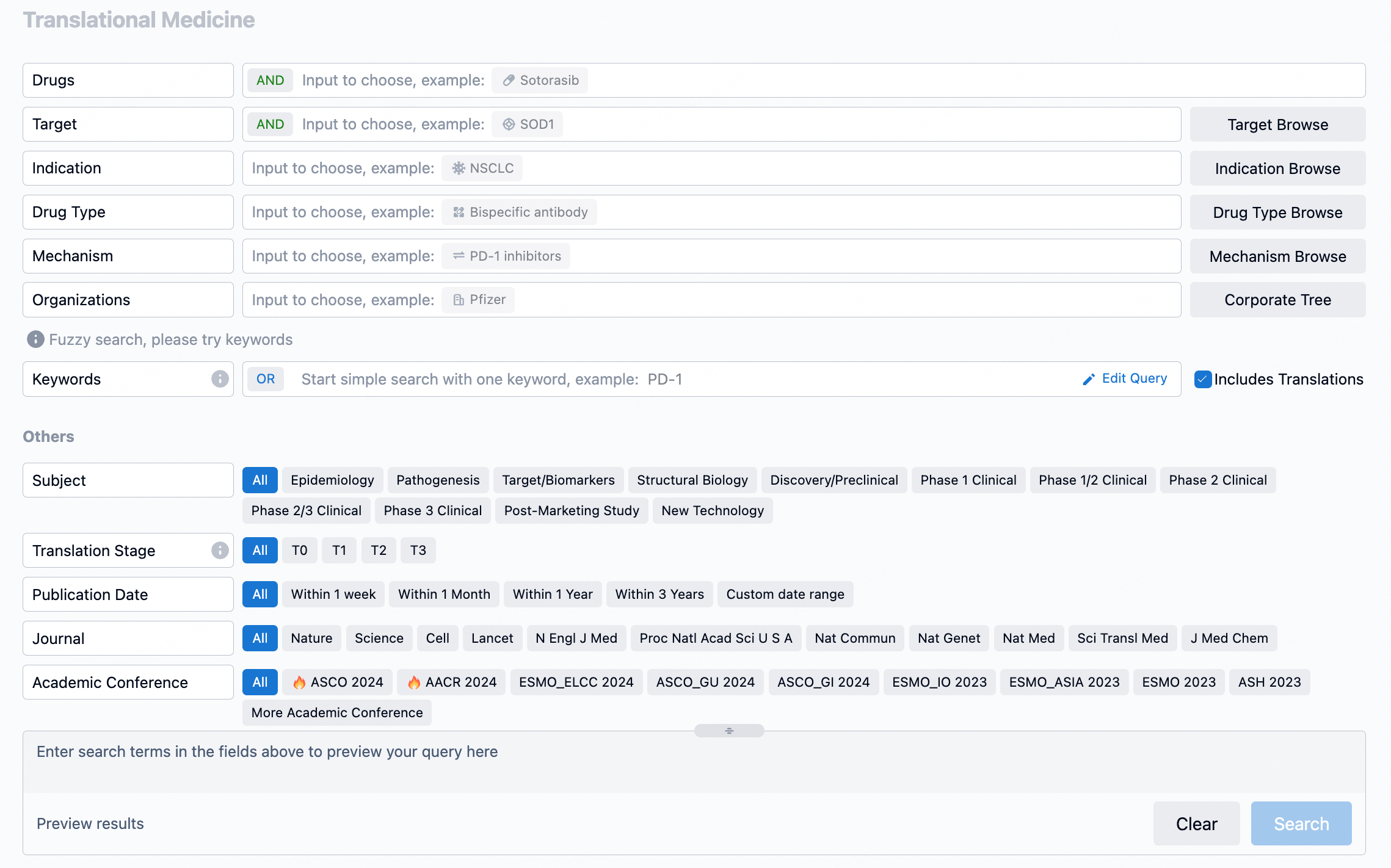
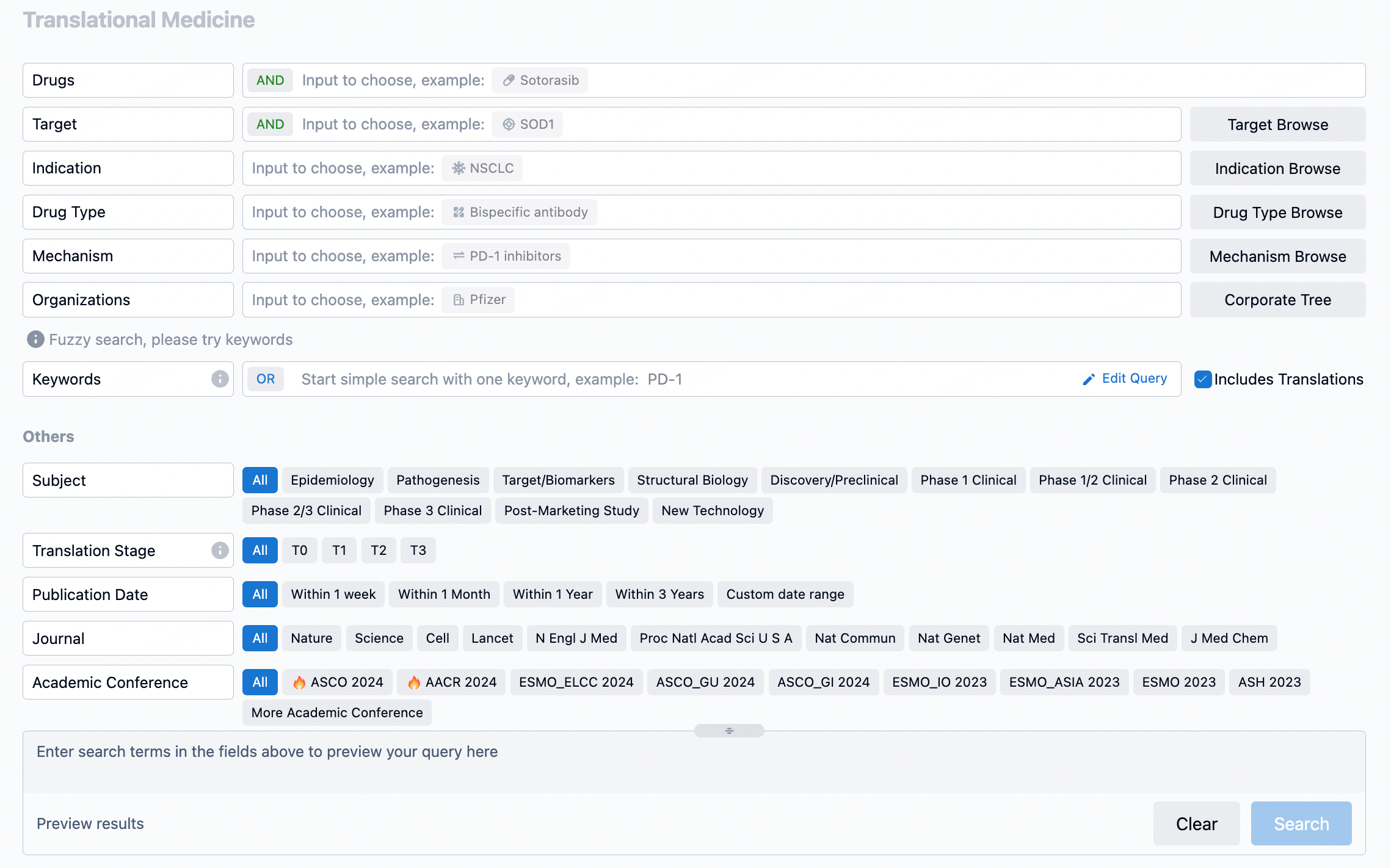
The transational medicine section of the Synapse database supports searches based on fields such as drug, target, and indication, covering the T0-T3 stages of translation. Additionally, it offers a historical conference search function as well as filtering options, view modes, translation services, and highlights summaries, providing you with a unique search experience.
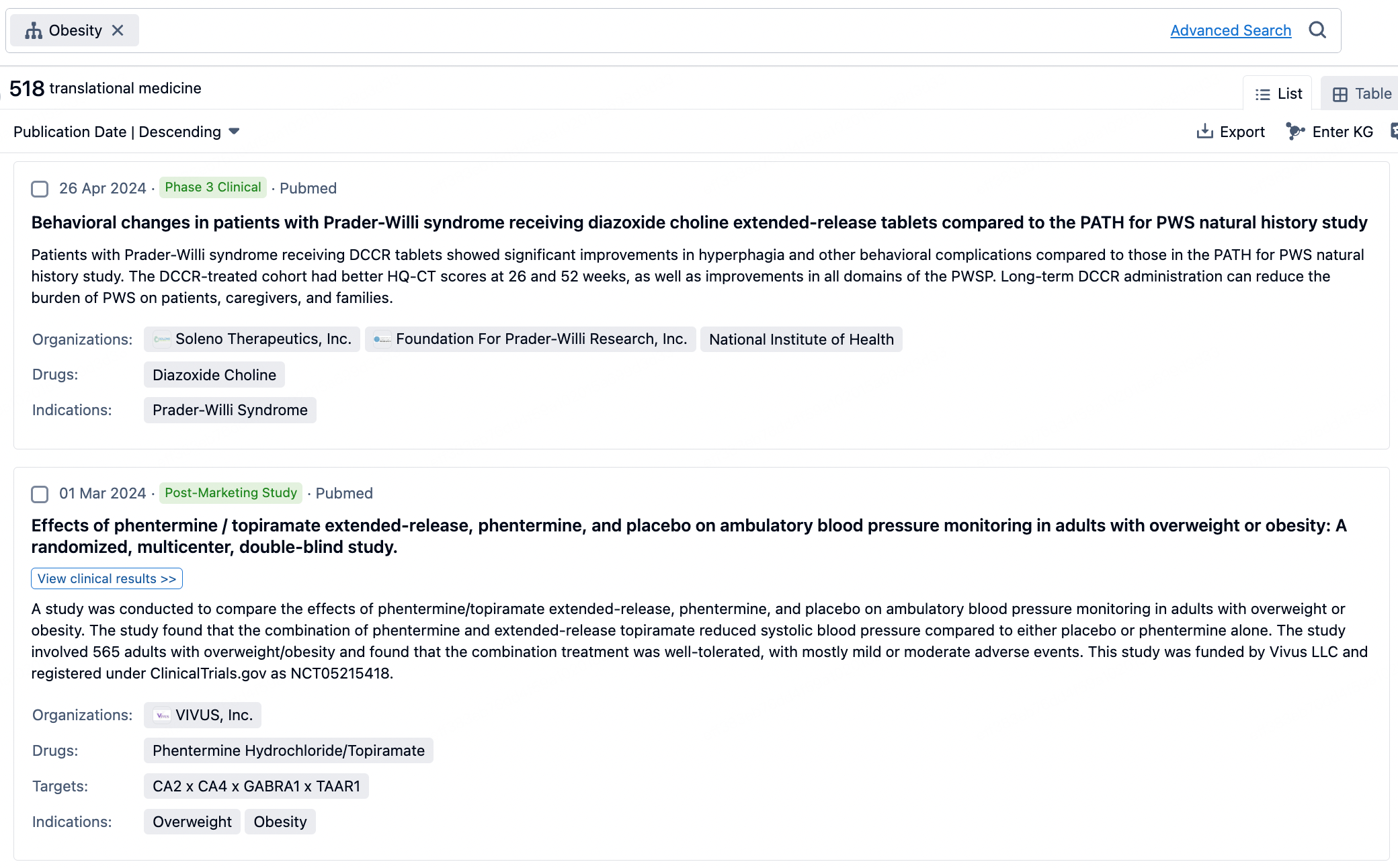
Taking obesity as an example, select "obesity" under the indication category and click search to enter the Translational Medicine results list page. By clicking on the title, you can directly navigate to the original page.
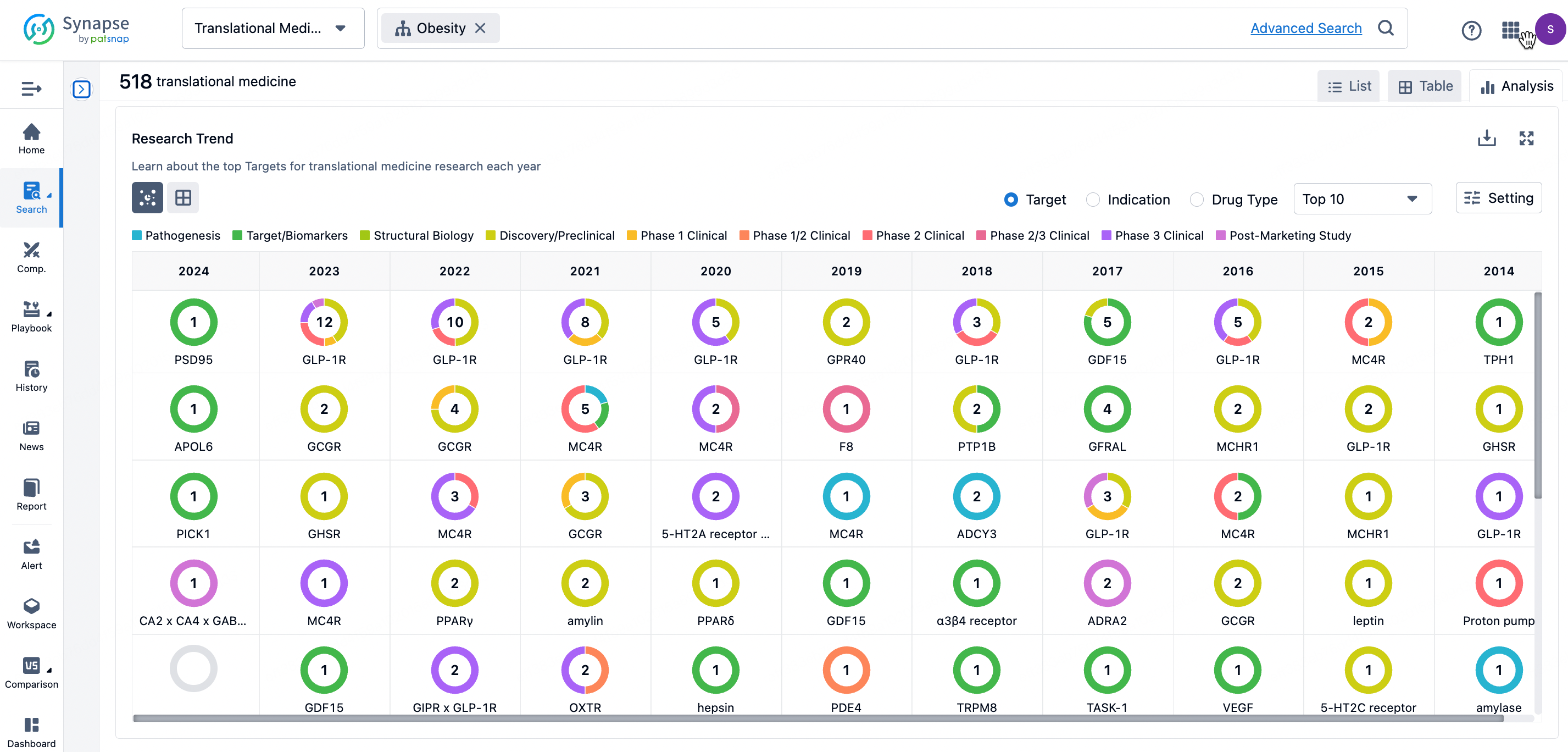
By clicking the analysis button, you can observe that GLP-1R treatment for obesity has gained significant attention over the past three years, with preclinical research still ongoing in 2023. Additionally, there are emerging potential targets, such as GDF15, among others.
Click on the image below to go directly to the Translational Medicine search interface.