B7-H3 Target Evaluation Report: Biology, Validation, Competition, IP, and R&D Strategy
B7-H3 Target Evaluation Report: Biology, Validation, Competition, IP, and R&D Strategy
This B7-H3 target evaluation report is generated based on structured data from PatSnap Target & Disease MCP and PatSnap Clinical Trials MCP. It turns target biology, disease context, clinical validation, competitive intensity, and IP strategy into a repeatable target evaluation workflow for life sciences AI agents.
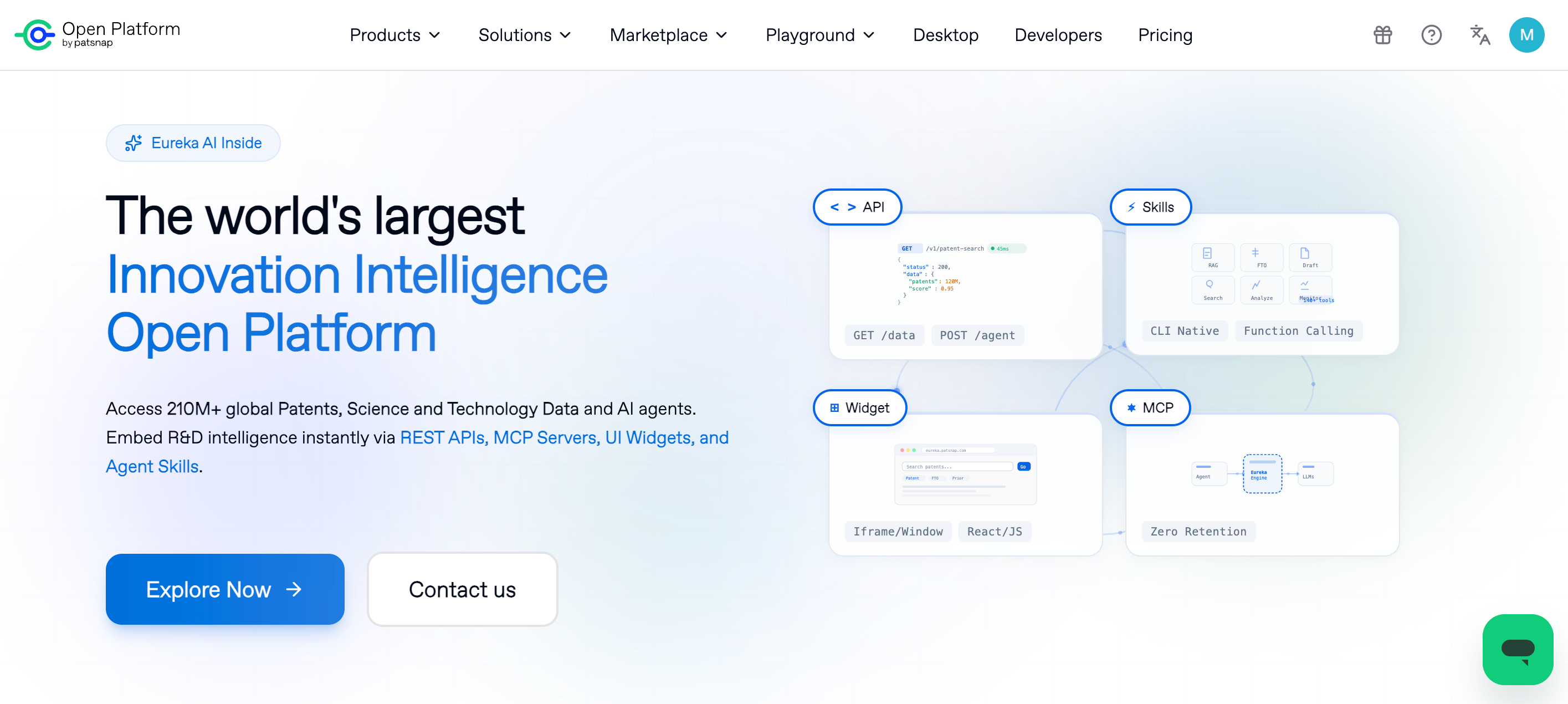
Explore PatSnap Life Sciences MCP Servers
Target B7-H3 UniProt Q5ZPR3 | Target-linked drugs 278 254 active development drugs | NSCLC trials 29 B7-H3 + NSCLC MCP query | Released results 5 Clinical result query |
Executive View
B7-H3 / CD276 is an attractive solid-tumor target with strong translational interest and growing clinical competition in non-small cell lung cancer. The target is compelling because it sits at the intersection of tumor immune evasion and antibody-drug conjugate development, but differentiation depends on payload, therapeutic index, patient selection, and evidence in driver-negative or post-standard-care NSCLC.
- Biology: Target & Disease MCP identifies CD276, also known as B7-H3, as an immune-regulatory molecule that may inhibit NK-mediated tumor-cell lysis and modulate T-cell responses.
- Disease context: NSCLC is a large oncology development arena with high clinical activity and intense standard-of-care competition.
- Validation: Clinical Trials MCP returns 29 B7-H3 + Non-Small Cell Lung Cancer trials and 5 released result records.
- Strategy: Differentiate through ADC design, tumor-expression threshold, safety window, and combination with immunotherapy or chemotherapy.
Scorecard
Biology confidence: High translational rationale
Clinical validation: Emerging-to-medium
Competitive pressure: Rising
White-space potential: ADC and biomarker-led
Biology and Disease Rationale
Target & Disease MCP returns CD276 / B7-H3 with aliases including B7H3 and 4Ig-B7-H3, UniProt Q5ZPR3, and 278 target-linked drugs. The target profile points to immune-response regulation, protection of tumor cells through inhibition of NK-mediated lysis, and modulation of CD4 and cytotoxic T-cell activity. This biology supports both immuno-oncology positioning and B7-H3-directed ADC strategies.
For non-small cell lung cancer, Target & Disease MCP shows a highly active disease record with 1,526 development drugs and 2,155 roll-up development drugs. That context means a B7-H3 program needs a clear clinical niche, such as driver-negative disease, post-checkpoint treatment, biomarker-enriched populations, or ADC sequencing after other targeted payload approaches.
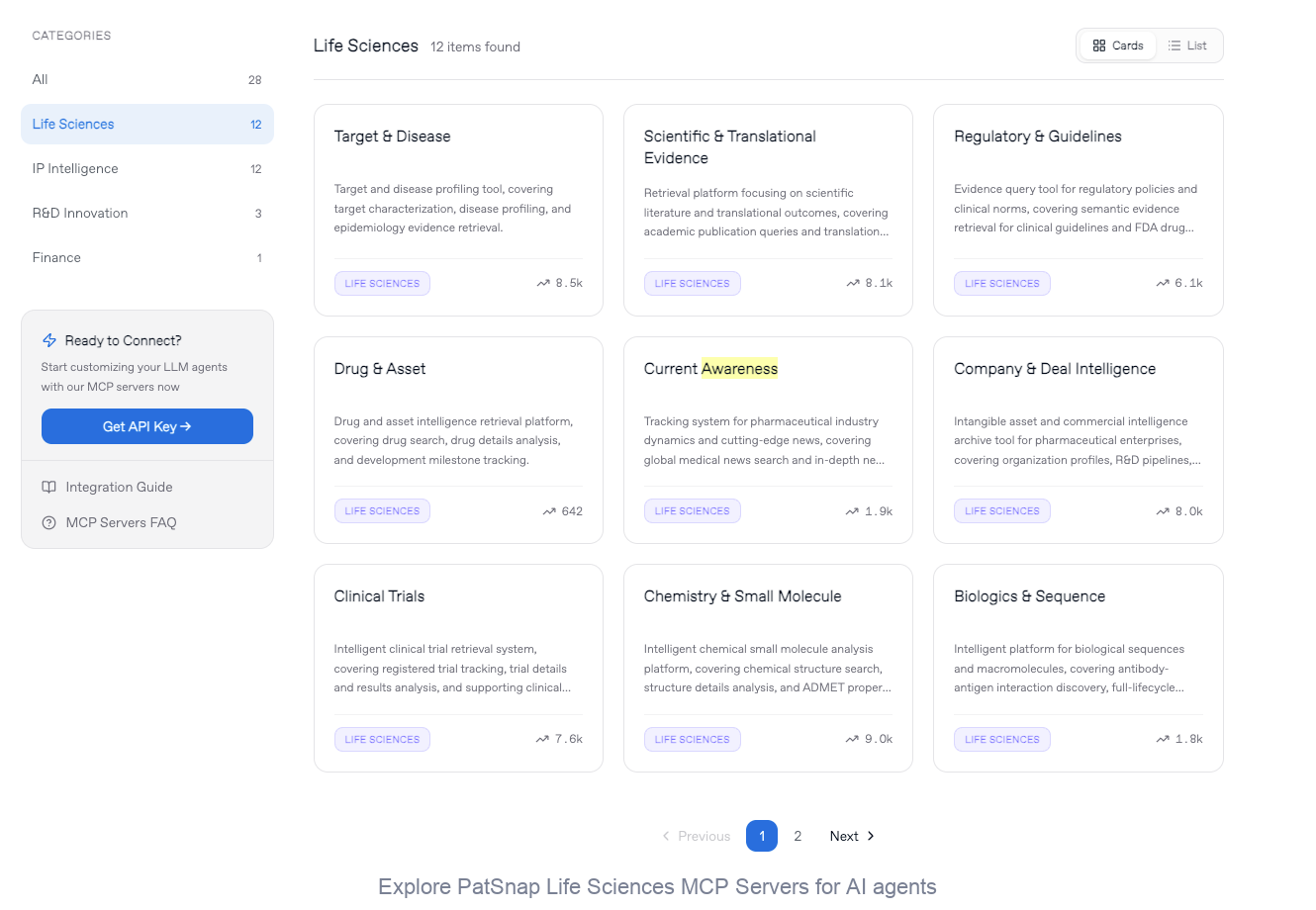
Explore PatSnap Life Sciences MCP Servers for AI agents
Selected Trial and Result Evidence
| HS-20093 + adebrelimab vs docetaxel Clinical Trials MCP returned not-yet-recruiting Phase 3 studies in driver-gene-negative advanced or metastatic non-squamous NSCLC, showing late-stage competitive movement around B7-H3-directed therapy. |
| IDE034 in locally advanced/metastatic solid tumors Recruiting Phase 1 study, reflecting broader early clinical exploration of B7-H3-directed modalities across solid tumors. |
| KEYMAKER-U01 substudies in stage IV NSCLC Clinical trial result query returned a positive Phase 2 record involving ifinatamab deruxtecan, raludotatug deruxtecan, and docetaxel in stage IV NSCLC. |
| YL-201 B7-H3-targeting ADC Released Phase 1/1b positive result record in advanced solid tumors, supporting the ADC development thesis for B7-H3. |
IP and R&D Recommendation
B7-H3 IP review should map antibody sequences, ADC linker-payload claims, epitope coverage, dosing and combination claims, NSCLC biomarker thresholds, and freedom-to-operate against established CD276-directed antibody and ADC portfolios.
Recommendation
B7-H3 is attractive for teams with a differentiated ADC platform or a strong biomarker strategy. In NSCLC, the strongest development story should connect expression-defined enrollment, post-standard-care positioning, payload tolerability, and comparative evidence versus docetaxel or checkpoint-based combinations.

Start building target evaluation agents with PatSnap Life Sciences MCP Servers
Data note: Target biology, disease profile, clinical trial counts, trial examples, and result evidence were generated from PatSnap Target & Disease MCP and PatSnap Clinical Trials MCP queries performed on July 9, 2026.