HSP90AA1 Target Evaluation Report: Biology, Validation, Competition, IP, and R&D Strategy
This HSP90AA1 target evaluation report was generated from PatSnap Life Sciences MCP data workflows, combining Target & Disease MCP Server outputs for biology and disease context with Clinical Trials MCP Server checks for clinical development signals. The goal is to show how an AI agent can turn structured life-science data into a decision-ready target assessment.
For HSP90AA1, the main question is not simply whether the biology is interesting. It is whether the biology, validation evidence, competitive intensity, IP surface, and indication strategy leave enough room for a differentiated R&D program.
1 Tracked drugs 1 drug records were returned by Target & Disease MCP for this target. | 1 Development-stage drugs 1 development records suggest limited target-mapped records in the MCP target profile despite historical HSP90 inhibitor work. | 1 Linked diseases 1 disease associations frame the indication search space. | 58 Target score 58/100 reflects the combined biology, validation, competition and room-to-win readout. |
Executive Readout
HSP90AA1 has broad biological relevance as a molecular chaperone, but the Target MCP profile returned only limited target-mapped drug and disease counts. That makes it a lower-confidence target in this specific MCP-driven assessment unless expanded searches across the HSP90 family are added.
Biology confidence74/100
Validation maturity45/100
Competition pressure35/100
Room for differentiation68/100
Why MCP Data Matters Here
A target report becomes useful when the evidence is traceable. In this workflow, Target & Disease MCP supplies the target profile, aliases, UniProt-linked biology, drug count, development count and disease-linkage context. Clinical Trials MCP is then used as a validation layer to check whether the competitive story is supported by trial activity and named development programs. When a clinical query returns broad or noisy matches, the report keeps the claim conservative instead of overstating the signal.
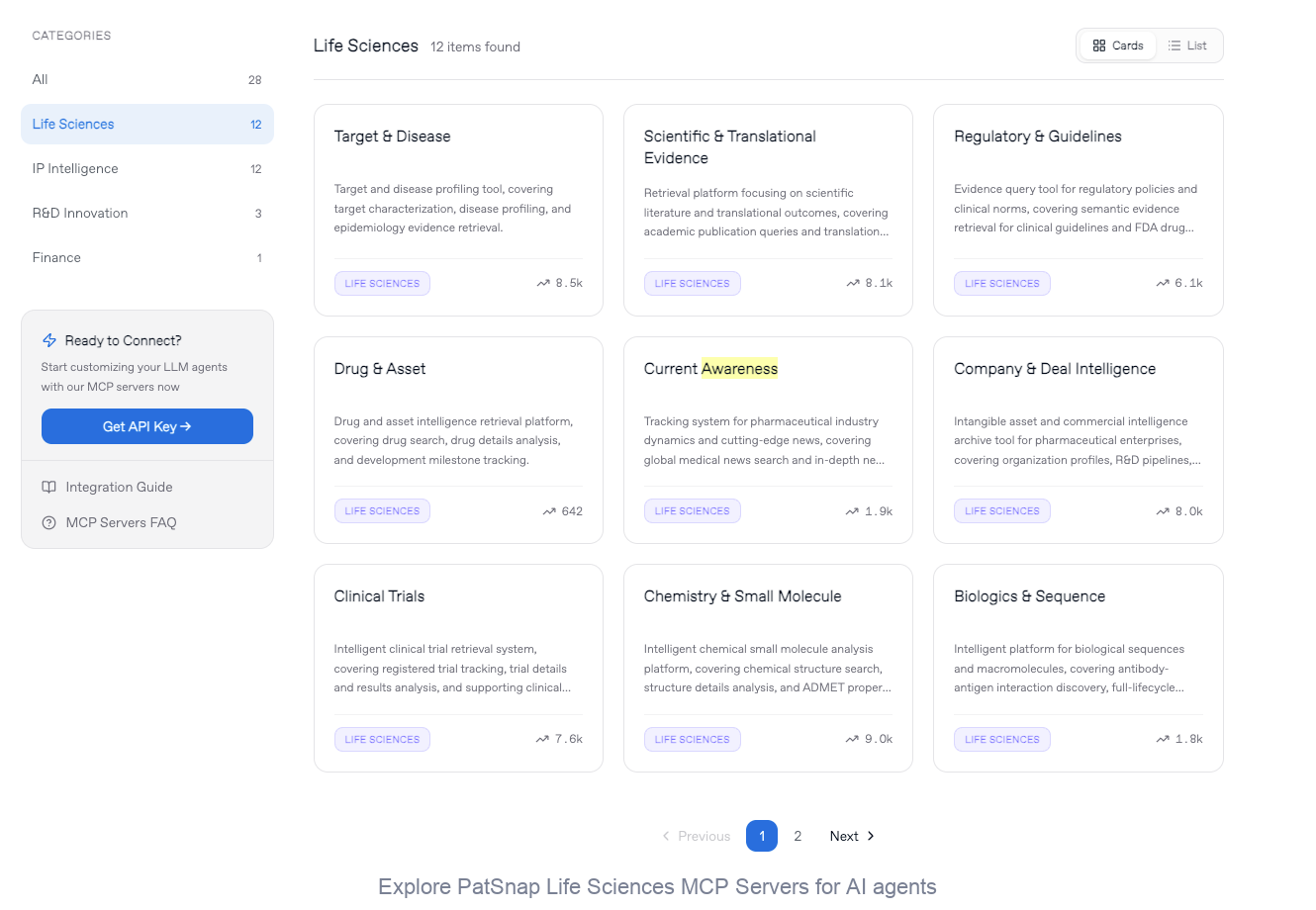
Explore PatSnap Life Sciences MCP Servers for AI agents
Biology: What the Target Controls
Target & Disease MCP describes HSP90AA1 as a molecular chaperone that supports maturation, structural maintenance and regulation of client proteins involved in cell-cycle control and signal transduction. Its ATPase-driven cycle and co-chaperone interactions make it a network-level dependency rather than a single-oncogene target.
Mechanistic anchorHSP90AA1 stabilizes multiple client proteins, so inhibition can disrupt several oncogenic signaling nodes at once. | Disease logicThe direct MCP mapping is sparse, but the biology suggests relevance where tumors depend on unstable oncogenic client proteins. | Translational caveatNetwork-level targeting can create toxicity and specificity challenges; historical HSP90 programs have often struggled to translate broad biology into durable clinical benefit. |
Validation Evidence
Validation is mixed. The target profile returned 1 tracked drug and 1 development-stage record directly mapped to HSP90AA1, so this report treats HSP90AA1 as a biology-rich but data-sparse target under the exact target-mapping query.
From an AI-agent perspective, this is a useful pattern: one MCP call provides the biological rationale, while the next call checks whether that rationale has already translated into assets, trials, or clinical-stage development. The output is not a final investment decision, but it narrows the review queue quickly.
Clinical and Competitive Landscape
Named HSP90 inhibitor examples such as ganetespib and tanespimycin are relevant to the family-level landscape, but the direct HSP90AA1 MCP counts are low. That difference should be resolved before committing to a target-specific campaign.
Known development examplesGanetespib and tanespimycin are useful family-level reference points, but not sufficient to claim a clean HSP90AA1-specific competitive map. | Competitive implicationThe low direct count suggests either limited target-specific mapping or fragmented annotation; both create diligence work before portfolio entry. | Where to look nextExpand to HSP90 family targets, client-protein dependencies, tumor proteostasis stress and combination windows. |
IP and Freedom-to-Operate Lens
IP review should not rely only on HSP90AA1 as a keyword. It should include HSP90 family terms, ATP-binding inhibitors, client-protein degradation claims, formulations and combination-use patents.
For IP review, the practical next step is to connect target evidence with modality, chemotype, sequence space, formulation, combinations and indication-specific claims. A target with many assets is not automatically blocked, but it needs a sharper claim strategy.
R&D Recommendation
Use HSP90AA1 as a follow-up diligence topic rather than an immediate program. Re-run the agent with family-level HSP90 queries and indication-specific dependency evidence before ranking it against cleaner oncology targets.

Start building target evaluation agents with PatSnap Life Sciences MCP Servers
Data workflow note: target biology, drug counts, development counts and disease associations are based on PatSnap Target & Disease MCP Server outputs retrieved on 9 July 2026. Clinical development commentary is written conservatively when trial-query outputs are broad, and should be refreshed before investment or BD decisions.

