Ischemic Stroke Strategy Report 2026: Thrombolysis, NLRP3 and Trials
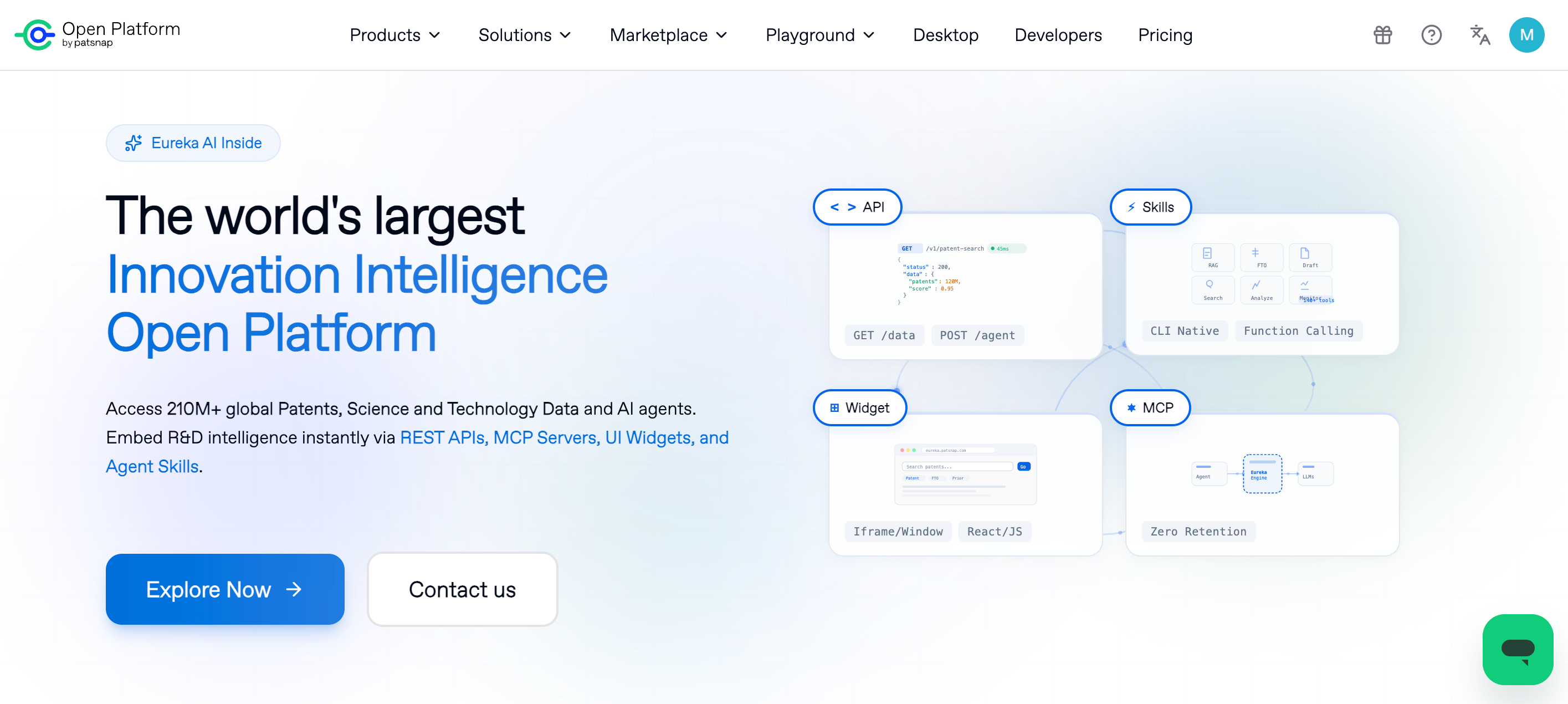
This report was assembled with PatSnap MCP evidence workflows that connect disease, epidemiology, target, trial and deal intelligence. Explore PatSnap Life Sciences MCP Servers.
Updated July 2026. This standalone indication strategy report is designed for portfolio, search-and-evaluation and business-development teams. Counts reflect returned MCP searches and should be interpreted as landscape signals, not counts of unique active drugs.
Executive strategy view
This 2026 indication strategy report evaluates Ischemic stroke as a standalone development and partnering opportunity. PatSnap Target & Disease MCP returned 350 development-stage drug records on a disease roll-up basis. Clinical Trials MCP returned 3311 active or upcoming records, while Company & Deal Intelligence MCP returned 1 disease-screened transaction dated from January 1, 2023 through July 21, 2026. These metrics are not directly comparable assets. The strategy conclusion is: Avoid a broad all-comer neuroprotection thesis; pair a rapidly deployable adjunct with reperfusion workflows in a time-defined, imaging-selected population and measure both early tissue protection and 90-day functional outcome.
Disease background and epidemiology
Ischemic stroke is acute brain injury caused by arterial occlusion and reduced cerebral blood flow, producing a time-dependent core infarct, potentially salvageable penumbra and subsequent inflammatory and repair responses. An investable indication definition must specify diagnosis, disease stage, prior therapy, risk level, biomarker or genetic status, age, geography and treatment setting. That translation prevents top-down prevalence from obscuring the recruitable, reimbursable population.
Retrieved epidemiology sources described a rising global stroke burden, increasing events among younger adults and the continuing importance of hypertension, atrial fibrillation, diabetes, smoking and obesity. Counts should be separated into ischemic versus hemorrhagic stroke and then modeled by time-to-presentation and treatment eligibility. Epidemiology should be managed as an evidence hierarchy: confirm the case definition and denominator, distinguish incidence from diagnosed prevalence, align geography and source year, and apply treatment and biomarker filters. Scenario ranges with transparent assumptions are more useful than a single headline estimate.
Unmet need
Mechanical thrombectomy and thrombolysis are transformative but highly time-dependent, many patients arrive too late or remain ineligible, reperfusion can cause bleeding, and few therapies meaningfully protect brain tissue or improve recovery beyond reperfusion and rehabilitation. A development program should convert those needs into target-product-profile claims covering magnitude of benefit, onset, durability, safety, treatment burden, quality of life, healthcare utilization and access. Novelty matters only when it produces a clinically and commercially meaningful difference.
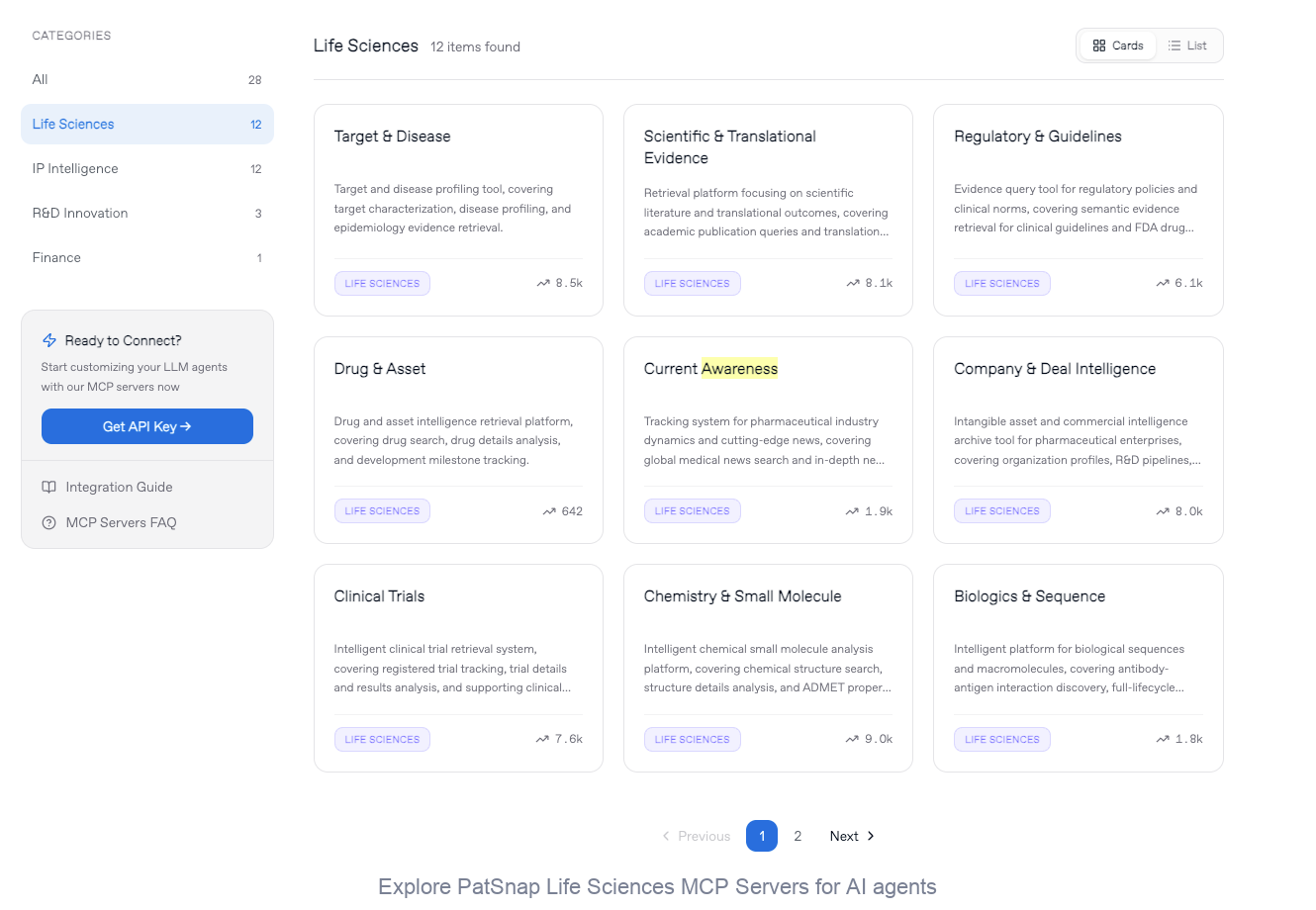
At the midpoint of this assessment, connected MCP tools preserve the evidence chain from disease burden to mechanism, competition and transactions. Explore PatSnap Life Sciences MCP Servers.
Target and mechanism rationale
The mechanism lens for Ischemic stroke centers on PLG, F11, GluN2B, TLR4, NLRP3. PatSnap Target & Disease MCP target_fetch provides structured identity, biology and development context for each target, making it possible to test whether a mechanistic hypothesis can support a differentiated clinical claim.
PLG mechanism rationale
Plasminogen activation underpins thrombolysis and clot dissolution, with speed of reperfusion balanced against intracranial hemorrhage risk. PatSnap target_fetch resolved this target as a structured mechanism record. The count of programs associated with the target across diseases is a context signal, not an indication-specific competitor count; translational diligence should connect target engagement, tissue exposure, pharmacodynamic markers and the proposed patient segment.
F11 mechanism rationale
Factor XI inhibition may reduce thromboembolism with a potentially wider hemostatic margin, but acute-stroke and secondary-prevention roles require separate evidence. PatSnap target_fetch resolved this target as a structured mechanism record. The count of programs associated with the target across diseases is a context signal, not an indication-specific competitor count; translational diligence should connect target engagement, tissue exposure, pharmacodynamic markers and the proposed patient segment.
GluN2B mechanism rationale
NMDA receptor GluN2B signaling contributes to excitotoxic neuronal injury; successful translation requires timing, brain exposure and avoidance of broad neurological toxicity. PatSnap target_fetch resolved this target as a structured mechanism record. The count of programs associated with the target across diseases is a context signal, not an indication-specific competitor count; translational diligence should connect target engagement, tissue exposure, pharmacodynamic markers and the proposed patient segment.
TLR4 mechanism rationale
Toll-like receptor 4 coordinates innate inflammatory responses after ischemia and may offer a window to reduce secondary tissue injury. PatSnap target_fetch resolved this target as a structured mechanism record. The count of programs associated with the target across diseases is a context signal, not an indication-specific competitor count; translational diligence should connect target engagement, tissue exposure, pharmacodynamic markers and the proposed patient segment.
NLRP3 mechanism rationale
NLRP3 inflammasome activation drives post-ischemic inflammation, supporting adjunctive neuroprotection if treatment timing and patient selection are prospectively defined. PatSnap target_fetch resolved this target as a structured mechanism record. The count of programs associated with the target across diseases is a context signal, not an indication-specific competitor count; translational diligence should connect target engagement, tissue exposure, pharmacodynamic markers and the proposed patient segment.
Development thesis
Avoid a broad all-comer neuroprotection thesis; pair a rapidly deployable adjunct with reperfusion workflows in a time-defined, imaging-selected population and measure both early tissue protection and 90-day functional outcome. The evidence-to-asset chain should remain explicit: priority segment, biological driver, intervention, pharmacodynamic readout, early clinical signal, registrational endpoint, access evidence and commercial claim. Teams should define kill criteria before proof of concept and refresh probability-adjusted value as evidence accumulates.
Clinical competition
Clinical Trials MCP found 3311 active or upcoming records under the selected disease concept and recruitment statuses. The 3,311 records included stem-cell programs, atrial-fibrillation risk studies, rehabilitation and acute interventions. The huge aggregate registry count must be decomposed into reperfusion, neuroprotection, prevention and recovery lanes. Aggregate counts can include interventional, observational, diagnostic, behavioral, device, supportive-care and bioequivalence studies. Competitive intelligence therefore requires record-level classification.
- Separate drug-interventional trials from observational, diagnostic, supportive-care and non-drug records.
- Cluster genuine competitors by mechanism, modality, sponsor, phase and target product profile.
- Track enrollment, completion timing, geography, endpoints and readout catalysts.
- Map inclusion criteria, biomarkers and prior treatment to identify underserved recruitable subsegments.
- Benchmark efficacy depth, onset, durability, safety, administration, monitoring and total cost against the future standard of care.
The strategic question is not whether activity exists, but whether a new program can own a clinically important position. Whitespace often emerges in difficult phenotypes, treatment-resistant populations, organ protection, biomarker selection, safety, manufacturing, delivery or simpler care pathways. Every competitor table should include a confidence flag for entity resolution and indication relevance.
Deal activity and market attractiveness
Company & Deal Intelligence MCP returned 1 disease-screened transaction in the specified recent period. One recent disease-screened transaction, a Huadong Medicine and Auson Pharmaceuticals license, was returned. A broader view should include thrombosis, neuroinflammation and regenerative-platform deals. Deal counts signal partnering attention but do not prove asset quality or provide a direct valuation benchmark.
- Validate asset, indication, territory, stage, rights and deal status for every comparable.
- Separate platform collaborations from indication-specific licenses, acquisitions and commercial agreements.
- Normalize disclosed upfront, milestones, royalties, equity and financing components.
- Use target- and asset-level searches to complement exact disease labels.
- Interpret low or zero exact-match counts as a screening result, not proof that no relevant transactions exist.
Market attractiveness for Ischemic stroke reflects identifiable burden, persistent unmet need and the probability of a differentiated claim, balanced against evidence cost, standard-of-care strength, access, price pressure, treatment persistence and competitive crowding. A bottom-up model should multiply eligible diagnosed patients by treatment share, persistence, net price and access, with downside cases for narrower labels, slower uptake, safety restrictions and future competition.
Indication strategy scorecard
| Dimension | Assessment | Evidence rationale |
|---|---|---|
| Evidence maturity | 5/5 | Structured MCP disease, epidemiology, target, trial and deal evidence with stated retrieval limits. |
| Unmet need | 5/5 | Residual clinical burden supports a differentiated intervention and measurable target-product-profile claim. |
| Competitive whitespace | 2/5 | Whitespace depends on segment and mechanism, not the aggregate registry count alone. |
| Transaction signal | 2/5 | 1 recent disease-screened transaction was returned; record-level comparability is required. |
| Market attractiveness | 5/5 | Opportunity balances burden and value against complexity, access, development risk and crowding. |
Recommended positioning
- Define one priority patient segment and one differentiated target product profile.
- Build a living competitor table and validate every drug-interventional record.
- Use PLG, F11, GluN2B, TLR4, NLRP3 biomarkers or pharmacodynamic evidence to connect mechanism with decisions.
- Triangulate epidemiology with registries, claims and access data for scenario-based population estimates.
- Review recent transactions at record level and construct stage-, territory- and rights-adjusted comparables.
- Set proof-of-concept, safety, manufacturing and partnering gates tied to value-inflecting readouts.
Conclusion
Ischemic stroke is attractive only if developed around a defined segment and a claim that matters in treatment sequencing. MCP evidence shows 350 development drug records, 3311 active or upcoming study records and 1 disease-screened recent transaction, alongside actionable PLG, F11, GluN2B, TLR4, NLRP3 biology. Recommended course: Avoid a broad all-comer neuroprotection thesis; pair a rapidly deployable adjunct with reperfusion workflows in a time-defined, imaging-selected population and measure both early tissue protection and 90-day functional outcome. PatSnap MCP should remain embedded so disease, target, trial and deal assumptions can be refreshed.

Build your own reproducible indication strategy workflow with connected life-science intelligence. Explore PatSnap Life Sciences MCP Servers.
Method: PatSnap Target & Disease MCP disease_fetch, epidemiology_search and target_fetch; Clinical Trials MCP clinical_trial_search; Company & Deal Intelligence MCP drug_deal_search. Evidence snapshot: July 21, 2026.
