Request Demo
Last update 18 Jul 2026
PX-478
Last update 18 Jul 2026
Overview
Basic Info
Drug Type Small molecule drug |
Synonyms PX-478, PX 478 |
Target |
Action inhibitors |
Mechanism HIF-1α inhibitors(Hypoxia-inducible factor 1 alpha inhibitors) |
Therapeutic Areas |
Active Indication |
Inactive Indication |
Originator Organization |
Active Organization |
Inactive Organization |
License Organization- |
Drug Highest PhasePreclinical |
First Approval Date- |
Regulation- |


Login to view timeline
Structure/Sequence
Molecular FormulaC13H20Cl4N2O3 |
InChIKeyGIGCDIVNDFQKRA-LTCKWSDVSA-N |
CAS Registry685898-44-6 |
Related
1
Clinical Trials associated with PX-478NCT00522652
A Phase 1 Trial of Oral PX-478 (a HIF-1α Inhibitor) in Patients With Advanced Solid Tumors or Lymphoma
100 Clinical Results associated with PX-478
Login to view more data
100 Translational Medicine associated with PX-478
Login to view more data
100 Patents (Medical) associated with PX-478
Login to view more data
150
Literatures (Medical) associated with PX-47801 Aug 2026JOURNAL OF ETHNOPHARMACOLOGY
Qinggan Lidan Capsule attenuates Acetaminophen-induced liver injury by inhibiting the HIF-1α signaling to alleviate mitochondrial damage-triggered hepatocyte apoptosis
Article
Author: He, Houhong ; Nie, Ying ; Que, Yuemei ; Hu, Jiangning ; Xu, Minxia ; Zhao, Huajun ; Yang, Yanzi ; Ruan, Dandan
ETHNOPHARMACOLOGICAL RELEVANCE:
Acetaminophen-induced liver injury (AILI) is the leading cause of drug-induced liver injury (DILI) worldwide, posing significant clinical challenges. Qinggan Lidan Capsule (QGLDC), a traditional Chinese medicine formula used for jaundice and hepatobiliary disorders based on its heat-clearing and bile-promoting effects, has unexplored therapeutic potential against AILI, warranting investigation.
AIM OF THE STUDY:
This study was designed to evaluate the therapeutic potential of QGLDC in AILI and to decipher its underlying hepatoprotective mechanisms.
METHODS:
The hepatoprotective effects of QGLDC against AILI were evaluated in vivo and in vitro. To explore the underlying mechanism, key pathophysiological indicators were first assessed. Subsequently, active serum components were identified by HPLC-MS/MS, and the underlying mechanism was predicted by network pharmacology and validated using HIF-1α inhibitors PX-478 and activators DMOG.
RESULTS:
Treatment with QGLDC led to a marked amelioration of AILI, evidenced by a substantial reduction in histological injury and oxidative stress, concomitant suppression of inflammatory responses, safeguarding of mitochondrial integrity, and inhibition of hepatocyte apoptosis. Thirty key bioactive components of QGLDC were detected in serum, suggesting their potential roles in mediating the observed hepatoprotection. Mechanistic studies revealed that QGLDC alleviated hepatocyte apoptosis triggered by APAP-induced mitochondrial damage through inhibiting the aberrant overactivation of the HIF-1α signaling.
CONCLUSION:
These findings demonstrate that QGLDC alleviates hepatocyte apoptosis triggered by APAP-induced mitochondrial damage through inhibiting the aberrant activation of the HIF-1α signaling. This study underscores the promising therapeutic potential of QGLDC for mitigating DILI and provides a compelling rationale for its clinical development.
01 Jul 2026CANCER LETTERS
Lactylation of HIF-1α at K172 drives HIF-1 complex assembly to promote hypoxia-induced immune evasion in esophageal squamous cell carcinoma
Article
Author: Li, Yi ; Liu, Zhihua ; Zheng, Sujuan ; Zhang, Haonan ; Cong, Ji
Hypoxia is a hallmark of the tumor microenvironment, but its role in immune evasion in esophageal squamous cell carcinoma (ESCC) remains to be fully elucidated. Here, we demonstrate hypoxia inversely correlated with anti-tumor immune signatures and CD8+ T cell infiltration in clinical samples and murine models. Functionally, reducing hypoxia with the agents TH-302 or PX-478 in the AKR model enhanced intratumoral CD8+ T cell infiltration and increased their expression of Granzyme B, IFNγ, and TNFα. Mechanistically, hypoxia-induced immune suppression was dependent on protein lactylation. Inhibiting lactylation reversed the hypoxic suppression of CD8+ T cell function and abrogated the hypoxia-driven transcriptional program, which involved pathways like glycolysis, TGFβ, and Notch signaling. This lactylation-dependent regulation operated by facilitating the formation of the HIF-1 transcription complex. Specifically, mass spectrometry identified lactylation at the K172 site of HIF-1α, which was crucial for its binding to HIF-1β and subsequent target gene activation. Furthermore, in a preclinical ESCC model, pharmacological inhibition of HIF-1α with PX-478 synergized with anti-PD-1 therapy, leading to superior tumor control and enhanced CD8+ T cell cytotoxicity. Our study identifies HIF-1α K172 lactylation as a pivotal mechanism of hypoxia-mediated immune escape in ESCC, suggesting a therapeutic strategy to improve immunotherapy.
01 Jun 2026Neural Regeneration Research
Hypoxia-inducible factor 1α inhibitor reduces hippocampal neuronal ferroptosis
Article
Author: Zheng, Zhaoshi ; Lou, Yingyue ; Liu, Songyan ; Zhu, Xiaojuan ; Guo, Qi ; Liang, Zhen
JOURNAL/nrgr/04.03/01300535-202606000-00052/figure1/v/2026-04-16T195327Z/r/image-tiff
Epilepsy is a prevalent neurological disorder in which hippocampal neuronal damage, particularly ferroptosis, plays a critical role. Previous studies have shown that hypoxia-inducible factor 1α is considered an important regulator of cellular stress responses and has been confirmed to play a critical role in the occurrence of various diseases. However, the mechanisms by which hypoxia-inducible factor 1α is related to epilepsy and neuronal ferroptosis remain unclear. In this study, we used a pentylentetrazole-induced chronic epilepsy mouse model and treated the mice with intraperitoneal administration of PX-478, a hypoxia-inducible factor-1α inhibitor. Our results showed that PX-478 significantly prolonged the latency of epilepsy, reduced seizure severity, and shortened seizure duration. PX-478 also alleviated neuronal damage in the hippocampal CA1 and CA2 regions, reduced levels of reactive oxygen species and malondialdehyde, and increased levels of superoxide dismutase, catalase, and glutathione peroxidase. Transmission electron microscopy showed that PX-478 treatment reduced mitochondrial damage in the hippocampal neurons of epileptic mice, and significantly improved mitochondrial length and area. Additionally, PX-478 preferentially reduced Fe
2+
levels and the expression of cyclooxygenase-2, ferritin heavy chain 1 and transferrin in the hippocampus of epileptic mice. It also inhibited the activity of the hypoxia-inducible factor 1α/heme oxygenase-1 pathway. In summary, these findings suggest that PX-478 has the potential to treat epilepsy by inhibiting the hypoxia-inducible factor 1α/heme oxygenase-1 pathway, alleviating oxidative stress, and reducing ferroptosis in hippocampal neurons.
100 Deals associated with PX-478
Login to view more data
External Link
| KEGG | Wiki | ATC | Drug Bank |
|---|---|---|---|
| - | - | - |
R&D Status
10 top R&D records. to view more data
Login
| Indication | Highest Phase | Country/Location | Organization | Date |
|---|---|---|---|---|
| Advanced Malignant Solid Neoplasm | Phase 1 | United States | 01 Aug 2007 | |
| Lymphoma | Phase 1 | United States | 01 Aug 2007 | |
| Diffuse Large B-Cell Lymphoma | Preclinical | United States | 20 Nov 2009 |
Login to view more data
Clinical Result
Clinical Result
Indication
Phase
Evaluation
View All Results
Login to view more data
Translational Medicine
Boost your research with our translational medicine data.
login
or

Deal
Boost your decision using our deal data.
login
or

Core Patent
Boost your research with our Core Patent data.
login
or

Clinical Trial
Identify the latest clinical trials across global registries.
login
or

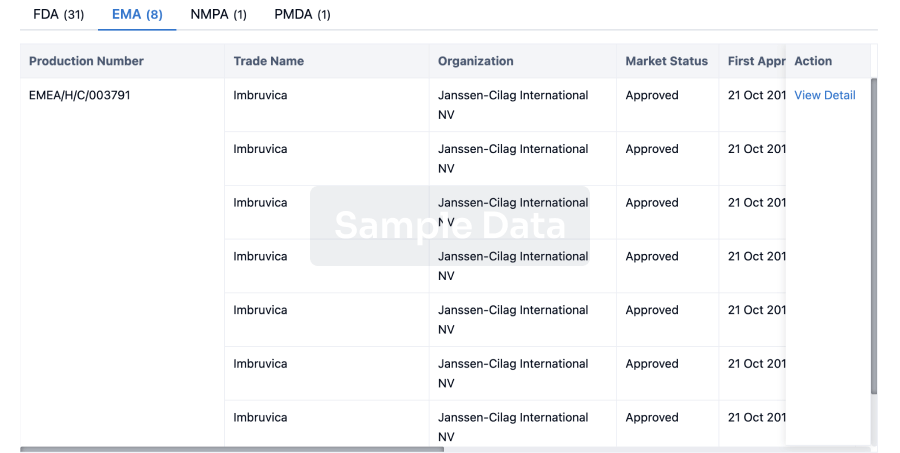
Approval
Accelerate your research with the latest regulatory approval information.
login
or
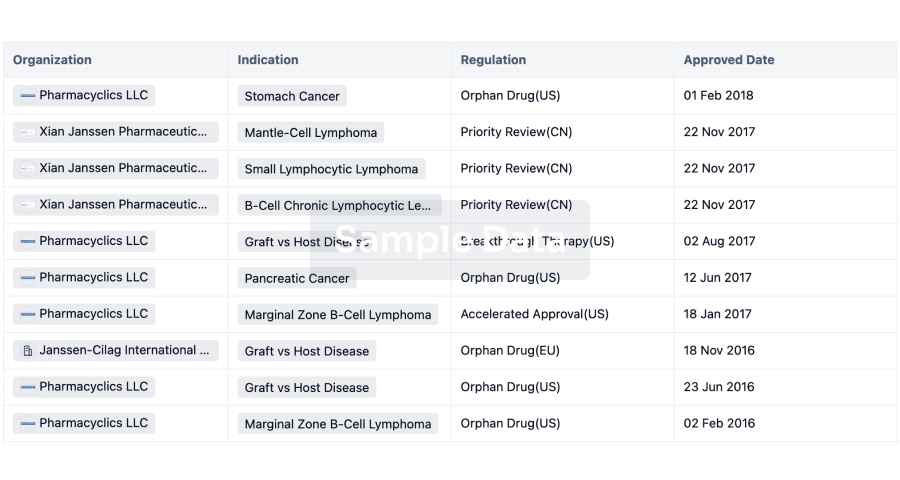
Regulation
Understand key drug designations in just a few clicks with Synapse.
login
or
Hiro LS Researcher
The AI Search Engine Built to Accelerate Biopharma Decisions
Search across billion-scale life sciences data to uncover signals, validate evidence, and act with confidence.
Ask any biopharma research question→
Get started for free today!
Accelerate Strategic R&D decision making with Synapse, Patsnap’s AI-powered Connected Innovation Intelligence Platform Built for Life Sciences Professionals.
Discover Synapse Data Servers
Synapse data is now integrated into the PatSnap LS Model Context Protocol (MCP) service. Customize your LLM agent now using our MCP server!
Bio
Bio Sequences Search & Analysis
Sign up for free
Chemical
Chemical Structures Search & Analysis
Sign up for free