Request Demo
Last update 15 Aug 2026
Ionomycin
Last update 15 Aug 2026
Overview
Basic Info
Drug Type Small molecule drug |
Synonyms- |
Target |
Action modulators |
Mechanism calcium channel modulators(Calcium Channel modulators) |
Therapeutic Areas |
Active Indication |
Inactive Indication- |
Originator Organization- |
Active Organization |
Inactive Organization- |
License Organization- |
Drug Highest PhasePreclinical |
First Approval Date- |
Regulation- |

Related
6
Clinical Trials associated with IonomycinNCT07570342
Comparison of Two Types of Calcium (Ca²⁺) Ionophore Treatments for Oocyte Activation in Cases of Suboptimal Fertilization Potential

ChiCTR2400090452
Using time-lapse imaging technology to investigate the impact of artificial oocyte activation on the outcomes of intracytoplasmic sperm injection treatment in specific populations: a prospective randomized controlled clinical study
ChiCTR2200055839
To compare the effects of ionomycin and strontium chloride on embryo outcome in patients with failed fertilization following intracytoplasmic sperm injection

100 Clinical Results associated with Ionomycin
Login to view more data
100 Translational Medicine associated with Ionomycin
Login to view more data
100 Patents (Medical) associated with Ionomycin
Login to view more data
5,585
Literatures (Medical) associated with Ionomycin01 Oct 2026THERIOGENOLOGY
Zinc chelation and supplementation to enhance artificial oocyte activation efficiency in the bovine
Article
Author: Gurkin, Rhiannon J ; Segura Forero, Pablo Andrés ; Alrauji, Yasser ; Palacios, Patricio D ; Gambini, Andres ; Veron, Margot ; Johnston, Stephen
Zinc homeostasis is essential for oocyte maturation, activation, and genomic stability. Oocyte activation is physiologically triggered by calcium oscillations and a rapid exocytotic zinc release that coordinates meiotic exit and early embryogenesis. Although zinc chelation has been shown to induce oocyte activation in other mammalian species, its efficacy, optimal conditions, and developmental consequences in bovine oocytes remain poorly defined. Moreover, the interaction between zinc chelation-based activation and zinc availability during in vitro maturation (IVM) has not been systematically evaluated in cattle. This study aimed to optimize artificial oocyte activation (AOA) via zinc chelation using 1,10-phenanthroline (PHEN) and to evaluate the impact of zinc sulfate (ZnSO4) supplementation during IVM on parthenogenetic embryo development. Bovine cumulus-oocyte complexes were matured with different concentrations of ZnSO4 and activated using ionomycin or PHEN. Intracellular zinc levels in oocytes were measured, and blastocyst diameter and DNA fragmentation levels were assessed. Zinc supplementation significantly increased intracellular Zn2+ levels at 1.5 μg/mL ZnSO4 but did not improve cleavage or blastocyst rates. PHEN at 250 μM for 30 min induced zinc depletion and meiotic resumption yet produced lower developmental rates than ionomycin, whereas 250 μM for 60 min achieved comparable cleavage and blastocyst rates. Ionomycin combined with 1.0 or 1.5 μg/mL ZnSO4 significantly reduced blastocyst DNA fragmentation, while PHEN activated embryos maintained consistently low fragmentation levels. Collectively, these findings demonstrate that optimized zinc chelation can support bovine embryo development comparable to calcium-based activation, while zinc supplementation enhances intracellular zinc levels and genomic integrity rather than developmental yield.
01 Aug 2026GLIA
Anoctamin‐1 Is a Calcium‐Dependent Chloride Channel (
CaCC
) in Müller Cells Involved in Cell Volume Regulation
Article
Author: Reichhart, Nadine ; Strauß, Olaf ; Schaefer, Alissa ; Grosche, Antje ; Bludau, Oliver ; Hauck, Stefanie M. ; Mergler, Stefan ; von Toerne, Christine ; Sekulic, Andjela ; Altunok, Sena
ABSTRACT:
Previous functional data showed the presence of Cl
−
channels in Müller cells, among them Ca
2+
‐dependent Cl
−
channels (CaCC). An important step to understanding the role of CaCC in Müller cell function is the clarification of their molecular identity. Here, we found protein expression of the CaCC anoctamin‐1 (Ano1, formerly TMEM16A) in Müller cells in retinal sagittal sections of mouse and rat using immunohistochemistry and proteomic analysis, as well as in the Müller cell lines ImM10 (murine) and MIO‐M1 (human), accompanied by Western blot. Patch‐clamp analysis of both cell lines under K
+
‐free conditions showed the activation of membrane currents through an increase in intracellular free Ca
2+
using either ionomycin, ATP, or adenosine. These currents were sensitive to several blockers: the broad anoctamin blocker niflumic acid, the CaCC blocker CaCCinh‐A01, and the Ano1 blocker T16Ainh‐A01. To further explore the function of Ano1 in Müller cells, we investigated the adenosine‐dependent volume regulation in mouse Müller cells in freshly isolated sagittal sections under hypoosmotic challenge by blockage of K
+
channels. T16Ainh‐A01 partially reversed the beneficial effect of adenosine on Müller cell volume regulation. We conclude that Ano1 is one of the first functionally validated Cl
−
channels in Müller cells. Ano1 seems to contribute to the adenosine‐driven regulation of ion flow across the Müller cell membrane, which is crucial for clearing extracellular fluid from the retina.
01 Jun 2026EUROPEAN JOURNAL OF IMMUNOLOGY
Methodological Insights Into T‐Cell Activation: CD3/CD28 Versus PMA/Ionomycin Stimulation
Article
Author: Melo, Lady Tatiana Albarracin ; Fricke, Stephan ; Abdulhaqov, Nekruz ; Meinert, Ines ; Simeoni, Luca
PMA/ionomycin and CD3/CD28 stimulation induce fundamentally distinct signaling programs in primary human T cells. While CD3/CD28 stimulation activates both ERK and IL-2/STAT5 signaling pathways, PMA/ionomycin induces predominantly ERK-dependent proliferation despite robust IL-2 production and CD25 upregulation. These findings highlight important mechanistic and methodological differences between pharmacological and receptor-mediated T-cell activation.
100 Deals associated with Ionomycin
Login to view more data
R&D Status
10 top R&D records. to view more data
Login
| Indication | Highest Phase | Country/Location | Organization | Date |
|---|---|---|---|---|
| T-cell Acute Lymphoblastic Leukemia/Lymphoma | Preclinical | United States | 16 Nov 2008 |
Login to view more data
Clinical Result
Clinical Result
Indication
Phase
Evaluation
View All Results
Login to view more data
Translational Medicine
Boost your research with our translational medicine data.
login
or

Deal
Boost your decision using our deal data.
login
or

Core Patent
Boost your research with our Core Patent data.
login
or

Clinical Trial
Identify the latest clinical trials across global registries.
login
or

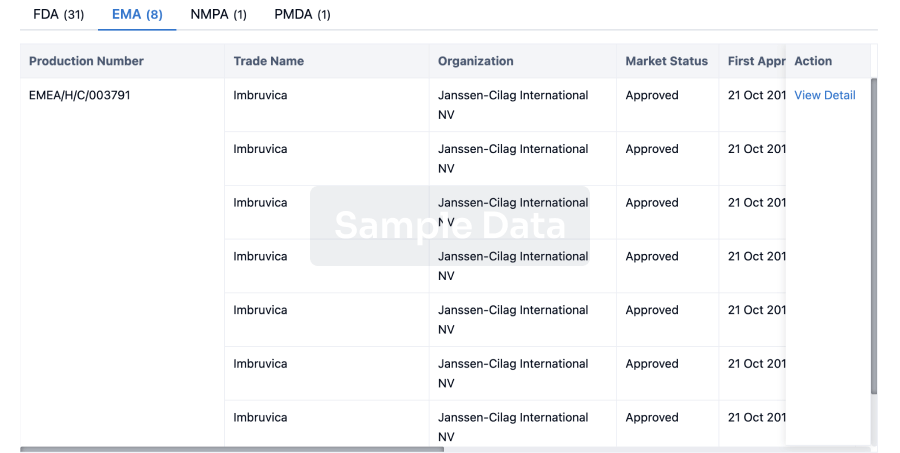
Approval
Accelerate your research with the latest regulatory approval information.
login
or
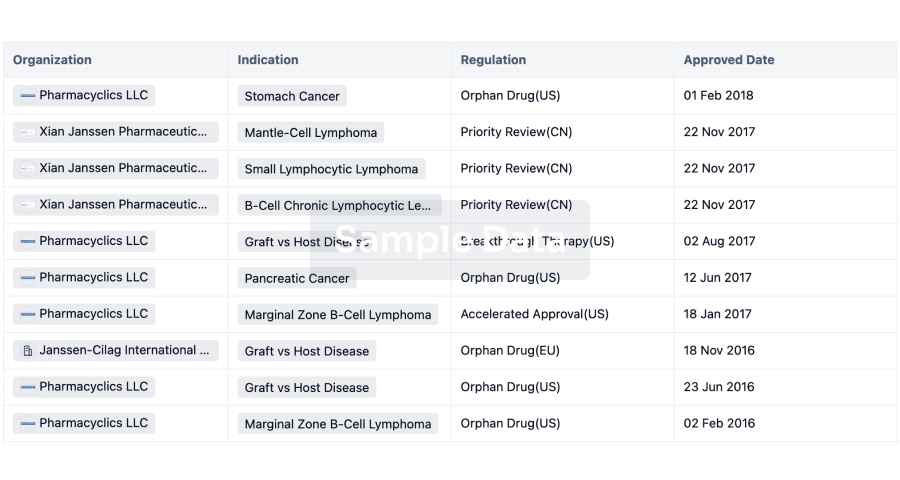
Regulation
Understand key drug designations in just a few clicks with Synapse.
login
or
Hiro LS Researcher
The AI Search Engine Built to Accelerate Biopharma Decisions
Search across billion-scale life sciences data to uncover signals, validate evidence, and act with confidence.
Ask any biopharma research question→
Get started for free today!
Accelerate Strategic R&D decision making with Synapse, Patsnap’s AI-powered Connected Innovation Intelligence Platform Built for Life Sciences Professionals.
Discover Synapse Data Servers
Synapse data is now integrated into the PatSnap LS Model Context Protocol (MCP) service. Customize your LLM agent now using our MCP server!
Bio
Bio Sequences Search & Analysis
Sign up for free
Chemical
Chemical Structures Search & Analysis
Sign up for free