Request Demo
Last update 29 Aug 2026
Fozivudine tidoxil
Last update 29 Aug 2026
Overview
Basic Info
Drug Type Small molecule drug |
Synonyms Fozivudine, FZT, BM 21.1290 + [8] |
Target |
Action inhibitors |
Mechanism RT inhibitors(Viral reverse transcriptase inhibitors) |
Therapeutic Areas |
Active Indication- |
Inactive Indication |
Originator Organization |
Active Organization- |
Inactive Organization |
License Organization- |
Drug Highest PhasePendingPhase 2 |
First Approval Date- |
Regulation- |


Login to view timeline
Structure/Sequence
Molecular FormulaC35H64N5O8PS |
InChIKeyIBHARWXWOCPXCR-WELGVCPWSA-N |
CAS Registry141790-23-0 |
Related
3
Clinical Trials associated with Fozivudine tidoxilNCT01714414
A Prospective, Multicenter, Open, Randomized Phase 2a Trial to Confirm a Sustained Virological Suppression Defined as HIV-RNA <50 Copies/ml of 3 Different Doses of Fozivudine in Context to a Standard Zidovudine Based Antiretroviral Therapy Regimen After 24 Weeks of Treatment in ART naïve, Non Subtype B HIV-1 Infected Individuals From Tanzania and Ivory Coast
PACTR201205000384379
A Prospective, Multicenter, Open, Randomized Phase 2a Trial to Confirm a Sustained Virological Suppression Defined as HIV-RNA <50 Copies/ml of 3 Different Doses of Fozivudine in Context to a Standard Zidovudine Based Antiretroviral Therapy Regimen After 24 Weeks of Treatment in ART naïve, Non Subtype B HIV-1 Infected Individuals From Tanzania and Ivory Coast
NCT00002385
Multicenter, Rising, Multiple-Dose, Placebo-Controlled, Dose-Response Study to Evaluate the Safety, Tolerability, and Anti-Viral Activity of 4 Weeks of Treatment With 200-800 Mg Fozivudine Tidoxil in Patients With HIV-1 Infection (MF4314).
100 Clinical Results associated with Fozivudine tidoxil
Login to view more data
100 Translational Medicine associated with Fozivudine tidoxil
Login to view more data
100 Patents (Medical) associated with Fozivudine tidoxil
Login to view more data
61
Literatures (Medical) associated with Fozivudine tidoxil09 Mar 2026INORGANIC CHEMISTRY
Lanthanide metal–organic Framework Fluorescent Sensor for the Detection of Furazolidone in Tap Water and Animal Feed
Article
Author: Yang, Wei-Ting ; Su, Zhong-Min ; Xiao, Meng-Dan ; Ye, Jin-Ting ; Wang, Lu-Yao ; Lin, Yuan ; Chen, Shu-Yu ; Liu, Yan-Feng ; Gong, Ya-Ru
The illegal use of furazolidone (FZD) in livestock and aquaculture results in FZD residues in related products, posing significant health risks such as carcinogenicity and teratogenicity. Accordingly, there is an urgent necessity to develop advanced analytical sensors for the detection of FZD residues. In this study, a Ln-MOF fluorescent sensor (HNU-104) was fabricated for the rapid detection of FZD, and it maintains structural stability in solutions with pH values ranging from 3 to 11. The limit of detection (LOD) for the FZD was found to be 37.3 ppb. For the analysis of actual samples, the spiked recovery rate ranged from 95.76% to 108.62%, and the relative standard deviation (RSD) was less than 0.10%. Furthermore, the sensing mechanism study indicates that fluorescence quenching is caused by the synergistic effects of the inner filter effect (IFE) and photoinduced electron transfer (PET). This work provides a robust Ln-MOF-based platform for the rapid and highly selective detection of FZD, showing great potential for applications in food safety analysis.
20 Nov 2025JOURNAL OF INFECTIOUS DISEASES
Follow-up and Analysis of
Helicobacter pylori
Antibioic Resistance in the South Area of Sichuan Province
Article
Author: Li, Changping ; Li, Ying ; Xu, Mei ; Liang, Chunhong ; Zhou, Yuyang
Abstract:
Background:
The antibiotic resistance rate of Helicobacter pylori (H. pylori) has increased year by year with the widespread use of antibiotics, resulting in reduced efficacy of eradication therapy and increased recurrence rate. We conducted a survey on H. pylori resistance in the South area of Sichuan province to provide guidance for front-line treatments of H. pylori in this area.
Methods:
Helicobacter pylori strains were isolated from gastric mucosa specimens obtained from patients with suspected H. pylori infection from the South area of Sichuan province. Antibiotic susceptibility of the strains was determined by disk diffusion method.
Results:
Among 373 patients, 323 were from southern Sichuan. H. pylori strains were isolated and cultured from gastric mucosa samples of 304 patients, resulting in an isolation and culture success rate of 81.50%. Metronidazole (MNZ) is the antibiotic with the highest drug resistance rate in the South area of Sichuan province, with a drug resistance rate as high as 98.68%. The resistance rates of amoxicillin and furazolidone were very low, accounting for 0.29% and 0.99%, respectively. However, tetracycline showed no resistance. Single antibiotic resistance accounted for 35.67%, while the resistance to 2 antibiotics was dual resistance, accounting for 34.67%. Dual drug resistance was mainly MNZ and levofloxacin, followed by MNZ and clarithromycin (CLA).
Conclusions:
MNZ, levofloxacin, and CLA should be used cautiously in H. pylori eradication therapy in the South area of Sichuan province. If the cultivation results and drug sensitivity test results of the H. pylori strain cannot be obtained, it is recommended to adopt an empirical treatment plan, using the pairwise combinations of amoxicillin, tetracycline, and FZD, especially the combination of amoxicillin and tetracycline.
20 Nov 2025JOURNAL OF INFECTIOUS DISEASES
Antimicrobial Resistance of
Helicobacter pylori
Among Chinese Yi Population
Article
Author: Wang, Ying ; Song, Xiaona ; Feng, Ping ; Shen, Yalin ; Chen, Liyu ; Ma, Yufan ; Tang, Hong ; Ma, Siyan ; Zhang, Qin ; Li, Hong ; Marshall, Barry J ; Tay, Alfred C Y ; Ma, Fanghua ; Zhang, Jinzhi
Abstract:
Background:
Antibiotic resistance significantly impacts the success of Helicobacter pylori eradication. This study aimed to evaluate the antibiotic resistance patterns among a Chinese Yi ethnic population.
Methods:
Gastric biopsy specimens were collected from Chinese Yi patients undergoing endoscopy at 2 hospitals for H. pylori isolation and pathological assessment. Antimicrobial susceptibility testing (AST) was performed for amoxicillin (AML), tetracycline (TET), clarithromycin (CLR), metronidazole (MTZ), levofloxacin (LEV), rifampicin (RIF), and furazolidone (FZD) using Etest or disk diffusion. Univariate and multivariate logistic analysis were used to identify factors associated with antimicrobial resistance.
Results:
From 501 gastric specimens, 262 H. pylori strains were isolated (52.3% culture rate). Of the 262 H. pylori-positive patients (110 men and 152 women, mean age 40.7 years), endoscopic findings revealed that 129 (49.2%) had chronic atrophic gastritis, 40 (15.3%) had peptic ulcers, and 2 (0.8%) had gastric malignancy. Pathological analysis revealed a high prevalence of moderate-to-severe chronic gastric atrophy (75.6%), intestinal metaplasia (14.7%), and dysplasia (0.8%). The overall resistance rates were the following: AML (0.0%), TET (0.4%), CLR (22.9%), MTZ (86.3%), LEV (39.7%), RIF (52.7%), and FZD (0.0%). Multi-drug resistance was observed in 32.1% of the strains. Age (for CLR, MTZ, and LEV) and female gender (for MTZ) were independent factors associated with antimicrobial resistance.
Conclusions:
Chronic gastric atrophy is highly prevalent among Yi patients, emphasizing the need for endoscopic screening and prompt H. pylori eradication to prevent gastric cancer. Due to high resistance, CLR, MTZ, and LEV should not be used empirically. In contrast, TET, AML, and FZD show negligible resistance, treatment regimens based on these antibiotics are likely to be effective.
100 Deals associated with Fozivudine tidoxil
Login to view more data
External Link
| KEGG | Wiki | ATC | Drug Bank |
|---|---|---|---|
| - | - | - |
R&D Status
10 top R&D records. to view more data
Login
| Indication | Highest Phase | Country/Location | Organization | Date |
|---|---|---|---|---|
| HIV Infections | Phase 2 | Côte d'Ivoire | 01 Dec 2012 | |
| HIV Infections | Phase 2 | Tanzania | 01 Dec 2012 |
Login to view more data
Clinical Result
Clinical Result
Indication
Phase
Evaluation
View All Results
Login to view more data
Translational Medicine
Boost your research with our translational medicine data.
login
or

Deal
Boost your decision using our deal data.
login
or

Core Patent
Boost your research with our Core Patent data.
login
or

Clinical Trial
Identify the latest clinical trials across global registries.
login
or

Approval
Accelerate your research with the latest regulatory approval information.
login
or
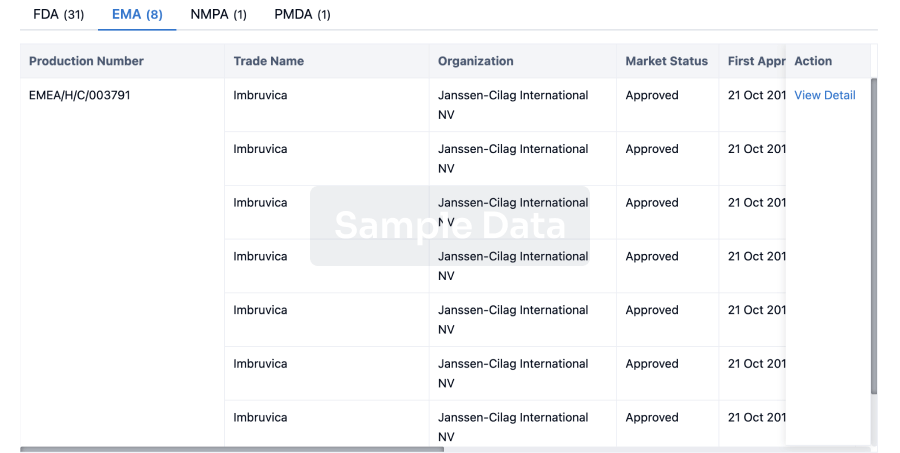
Regulation
Understand key drug designations in just a few clicks with Synapse.
login
or
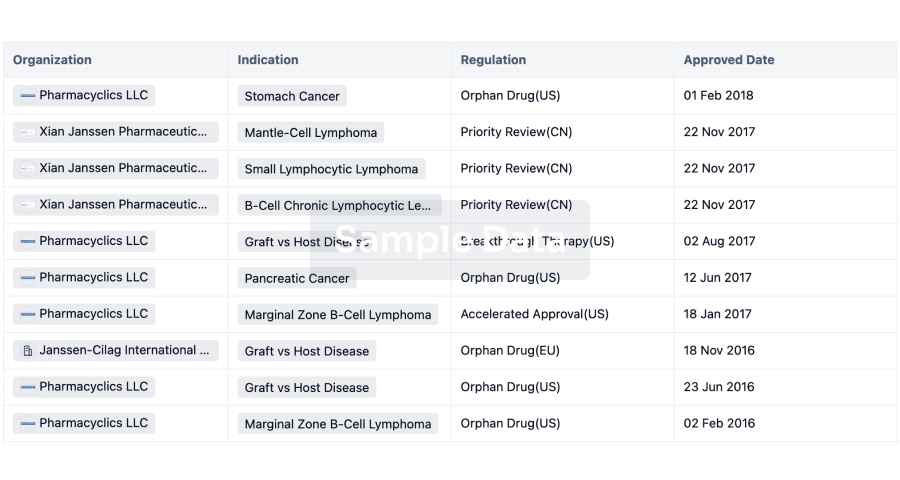
Hiro LS Researcher
The AI Search Engine Built to Accelerate Biopharma Decisions
Search across billion-scale life sciences data to uncover signals, validate evidence, and act with confidence.
Ask any biopharma research question→
Get started for free today!
Accelerate Strategic R&D decision making with Synapse, Patsnap’s AI-powered Connected Innovation Intelligence Platform Built for Life Sciences Professionals.
Discover Synapse Data Servers
Synapse data is now integrated into the PatSnap LS Model Context Protocol (MCP) service. Customize your LLM agent now using our MCP server!
Bio
Bio Sequences Search & Analysis
Sign up for free
Chemical
Chemical Structures Search & Analysis
Sign up for free