Request Demo
Last update 20 Nov 2025
BTL-TML
Last update 20 Nov 2025
Overview
Basic Info
Drug Type Small molecule drug |
Synonyms [(o-carboxyphenyl)thio]ethylmercury sodium salt, BTL-TML-COVID, BTL-TML-HSV + [12] |
Target- |
Action inhibitors |
Mechanism Virus replication inhibitors |
Therapeutic Areas |
Active Indication |
Inactive Indication |
Originator Organization |
Active Organization |
Inactive Organization- |
License Organization- |
Drug Highest PhasePhase 2 |
First Approval Date- |
Regulation- |

Login to view timeline
Structure/Sequence
Molecular FormulaC9H9HgNaO2S |
InChIKeySKLIKZFOTSKEKY-UHFFFAOYSA-L |
CAS Registry54-64-8 |
Related
4
Clinical Trials associated with BTL-TMLNCT04522830
A Double-blind, Placebo-controlled, Phase 2 Trial of Sublingual Low-Dose Thimerosal in Adults With Symptomatic SARS-CoV-2 Infection
NCT01902303
Evaluation of Cold Sore Treatments on UV Induced Cold Sores
NCT01308424
A Randomized, Double-blind, Parallel, Placebo-controlled Study for the Assessment of the Safety and Efficacy of BTL-TML-HSV for the Treatment of Recurrent Symptomatic Oral Herpes Virus Infection
100 Clinical Results associated with BTL-TML
Login to view more data
100 Translational Medicine associated with BTL-TML
Login to view more data
100 Patents (Medical) associated with BTL-TML
Login to view more data
1,333
Literatures (Medical) associated with BTL-TML06 Sep 2025Zhonghua yu fang yi xue za zhi [Chinese journal of preventive medicine]
[Distribution characteristics and clinical significance of exposed allergens in different age groups].
Article
Author: Kong, R ; Wang, L M ; Zhao, Y
Objective: This study aimed to assess the patch test positivity rate, allergen distribution, and their associations with demographic characteristics and immune indicators in patients with allergic contact dermatitis (ACD). Methods: A retrospective medical record analysis was conducted on 402 patients suspected of ACD (338 females, median age 38 years; 64 males, median age 43 years) seen at Xuanwu Hospital, Capital Medical University between June 2023 and June 2024. Standard patch tests (using 100 haptens from the Chinese baseline series) were administered, and serum total IgE and eosinophil levels were measured. Statistical analyses included chi-square tests, t-tests/Mann-Whitney U tests for group comparisons, and Spearman correlation for associations. Results: The overall patch test positivity rate among the 402 patients was 62.69% (252/402), with 85.71% (216/252) showing sensitivity to the top 21 allergens. Predominantly, the affected individuals were females (84.26%, 182/216) aged 19-35 years (36.57%, 79/216). The primary sensitizers were cobalt chloride (22.89%, 92/402) and nickel sulfate (19.90%, 80/402). The highest proportion of severe reactions (+++) was observed with thimerosal (10/16). Males exhibited significantly higher positive risks for carba mix (OR=5.10, P=0.002) and octyl gallate (OR=2.64, P=0.047) compared to females. The age-stratified results revealed that the cobalt chloride positive rate was abnormally increased to 76.72% (50/65) in the 36-50 years age group, a rate significantly higher than those observed in the ≤18 years group (20.00%), the 19-35 years group (21.51%), and the >50 years group (16.13%; all P<0.05). In contrast, the >50 years age group exhibited the highest positive rate for nickel sulfate among all age groups at 20.96% (13/62). No significant correlations were found between the number of positive patch tests, reaction intensity (average/maximum), and total IgE (r=-0.075-0.063), absolute and percentage of eosinophils (P>0.05). Clinically, eczema prevalence in the>50 age group was 22.58% (14/62), with ACD complicated by allergic dermatitis being the most common (16.67%, 36/216). Conclusion: Nickel sulfate and cobalt chloride are primary sensitizers for ACD. Sensitization patterns across age groups are similar and unrelated to IgE/EOS levels. The higher incidence of severe reactions to thimerosal may be linked to heightened sensitization to mercury-containing products like vaccine preservatives. The notably increased cobalt chloride positivity in the 36-50 age group suggests a unique exposure risk, while the higher prevalence in females may be associated with contact with nickel/cobalt-containing items such as jewelry and cosmetics.
01 Sep 2025EUROPEAN JOURNAL OF PHARMACEUTICS AND BIOPHARMACEUTICS
Compatibility of antimicrobial preservatives with therapeutic bacteriophages of the genera Pbunavirus and Kayvirus
Article
Author: Laichmanová, Monika ; Pantůček, Roman ; Jelínek, Petr ; Šoóš, Miroslav ; Smetanová, Soňa ; Komárková, Marie ; Benešík, Martin ; Vinco, Adam ; Procházková, Tereza ; Botka, Tibor ; Moša, Marek
Implementing bacteriophages into dosage forms is a significant step for the practical application of phage therapy. While designing a dosage form, bacteriophages as active ingredients may be exposed to excipients, guaranteeing microbial quality. However, only a few antimicrobial preservatives have been studied regarding their interaction with bacteriophages during long-term storage. Here, the stability of the staphylococcal Kayvirus and pseudomonal Pbunavirus with twelve commonly used preservatives was monitored for thirteen weeks to assess the risk of destabilisation of phage suspensions by excipients. The effectiveness of preservatives on the test bacteria, yeast and mould was determined using a microdilution method and the phage lytic activity by plaque enumeration. The antimicrobial activity of preservatives with bacteriophages was confirmed, except benzalkonium chloride and chlorhexidine digluconate, which showed precipitation and were classified as incompatible. A complete loss of phage potency in both tested phages occurred with diazolidinyl urea and in Kayvirus with benzalkonium chloride. For both phages, a slight decrease in titer, by one order of magnitude, was observed with m-cresol, sodium propionate, sodium benzoate, and phenylethyl alcohol. For Kayvirus, thimerosal, parabens, and mono propylene glycol and for Pbunavirus, phenoxyethanol also met the criteria. The decrease by two or more orders was determined for the remaining cases. This study helps select antimicrobial preservatives for optimizing dosage formulations with the therapeutically applicable bacteriophages.
01 Aug 2025VACCINE
Safety and immunogenicity of thiomersal-free recombinant hepatitis E vaccine: A randomized, double-blind, active-controlled study
Article
Author: Yu, Xiaoshan ; Chen, Shasha ; Zhang, Dengxiang ; Xie, Fangqin ; Huang, Qinbiao ; Zhong, Sumei ; Wang, Xiujuan ; Zhang, Qiufen ; Zhang, Dongjuan ; Li, Junrong ; Wang, Rui
INTRODUCTION:
The first recombinant hepatitis E vaccine (Escherichia Coli), Hecolin® (Xiamen Innovax, China), was approved for people aged ≥16 years. Innovax has developed a thiomersal-free formulation process change according to the requirement of 2020 Chinese Pharmacopoeia. This study aimed to evaluate the safety and immunogenicity of the thiomersal-free hepatitis E vaccine compared with the licensed hepatitis E vaccine in people aged ≥16 years.
CLINICAL TRIAL REGISTRATION:
NCT06564116.
METHODS:
This was a single-center, randomized, double-blind, active-controlled study conducted in China. Eligible participants were randomly assigned in a 1:1 ratio to the thiomersal-free hepatitis E vaccine group (HEV-TF group) or the hepatitis E vaccine group (HEV group) stratified by sex and age. Each participant received three doses of the vaccine intramuscularly at 0, 1 and 6 months. Safety was evaluated based on adverse events (AEs) occurred within 30 days following each dose, serious adverse events (SAEs) and pregnancy events occurred during the study period. Immunogenicity was evaluated through quantification of anti-HEV IgG in serum samples collected at 0 and 7 months.
RESULTS:
A total of 612 eligible participants were enrolled and received at least 1 dose of vaccine. 558 participants were included in the per protocol set for immunogenicity. All participants seroconverted in both groups by month 7. The seroconversion rate difference was 0.00 % (95 % confidence interval [CI] -1.38 to 1.34). The geometric mean concentrations (GMCs) in HEV-TF group and HEV group were 16.57 U/mL and 18.47 U/mL, respectively. The GMC ratio was 0.90 (95 % CI 0.79 to 1.01). The overall AEs rates were similar between the groups (16.88 % vs. 12.50 %). Most of AEs were grade 1 or 2. No vaccine-related SAE occurred during the study period.
CONCLUSIONS:
The thiomersal-free hepatitis E vaccine demonstrated non-inferior immunogenicity compared with the licensed hepatitis E vaccine Hecolin® and showed an acceptable safety profile.
39
News (Medical) associated with BTL-TML19 Sep 2025
15 Sep 2025
VaccineExecutive Change
26 Aug 2025
VaccineExecutive ChangemRNA
100 Deals associated with BTL-TML
Login to view more data
R&D Status
10 top R&D records. to view more data
Login
| Indication | Highest Phase | Country/Location | Organization | Date |
|---|---|---|---|---|
| Influenza, Human | Phase 2 | United States | 05 Aug 2020 | |
| COVID-19 | Phase 2 | United States | 30 Jul 2020 | |
| Herpes Labialis | Phase 2 | United States | 01 Jul 2013 | |
| Stomatitis, Herpetic | Phase 2 | United States | 01 Jul 2013 |
Login to view more data
Clinical Result
Clinical Result
Indication
Phase
Evaluation
View All Results
Phase 2 | 303 | Matching Placebo | dxrsrjbick = ofcvnndeax paekvrzngg (zzghuxmfei, oexptoykzu - zqrvutflzg) View more | - | 14 Mar 2016 |
Login to view more data
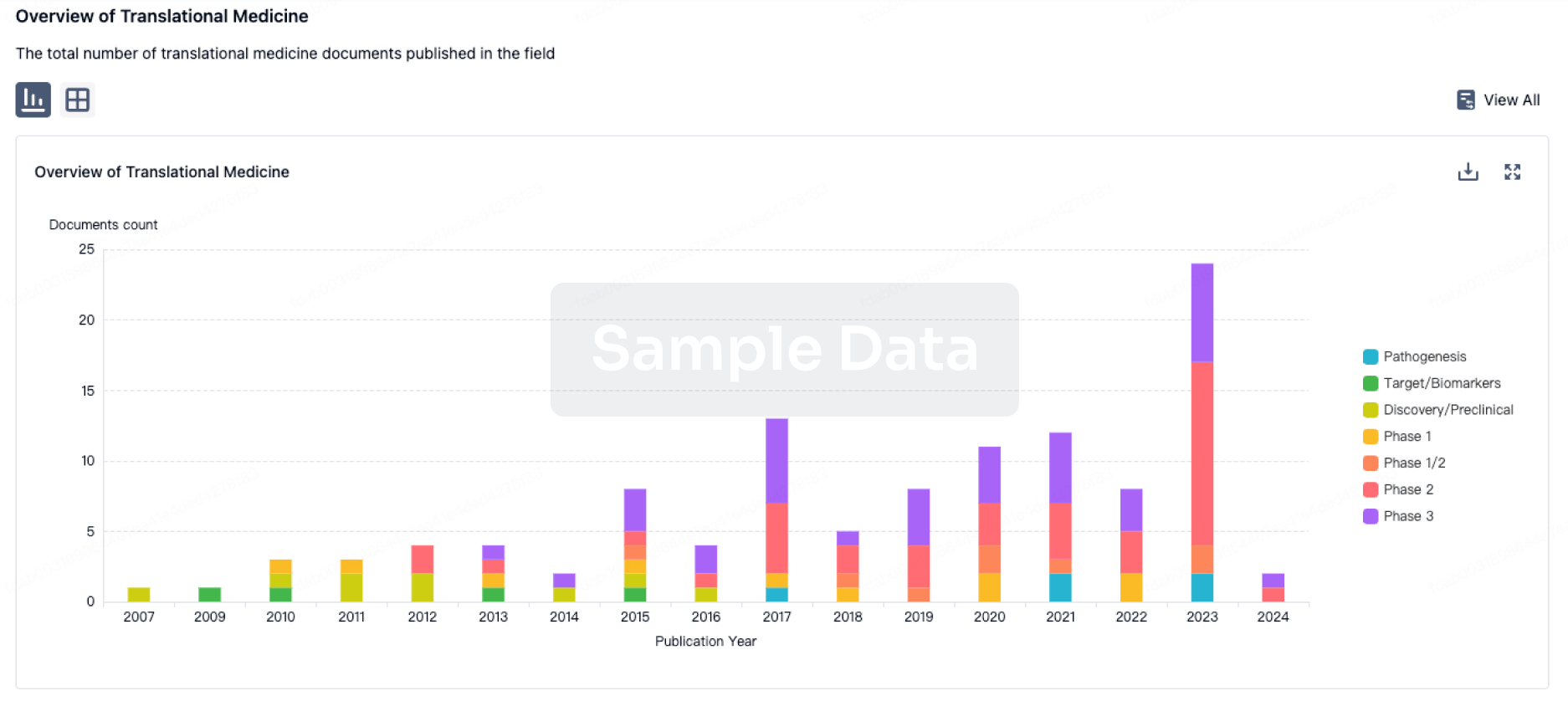
Translational Medicine
Boost your research with our translational medicine data.
login
or
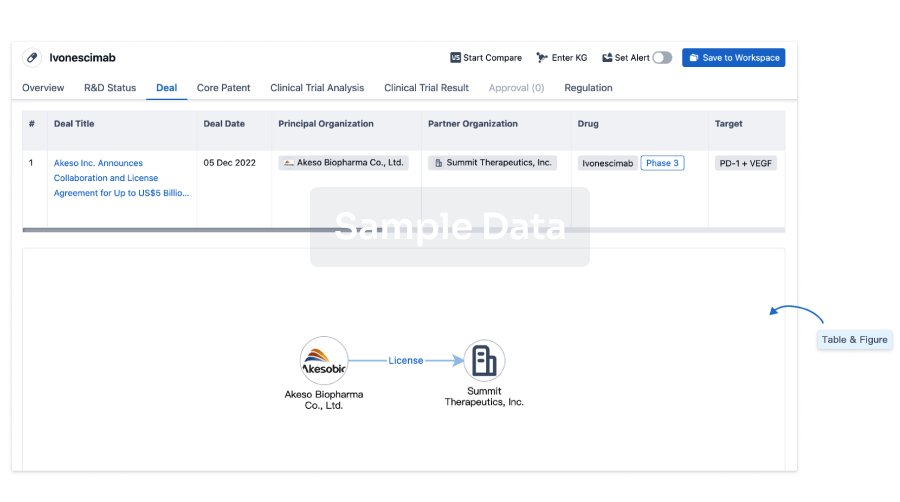
Deal
Boost your decision using our deal data.
login
or
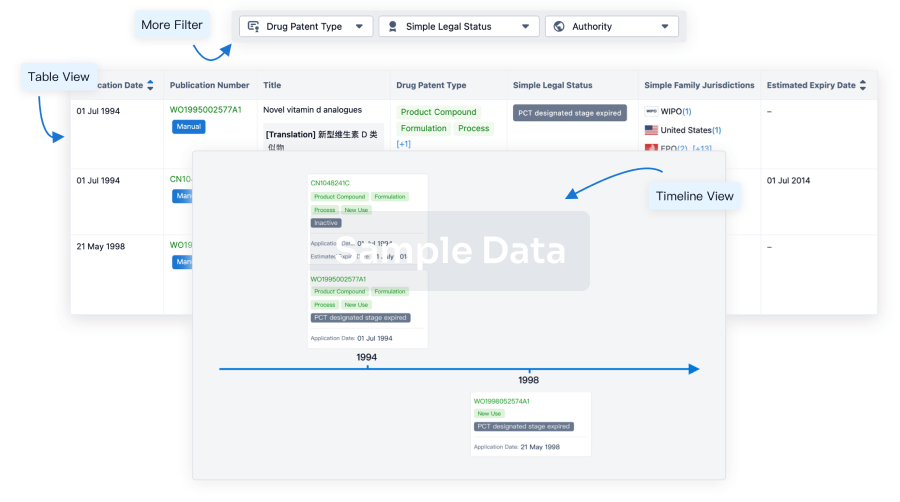
Core Patent
Boost your research with our Core Patent data.
login
or
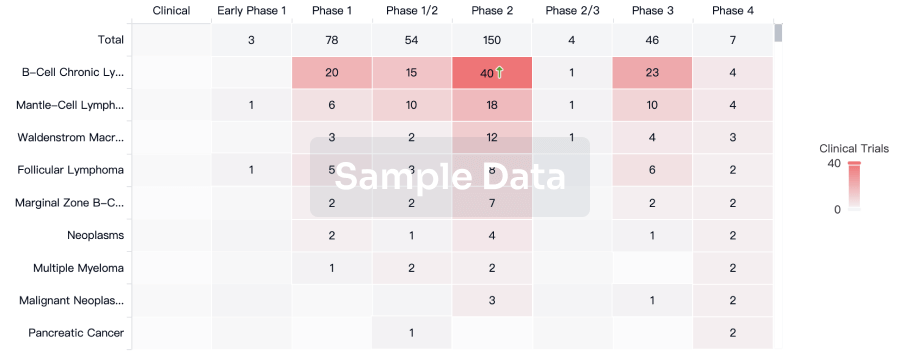
Clinical Trial
Identify the latest clinical trials across global registries.
login
or
Approval
Accelerate your research with the latest regulatory approval information.
login
or
Regulation
Understand key drug designations in just a few clicks with Synapse.
login
or
AI Agents Built for Biopharma Breakthroughs
Accelerate discovery. Empower decisions. Transform outcomes.
Get started for free today!
Accelerate Strategic R&D decision making with Synapse, PatSnap’s AI-powered Connected Innovation Intelligence Platform Built for Life Sciences Professionals.
Start your data trial now!
Synapse data is also accessible to external entities via APIs or data packages. Empower better decisions with the latest in pharmaceutical intelligence.
Bio
Bio Sequences Search & Analysis
Sign up for free
Chemical
Chemical Structures Search & Analysis
Sign up for free