Request Demo
Last update 04 Jul 2026
VH-032
Last update 04 Jul 2026
Overview
Basic Info
Drug Type Small molecule drug |
Synonyms VH032 |
Target |
Action inhibitors |
Mechanism VHL inhibitors(von Hippel-Lindau tumor suppressor inhibitors) |
Therapeutic Areas- |
Active Indication- |
Inactive Indication- |
Originator Organization |
Active Organization |
Inactive Organization- |
License Organization- |
Drug Highest PhaseDiscovery |
First Approval Date- |
Regulation- |

Structure/Sequence
Molecular FormulaC24H32N4O4S |
InChIKeyGFVIEZBZIUKYOG-SVFBPWRDSA-N |
CAS Registry1448188-62-2 |
R&D Status
Login to view more data
Clinical Result
Clinical Result
Indication
Phase
Evaluation
View All Results
Login to view more data
Translational Medicine
Boost your research with our translational medicine data.
login
or

Deal
Boost your decision using our deal data.
login
or

Core Patent
Boost your research with our Core Patent data.
login
or

Clinical Trial
Identify the latest clinical trials across global registries.
login
or

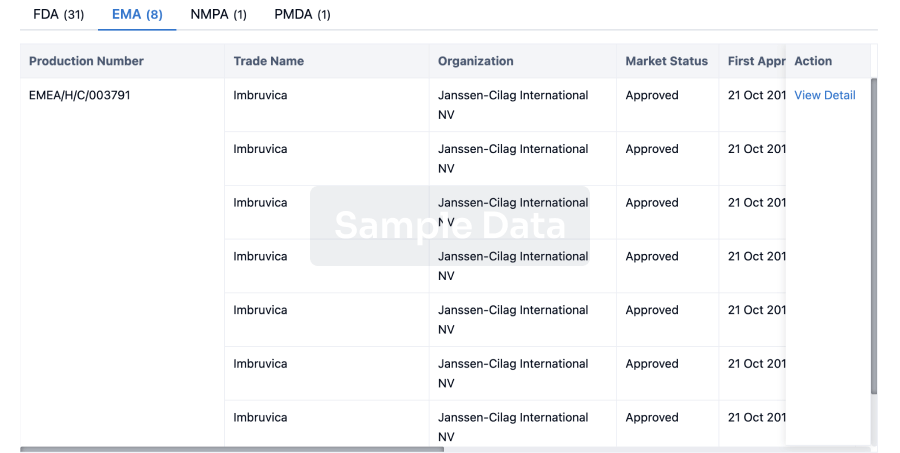
Approval
Accelerate your research with the latest regulatory approval information.
login
or
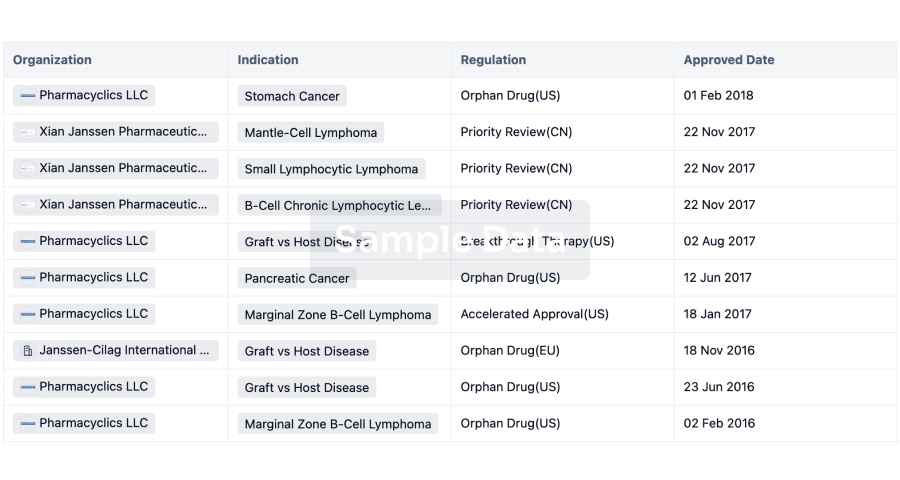
Regulation
Understand key drug designations in just a few clicks with Synapse.
login
or
Hiro LS Researcher
The AI Search Engine Built to Accelerate Biopharma Decisions
Search across billion-scale life sciences data to uncover signals, validate evidence, and act with confidence.
Ask any biopharma research question→
Get started for free today!
Accelerate Strategic R&D decision making with Synapse, Patsnap’s AI-powered Connected Innovation Intelligence Platform Built for Life Sciences Professionals.
Discover Synapse Data Servers
Synapse data is now integrated into the PatSnap LS Model Context Protocol (MCP) service. Customize your LLM agent now using our MCP server!
Bio
Bio Sequences Search & Analysis
Sign up for free
Chemical
Chemical Structures Search & Analysis
Sign up for free