Request Demo
Last update 29 Nov 2025
Bivatuzumab
Last update 29 Nov 2025
Overview
Basic Info
Drug Type Monoclonal antibody |
Synonyms ANTI-CD44, anti-CD44 monoclonals, BIWA-4 |
Target |
Action inhibitors |
Mechanism CD44 inhibitors(CD44 antigen inhibitors) |
Therapeutic Areas |
Active Indication- |
Originator Organization |
Active Organization- |
Inactive Organization |
License Organization- |
Drug Highest PhaseDiscontinuedPhase 2 |
First Approval Date- |
Regulation- |

Login to view timeline
Structure/Sequence
Sequence Code 68624

Sequence Code 68628
Related
2
Clinical Trials associated with BivatuzumabNCT02204046
A Phase I Biodistribution Study With 186 Re-labelled Humanised Monoclonal Antibody BIWA 4, in Patients With Adenocarcinoma of the Breast
NCT02204059
A Phase I Biodistribution Study With 186 Re-labelled Humanised Monoclonal Antibody BIWA 4, in Patients With Non-small Cell Lung Cancer
100 Clinical Results associated with Bivatuzumab
Login to view more data
100 Translational Medicine associated with Bivatuzumab
Login to view more data
100 Patents (Medical) associated with Bivatuzumab
Login to view more data
99
Literatures (Medical) associated with Bivatuzumab01 Jan 2023Frontiers in immunology
Important functional role of the protein osteopontin in the progression of malignant pleural mesothelioma.
Article
Author: Marchini, Sergio ; Belgiovine, Cristina ; Recordati, Camilla ; Allavena, Paola ; D'Incalci, Maurizio ; Bertola, Luca ; Anfray, Clément ; Mannarino, Laura ; Digifico, Elisabeth ; Ummarino, Aldo ; Roncalli, Massimo ; Erreni, Marco ; Bossi, Paola ; Zucali, Paolo Andrea ; Pistillo, Daniela
Background:
Malignant Pleural Mesothelioma (MPM) is an aggressive cancer of the mesothelial lining associated with exposure to airborne non-degradable asbestos fibers. Its poor response to currently available treatments prompted us to explore the biological mechanisms involved in its progression. MPM is characterized by chronic non-resolving inflammation; in this study we investigated which inflammatory mediators are mostly expressed in biological tumor samples from MPM patients, with a focus on inflammatory cytokines, chemokines and matrix components.
Methods:
Expression and quantification of Osteopontin (OPN) was detected in tumor and plasma samples of MPM patients by mRNA, immunohistochemistry and ELISA. The functional role of OPN was investigated in mouse MPM cell lines in vivo using an orthotopic syngeneic mouse model.
Results:
In patients with MPM, the protein OPN was significantly more expressed in tumors than in normal pleural tissues and predominantly produced by mesothelioma cells; plasma levels were elevated in patients and associated with poor prognosis. However, modulation of OPN levels was not significantly different in a series of 18 MPM patients receiving immunotherapy with durvalumab alone or with pembrolizumab in combination with chemotherapy, some of whom achieved a partial clinical response. Two established murine mesothelioma cell lines: AB1 and AB22 of sarcomatoid and epithelioid histology, respectively, spontaneously produced high levels of OPN. Silencing of the OPN gene (Spp1) dramatically inhibited tumor growth in vivo in an orthotopic model, indicating that OPN has an important promoting role in the proliferation of MPM cells. Treatment of mice with anti-CD44 mAb, blocking a major OPN receptor, significantly reduced tumor growth in vivo.
Conclusion:
These results demonstrate that OPN is an endogenous growth factor for mesothelial cells and inhibition of its signaling may be helpful to restrain tumor progression in vivo. These findings have translational potential to improve the therapeutic response of human MPM.
01 Aug 2021Monoclonal antibodies in immunodiagnosis and immunotherapy
Epitope Mapping of the Anti-CD44 Monoclonal Antibody (C
44
Mab-46) Using the REMAP Method
Article
Author: Tateyama, Nami ; Kato, Yukinari ; Takei, Junko ; Kaneko, Mika K. ; Asano, Teizo
CD44 functions as a major hyaluronan receptor on most cell types, with roles in cell adhesion, migration, proliferation, differentiation, and survival. The CD44 gene comprises 20 exons, with alternative splicing producing many different isoforms. CD44 variant isoforms exhibit tissue-specific expression patterns and have been studied as therapeutic targets for several cancers; therefore, anti-CD44 monoclonal antibodies (mAbs) are useful for investigating CD44 expression in various cancers. Previously, we established an anti-CD44 mAb, C
44
Mab-46 (IgG
1
, κ), by immunizing mice with the CD44v3–10 ectodomain. Although C
44
Mab-46 recognized all CD44 isoforms, the binding epitope of C
44
Mab-46 has not been determined. In this study, we first checked the reactivity of C
44
Mab-46 to several CD44v3–10 deletion mutants such as dN79, dN124, dN147, and dN224. We found the N-terminus of the C
44
Mab-46-binding epitope between residues 147 and 224 of CD44v3–10. We next investigated this epitope using a novel mapping system: RIEDL insertion for epitope mapping (REMAP) method. We constructed 31 CD44 standard (CD44s) mutants where the RIEDL tag was inserted into the expected epitope region in CD44s. We observed that the C
44
Mab-46 epitope constituted five amino acids:
174
-TDDDV-
178
of CD44s. Thus, the REMAP method could be used to determine mAb binding epitopes for membrane proteins.
01 May 2018Leukemia researchQ4 · MEDICINE
New synergistic combinations of differentiation-inducing agents in the treatment of acute promyelocytic leukemia cells
Q4 · MEDICINE
Article
Author: Samani, Saeed ; Habibi-Anbouhi, Mahdi ; Abolhassani, Mohsen ; Molla-Kazemiha, Vahid ; Shokrgozar, Mohammad Ali ; Azadmanesh, Kayhan ; Amanzadeh, Amir
Acute promyelocytic leukemia (APL) was considered to be one of the most lethal forms of leukemia in adults before the introduction of the vitamin A metabolite all-trans retinoic acid (ATRA). Surprisingly, it has been confirmed that FICZ (6-Formylindolo (3, 2-b) carbazole) enhances ATRA-induced differentiation. Moreover, a number of studies have demonstrated that anti CD44 monoclonal antibody (mAb) induces to bring back differentiation blockage the leukemic stem cells. The level of differentiation markers including CD11b and CD11c in NB4 cells was assessed by flow cytometry. The induction of apoptosis was also evaluated. We estimated the induction potential of a triple compound of ATRA-FICZ, anti-CD44 maps. The cells showed the gradually increased expression levels of CD11b and CD11c. A mixture of a "CD44 mAb, ATRA and FICZ effectively promoted granulocytic maturation resulting in increased rates of apoptosis. The differences in expression of CD11b and CD11c at 5 μg/ml and 10 μg/ml were significant. These phenomena were highest at 10 μg/ml CD44 mAb concentrations. Synergistic induction differentiation and apoptosis of APL cells by using a co-treatment with novel triple compound are more effective for eradicating blasts and controlling the metastasis. Our results show that the addition of anti-CD44 mAb improves "ATRA-FICZ"-induced differentiation and has potential to reduce usual chemotherapy based treatments. Taken together, this compound may lead to novel clinical applications of differentiation-based approaches for APL and other types of leukemia. Further clinical studies would be recommended to clarify the clinical efficacy.
100 Deals associated with Bivatuzumab
Login to view more data
External Link
| KEGG | Wiki | ATC | Drug Bank |
|---|---|---|---|
| - | Bivatuzumab | - |
R&D Status
10 top R&D records. to view more data
Login
| Indication | Highest Phase | Country/Location | Organization | Date |
|---|---|---|---|---|
| Head and Neck Neoplasms | Phase 2 | - | - | |
| Mammary adenocarcinoma | Phase 1 | - | 01 Jan 2000 | |
| Non-small cell lung cancer stage IIIA | Phase 1 | - | 01 Dec 1999 |
Login to view more data
Clinical Result
Clinical Result
Indication
Phase
Evaluation
View All Results
Login to view more data
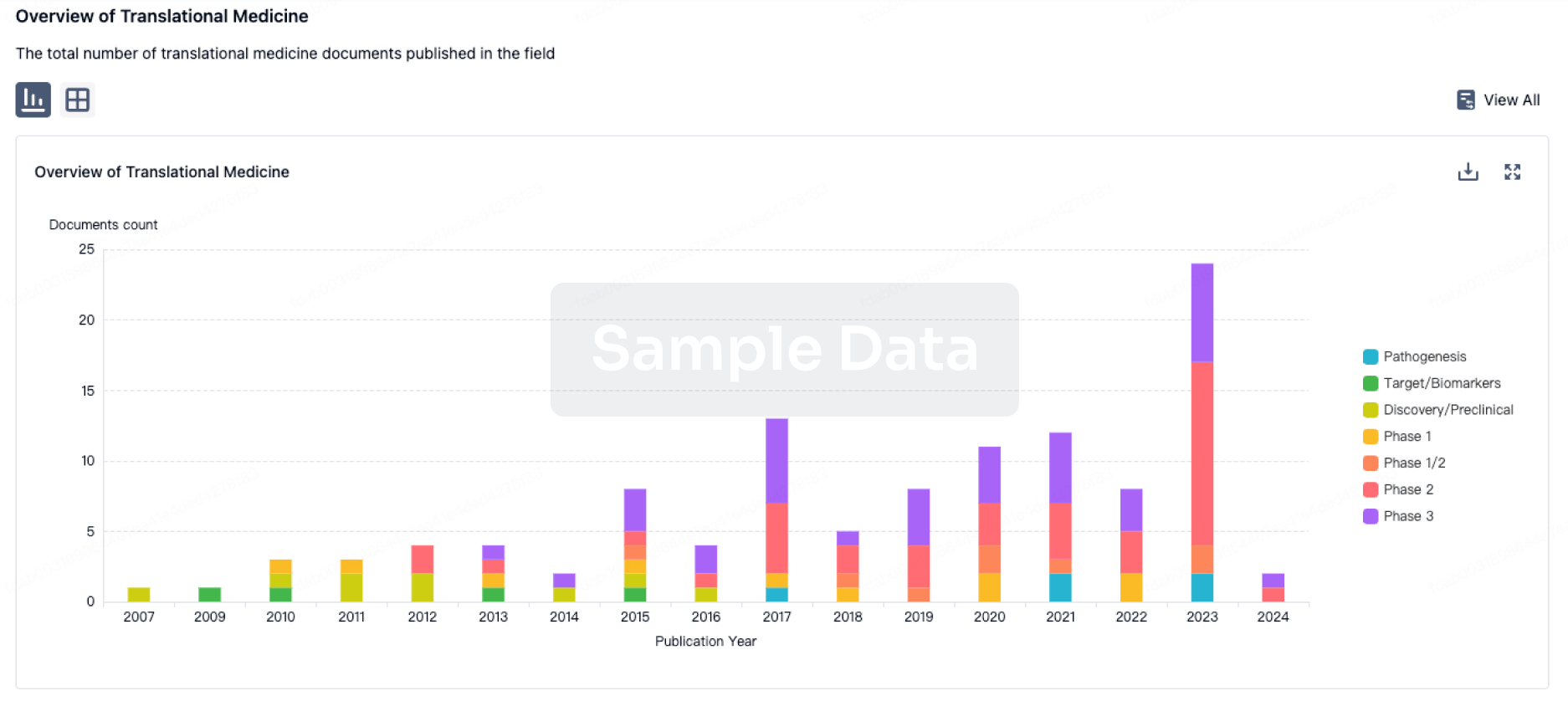
Translational Medicine
Boost your research with our translational medicine data.
login
or
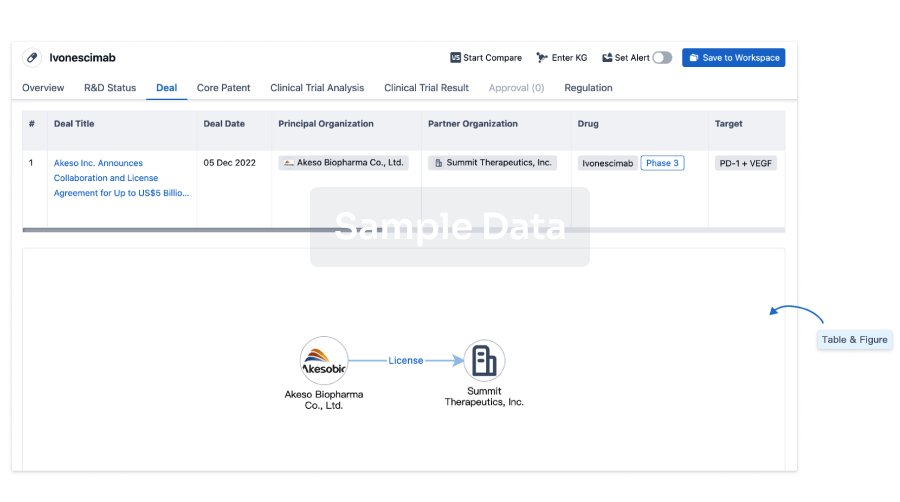
Deal
Boost your decision using our deal data.
login
or
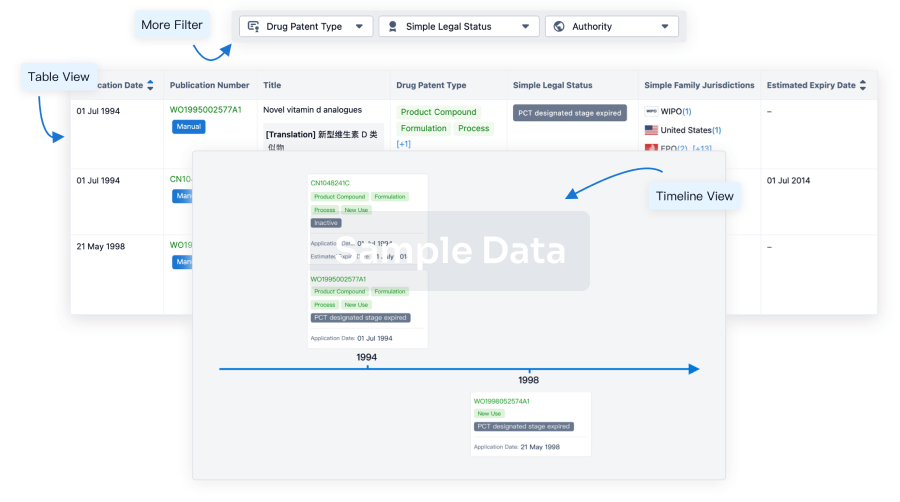
Core Patent
Boost your research with our Core Patent data.
login
or
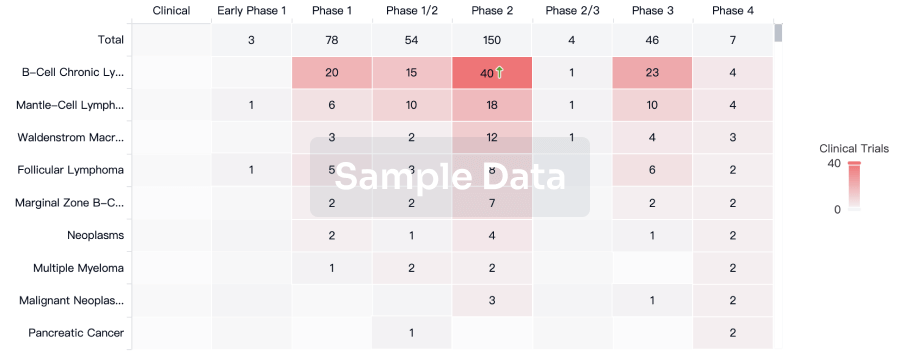
Clinical Trial
Identify the latest clinical trials across global registries.
login
or
Approval
Accelerate your research with the latest regulatory approval information.
login
or
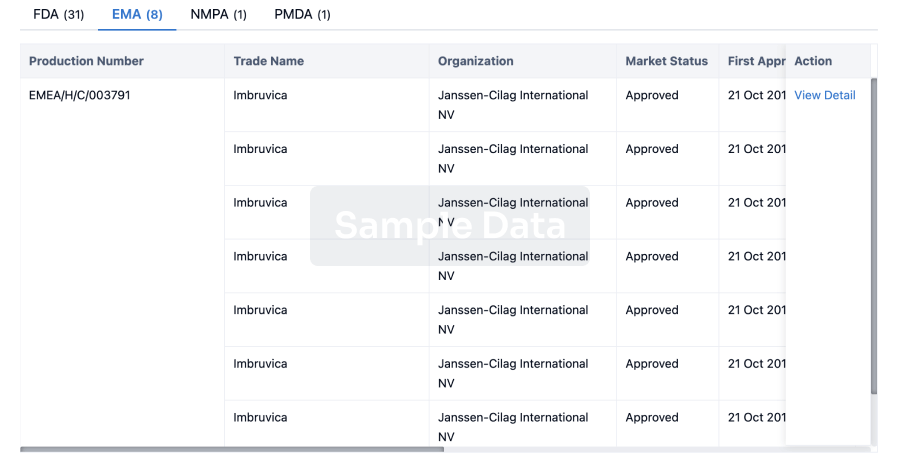
Biosimilar
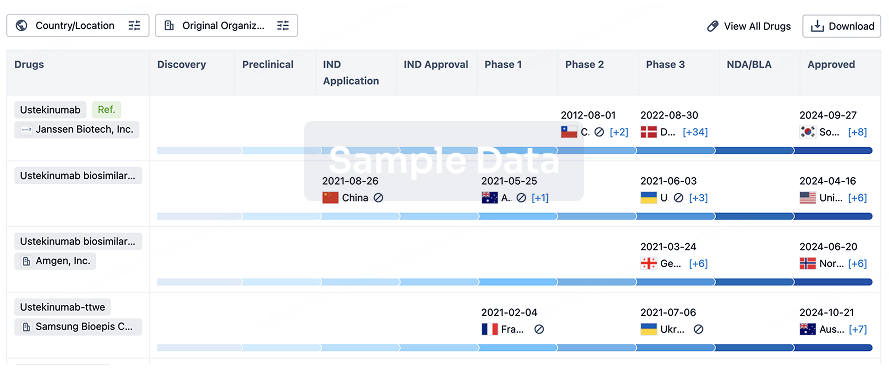
Competitive landscape of biosimilars in different countries/locations. Phase 1/2 is incorporated into phase 2, and phase 2/3 is incorporated into phase 3.
login
or
Regulation
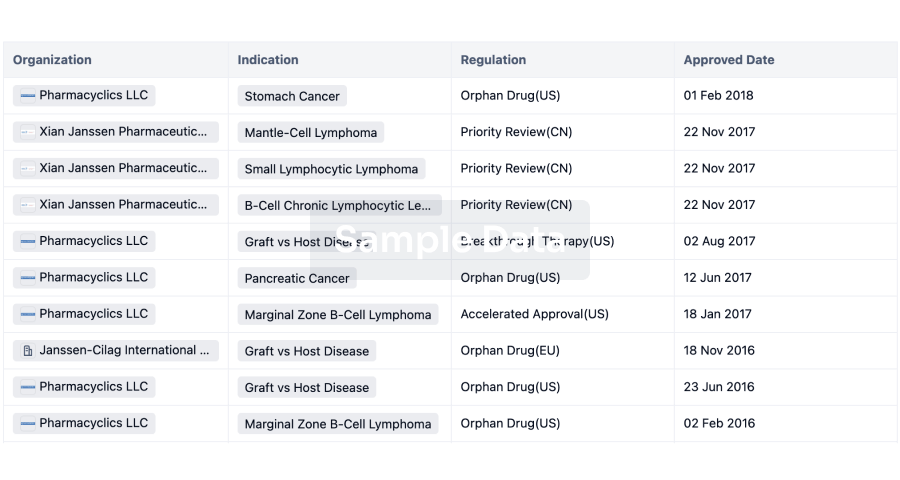
Understand key drug designations in just a few clicks with Synapse.
login
or
AI Agents Built for Biopharma Breakthroughs
Accelerate discovery. Empower decisions. Transform outcomes.
Get started for free today!
Accelerate Strategic R&D decision making with Synapse, PatSnap’s AI-powered Connected Innovation Intelligence Platform Built for Life Sciences Professionals.
Start your data trial now!
Synapse data is also accessible to external entities via APIs or data packages. Empower better decisions with the latest in pharmaceutical intelligence.
Bio
Bio Sequences Search & Analysis
Sign up for free
Chemical
Chemical Structures Search & Analysis
Sign up for free