Request Demo
Last update 01 Aug 2026
ACP-HIP(Quest PharmaTech)
Last update 01 Aug 2026
Overview
Basic Info
Drug Type Recombinant polypeptide |
Synonyms ACP HIP, hCG, Human chorionic gonadotropin |
Target |
Action agonists |
Mechanism LHCGR agonists(Luteinizing hormone/Choriogonadotropin receptor agonists) |
Therapeutic Areas |
Active Indication- |
Inactive Indication |
Originator Organization |
Active Organization- |
Inactive Organization |
License Organization- |
Drug Highest PhaseDiscontinuedPhase 1 |
First Approval Date- |
Regulation- |


Login to view timeline
Structure/Sequence
Sequence Code 3246
Sequence Code 51997
Related
9
Clinical Trials associated with ACP-HIP(Quest PharmaTech)IRCT20230506058097N1
Comparison of the efficacy of dual trigger HCG and GnRH agonist compared to HCG only in women with poor response undergoing with antagonist protocol

IRCT20150310021420N5
Effect of simultanious administration of FSH and hCG for triggering on oocyte quality and ART outcome in antagonist protocol

CTRI/2020/06/025622
A Randomized Controlled Study comparing Combined Low Dose hCG, FSH andTestosterone therapy to Conventional treatment with High Dose hCG and FSH forInduction of Virilization and Fertility in Male Hypogonadotropic Hypogonadism
100 Clinical Results associated with ACP-HIP(Quest PharmaTech)
Login to view more data
100 Translational Medicine associated with ACP-HIP(Quest PharmaTech)
Login to view more data
100 Patents (Medical) associated with ACP-HIP(Quest PharmaTech)
Login to view more data
1,664
Literatures (Medical) associated with ACP-HIP(Quest PharmaTech)01 May 2026Andrology
Human chorionic gonadotropin‐based clinical treatments for infertile men with non‐obstructive azoospermia
Review
Author: Viana, Marina C. ; Esteves, Sandro C. ; Achermann, Arnold P. P. ; Santi, Daniele
Abstract:
Spermatogenesis is primarily controlled by follicle‐stimulating hormone and luteinizing hormone‐driven testosterone. Luteinizing hormone acts on the Leydig cells, stimulating steroid production, predominantly testosterone, and activating critical inter‐related spermatogenesis regulatory pathways. Despite evidence that exogenous gonadotropins containing luteinizing hormone activity, particularly human chorionic gonadotropin, can effectively restore spermatogenesis in azoospermic males with hypogonadotropic hypogonadism, the use of these drugs to treat other forms of non‐obstructive azoospermia is the subject of an ongoing debate. In this review, we delve into the molecular properties and functions of human chorionic gonadotropin in spermatogenesis regulation and explore available preparations for therapeutic use. We examine the evidence regarding the effectiveness of human chorionic gonadotropin in treating infertility in men with pre‐testicular or testicular non‐obstructive azoospermia and, additionally, identify the main areas for future research. Our review highlights the critical role of luteinizing hormone activity in spermatogenesis and emphasizes the potential of human chorionic gonadotropin in treating male infertility. The variation in the characteristics of patients with non‐obstructive azoospermia underscores the importance of assessing hormonal profiles when contemplating hormonal treatment for these patients. A novel stratification of male infertility patients, the APHRODITE criteria, which considers clinical and laboratory indicators, may assist in identifying individuals who could benefit from human chorionic gonadotropin therapy. While accumulating evidence suggests promising venues for pharmacological treatment in male infertility, including non‐obstructive azoospermia, further research is required to completely elucidate the mechanisms underlying the effects of exogenous gonadotropins with luteinizing hormone activity on sperm production and to establish the most effective dosages and treatment durations.
01 Apr 2026Reproduction & fertility
Therapeutic benefits of gonadotropins in male hypogonadotropic hypogonadism: a focus on spermatogenesis and fertility
Article
Author: Tanahatoe, S J ; Peeters, E F H I ; van der Leij, S M ; Stades, A M E ; de Keyser, C E ; Huijben, M ; Prinsen, A M A ; de Kort, L M O ; van Breda, H M K
Graphical Abstract:
Abstract:
Male hypogonadotropic hypogonadism is characterized by deficient secretion of luteinizing hormone and follicle-stimulating hormone, leading to low testosterone levels, impaired spermatogenesis, and often infertility. Treatment aims to normalize testosterone and induce spermatogenesis, with gonadotropin therapy as standard. Factors affecting treatment success and optimal duration remain unclear. This single-center retrospective cohort study assessed the outcomes of gonadotropin therapy in men with hypogonadotropic hypogonadism and azoospermia. Men ≥ 18 years were included. The primary outcome was the successful induction of spermatogenesis. Data on demographics, treatment regimens, semen parameters, pregnancy outcomes, and side effects were collected. Regression analyses identified factors associated with treatment success. Thirty-five men were included. Spermatogenesis was achieved in 74% of patients, with higher success rates in those receiving combined human chorionic gonadotropin and follicle-stimulating hormone therapy (78%) versus human chorionic gonadotropin monotherapy (33%). Of those producing sperm, 69% upgraded to a higher WHO semen category, with 29% reaching normospermia. The median maximum sperm concentration achieved during treatment was 8.3 million/mL (IQR: 1.9–36.3). A larger baseline testicular volume was associated with a higher success rate of spermatogenesis and a shorter time to pregnancy. Pregnancy was achieved in 68% of patients, with 39% through spontaneous conception. The median time to first spermatogenesis was 7 months and to pregnancy was 21 months. Mild side effects occurred in 16% of patients. Gonadotropin therapy is effective and well tolerated in inducing spermatogenesis and achieving pregnancy in azoospermic men with HH. These findings, based on a contemporary Western cohort, provide updated evidence that supports personalized counseling and underscore the importance of long-term treatment adherence for successful fertility restoration.
Lay summary:
Some men are infertile because their brain does not produce the hormones needed to make sperm. This condition is called hypogonadotropic hypogonadism. These men often have low testosterone and no sperm in their semen. In this study, we looked at whether hormone treatment could help these men produce sperm and have children. We studied 35 men who were given hormone injections at a Dutch university hospital. After treatment, 74% of them started producing sperm. Those who received a combination of two hormones had better results than those who received only one. Almost 70% of men with sperm had better sperm quality, and over a quarter reached normal sperm levels. Two-thirds of men who wanted children became fathers, mostly through natural conception. Our findings show that hormone treatment is safe and often successful. This can offer hope to men with this condition who want to become fathers.
01 Apr 2026THERIOGENOLOGY
Stress-related cortisol and progesterone concentrations influence the success of ovulation induction in estrous cats
Article
Author: Ozturk, Tunahan ; Ayalp-Erkan, Aslihan ; Ozturk, Buse ; Cetinkaya, Yusuf Bilal ; Guner, Baris
Queens are induced ovulators, and ovulatory success varies with hormonal status and stress. This study aimed to investigate the stress and hormone related factors influencing ovulatory success in 78 queens induced to ovulate by vaginal stimulation (VS), GnRH (50 μg gonadorelin), and human chorionic gonadotropin (hCG, 250 IU) in domestic cats. Before ovulation induction, stress scores, serum anti-Müllerian hormone (AMH) concentrations, age, body weight, and estrus day were recorded. Serum luteinizing hormone (LH), cortisol, and progesterone were determined to characterize hourly from 0 to 4 h post-induction, and estradiol and progesterone were measured once daily for six days. Ovulation was histologically confirmed and progesterone concentrations were ≥1 ng/mL were classified as ovulated. The proportion of ovulated queens differed (p < 0.05) among treatments (VS; 46.2 %, GnRH; 73.1 %, hCG; 100 %). There was a positive correlation between the stress score and both serum cortisol and progesterone concentrations. A significant difference in LH concentrations was observed between ovulated and non-ovulated queens (p < 0.05). Ovulatory response in VS and GnRH groups of queens was influenced by several physiological factors, with individuals at more advanced estrus days and those exhibiting greater estradiol and lower AMH concentrations associated with a greater likelihood of ovulation (p < 0.05), whereas increasing stress score, advancing age, elevated cortisol and progesterone concentrations were associated with reduced ovulation rates (p < 0.05). Additionally, a marked post-induction increase in estradiol concentrations in hCG-treated queens (p < 0.05). Overall, ovulatory success in queens was influenced by induction method, estrus stage, stres, estradiol and AMH concentrations. Stress-associated adrenal activation may impair LH dynamics and reduce the likelihood of ovulation, whereas hCG maintained consistent efficacy even under heightened stress conditions.
100 Deals associated with ACP-HIP(Quest PharmaTech)
Login to view more data
External Link
| KEGG | Wiki | ATC | Drug Bank |
|---|---|---|---|
| - | - | - |
R&D Status
10 top R&D records. to view more data
Login
| Indication | Highest Phase | Country/Location | Organization | Date |
|---|---|---|---|---|
| Kaposi Sarcoma | Phase 1 | - | - | |
| Kaposi Sarcoma | Phase 1 | - | - |
Login to view more data
Clinical Result
Clinical Result
Indication
Phase
Evaluation
View All Results
Login to view more data
Translational Medicine
Boost your research with our translational medicine data.
login
or

Deal
Boost your decision using our deal data.
login
or

Core Patent
Boost your research with our Core Patent data.
login
or

Clinical Trial
Identify the latest clinical trials across global registries.
login
or

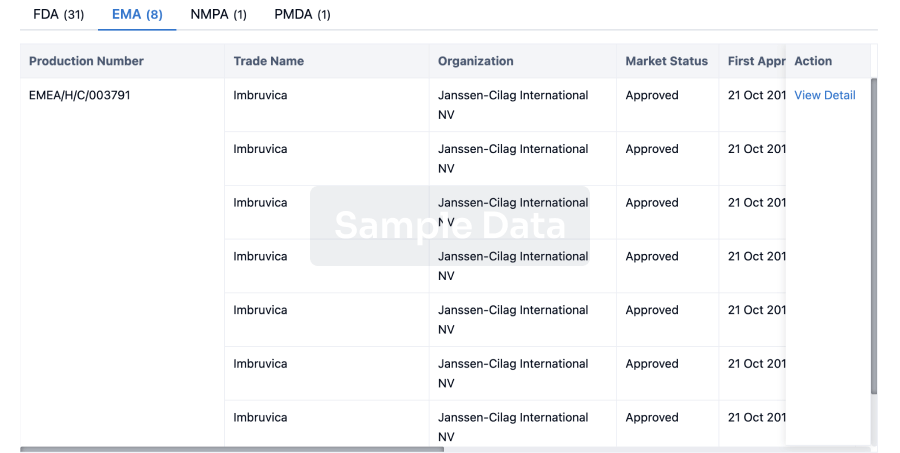
Approval
Accelerate your research with the latest regulatory approval information.
login
or
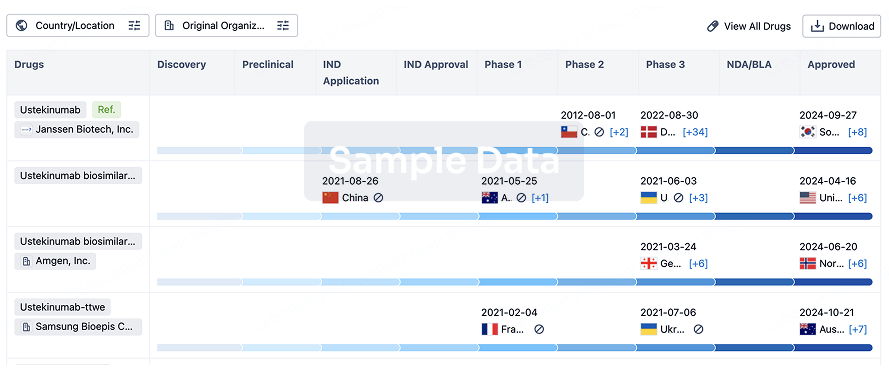
Biosimilar
Competitive landscape of biosimilars in different countries/locations. Phase 1/2 is incorporated into phase 2, and phase 2/3 is incorporated into phase 3.
login
or
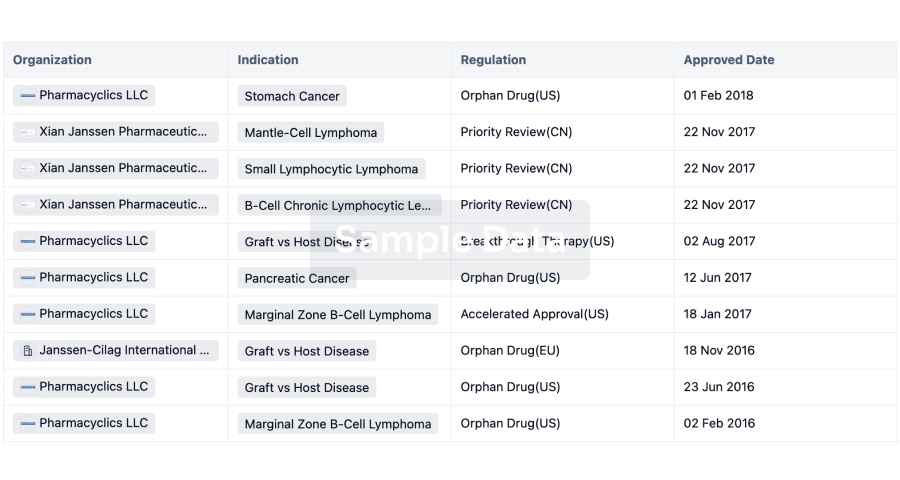
Regulation
Understand key drug designations in just a few clicks with Synapse.
login
or
Hiro LS Researcher
The AI Search Engine Built to Accelerate Biopharma Decisions
Search across billion-scale life sciences data to uncover signals, validate evidence, and act with confidence.
Ask any biopharma research question→
Get started for free today!
Accelerate Strategic R&D decision making with Synapse, Patsnap’s AI-powered Connected Innovation Intelligence Platform Built for Life Sciences Professionals.
Discover Synapse Data Servers
Synapse data is now integrated into the PatSnap LS Model Context Protocol (MCP) service. Customize your LLM agent now using our MCP server!
Bio
Bio Sequences Search & Analysis
Sign up for free
Chemical
Chemical Structures Search & Analysis
Sign up for free