Request Demo
Last update 13 Dec 2025
Tenofovir Disoproxil Aspartate
Last update 13 Dec 2025
Overview
Basic Info
Drug Type Small molecule drug |
Synonyms CKD-390 |
Target |
Action inhibitors |
Mechanism RT inhibitors(Viral reverse transcriptase inhibitors) |
Therapeutic Areas |
Active Indication- |
Inactive Indication |
Originator Organization |
Active Organization- |
Inactive Organization |
License Organization- |
Drug Highest PhasePendingPhase 3 |
First Approval Date- |
Regulation- |

Login to view timeline
Structure/Sequence
Molecular FormulaC23H37N6O14P |
InChIKeyCCIDLBRRXVNEDK-KJTVYDLOSA-N |
CAS Registry1571075-19-8 |
Related
2
Clinical Trials associated with Tenofovir Disoproxil AspartateNCT02805738
A Multicenter, Randomized, Double-blind, Parallel Design, Phase III Clinical Trial to Evaluate the Efficacy and Safety of CKD-390 Tablet and Viread® Tablet in Chronic Hepatitis B Patients
NCT02589457
A Randomized, Open-label, Single-dosing, 2x2 Crossover Study to Compare the Safety and Pharmacokinetics of CKD-390 Tablet (Tenofovir Disoproxil Aspartate) With Viread® Tablet (Tenofovir Disoproxil Fumarate) in Healthy Male Volunteers
100 Clinical Results associated with Tenofovir Disoproxil Aspartate
Login to view more data
100 Translational Medicine associated with Tenofovir Disoproxil Aspartate
Login to view more data
100 Patents (Medical) associated with Tenofovir Disoproxil Aspartate
Login to view more data
253
Literatures (Medical) associated with Tenofovir Disoproxil Aspartate01 Nov 2025SEXUALLY TRANSMITTED INFECTIONS
HIV incident infections during pre-exposure prophylaxis (PrEP) use in Wroclaw, Poland, 2017–2023: a real-life experience
Article
Author: Bozejko, Mateusz ; Urbanska, Anna ; Serwin, Karol ; Zinczuk, Aleksander ; Parczewski, Miłosz ; Szetela, Bartosz ; Gąsiorowski, Jacek ; Zielinska, Kamila ; Lapinski, Lukasz ; Szymczak, Aleksandra
Objectives:
The efficacy of pre-exposure prophylaxis (PrEP) relies on adherence to effective regimens. As data on real-life PrEP roll-out and efficacy from Central and Eastern Europe are scarce, we explored the HIV incident infections among PrEP users in an observational cohort in Poland.
Methods:
A cohort of 887 men having sex with men (MSM) on generic emtricitabine/tenofovir disoproxil (FTC/TDF) were followed for a cumulative 2587 person years (PY). HIV infection was confirmed using molecular and immunoassays, with subtype and genotyping performed at diagnosis. For phylogenetic analysis, we used 2087 HIV-1 A6 partial pol sequences from Poland as background.
Results:
Nine (1%) PrEP users acquired HIV during the follow-up period. The estimated HIV incidence was 0.347 per 100 PY, with a relative risk reduction of 90.9%. All users who acquired HIV were cisgender white MSM of European origin (median age: 35.5 years). The majority (eight out of nine) used PrEP on demand (ie, 2-1-1 schedule), with one using PrEP only before receptive and not insertive sexual contacts and seven skipping the double dose. Infections occurred due to inadequate PrEP dosing. In five (55.6%) and four (44.4%) users, subtypes B and A6 were acquired, respectively, with no drug resistance. Each of the four A6 sub-subtypes belonged to distinct clusters. Three of them had distinct regional origins within Poland and one in Ukraine. Users were started on tenofovir alafenamide/emtricitabine/bictegravir at a median of 10.5 days from diagnosis and reached undetectable viral load (<50 copies/mL) at a median of 63 days.
Conclusions:
Overall, FTC/TDF PrEP was very effective, with failures occurring due to suboptimal adherence to on-demand dosing. Effective communication of HIV-related risks and clear instructions on how to use on-demand PrEP without missing doses should be provided to PrEP users. Despite the lack of transmitted drug resistance, we noted a higher number of infections with the A6 subtype and independent lineage introductions.
01 Sep 2025SEXUALLY TRANSMITTED INFECTIONS
Real-world experience of renal outcomes and management of PrEP users with estimated glomerular filtration rates less than 60 mL/min/1.73 m2
Article
Author: Boffito, Marta ; Cole, Stephen ; McCormack, Sheena ; Jones, Rachael ; Goodfellow, Jonathan Joseph ; Tittle, Victoria ; Patel, Sheel ; Girometti, Nicolo
This retrospective service evaluation reviews practical measures for pre-exposure prophylaxis (PrEP) users with estimated glomerular filtration rate (eGFR) <60 mL/min/1.73 m2. Of 35 724 PrEP users, 361 had an eGFR <60 mL/min/1.73 m2, of whom 16% required non-tenofovir disoproxil/emtricitabine PrEP formulations. Majority of cases required simple and conservative management, with repeat sampling and/or stopping of the supplements and/or recreational drugs.
01 Sep 2025Journal of the International AIDS Society
Oral pre‐exposure prophylaxis initiation, continuation and adherence among pregnant and postpartum women receiving antenatal and postnatal care: a systematic review
Review
Author: Rotsaert, Anke ; Hensen, Bernadette ; Davey, Dvora Joseph ; Bosman, Shannon ; Essack, Zaynab
Abstract:
Introduction:
In 2023, one‐fourth of new HIV acquisitions in children globally resulted from vertical transmission following incident HIV during pregnancy or breastfeeding. Oral pre‐exposure prophylaxis (PrEP) with tenofovir disoproxil and emtricitabine is safe and effective in pregnancy and postpartum, with long‐acting options emerging. Integrating PrEP into antenatal and postnatal care (ANC/PNC) is a crucial person‐centred approach to prevent maternal HIV acquisition and vertical transmission. This review summarizes oral PrEP initiation, continuation and adherence among pregnant and postpartum women receiving ANC/PNC.
Methods:
We systematically searched three databases for English‐language quantitative studies published between 1 January 2015 and 28 March 2024. Eligible studies focused on pregnant and/or postpartum women accessing PrEP through ANC/PNC, and reported on initiation (receipt of prescription or self‐reported use), continuation (persistent use over time) and/or adherence (self‐reported and/or objective).
Results:
We identified 481 articles; 12 studies from Kenya, Lesotho, Malawi and South Africa met our inclusion criteria. Study heterogeneity (e.g. definitions used, population included, follow‐up time) precluded meta‐analysis. All studies enrolled pregnant women; three also enrolled postpartum women. Median gestational age at enrolment ranged from 20 to 26 weeks, and follow‐up periods from 1 month post‐enrolment to 12 months postpartum. Oral PrEP initiation ranged from 14% to 84%. Continuation at 3 months ranged from 22% to 90% and declined postpartum in all studies. Self‐reported adherence (daily use) ranged from 11% to 81% in the past 7 or 30 days at 1 month (four studies) and from 54% to 81% at 3 months (two studies). Objectively measured adherence ranged from 34% to 62% for detectable tenofovir or tenofovir diphosphate levels at 1 month (three studies). One Kenyan trial demonstrated that universal versus risk‐based offers of oral PrEP resulted in similar PrEP use and HIV incidence. Two‐way SMS communication (Kenya) and real‐time adherence biofeedback counselling using urine tenofovir testing (South Africa) enhanced PrEP continuation/adherence compared to standard‐of‐care.
Discussion:
Integrating oral PrEP into ANC/PNC showed high initiation among pregnant/postpartum women; however, continuation and adherence were suboptimal.
Conclusions:
Oral PrEP integration into ANC/PNC can reach pregnant/postpartum women. Maximizing its impact will require offering long‐acting PrEP, person‐centred interventions to support adherence/continued use and differentiated delivery responsive to women's needs.
PROSPERO Number:
CRD42024513442
100 Deals associated with Tenofovir Disoproxil Aspartate
Login to view more data
R&D Status
10 top R&D records. to view more data
Login
| Indication | Highest Phase | Country/Location | Organization | Date |
|---|---|---|---|---|
| Hepatitis B, Chronic | Phase 3 | United States | 01 Apr 2016 |
Login to view more data
Clinical Result
Clinical Result
Indication
Phase
Evaluation
View All Results
Login to view more data
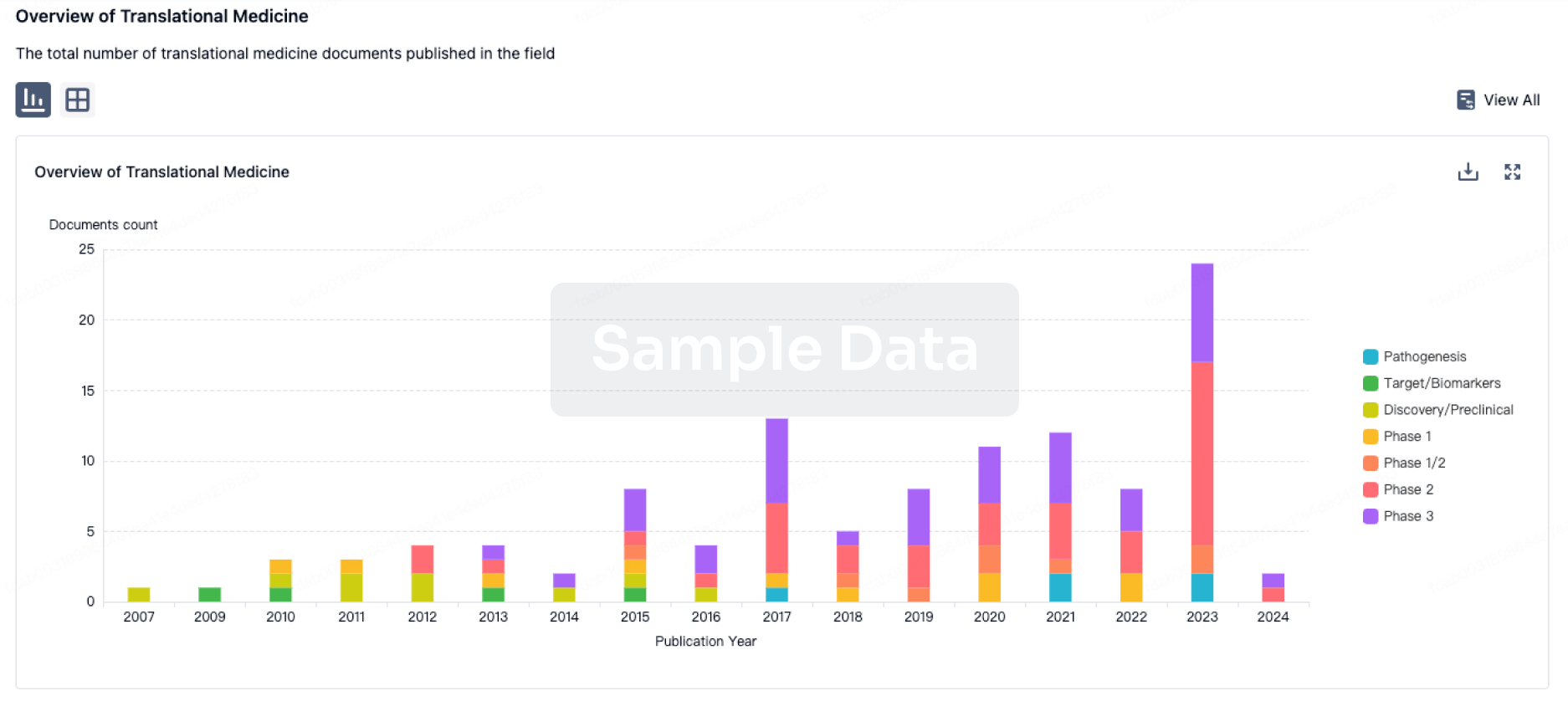
Translational Medicine
Boost your research with our translational medicine data.
login
or
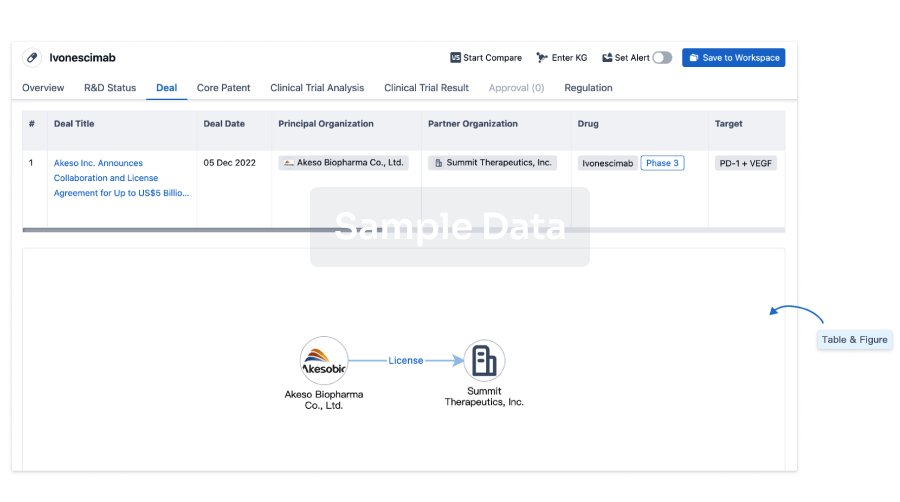
Deal
Boost your decision using our deal data.
login
or
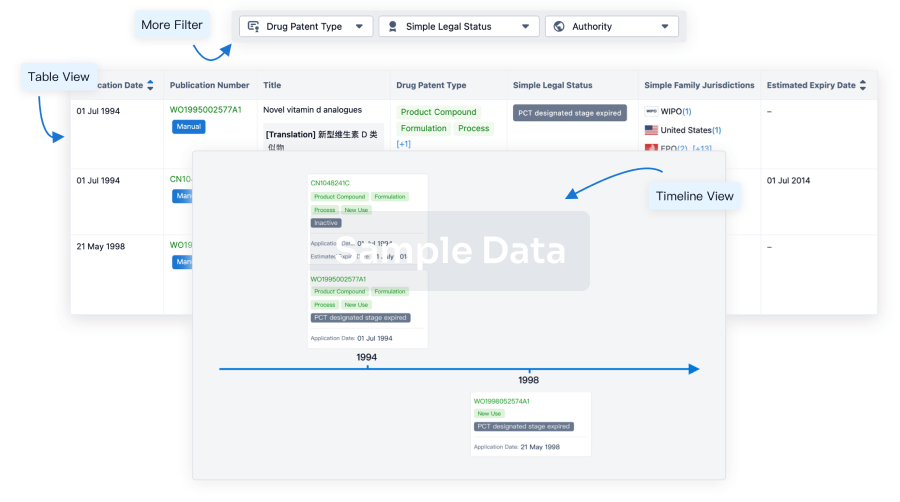
Core Patent
Boost your research with our Core Patent data.
login
or
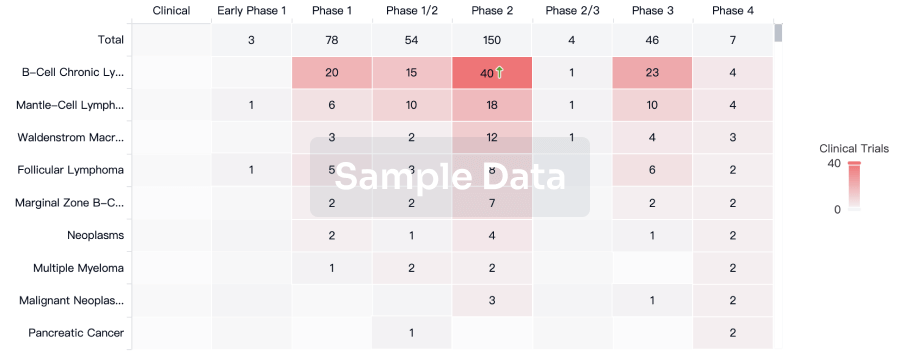
Clinical Trial
Identify the latest clinical trials across global registries.
login
or
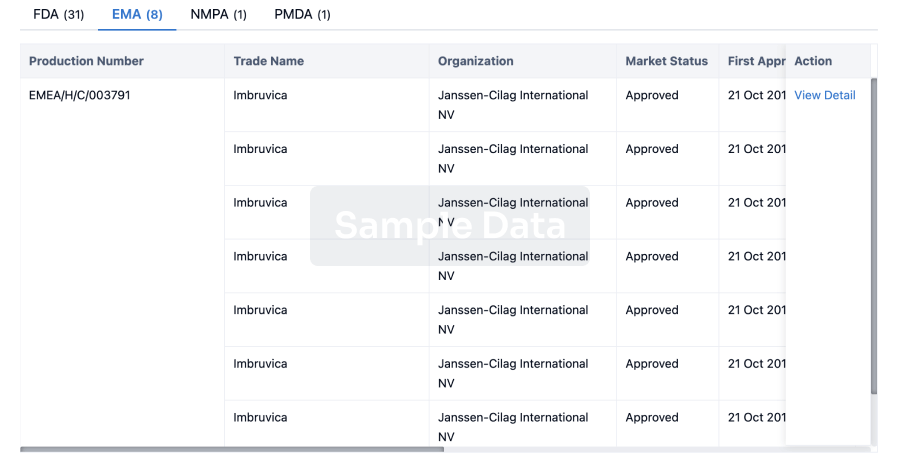
Approval
Accelerate your research with the latest regulatory approval information.
login
or
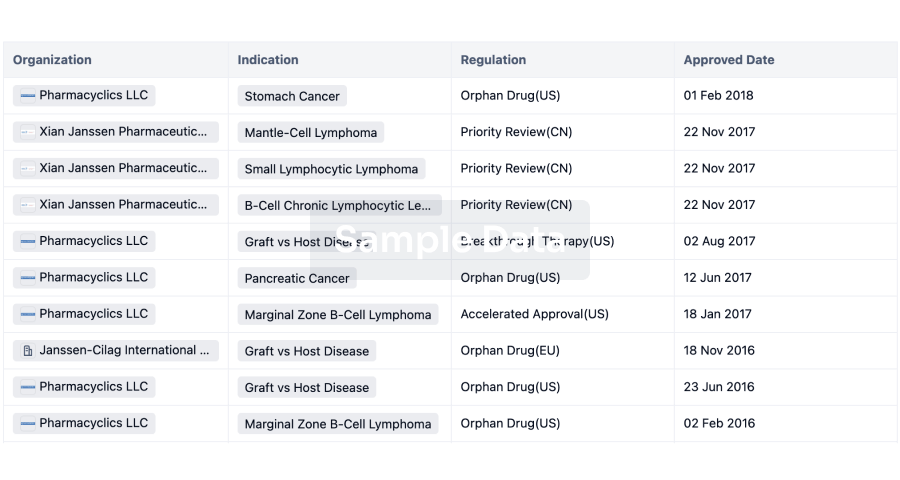
Regulation
Understand key drug designations in just a few clicks with Synapse.
login
or
AI Agents Built for Biopharma Breakthroughs
Accelerate discovery. Empower decisions. Transform outcomes.
Get started for free today!
Accelerate Strategic R&D decision making with Synapse, PatSnap’s AI-powered Connected Innovation Intelligence Platform Built for Life Sciences Professionals.
Start your data trial now!
Synapse data is also accessible to external entities via APIs or data packages. Empower better decisions with the latest in pharmaceutical intelligence.
Bio
Bio Sequences Search & Analysis
Sign up for free
Chemical
Chemical Structures Search & Analysis
Sign up for free