Request Demo
Last update 06 Dec 2025
STING inhibitors(Zhongmeihuadong Pharmaceutical)
Last update 06 Dec 2025
Overview
Basic Info
Drug Type Chemical drugs |
Synonyms- |
Target |
Action inhibitors |
Mechanism STING inhibitors(Stimulator of interferon genes inhibitors) |
Therapeutic Areas |
Active Indication |
Inactive Indication- |
Originator Organization |
Active Organization |
Inactive Organization- |
License Organization- |
Drug Highest PhasePreclinical |
First Approval Date- |
Regulation- |

Related
100 Clinical Results associated with STING inhibitors(Zhongmeihuadong Pharmaceutical)
Login to view more data
100 Translational Medicine associated with STING inhibitors(Zhongmeihuadong Pharmaceutical)
Login to view more data
100 Patents (Medical) associated with STING inhibitors(Zhongmeihuadong Pharmaceutical)
Login to view more data
30
Literatures (Medical) associated with STING inhibitors(Zhongmeihuadong Pharmaceutical)13 Aug 2025Neural Regeneration Research
cGAS-STING axis: A central regulator of neural homeostasis and neuroinflammatory pathogenesis.
Article
Author: Zhang, Jiajie ; Li, Yanan ; Qian, Yuxuan ; Chen, Qian ; Shi, Lei ; Liu, Chunxiao ; Zhang, Qi ; Li, Jiarui
An increasing amount of evidence shows that type I interferon response, which is induced by cyclic guanosine monophosphate-adenosine monophosphate synthase (cGAS) and stimulator of interferon genes (STING) is closely associated with health and neuroinflammatory diseases. Abnormal activation or loss of control of the cGAS-STING axis affects the development of neuroinflammation. Thus, we examined its role in major neurological diseases, including traumatic brain injury, Alzheimer's disease, Parkinson's disease, Huntington's disease, multiple sclerosis, herpes simplex encephalitis, and ataxia-telangiectasia. Additionally, targeted intervention of the cGAS-STING axis to control neuroinflammation and treat related diseases has become the focus of current clinical research. This article describes the development of cGAS inhibitors and small molecules that target the cGAS-STING axis and explores the potential applications of STING inhibitors and agonists in clinical research. In summary, the cGAS-STING axis may impact neurological diseases more than a single protein or gene. Future studies should focus on elucidating the functional dynamics and regulatory networks of this axis and delineating its crosstalk with other signaling cascades. These investigations will provide mechanistic insights for developing targeted therapeutic strategies for associated disorders and potentially facilitate drug repurposing across diverse disease contexts.
12 Jun 2025JOURNAL OF MEDICINAL CHEMISTRY
Design of Potent Small-Molecule Stimulator of Interferon Gene Inhibitor and Stimulator of Interferon Gene Mutant-Specific Degrader
Article
Author: Nesvizhskii, Alexey ; He, Miao ; Li, Qiuxia ; Tao, Jinsong ; Myatt, Hannah ; Sarkari, Farzad ; Wen, Bo ; Zhang, Luchen ; Wang, Meilin ; Zhao, Hong-Yi ; Basrur, Venkatesha ; Liu, Zhongwei ; Sun, Duxin
Stimulator of interferon genes (STING) is involved in various autoimmune diseases. However, it is challenging to develop small-molecule STING inhibitors with potent activity. Herein, we designed a small-molecule STING inhibitor and STING mutant-specific degrader by binding two coupled pockets of a STING dimer. Structure optimization selected SI-24, SI-42, and SI-43 with low nanomolar activity to inhibit 2'3'-cyclic GMP-AMP (cGAMP)-induced STING activation and release of IFN-β and CXCL-10, which were far more potent than reported STING inhibitors. Moreover, the three lead compounds suppressed cGAMP-induced oligomerization of STING and phosphorylation of interferon regulatory factor 3 (IRF3) and STING. Surprisingly, SI-43 promoted mutant-specific and proteasome-independent degradation of STINGS154 and STINGM155. Subcutaneous or oral administration of SI-24, SI-42, and SI-43 reduced serum IFN-β and CXCL-10 in the cGAMP-induced autoimmune disease mouse model. Our dual-functional compounds provide a new strategy to investigate STING function through both inhibition and mutant-specific degradation in autoimmune diseases.
01 Jun 2025EUROPEAN JOURNAL OF MEDICINAL CHEMISTRY
Design, synthesis, and activity evaluation of novel STING inhibitors based on C170 and H151
Article
Author: Li, Hongwei ; Yin, Ruijuan ; Jiang, Tao ; Qiu, Tingting ; Liu, Ruixue ; Xue, Liang ; Zhuang, Huiying ; Zhang, Lican
Stimulating the STING signaling pathway for immune system activation is considered a promising strategy for cancer treatment. However, activating the STING pathway can lead to adverse effects, as aberrant activation or specific mutations in STING may result in autoimmune and inflammatory diseases. Therefore, the development of STING inhibitors is equally important. In this study, we first introduced hydroxyl groups into the STING inhibitors C170 and H151, creating functional sites for further modification. Then the introduction of various substituents resulted in the identification of more potent inhibitors, Y2 and HY2, which effectively suppressed the activation of the STING pathway in THP1 and RAW264.7 cells. Compounds Y2 and HY2 demonstrated potent anti-inflammatory effects in mice cisplatin-induced acute kidney injury models by inhibiting the STING pathway. Collectively, Y2 and HY2 warrant further investigation as novel anti-inflammatory agents.
6
News (Medical) associated with STING inhibitors(Zhongmeihuadong Pharmaceutical)14 Mar 2024

AcquisitionImmunotherapy
13 Mar 2024
ImmunotherapyLicense out/inAcquisitionADC
13 Mar 2024
AcquisitionLicense out/inImmunotherapyClinical Study
100 Deals associated with STING inhibitors(Zhongmeihuadong Pharmaceutical)
Login to view more data
R&D Status
10 top R&D records. to view more data
Login
| Indication | Highest Phase | Country/Location | Organization | Date |
|---|---|---|---|---|
| Autoimmune Diseases | Preclinical | China | 21 Jun 2024 | |
| Neoplasms | Preclinical | China | 21 Jun 2024 | |
| Nervous System Diseases | Preclinical | China | 21 Jun 2024 |
Login to view more data
Clinical Result
Clinical Result
Indication
Phase
Evaluation
View All Results
Login to view more data
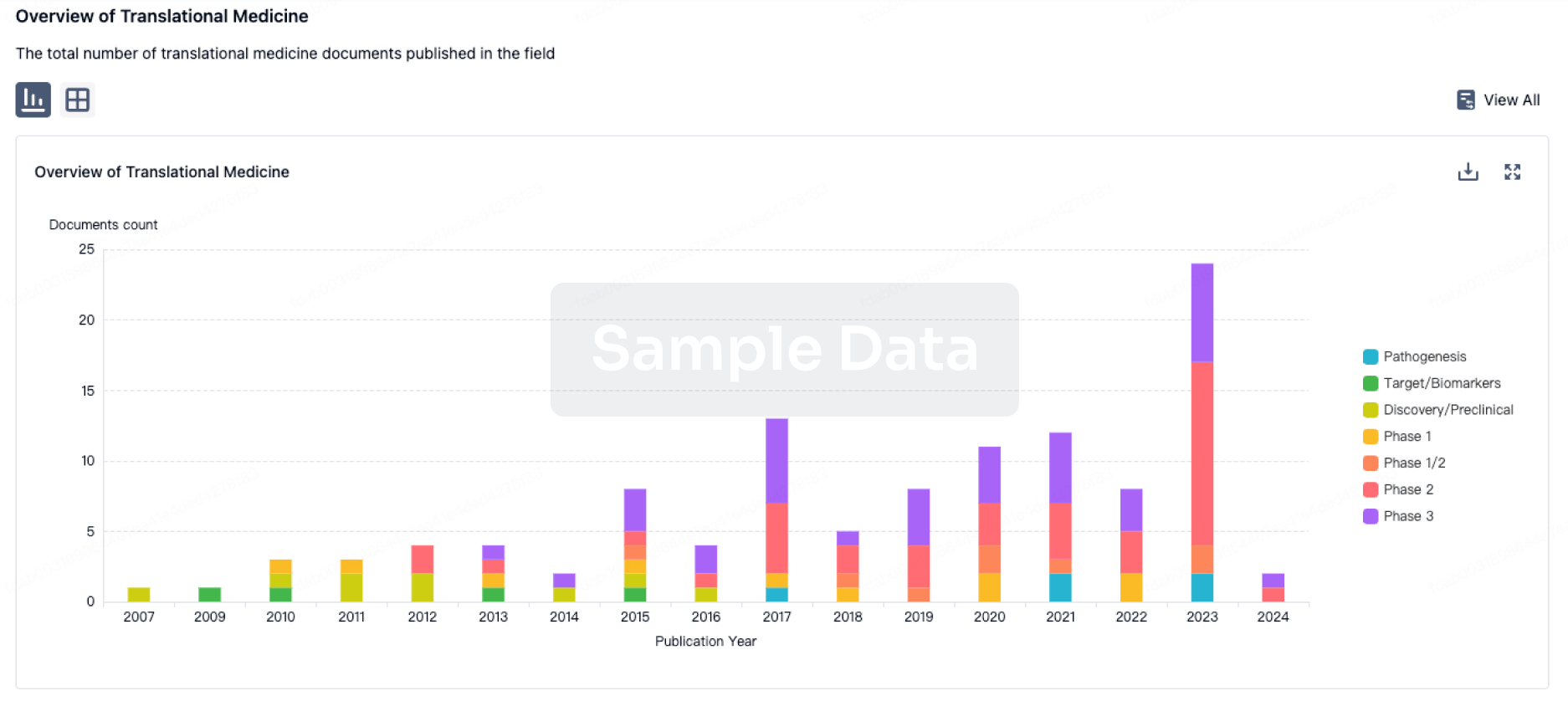
Translational Medicine
Boost your research with our translational medicine data.
login
or
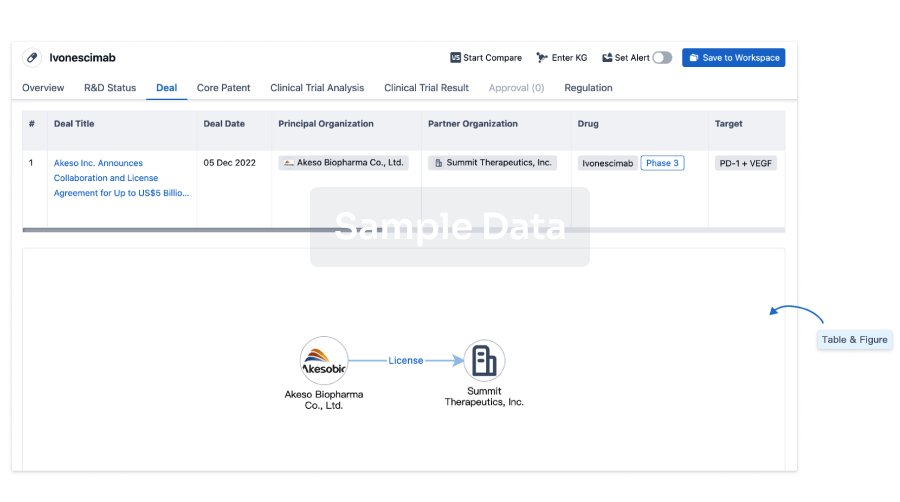
Deal
Boost your decision using our deal data.
login
or
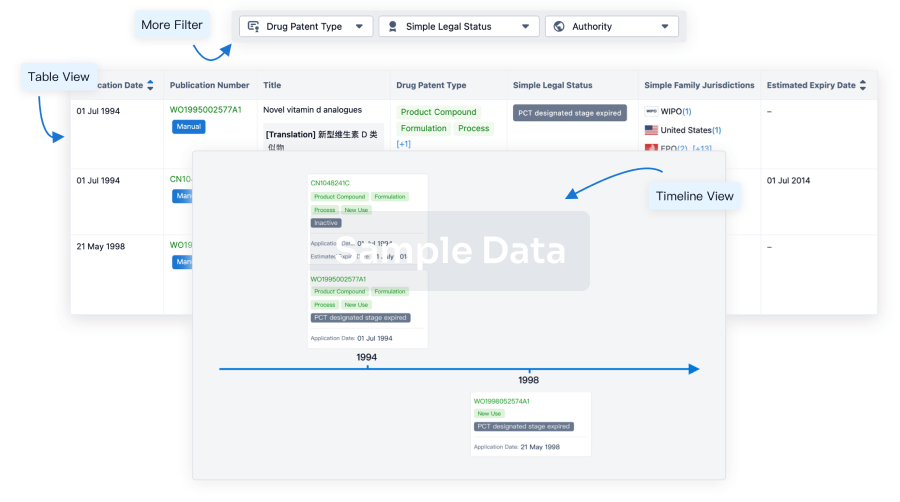
Core Patent
Boost your research with our Core Patent data.
login
or
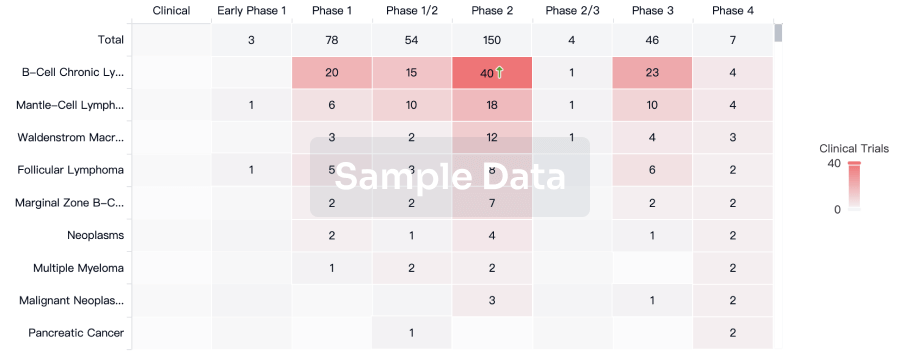
Clinical Trial
Identify the latest clinical trials across global registries.
login
or
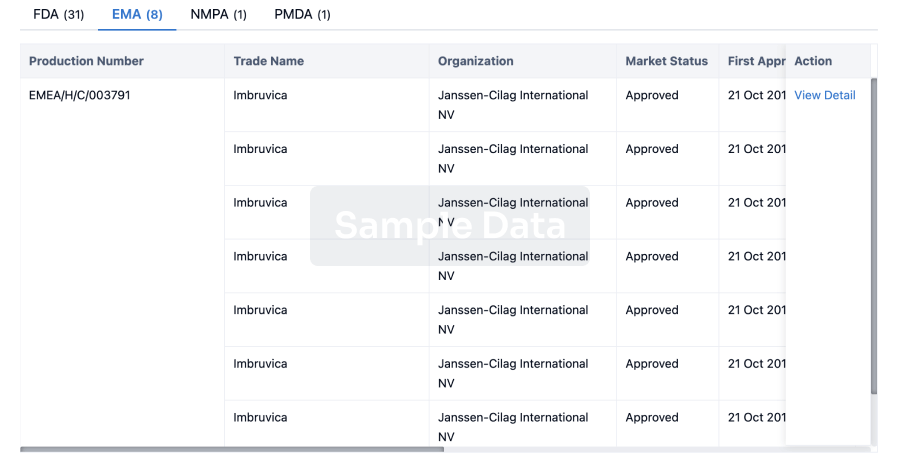
Approval
Accelerate your research with the latest regulatory approval information.
login
or
Regulation
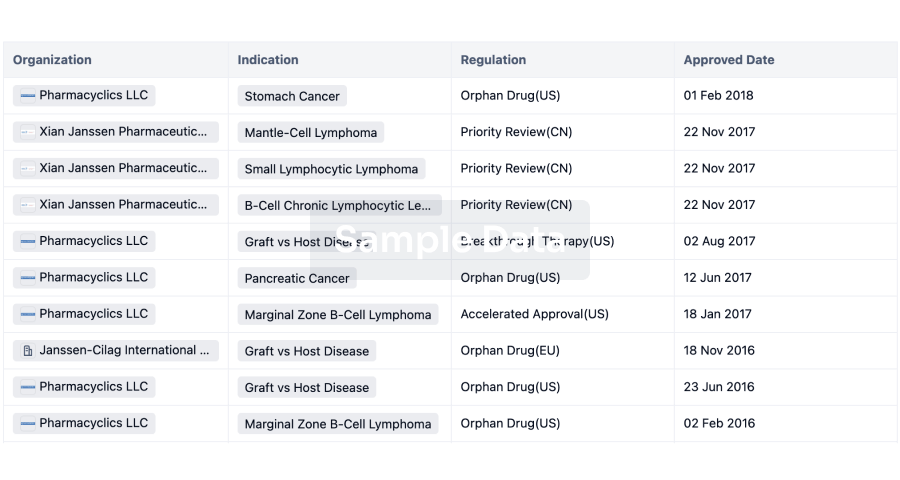
Understand key drug designations in just a few clicks with Synapse.
login
or
AI Agents Built for Biopharma Breakthroughs
Accelerate discovery. Empower decisions. Transform outcomes.
Get started for free today!
Accelerate Strategic R&D decision making with Synapse, PatSnap’s AI-powered Connected Innovation Intelligence Platform Built for Life Sciences Professionals.
Start your data trial now!
Synapse data is also accessible to external entities via APIs or data packages. Empower better decisions with the latest in pharmaceutical intelligence.
Bio
Bio Sequences Search & Analysis
Sign up for free
Chemical
Chemical Structures Search & Analysis
Sign up for free