Request Demo
Last update 05 Dec 2025
FOLR1-targeted CAR-T (Fred Hutchinson)
Last update 05 Dec 2025
Overview
Basic Info
Drug Type CAR-T |
Synonyms Anti-FOLR1 CAR-T Cells(Fred Hutchinson), FH-FOLR1 CAR T Cells(Fred Hutchinson), FH-FOLR1 ST CAR T Cells (Fred Hutchinson) |
Target |
Action modulators |
Mechanism FOLR1 modulators(Folate receptor alpha modulators) |
Therapeutic Areas |
Active Indication |
Inactive Indication- |
Originator Organization |
Active Organization |
Inactive Organization- |
License Organization- |
Drug Highest PhasePhase 1 |
First Approval Date- |
Regulation- |

Login to view timeline
Related
1
Clinical Trials associated with FOLR1-targeted CAR-T (Fred Hutchinson)NCT07227571
FIERCe: FOLR1 Immune Effector Cell Therapy Against Advanced Osteosarcoma
100 Clinical Results associated with FOLR1-targeted CAR-T (Fred Hutchinson)
Login to view more data
100 Translational Medicine associated with FOLR1-targeted CAR-T (Fred Hutchinson)
Login to view more data
100 Patents (Medical) associated with FOLR1-targeted CAR-T (Fred Hutchinson)
Login to view more data
1
Literatures (Medical) associated with FOLR1-targeted CAR-T (Fred Hutchinson)01 Sep 2025Cancer research communications
Preclinical Evaluation of Folate Receptor-α Chimeric Antigen Receptor T Cells Exhibits Highly Efficient Antitumor Activity against Osteosarcoma
Article
Author: Meshinchi, Soheil ; Lira, Isabel ; Loggers, Elizabeth T. ; Davis, Lara E. ; Hawkins, Grace ; Gorlick, Richard ; Malhotra, Sanjay V. ; Blankenfeld, Melia ; Menashe, Sarah ; Peplinski, Jack H. ; Ries, Rhonda E. ; Kirkey, Danielle ; McKay, Cyd N. ; Choe, Michelle ; Wrightson, Brianna ; Glabman, Raisa ; Root, Christina
Abstract:
Metastatic and relapsed osteosarcoma remains difficult to treat despite advanced surgical techniques, intensified chemotherapy, and targeted therapies. Adoptive immunotherapies such as chimeric antigen receptor (CAR) T cells are in their nascent stage but remain a viable therapeutic strategy for patients with aggressive solid tumors such as osteosarcoma. Folate receptor-α (FOLR1) has been functionally implicated in osteosarcoma pathophysiology, providing rationale as a potential therapeutic target. We recently advanced a FOLR1-specific CAR T-cell product (FH FOLR1-CART) into a trial in infant acute myeloid leukemia (NCT06609928) and now evaluate this CAR construct against osteosarcoma. We provide comprehensive FOLR1 transcript and protein expression profile in patients with osteosarcoma, cell lines, and patient-derived xenografts, substantiating its significance as a therapeutic target. We further evaluate the in vitro and in vivo efficacy of FH FOLR1-CART in both standard and patient-derived osteosarcoma cell lines and xenograft models. FOLR1 transcript is expressed in the overwhelming majority of osteosarcoma primary patient specimens, osteosarcoma cell lines, and patient-derived models. FH FOLR1-CART exhibits robust in vitro activation and potent cytotoxicity against FOLR1-expressing osteosarcoma cell lines and primary osteosarcoma patient samples. More importantly, FH FOLR1-CART demonstrates potent antitumor activity in both localized and metastatic in vivo cell-derived and patient-derived xenograft models, with complete tumor eradication. These results demonstrate a potential therapeutic option for patients with advanced osteosarcoma. FH FOLR1-CART is advancing to an early-phase trial in relapsed/refractory osteosarcoma at Fred Hutchinson Cancer Center and Seattle Children’s Hospital.
Significance::
FOLR1 expression has previously been implicated in the pathogenesis of treatment-resistant osteosarcoma. This report demonstrates FOLR1 expression by most osteosarcoma tumors and provides preclinical evidence of robust antitumor activity both in vitro and in vivo against xenograft osteosarcoma models exhibited by FH FOLR1-CART. These data support ongoing efforts for clinical translation of FH FOLR1-CART to an early-phase clinical trial for patients with aggressive osteosarcoma.
100 Deals associated with FOLR1-targeted CAR-T (Fred Hutchinson)
Login to view more data
R&D Status
10 top R&D records. to view more data
Login
| Indication | Highest Phase | Country/Location | Organization | Date |
|---|---|---|---|---|
| Osteosarcoma | Phase 1 | United States | 01 May 2026 | |
| Refractory acute myeloid leukemia | Phase 1 | United States | 24 Feb 2025 |
Login to view more data
Clinical Result
Clinical Result
Indication
Phase
Evaluation
View All Results
Login to view more data
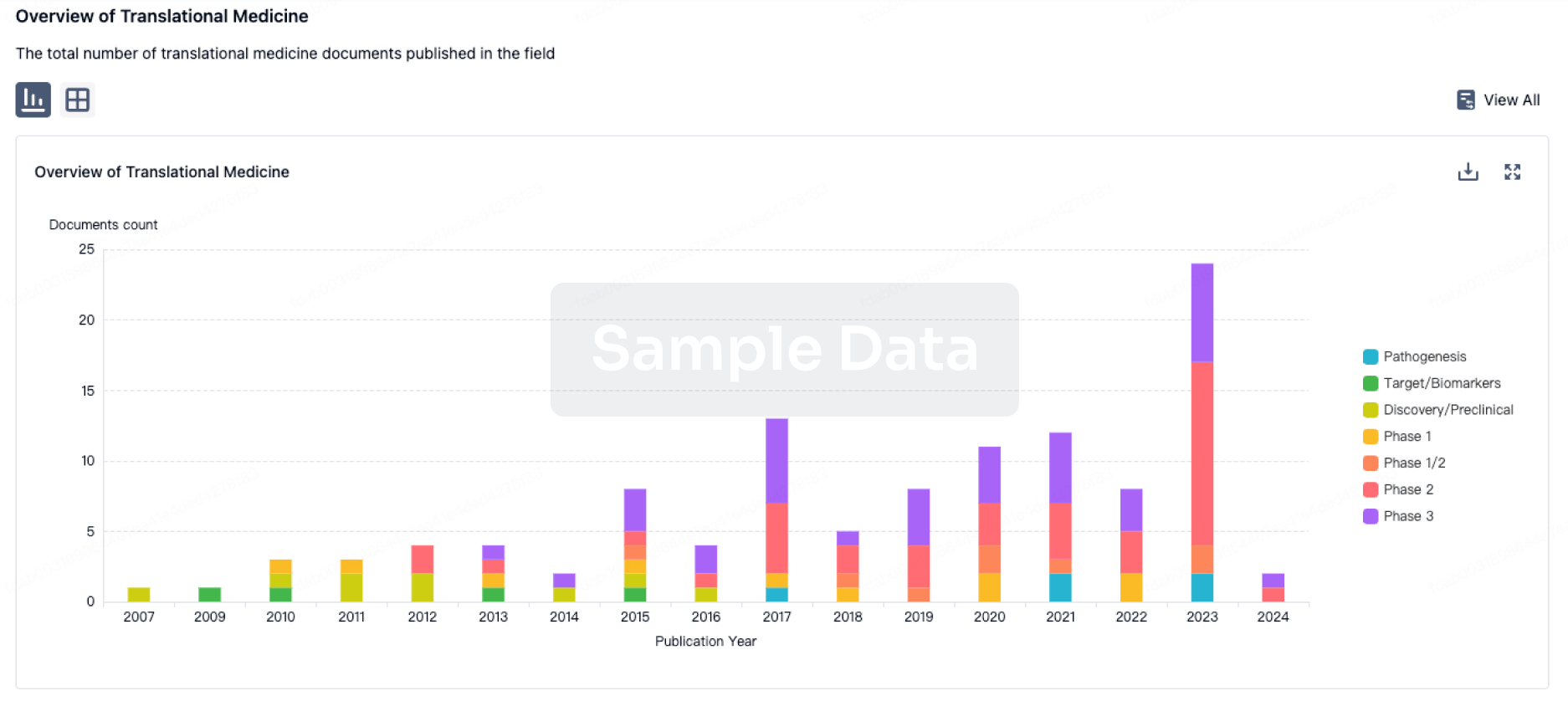
Translational Medicine
Boost your research with our translational medicine data.
login
or
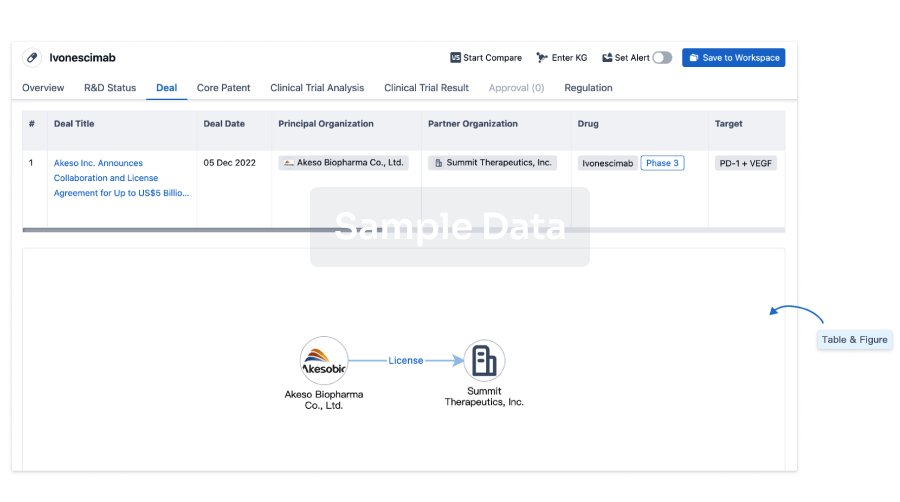
Deal
Boost your decision using our deal data.
login
or
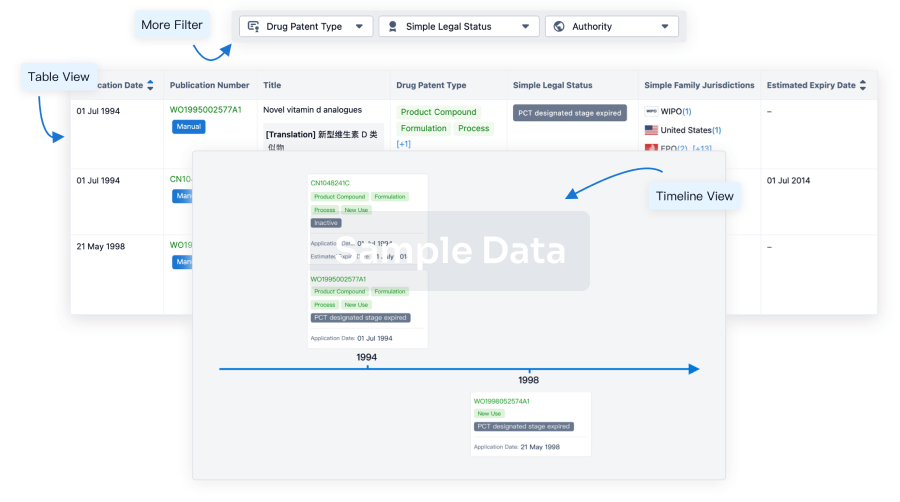
Core Patent
Boost your research with our Core Patent data.
login
or
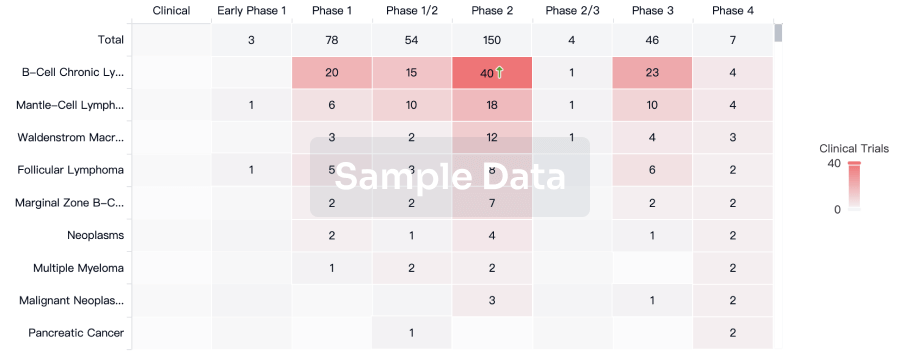
Clinical Trial
Identify the latest clinical trials across global registries.
login
or
Approval
Accelerate your research with the latest regulatory approval information.
login
or
Regulation
Understand key drug designations in just a few clicks with Synapse.
login
or
AI Agents Built for Biopharma Breakthroughs
Accelerate discovery. Empower decisions. Transform outcomes.
Get started for free today!
Accelerate Strategic R&D decision making with Synapse, PatSnap’s AI-powered Connected Innovation Intelligence Platform Built for Life Sciences Professionals.
Start your data trial now!
Synapse data is also accessible to external entities via APIs or data packages. Empower better decisions with the latest in pharmaceutical intelligence.
Bio
Bio Sequences Search & Analysis
Sign up for free
Chemical
Chemical Structures Search & Analysis
Sign up for free