Request Demo
Last update 08 Dec 2025
OZ-001
Last update 08 Dec 2025
Overview
Basic Info
Drug Type Small molecule drug |
Synonyms KCP10043F, OZ 001, OZ 001BC + [9] |
Action inhibitors, blockers |
Mechanism STAT3 inhibitors(Signal transducer and activator of transcription 3 inhibitors), T-type calcium channel blockers(Voltage-gated T-type calcium channel blockers) |
Therapeutic Areas |
Inactive Indication- |
Originator Organization |
Active Organization |
Inactive Organization- |
License Organization- |
Drug Highest PhasePreclinical |
First Approval Date- |
Regulation- |

Related
2
Clinical Trials associated with OZ-001ACTRN12625000312448
A Phase 1, Open-label. First-in Human Study to Examine the Safety, Tolerability, Pharmacokinetic Profile, and Preliminary Efficacy of OZ-001 when Administered Orally in Adults with Solid Tumours with a Focus on Triple Negative Breast Cancer (Phase 1b)
ACTRN12625000163404
A Phase 1, Open-label, First-in Human Study to Examine the Safety, Tolerability, Pharmacokinetic Profile, and Preliminary Efficacy of OZ-001 when Administered Orally in Adults with Solid Tumours with a Focus on Triple Negative Breast Cancer (Phase 1a)
100 Clinical Results associated with OZ-001
Login to view more data
100 Translational Medicine associated with OZ-001
Login to view more data
100 Patents (Medical) associated with OZ-001
Login to view more data
4
Literatures (Medical) associated with OZ-00101 Dec 2025LIFE SCIENCES
Anti-proliferative effects of novel T-type calcium channel blocker KCP10043F in human pancreatic cancer cells through Ca2+/CaMKII pathway via ER stress induction
Article
Author: Lee, Kyung-Tae ; Lee, Jae-Yeol ; Seo, Ko-Beom ; Hong, Jin-Won ; Kim, Gi-Hui ; Chung, Kyung-Sook ; Yun, Seung-Jun ; Lee, Jeong-Hun
Pancreatic cancer is among the most lethal cancer types with a 5-year survival rate of approximately 5 %. Although a T-type calcium channel blocker, 4-(4-fluorobenzylcarbamoylmethyl)-3-(4-cyclohexylphenyl)-2-[3-(N,N-dimethylureido)-N'-methylpropylamino]-3,4-dihydroquinazoline (KCP10043F, OZ-001), previously exhibited the anti-tumor effects in lung cancer, its anti-proliferative effects and the specific molecular mechanisms in pancreatic cancer remain unclear. This study was conducted to evaluate the anti-proliferative effects of KCP10043F on human pancreatic cancer cell lines, PANC-1 and MIA PaCa-2. 1) KCP10043F suppressed cell growth and colony formation, and promoted the G1 phase cell retention by downregulating G1 phase-related proteins; 2) KCP10043F triggered apoptotic cell death via the intrinsic pathway by upregulating BH3-only Bcl-2 family proteins; 3) At the molecular level, KCP10043F inhibited the AMP-activated protein kinase (AMPK)/mammalian target of rapamycin (mTOR)/p70 S6 kinase 1 (p70S6K) pathway and activated the c-Jun N-terminal kinase (JNK)/c-Jun pathway; 4) KCP10043F mediated the Ca2+/Calcium-calmodulin-dependent kinase II (CaMKII) pathway by inducing endoplasmic reticulum (ER) stress; 5) α-Tocopherol controlled KCP10043F-induced cell cycle arrest and apoptosis by attenuating ER stress. These results demonstrate the potential of KCP10043F as a therapeutic candidate for human pancreatic cancer.
01 Jul 2025Biomolecules & Therapeutics
OZ-001 Suppresses the Growth of Triple-Negative Breast Cancer and Pancreatic Cancer by Targeting STAT3 Phosphorylation and the Calcium Signaling Pathway
Article
Author: Yoo, Ho ; Kim, Jisun ; Kim, Hyun-Kyoung ; Ullah, Ahsan ; Yu, Young-Jin ; Lee, SunHye ; Chae, Han-Jung ; Kim, Eui Yun
Triple-negative breast cancer (TNBC) and pancreatic ductal adenocarcinoma (PDAC) are aggressive malignancies characterized by uncontrolled tumor growth, high recurrence rates, and resistance to chemotherapy. OZ-001 is a small molecule with a dual mechanism of action targeting T-type Ca2+ channels and inhibiting activation of the signal transducer and activator of transcription 3 (STAT3) protein. These properties suggest a potential use as a therapeutic agent for TNBC and PDAC, addressing the urgent need for effective treatments. This study evaluates the anticancer efficacy and underlying mechanism of action of OZ-001. The anticancer activities of OZ-001 were assessed in MDA-MB-231 cells (against TNBC) and MIA PaCa-2 cells (against PDAC) through analyses of cell viability, apoptosis, protein characterization, and cell cycles. Protein affinity and intracellular calcium measurements were conducted to investigate its effects on STAT3 and T-type calcium channels. Xenograft animal models were developed using MDA-MB-231 and MIA PaCa-2 cells to evaluate the in vivo anticancer effects of OZ-001. We found that OZ-001 induced caspase-dependent MDA-MB-231 and MIA PaCa-2 cells by modulating Bcl-2 family proteins. It suppressed STAT3 phosphorylation, reducing the expression of survivin, Bcl-2, and cyclin D1. Specifically, OZ-001 blocked T-type calcium channels, which reduced intracellular calcium levels and activated apoptotic pathways. In vivo, oral administration of OZ-001 significantly reduced tumor growth in both xenograft models, likely due to diminished STAT3 phosphorylation and associated tumorigenic processes. These findings demonstrate the potential of OZ-001 to serve as an effective therapeutic agent for treating TNBC and PDAC.
01 Oct 2021Biomedicine & pharmacotherapy = Biomedecine & pharmacotherapieQ2 · MEDICINE
Improved tumor-suppressive effect of OZ-001 combined with cisplatin mediated by mTOR/p70S6K and STAT3 inactivation in A549 human lung cancer cells
Q2 · MEDICINE
Article
Author: Lee, Hwi-Ho ; Ko, Dohyeong ; Lee, Jae Yeol ; Lee, Kyung-Tae ; Kang, Minji ; Ahn, JooHoon ; Yoo, Ho ; Chung, Kyung-Sook ; Lee, Jeong-Hun
We previously reported the anticancer activity of 4-(4-fluorobenzylcarbamoylmethyl)-3-(4-cyclohexylphenyl)-2-[3-(N,N-dimethylureido)-N'-methylpropylamino]-3,4-dihydroquinazoline (OZ-001), a T-type calcium channel (TTCC) blocker, against non-small cell lung cancer (NSCLC) in vitro and in vivo. Here, we evaluated the synergistic effect of OZ-001 and cisplatin on A549 human lung cancer cells and A549 xenograft mice. Our study demonstrated that treatment with OZ-001 and cisplatin sensitized A549 cells to cisplatin and significantly inhibited cell growth, increased the number of terminal deoxynucleotidyl transferase dUTP nick end labeling (TUNEL)-positive cells, and induced poly (ADP-ribose) polymerase (PARP) cleavage in A549 cells and an A549 xenograft tumor mouse model. Moreover, our findings showed that mechanistic target of rapamycin (mTOR), ribosomal protein S6 kinase (p70S6K), and signal transducer and activator of transcription (STAT3) inactivation was required for apoptosis induced by the combination of OZ-001 and cisplatin in in vitro and in vivo experiments. Our results suggest that combined treatment with OZ-001 and cisplatin could potentiate antiproliferative effects via suppression of the mTOR/p70S6K and STAT3 pathways and may be considered a potential therapeutic agent for NSCLC.
100 Deals associated with OZ-001
Login to view more data
R&D Status
10 top R&D records. to view more data
Login
| Indication | Highest Phase | Country/Location | Organization | Date |
|---|---|---|---|---|
| Non-Small Cell Lung Cancer | Preclinical | South Korea | 01 Mar 2025 | |
| Pancreatic Cancer | Preclinical | South Korea | 26 Jul 2023 | |
| Triple Negative Breast Cancer | Preclinical | South Korea | 26 Jul 2023 |
Login to view more data
Clinical Result
Clinical Result
Indication
Phase
Evaluation
View All Results
Login to view more data
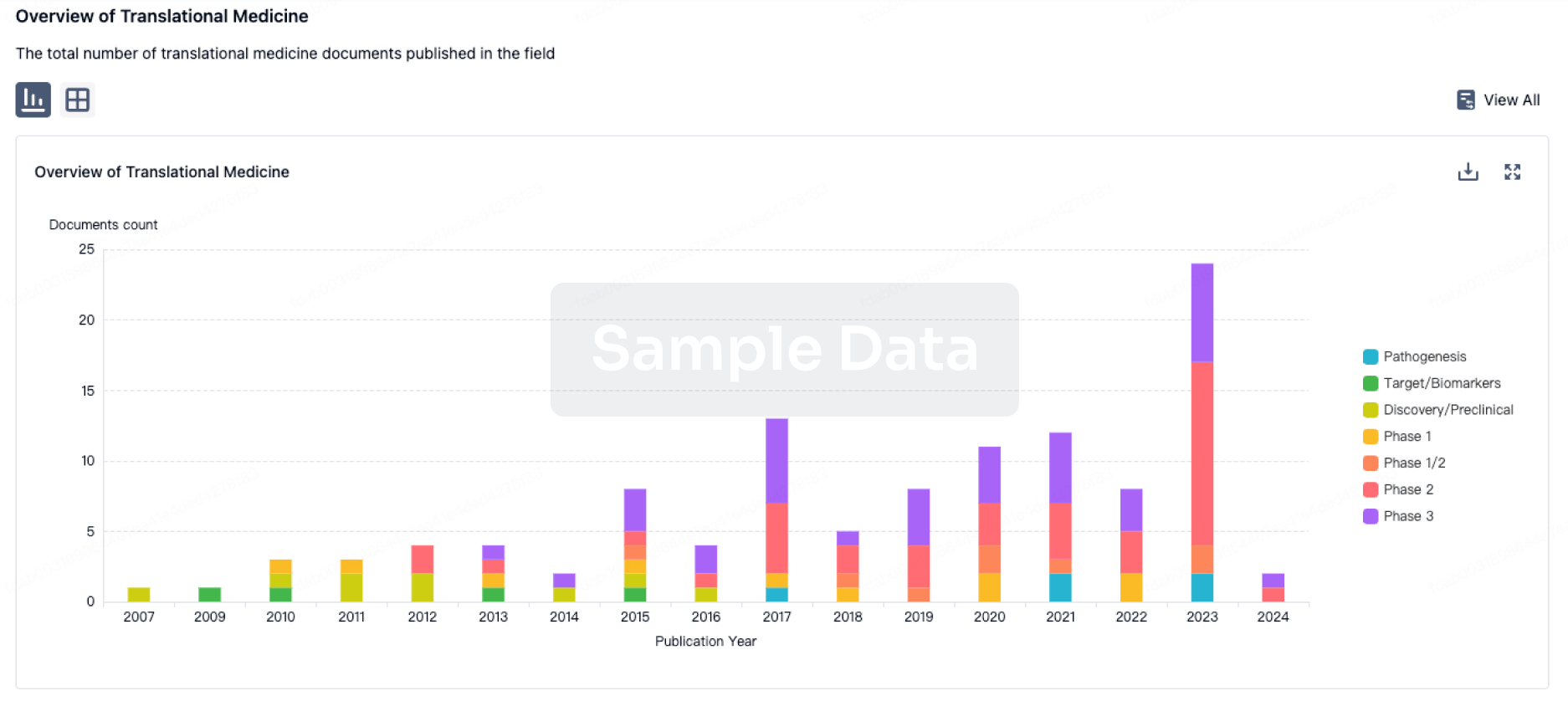
Translational Medicine
Boost your research with our translational medicine data.
login
or
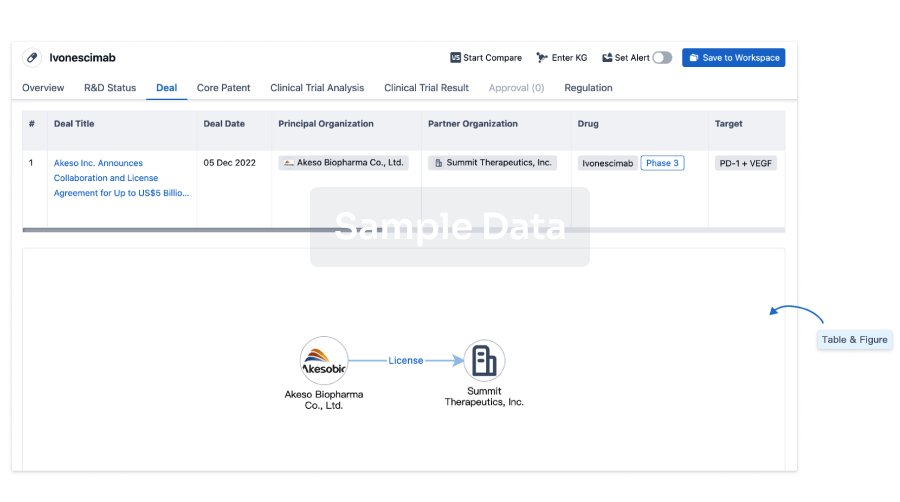
Deal
Boost your decision using our deal data.
login
or
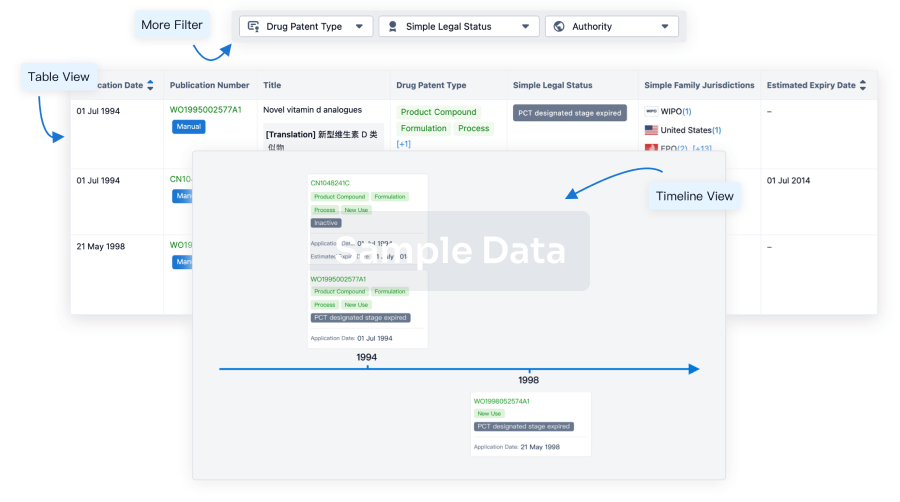
Core Patent
Boost your research with our Core Patent data.
login
or
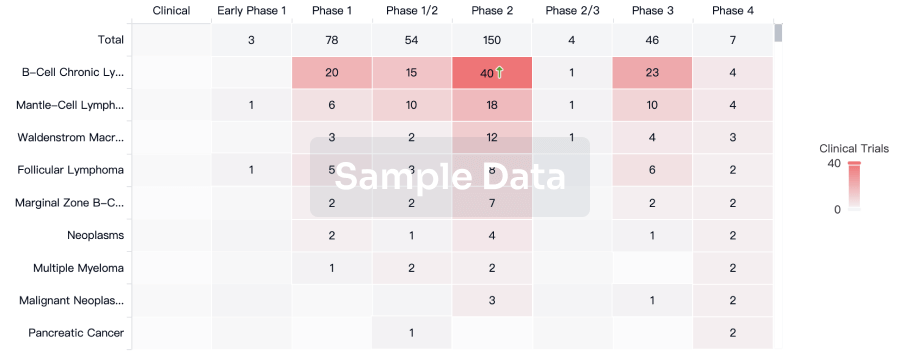
Clinical Trial
Identify the latest clinical trials across global registries.
login
or
Approval
Accelerate your research with the latest regulatory approval information.
login
or
Regulation
Understand key drug designations in just a few clicks with Synapse.
login
or
AI Agents Built for Biopharma Breakthroughs
Accelerate discovery. Empower decisions. Transform outcomes.
Get started for free today!
Accelerate Strategic R&D decision making with Synapse, PatSnap’s AI-powered Connected Innovation Intelligence Platform Built for Life Sciences Professionals.
Start your data trial now!
Synapse data is also accessible to external entities via APIs or data packages. Empower better decisions with the latest in pharmaceutical intelligence.
Bio
Bio Sequences Search & Analysis
Sign up for free
Chemical
Chemical Structures Search & Analysis
Sign up for free