Request Demo
Last update 18 Dec 2025
R78C
Last update 18 Dec 2025
Overview
Basic Info
Drug Type Prophylactic vaccine |
Synonyms R 78C, R-78C, R78C |
Target- |
Action stimulants |
Mechanism Immunostimulants |
Therapeutic Areas |
Active Indication |
Inactive Indication- |
Originator Organization |
Active Organization |
Inactive Organization- |
Drug Highest PhasePhase 2 |
First Approval Date- |
Regulation- |



Login to view timeline
Related
4
Clinical Trials associated with R78CNCT07183371
A Phase IIb Randomised Controlled Trial of the Safety, Immunogenicity and Efficacy of the Malaria Vaccine Candidates R78C With Matrix-M™, and the Combination of RH5.1 and R21 With Matrix-M™, in Children Aged 5-36 Months in Burkina Faso
NCT06958198
A Phase Ib Age De-escalation, Open Label Study of the Safety and Immunogenicity of the Multi-stage Malaria Vaccine Candidate R21 + RH5.1 + R78C in Matrix-M™ in Adults Aged 18-35 Years and Children Aged 5-17 Months in Burkina Faso
NCT05385471
A Phase Ia Clinical Trial to Assess the Safety and Immunogenicity of the Blood-stage Malaria Candidate Vaccines RH5.1 in Matrix-M and R78C in Matrix-M, Both Alone and in Combination, in Healthy UK Adults
100 Clinical Results associated with R78C
Login to view more data
100 Translational Medicine associated with R78C
Login to view more data
100 Patents (Medical) associated with R78C
Login to view more data
634
Literatures (Medical) associated with R78C03 Dec 2025AMERICAN JOURNAL OF TROPICAL MEDICINE AND HYGIENE
IgM, IgG, and IgG Subclass Antibody Responses to Plasmodium falciparum Proteins in Naïve, Malaria-Vaccinated and Semi-Immune Volunteers after Controlled Human Malaria Infection
Article
Author: Billingsley, Peter F. ; Vidal, Marta ; Dutta, Sheetij ; Kremsner, Peter G. ; Gómez-Pérez, Gloria P. ; Dobaño, Carlota ; Campo, Joseph J. ; Hoffman, Stephen L. ; Vázquez-Santiago, Miquel ; Ruiz-Olalla, Gemma ; Sanz, Héctor ; Lell, Bertrand ; Jimenez, Alfons ; James, Eric R. ; Moncunill, Gemma ; Chitnis, Chetan ; Chauhan, Virander ; Sim, B. Kim Lee ; Angov, Evelina ; Ayestaran, Aintzane ; Mordmüller, Benjamin
ABSTRACT.:
The immune response to malaria vaccines is generally stronger in malaria-naive individuals than in those with lifelong exposure. The immunological basis for this is unclear. IgM, total IgG, and IgG subclass (IgG1, IgG2, IgG3, and IgG4) antibody responses against 21 pre-erythrocytic and erythrocytic
Plasmodium falciparum
proteins before and after controlled human malaria infection (CHMI) via the direct venous inoculation of 3,200
P. falciparum
sporozoites (PfSPZ) were compared in three groups of volunteers: 1) malaria-naïve (
n
= 22); 2) malaria-naïve immunized with a PfSPZ chemoattenuated vaccine (PfSPZ-CVac) (
n
= 27); and 3) lifelong malaria-exposed individuals from Africa (
n
= 20), including those with normal hemoglobin (
n
= 11) or sickle cell trait (
n
= 9). Before and after CHMI, PfSPZ-CVac-immunized individuals exhibited higher levels of IgM and IgG to CSP and SSP-2/TRAP than the other two groups. Malaria-experienced Africans exhibited more intense and broader antibody responses to blood-stage (BS) antigens than naïve and vaccinated individuals, longer pre-patent periods (PPPs), and fewer symptoms. Among confirmed malaria cases, cytophilic IgG1 and IgG3 antibodies to BS antigens were positively associated with longer PPPs, whereas IgG2, IgG4, and IgM were not. IgG2 and IgG4 (noncytophilic)
P. falciparum
-specific antibodies were higher in the semi-immune group, including elevated anti-CSP IgG4 (regulatory) levels. The IgM response in African volunteers post-CHMI was stronger than that in malaria-naïve and vaccinated individuals and had the hallmark of a secondary memory response. Cytophilic immunoglobulins controlled parasitaemia better than noncytophilic immunoglobulins. However, elevation of the latter in lifelong malaria-exposed individuals could be associated with regulatory responses and hamper vaccine efficacy.
01 Sep 2025JOURNAL OF EXPERIMENTAL MEDICINE
Epitope and HLA specificity of human TCRs against Plasmodium falciparum circumsporozoite protein
Article
Author: Robben, Paul M. ; Wardemann, Hedda ; van Dijk, Hannah ; Dutta, Sheetij ; Wahl, Ilka ; Kraker, Sara
Plasmodium falciparum malaria remains a significant global health challenge. Current vaccines elicit antibody responses against circumsporozoite protein (PfCSP) that prevent the infection of hepatocytes but offer only moderate protection. Cellular immunity has emerged as a critical component of preerythrocytic protection that might be leveraged to develop improved PfCSP vaccines. Here, we characterized the clonality, molecular features, epitope specificity, and HLA restrictions of the human PfCSP-specific CD4+ and CD8+ T cell response to vaccination with an adjuvanted PfCSP vaccine, FMP013/ALFQ. Using TCR expression cloning, we identified novel conserved CD4+ T cell epitopes in the PfCSP N terminus and showed that the C-terminal CS.T3 epitope was targeted by CD4+ and rare CD8+ T cells, which recognized this epitope co-receptor independently presented on a class II HLA. Our findings provide insights into the utility of these epitopes as targets for strain-transcending immunity compared with the immunodominant but highly polymorphic epitopes in the PfCSP C terminus, offering guidance for the design of improved malaria vaccines.
01 Sep 2025LANCET INFECTIOUS DISEASES
Safety, tolerability, and protective efficacy of a radiation-attenuated, whole sporozoite malaria vaccine in children in Gabon: a randomised, double-blind, placebo-controlled, phase 2 trial
Article
Author: Agnandji, Selidji T ; Hoffman, Stephen L ; Lalremruata, Albert ; McCall, Matthew B B ; Kremsner, Peter G ; Richie, Thomas L ; Preston Church, L W ; Sim, B Kim Lee ; Bok, Jeroen ; Bie, Juste ; Alabi, Ayodele ; Mbouna, Armel ; Mordmüller, Benjamin ; Kabwende, Anita L ; Moukiti, Eleonne ; Esen, Meral ; Kc, Natasha ; Kreidenweiss, Andrea
BACKGROUND:
Highly effective malaria vaccines are crucial to further reduce the burden of malaria. The radiation-attenuated Plasmodium falciparum sporozoite (PfSPZ) Vaccine protects adults; however, there are insufficient efficacy data in child populations. We aimed to assess the safety and efficacy of the PfSPZ Vaccine in children aged 1-12 years in Gabon.
METHODS:
This randomised, double-blind, placebo-controlled, phase 2 trial was conducted at the Centre de Recherches Médicales de Lambaréné, Lambaréné, Gabon. Healthy children were stratified by age (1-2, 3-6, and 7-12 years) and allocated 2:1 by block randomisation to receive 9·0 × 105 PfSPZ Vaccine or placebo (normal saline), administered by direct venous inoculation on days 1, 8, and 29. Artemether-lumefantrine was given before the third vaccination to clear latent parasitaemia. The co-primary endpoints were safety, evaluated in the intention-to-treat population by severe adverse events within 7 days (solicited) and 28 days (unsolicited) of vaccination and by serious adverse events; and vaccine efficacy, measured as time to first P falciparum-positive thick blood smear (TBS), 2-26 weeks after immunisation in those who received three vaccinations (ie, the modified intention-to-treat population). The trial was registered at ClinicalTrials.gov, NCT03521973, and is complete.
FINDINGS:
Between June 21, 2018, and April 30, 2019, 345 children were assessed for eligibility, of whom 200 were enrolled to the study: 134 were allocated to receive PfSPZ Vaccine and 66 to receive placebo. 192 participants received three vaccinations and comprised the modified intention-to-treat population. Systemic adverse events were reported by 33 (25%) of 134 participants in the vaccine group (47 events) and 15 (23%) of 66 participants in the placebo group (25 events); subjective fever was the most reported event in both groups. Three grade 3 systemic adverse events were reported (two cases of elevated body temperature and one case of subjective fever), all in the placebo group. 32 serious adverse events were reported across 22 study participants, 13 (10%) of 134 in the vaccine group and nine (14%) of 66 in the placebo group, all of which were considered unrelated to the intervention. There were no treatment-related deaths. 25 (19%) of 129 vaccine recipients and 14 (23%) of 63 placebo recipients became TBS-positive for P falciparum at 2-26 weeks after vaccination. The age-stratum-adjusted vaccine efficacy (1 - hazard ratio) was 9% (95% CI -75 to 53; p=0·78).
INTERPRETATION:
PfSPZ Vaccine is well tolerated and safe, but it did not prevent P falciparum infection in children in Gabon. Whether presumptive treatment during immunisation or more potent PfSPZ vaccines can establish vaccine efficacy is currently under investigation.
FUNDING:
German Center for Infection Research, European and Developing Countries Clinical Trials Partnership, National Institute of Allergy and Infectious Diseases, National Institutes of Health, and Sanaria.
1
News (Medical) associated with R78C10 Jun 2025
VaccineAcquisitionDrug ApprovalClinical Study
100 Deals associated with R78C
Login to view more data
R&D Status
10 top R&D records. to view more data
Login
| Indication | Highest Phase | Country/Location | Organization | Date |
|---|---|---|---|---|
| Malaria, Falciparum | Phase 2 | Burkina Faso | 01 Dec 2025 |
Login to view more data
Clinical Result
Clinical Result
Indication
Phase
Evaluation
View All Results
Login to view more data
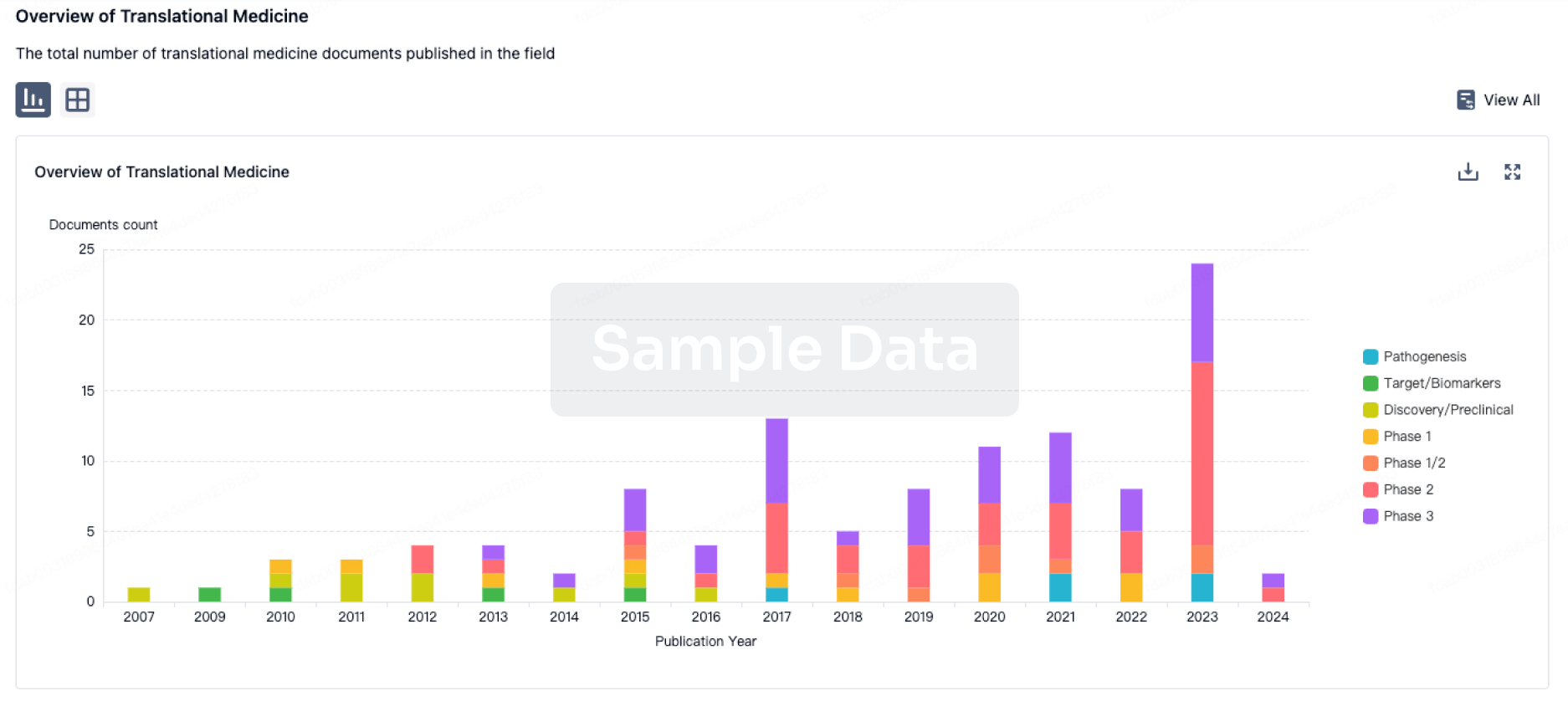
Translational Medicine
Boost your research with our translational medicine data.
login
or
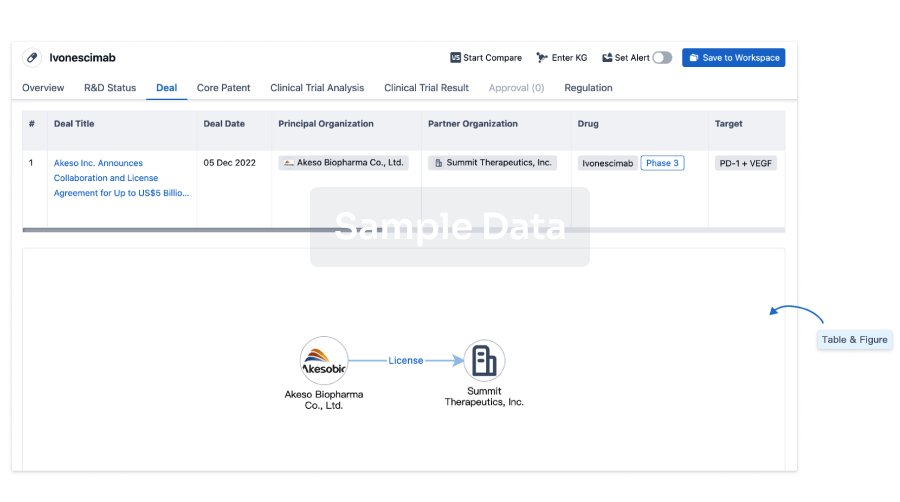
Deal
Boost your decision using our deal data.
login
or
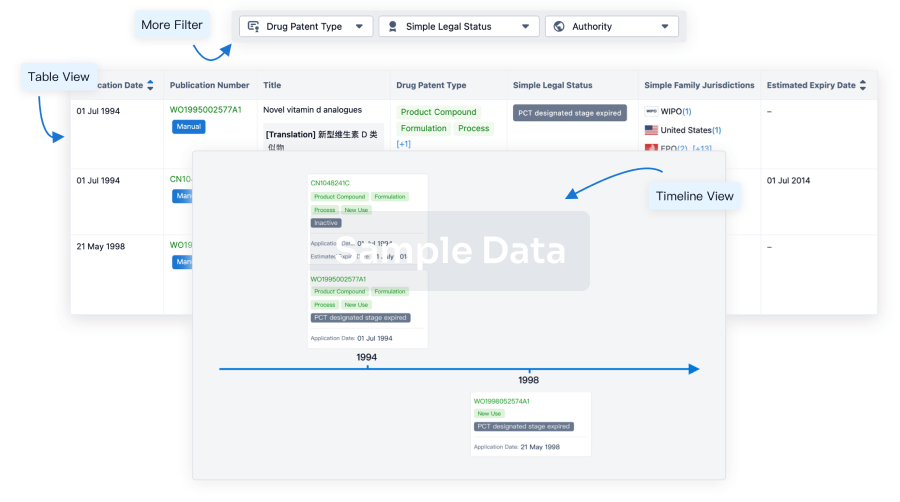
Core Patent
Boost your research with our Core Patent data.
login
or
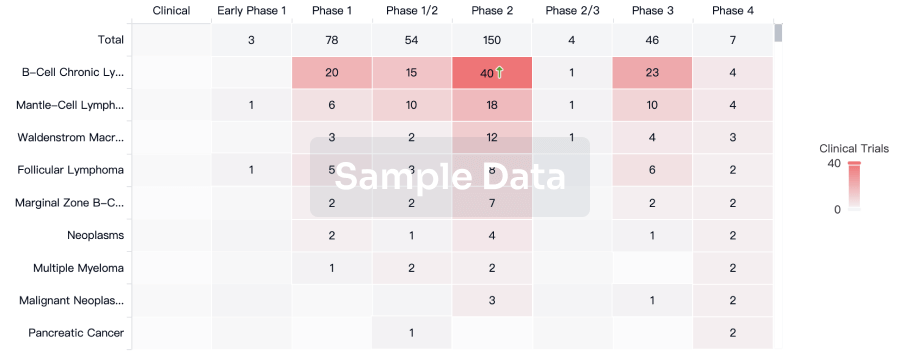
Clinical Trial
Identify the latest clinical trials across global registries.
login
or
Approval
Accelerate your research with the latest regulatory approval information.
login
or
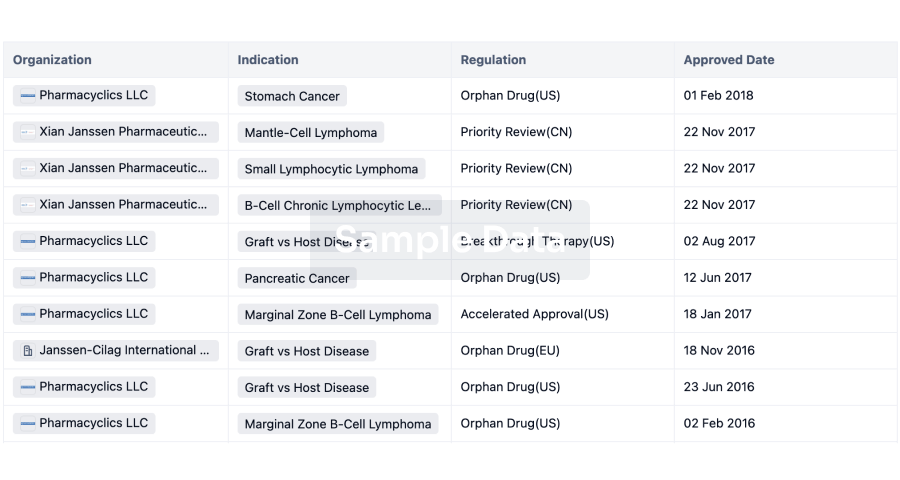
Regulation
Understand key drug designations in just a few clicks with Synapse.
login
or
AI Agents Built for Biopharma Breakthroughs
Accelerate discovery. Empower decisions. Transform outcomes.
Get started for free today!
Accelerate Strategic R&D decision making with Synapse, PatSnap’s AI-powered Connected Innovation Intelligence Platform Built for Life Sciences Professionals.
Start your data trial now!
Synapse data is also accessible to external entities via APIs or data packages. Empower better decisions with the latest in pharmaceutical intelligence.
Bio
Bio Sequences Search & Analysis
Sign up for free
Chemical
Chemical Structures Search & Analysis
Sign up for free