Request Demo
Last update 05 Dec 2025
BT-007 CAR-T cells(Beijing Bioceltech)
Last update 05 Dec 2025
Overview
Basic Info
Drug Type Universal CAR-T |
Synonyms BT-007 |
Target |
Action inhibitors |
Mechanism CD7 inhibitors(T-cell antigen CD7 inhibitors), T lymphocyte replacements |
Therapeutic Areas |
Active Indication- |
Inactive Indication |
Originator Organization |
Active Organization- |
Inactive Organization |
License Organization- |
Drug Highest PhasePendingPhase 1 |
First Approval Date- |
Regulation- |

Login to view timeline
Related
1
Clinical Trials associated with BT-007 CAR-T cells(Beijing Bioceltech)NCT05554575
Safety and Efficacy of BT-007 CAR-T Cells in the Treatment of Patients With Relapsed/Refractory T Cell Lymphoblastic Lymphoma (R/R T-LBL)
100 Clinical Results associated with BT-007 CAR-T cells(Beijing Bioceltech)
Login to view more data
100 Translational Medicine associated with BT-007 CAR-T cells(Beijing Bioceltech)
Login to view more data
100 Patents (Medical) associated with BT-007 CAR-T cells(Beijing Bioceltech)
Login to view more data
4
Literatures (Medical) associated with BT-007 CAR-T cells(Beijing Bioceltech)01 Jan 2026JOURNAL OF ETHNOPHARMACOLOGY
Traditional Mongolian medicine Batri-7 exhibits chemopreventive activity in colitis-associated colorectal cancer through microbiota modulation and NLRP3 inflammasome targeting
Article
Author: Wei, Ying ; Du, Shengyao ; Zhang, Jie ; Sun, Jiaxin ; Li, Xian ; Hou, Mingxing ; Feng, Xuemin ; Liu, Gang ; Wang, Jia ; Wang, Xianjue ; Shi, Jialin ; Sun, Xuemeng ; Su, Liya
ETHNOPHARMACOLOGICAL RELEVANCE:
Batri-7 (BT-7) is a compound herbal remedy rooted in traditional Mongolian medicine (TMM), composed of seven medicinal plants. Historically, it has been prescribed to treat various gastrointestinal conditions, including chronic enteritis and ulcerative colitis. However, despite this long-standing use in managing inflammatory disorders of the gut, the preventive effects of BT-7 on colitis-associated colorectal cancer (CAC), as well as its underlying molecular mechanisms, remains incompletely elucidated.
AIM OF THE STUDY:
This study aimed to assess the therapeutic efficacy of BT-7 in an AOM/DSS-induced murine model of CAC, while also investigating its modulatory effects on systemic inflammation, intestinal barrier function, gut microbiota dynamics, and inflammation-related molecular signaling pathways.
MATERIALS AND METHODS:
A chemically induced CAC model was established in C57BL/6 mice using azoxymethane (AOM) and dextran sodium sulfate (DSS). BT-7 was then administered orally at three dosage levels, and therapeutic outcomes were evaluated through a range of methods:clinical scoring, serum biochemical analysis, histological analysis, immunohistochemistry, and gut microbial profiling via 16S rRNA sequencing. To explore the underlying mechanistic pathways, with a particular focus on inflammasome regulation, transcriptome sequencing, quantitative PCR, and Western blotting were employed.
RESULTS:
BT-7 treatment was well-tolerated, with no evidence of liver or kidney toxicity. Mice receiving BT-7 exhibited improved body weight maintenance, lower disease activity scores, and preserved colon length. Histologically, there was substantial restoration of mucosal architecture and reduced epithelial hyperplasia, alongside significant suppression of tumor formation. Systemically, BT-7 reduced levels of key pro-inflammatory cytokines (IL-1β, IL-6, TNF-α, and KC/GRO) and enhanced intestinal barrier integrity, as evidenced by the elevation of Occludin and ZO-1. Additionally, BT-7 decreased the abundance of pro-inflammatory taxa, such as Bacteroidota, and enriched beneficial genera like Lactobacillus and Dubosiella. The increased relative abundance of Lactobacillus_johnsonii and decreased Lactobacillus _murinus highlighted the probiotic effects of BT-7. Functional pathway prediction revealed that BT-7's microbiota was enriched in pathways related to carbohydrate and amino acid metabolism, as well as digestive system and immune-related functions. Transcriptomic analysis revealed downregulation of inflammatory signaling, particularly within the NOD-like receptor pathway, with reduced NLRP3 expression at both mRNA and protein levels confirming this effect.
CONCLUSIONS:
This work demonstrates that BT-7 exerts protective effects against CAC by suppressing inflammation, improving epithelial integrity, and restoring microbial homeostasis. Mechanistically, the NLRP3 inflammasome is identified as BT-7's primary target in this context, which aligns with its traditional use in treating gastrointestinal disorders. Collectively, these findings highlight BT-7's therapeutic potential as a chemopreventive agent, supporting its utility in aiding inflammation-associated colorectal cancer treatment.
01 Jan 2023Journal of Prosthodontic Research
An <i>in vitro</i> study on the selection of surfactants for removal of cream denture adhesives from dentures and their application to denture cleaners
Article
Author: Yanagisawa, Takahiro ; Yamashita, Yusuke ; Nishi, Yasuhiro ; Harada, Kae ; Kamashita, Yuji ; Horinouchi, Reiya ; Murakami, Mamoru ; Nishimura, Masahiro ; Shimotahira, Naohiro ; Hamada, Taizo
Purpose Denture adhesives improve the stability of incompatible dentures; however, complete removal of adhesives after use is difficult. Only a few studies have focused on the removal of denture adhesives. Hence, this study aimed to assess the efficacy of surfactants in removing cream denture adhesives from acrylic resin materials.Methods Solutions of twelve surfactants with various hydrophilic-lipophilic balance (HLB) values were prepared. Two cream denture adhesives, colored for visualization, were spread onto transparent acrylic resin plates. After immersion into surfactant solutions, the effects of the surfactants on residual adhesives were evaluated. We also investigated the effect of denture cleaners (with or without the surfactants) on the removability of adhesives and artificial oily dirt, and their effects on the surface properties of denture materials. The obtained data were analyzed using appropriate statistical methods.Results Five surfactants [BT-5, BL-4.2, BT-7, BT-9, and Triton X-100 (TX)] with HLB values in the 10.5-13.5 range effectively removed adhesives. Addition of BT-9 and TX (HLB=13.5) to denture cleaners improved the adhesives' removal. Furthermore, the addition of TX to the cleaners did not interfere with the removal of artificial oily dirt and did not damage the denture materials' surface.Conclusions Surfactants with HLB values in the 10.5-13.5 range are suitable for removal of cream denture adhesives from acrylic resin materials. In particular, TX (HLB=13.5) efficiently removes adhesives without damaging denture materials or impairing original detergency.
01 May 1991MycopathologiaQ3 · BIOLOGY
Studies on the relationship between the pathogenicity of Paracoccidioides brasiliensis in mice and its growth rate under different oxygen atmospheres
Q3 · BIOLOGY
Article
Author: de Franco Mf ; Miyaji M ; Nishimura K ; Sano A
We performed comparative studies of the pathogenicity of six strains of Paracoccidioides brasiliensis (Bt-9, Bt-4, Pb-9, Pb-18, Bt-7 and B-1183) for young adult male ddY mice and the growth rate of each strain under different oxygen atmospheres (aerobic, micro-aerobic and anaerobic atmospheres) at 37 degrees C. 10(6) units of yeast cells were intravenously injected into each mouse. The pathogenicity of each isolate was determined by a scoring system based on organ culture and histopathological findings. The growth rates under different oxygen atmospheres were determined by a scoring system in which 300 fungal units per strain were counted. The strain Bt-9 showed the greatest pathogenicity, followed by Bt-4, Pb-9 and Pb-18 had on intermediate rank of pathogenicity. Bt-7 and B-1183 were the least pathogenic of the strains tested. Except for strain Bt-7 all strains showed an excellent growth under an aerobic atmosphere. Bt-4 and Bt-9 also showed excellent growth under a micro-aerobic atmosphere, followed by Pb-9, whereas the growth of Pb-18, Bt-7 and B-1183 was limited. There was a correlation between the growth rate under a micro-aerobic atmosphere and the pathogenicity of a strain. The growth rate of P. brasiliensis under a micro-aerobic atmosphere strongly correlated to its pathogenicity.
100 Deals associated with BT-007 CAR-T cells(Beijing Bioceltech)
Login to view more data
R&D Status
10 top R&D records. to view more data
Login
| Indication | Highest Phase | Country/Location | Organization | Date |
|---|---|---|---|---|
| Adult Lymphoblastic Lymphoma | Phase 1 | China | 01 Oct 2022 | |
| Refractory T Lymphoblastic Lymphoma | Phase 1 | China | 01 Oct 2022 |
Login to view more data
Clinical Result
Clinical Result
Indication
Phase
Evaluation
View All Results
Login to view more data
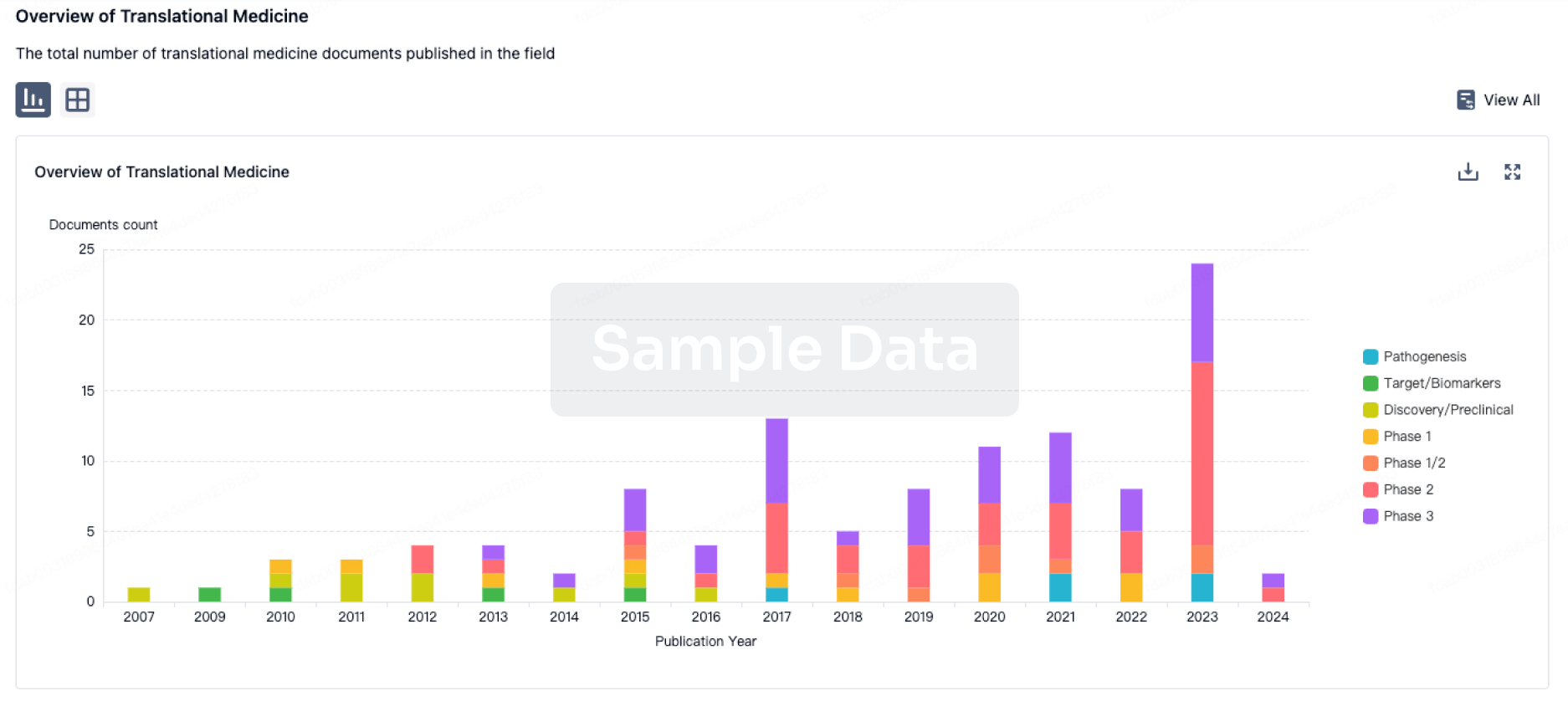
Translational Medicine
Boost your research with our translational medicine data.
login
or
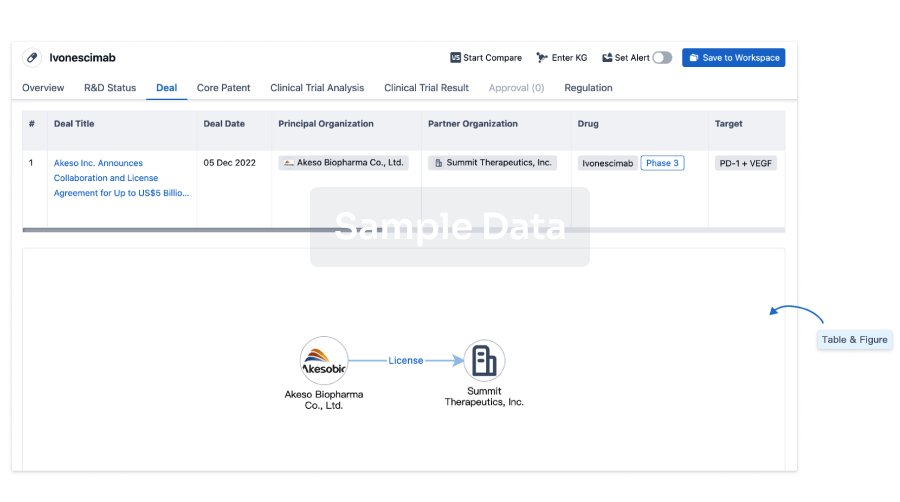
Deal
Boost your decision using our deal data.
login
or
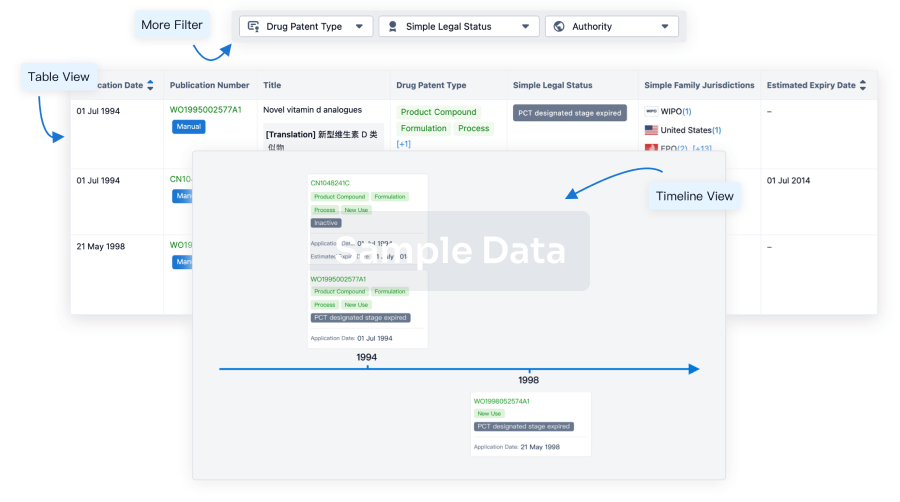
Core Patent
Boost your research with our Core Patent data.
login
or
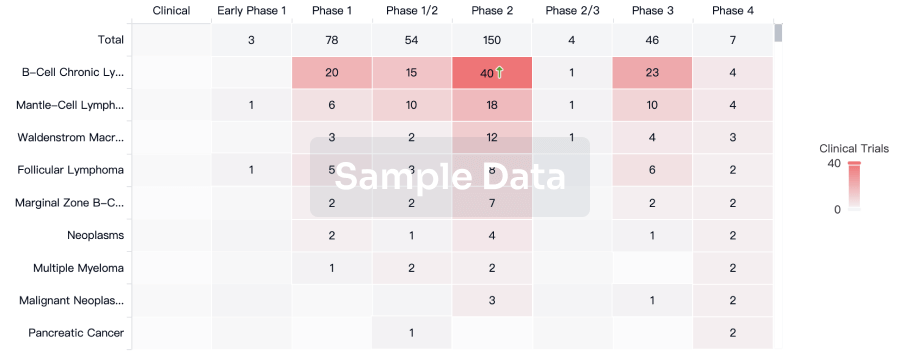
Clinical Trial
Identify the latest clinical trials across global registries.
login
or
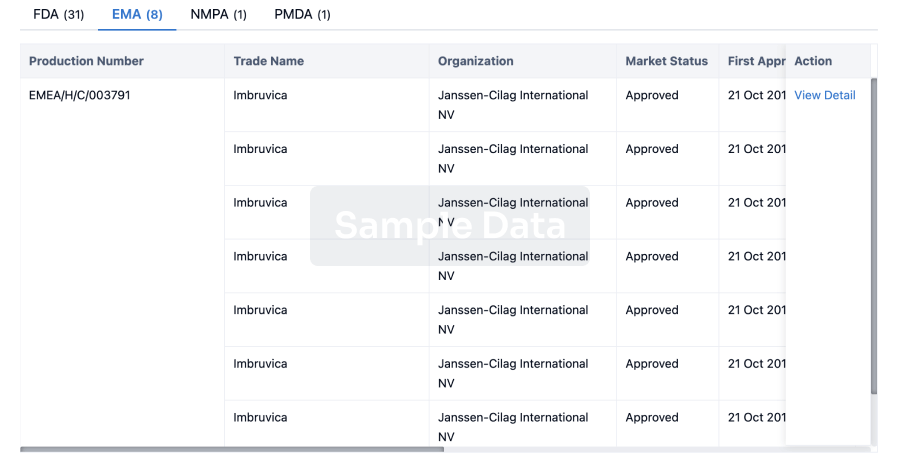
Approval
Accelerate your research with the latest regulatory approval information.
login
or
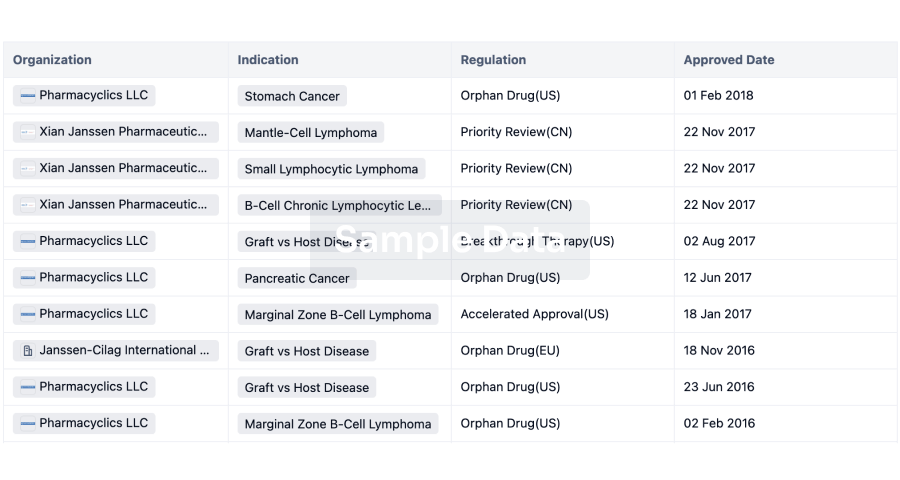
Regulation
Understand key drug designations in just a few clicks with Synapse.
login
or
AI Agents Built for Biopharma Breakthroughs
Accelerate discovery. Empower decisions. Transform outcomes.
Get started for free today!
Accelerate Strategic R&D decision making with Synapse, PatSnap’s AI-powered Connected Innovation Intelligence Platform Built for Life Sciences Professionals.
Start your data trial now!
Synapse data is also accessible to external entities via APIs or data packages. Empower better decisions with the latest in pharmaceutical intelligence.
Bio
Bio Sequences Search & Analysis
Sign up for free
Chemical
Chemical Structures Search & Analysis
Sign up for free