Request Demo
Last update 13 Dec 2025
ENT1 inhibitor (BUGWORKS Research)
Last update 13 Dec 2025
Overview
Basic Info
Originator Organization |
Active Organization |
Inactive Organization- |
License Organization- |
Drug Highest PhaseDiscovery |
First Approval Date- |
Regulation- |

Related
100 Clinical Results associated with ENT1 inhibitor (BUGWORKS Research)
Login to view more data
100 Translational Medicine associated with ENT1 inhibitor (BUGWORKS Research)
Login to view more data
100 Patents (Medical) associated with ENT1 inhibitor (BUGWORKS Research)
Login to view more data
27
Literatures (Medical) associated with ENT1 inhibitor (BUGWORKS Research)01 Feb 2026NEUROPHARMACOLOGY
Ticagrelor as a dual RAS modulator and mitochondrial stabilizer: A multifaceted neurotherapeutic strategy in Huntington's disease
Article
Author: Abou El-Ezz, Doaa ; Sayed, Rabab H ; El-Brairy, Amany ; Abdallah, Dalaal M ; Mohamed, Ola E ; El-Abhar, Hanan S
The pathobiology of Huntington's disease (HD) is far from complete. Although limited, patients have been reported to exhibit altered platelet function, enhanced ENT1, and changes in renin-angiotensin system (RAS), all of which may impact cognitive function. Ticagrelor has demonstrated neuroprotective effects in stroke and parkinsonism models through mechanisms that extend beyond its therapeutic benefits as a P2Y12 receptor antagonist and ENT1 inhibitor. In this study, we investigated the potential efficiency Ticagrelor post-treatment on motor defects in a 3-nitropropionic acid (3-NP)-induced HD-like model. Symptomatic HD rats were daily treated for a week with Ticagrelor, the MAS receptor (MAS-R) antagonist A-779, or Ticagrelor + A-779. Ticagrelor amended body weight loss, motor function in open field and rotarod tests, and striatal histopathological alterations induced by 3-NP. On the striatal molecular level, Ticagrelor downregulated prorenin receptor mRNA expression but upregulated that of the MAS-R. Additionally, it decreased striatal contents of prorenin/renin and angiotensin II (Ang II), while increasing those of angiotensin-converting enzyme 2 and Ang-(1-7). Ticagrelor also hindered the phosphorylation/activation of the inositol trisphosphate receptor (IP3R), dynamin-related protein-1 (DRP-1), and PTEN-induced putative kinase 1 protein (PINK1) expressions. Additionally, it boosted the voltage-dependent anion channel-1 (VDAC-1) and Mitofusin-2 (Mnf-2) striatal contents. A-779 partially reverted Ticagrelor impact on all amendments except for prorenin receptor and p-IP3R. However, prorenin/renin correlated markedly with IP3R, DRP-1, and PINK1, but inversely with VDAC-1 and Mfn-2. In conclusion, Ticagrelor demonstrates promising neurotherapeutic effects in HD partially via the activation of MAS-R, inhibition of prorenin/renin/prorenin receptor, and improvement of mitochondrial homeostasis.
01 Sep 2025JOURNAL OF PHARMACOLOGY AND EXPERIMENTAL THERAPEUTICS
Experimental and computational approaches for evaluating molecule interactions with equilibrative nucleoside transporters 1 and 2
Article
Author: Vignaux, Patricia A ; Cherrington, Nathan J ; Martinez-Guerrero, Lucy J ; Farrera, Dominique O ; Ekins, Sean ; Raman, Renuka ; Wright, Stephen H ; Lane, Thomas R ; Harris, Joshua S
Equilibrative nucleoside transporters (ENTs) facilitate the equilibrative movement of nucleosides and nucleobases across cell membranes in a sodium-independent manner. ENT1 (SLC29A1) and ENT2 (SLC29A2) also transport nucleoside analogs and can affect the pharmacokinetics and pharmacodynamics of drugs used in cancer, viral infections, and inflammatory disorders. ENT1 and ENT2 may be differentiated functionally by their sensitivity to inhibition by nitrobenzylthioinosine (NBMPR), and we used this difference in NBMPR sensitivity to create a HeLa-based ENT2 inhibition assay. We then screened a library of 1600 diverse compounds composed of drugs and natural products for inhibition against ENT1 and ENT2, selecting a subset of compounds for side-by-side comparison of dose-response studies. We used these screening data to build machine learning models for ENT1 and ENT2 inhibition, employing dataset balancing and conformal prediction to adjust for the asymmetrical nature of the data. A random forest model predicted a prospective test set of 44 additional molecules (from the MedChem Express Drug Repurposing Library [2700 compounds]) as potential ENT1 inhibitors with 59% accuracy. This resulted in the identification of the Food and Drug Administration-approved drugs isradipine, avanafil, and istradefylline as inhibitors of ENT1. These new experimental and computational methods and models for these clinically relevant transporters can be used to evaluate drug-transporter interactions early in drug discovery, before testing in vivo. SIGNIFICANCE STATEMENT: Recent regulatory guidance have suggest the inclusion of the equilibrative nucleoside transporters (eg, ENT1 and ENT2) as transporters with emerging clinical relevance for in vitro and in vivo assessment. We have screened over 1600 diverse molecules, allowing us to build machine learning models that in turn were further used to make predictions to validate the models. Our combined experimental and machine learning approach resulted in the identification of multiple Food and Drug Administration-approved medications as inhibitors of ENT1 or ENT2.
01 Jan 2024Hippocampus
Anticonvulsant effect of equilibrative nucleoside transporters 1 inhibitor in a mouse model of Dravet syndrome
Article
Author: Lin, Chun-Jung ; Ho, Shih-Yin ; Chang, Kai-Chieh ; Tsai, Che-Wen ; Chen, I-Chun ; Chern, Yijuang ; Liou, Horng-Huei
Abstract:
There are limited therapeutic options for patients with Dravet syndrome (DS). The equilibrative nucleoside transporters 1 (ENT1) mediate both the influx and efflux of adenosine across the cell membrane exerted beneficial effects in the treatment of epilepsy. This study aimed to evaluate the anticonvulsant effect of the ENT1 inhibitor in an animal model of DS (Scn1aE1099X/+ mice). J7 (5 mg/kg) treatment was efficacious in elevating seizure threshold in Scn1aE1099X/+ mice after hyperthermia exposure. Moreover, the J7 treatment significantly reduced the frequency of spontaneous excitatory post‐synaptic currents (sEPSCs, ~35% reduction) without affecting the amplitude in dentate gyrus (DG) granule cells. Pretreatment with the adenosine A1 receptor (A1R) antagonist, DPCPX, abolished the J7 effects on sEPSCs. These observations suggest that the J7 shows an anticonvulsant effect in hyperthermia‐induced seizures in Scn1aE1099X/+ mice. This effect possibly acts on presynaptic A1R‐mediated signaling modulation in granule cells.
3
News (Medical) associated with ENT1 inhibitor (BUGWORKS Research)21 Jul 2025

Phase 1AcquisitionPhase 2ADC
28 May 2025
Phase 2ImmunotherapyClinical Trial Failure
13 May 2025
Phase 2Phase 1ImmunotherapyPhase 3Financial Statement
100 Deals associated with ENT1 inhibitor (BUGWORKS Research)
Login to view more data
R&D Status
10 top R&D records. to view more data
Login
| Indication | Highest Phase | Country/Location | Organization | Date |
|---|---|---|---|---|
| Neoplasms | Discovery | India | 01 Mar 2025 |
Login to view more data
Clinical Result
Clinical Result
Indication
Phase
Evaluation
View All Results
Login to view more data
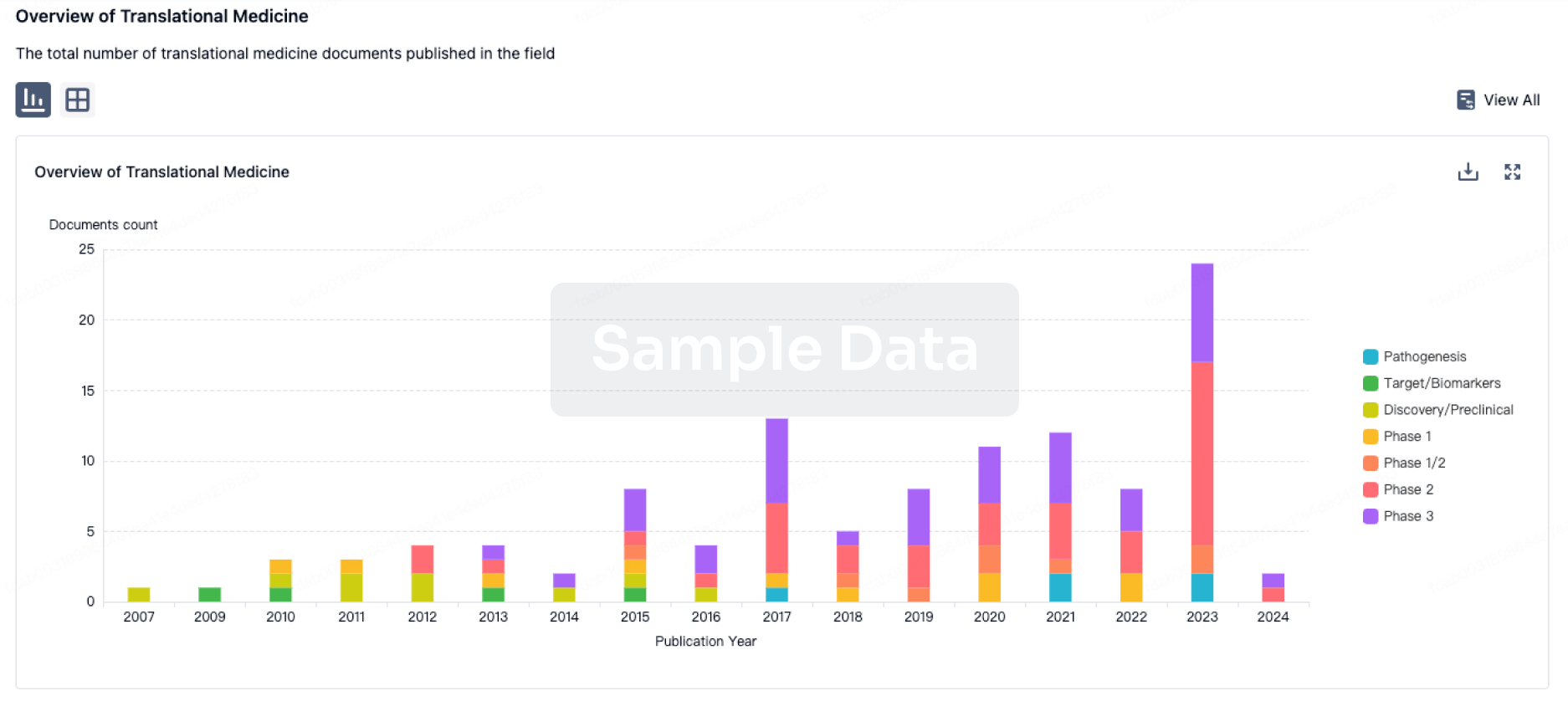
Translational Medicine
Boost your research with our translational medicine data.
login
or
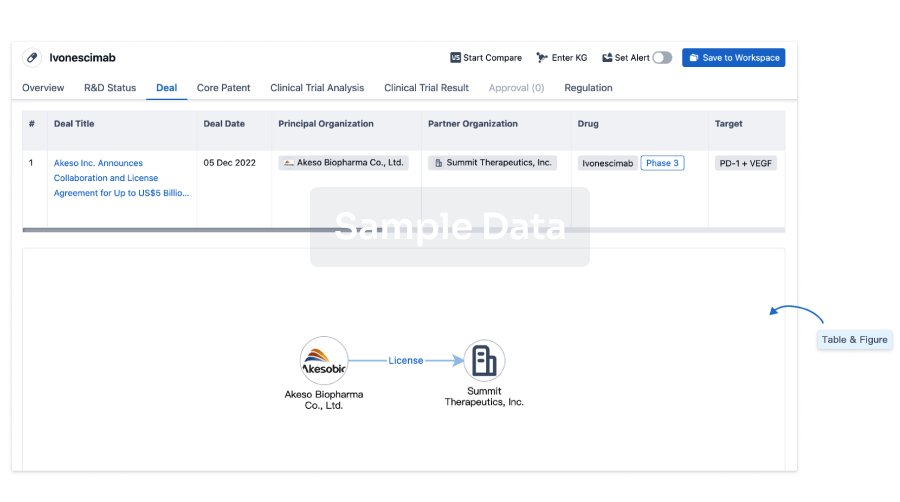
Deal
Boost your decision using our deal data.
login
or
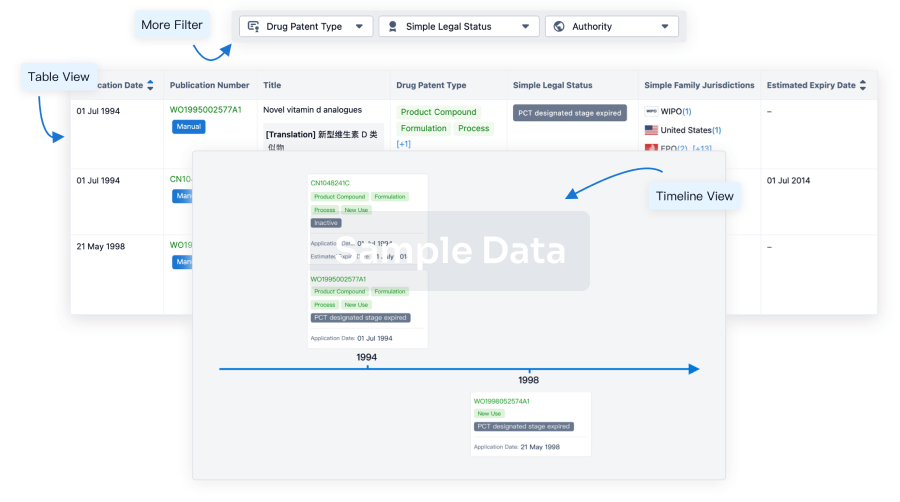
Core Patent
Boost your research with our Core Patent data.
login
or
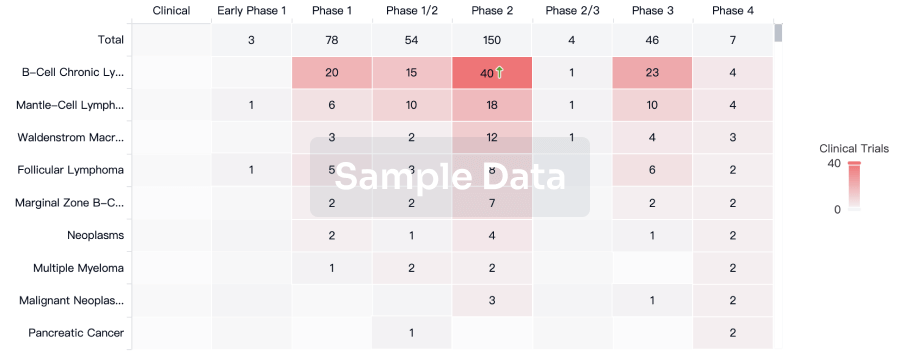
Clinical Trial
Identify the latest clinical trials across global registries.
login
or
Approval
Accelerate your research with the latest regulatory approval information.
login
or
Regulation
Understand key drug designations in just a few clicks with Synapse.
login
or
AI Agents Built for Biopharma Breakthroughs
Accelerate discovery. Empower decisions. Transform outcomes.
Get started for free today!
Accelerate Strategic R&D decision making with Synapse, PatSnap’s AI-powered Connected Innovation Intelligence Platform Built for Life Sciences Professionals.
Start your data trial now!
Synapse data is also accessible to external entities via APIs or data packages. Empower better decisions with the latest in pharmaceutical intelligence.
Bio
Bio Sequences Search & Analysis
Sign up for free
Chemical
Chemical Structures Search & Analysis
Sign up for free