Request Demo
Last update 20 Dec 2025
Anti-HER2 CAR-T cell therapy(Chinese PLA General Hospital)
Last update 20 Dec 2025
Overview
Basic Info
Drug Type Autologous CAR-T |
Synonyms- |
Target |
Action antagonists |
Mechanism HER2 antagonists(Receptor tyrosine-protein kinase erbB-2 antagonists), Gene transference(Gene transference), T lymphocyte replacements |
Therapeutic Areas |
Active Indication- |
Inactive Indication |
Originator Organization |
Active Organization- |
Inactive Organization |
License Organization- |
Drug Highest PhasePendingPhase 1/2 |
First Approval Date- |
Regulation- |

Login to view timeline
Related
1
Clinical Trials associated with Anti-HER2 CAR-T cell therapy(Chinese PLA General Hospital)NCT01935843
Clinical Study of Chimeric HER-2 Antigen Receptor-modified T Cells in Chemotherapy Refractory HER-2 Advanced Solid Tumors
100 Clinical Results associated with Anti-HER2 CAR-T cell therapy(Chinese PLA General Hospital)
Login to view more data
100 Translational Medicine associated with Anti-HER2 CAR-T cell therapy(Chinese PLA General Hospital)
Login to view more data
100 Patents (Medical) associated with Anti-HER2 CAR-T cell therapy(Chinese PLA General Hospital)
Login to view more data
1
Literatures (Medical) associated with Anti-HER2 CAR-T cell therapy(Chinese PLA General Hospital)Biomedicines
Anti-Cancer Potential of Transiently Transfected HER2-Specific Human Mixed CAR-T and NK Cell Populations in Experimental Models: Initial Studies on Fucosylated Chondroitin Sulfate Usage for Safer Treatment
Article
Author: Fedorova, Polina O. ; Zamkova, Maria A. ; Shubina, Irina Zh. ; Pokrovsky, Vadim S. ; Vlasenko, Raimonda Ya. ; Nifantiev, Nikolay E. ; Donenko, Fedor V. ; Anisimova, Natalia Yu. ; Ustyuzhanina, Nadezhda E. ; Dolzhikova, Yuliya I. ; Persiyantseva, Nadezhda A. ; Chikileva, Irina O. ; Kiselevskiy, Mikhail V. ; Bruter, Alexandra V. ; Lebedinskaya, Olga V. ; Sokolova, Darina V.
Human epidermal growth factor receptor 2 (HER2) is overexpressed in numerous cancer cell types. Therapeutic antibodies and chimeric antigen receptors (CARs) against HER2 were developed to treat human tumors. The major limitation of anti-HER2 CAR-T lymphocyte therapy is attributable to the low HER2 expression in a wide range of normal tissues. Thus, side effects are caused by CAR lymphocyte “on-target off-tumor” reactions. We aimed to develop safer HER2-targeting CAR-based therapy. CAR constructs against HER2 tumor-associated antigen (TAA) for transient expression were delivered into target T and natural killer (NK) cells by an effective and safe non-viral transfection method via nucleofection, excluding the risk of mutations associated with viral transduction. Different in vitro end-point and real-time assays of the CAR lymphocyte antitumor cytotoxicity and in vivo human HER2-positive tumor xenograft mice model proved potent cytotoxic activity of the generated CAR-T-NK cells. Our data suggest transient expression of anti-HER2 CARs in plasmid vectors by human lymphocytes as a safer treatment for HER2-positive human cancers. We also conducted preliminary investigations to elucidate if fucosylated chondroitin sulfate may be used as a possible agent to decrease excessive cytokine production without negative impact on the CAR lymphocyte antitumor effect.
100 Deals associated with Anti-HER2 CAR-T cell therapy(Chinese PLA General Hospital)
Login to view more data
R&D Status
10 top R&D records. to view more data
Login
| Indication | Highest Phase | Country/Location | Organization | Date |
|---|---|---|---|---|
| Chemotherapy-induced nausea and vomiting | Phase 2 | China | 01 Sep 2013 |
Login to view more data
Clinical Result
Clinical Result
Indication
Phase
Evaluation
View All Results
Login to view more data
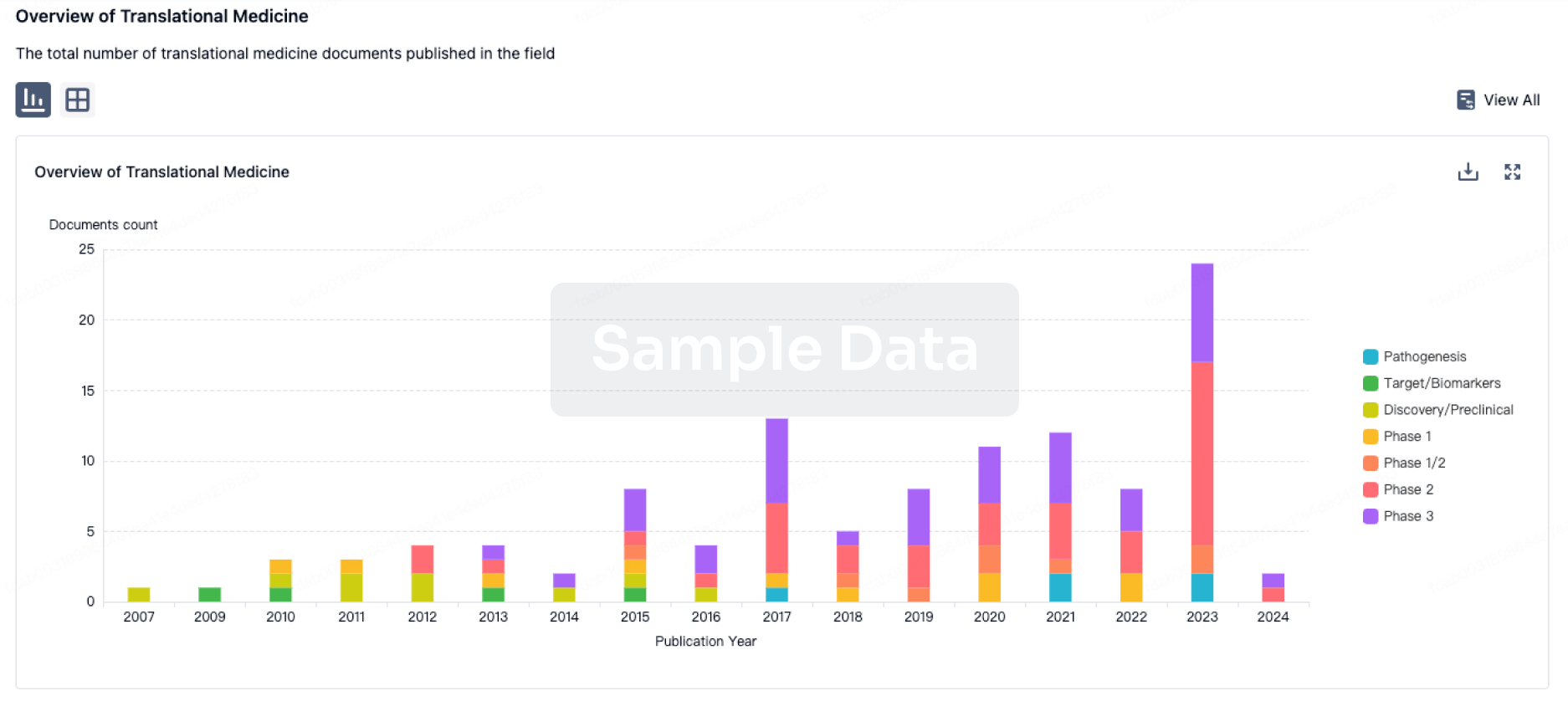
Translational Medicine
Boost your research with our translational medicine data.
login
or
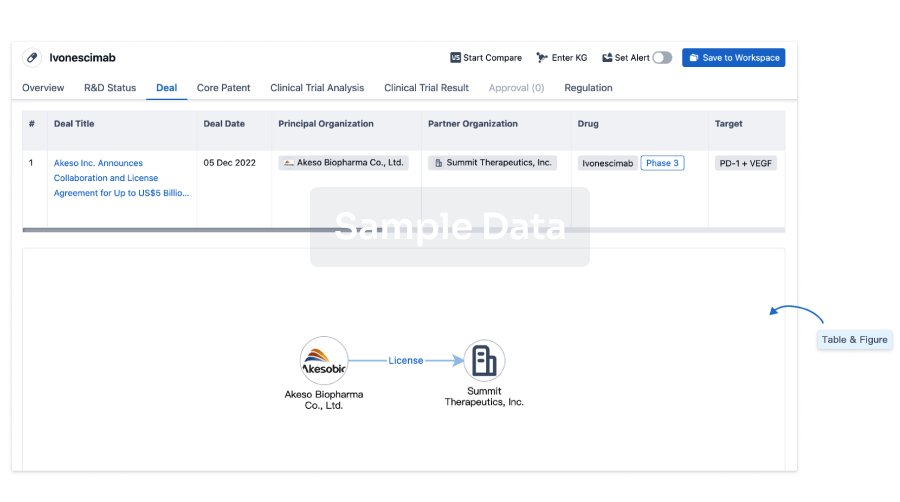
Deal
Boost your decision using our deal data.
login
or
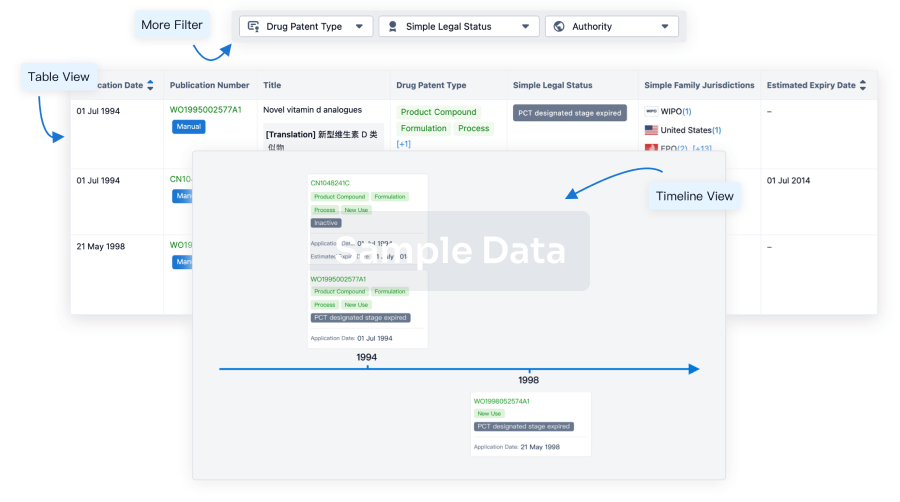
Core Patent
Boost your research with our Core Patent data.
login
or
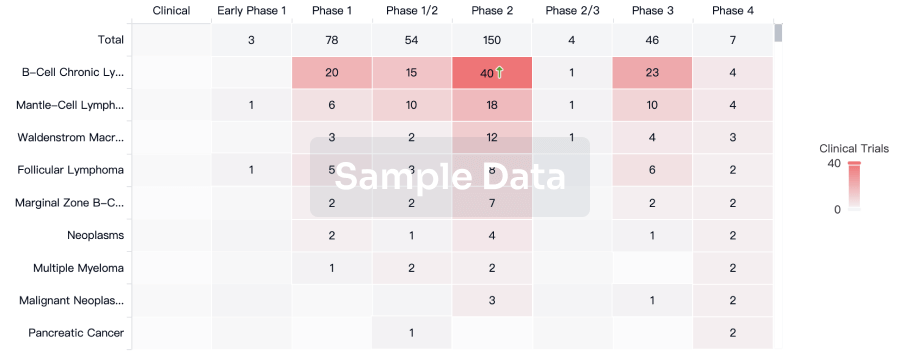
Clinical Trial
Identify the latest clinical trials across global registries.
login
or
Approval
Accelerate your research with the latest regulatory approval information.
login
or
Regulation
Understand key drug designations in just a few clicks with Synapse.
login
or
AI Agents Built for Biopharma Breakthroughs
Accelerate discovery. Empower decisions. Transform outcomes.
Get started for free today!
Accelerate Strategic R&D decision making with Synapse, PatSnap’s AI-powered Connected Innovation Intelligence Platform Built for Life Sciences Professionals.
Start your data trial now!
Synapse data is also accessible to external entities via APIs or data packages. Empower better decisions with the latest in pharmaceutical intelligence.
Bio
Bio Sequences Search & Analysis
Sign up for free
Chemical
Chemical Structures Search & Analysis
Sign up for free