Request Demo
Last update 11 Oct 2025
Genistein combined polysaccharide
Last update 11 Oct 2025
Overview
Basic Info
Drug Type Chemical drugs, Saccharide |
Synonyms GCP |
Target- |
Action- |
Mechanism- |
Therapeutic Areas |
Active Indication |
Inactive Indication- |
Originator Organization |
Active Organization |
Inactive Organization |
License Organization- |
Drug Highest PhaseDiscovery |
First Approval Date- |
Regulation- |


Related
1
Clinical Trials associated with Genistein combined polysaccharideNCT00269555
Effects of a Genistein Combined Polysaccharide (GCP) on Patients With a Diagnosis of Prostate Cancer on Active Surveillance.
100 Clinical Results associated with Genistein combined polysaccharide
Login to view more data
100 Translational Medicine associated with Genistein combined polysaccharide
Login to view more data
100 Patents (Medical) associated with Genistein combined polysaccharide
Login to view more data
193
Literatures (Medical) associated with Genistein combined polysaccharide01 Oct 2025ENVIRONMENTAL POLLUTION
Impact of natural rainfall and solidifying agents on solidified river sludge: Environmental characteristics
Article
Author: Shen, Junjie ; Zhao, Min ; Yoshida, Noriyuki ; Wu, Suqing ; Wang, Liujiang ; Liu, Sihong ; Wei, Mengyi ; Fan, Chunzhen ; Cui, Hongbin ; Zheng, Xiangyong
Application of solidified dredged sludge for constructing ecological slope protection represents a vital strategy for sustainable utilization of river sludge. Evaluating the environmental characteristics of solidified river sludge under prolonged exposure to natural conditions is essential for assessing its ecological safety and practical applicability. In this study, conventional cement (CC) and a novel composite solidifying agent (GCP) were employed to stabilize river sludge. Impact of natural rainfall erosion on the physicochemical properties and environmental characteristics of the solidified sludge was examined. Particular focus was placed on the release patterns of water pollutants, including nitrogen, phosphorus, and heavy metals from both types of solidified sludge under natural rainfall exposure. The results showed that rainfall erosion reduced the strength and pH of the solidified sludge, affected the immobilization effect of heavy metals, nitrogen, phosphorus, and promoted their release. Compared with CC, GCP exhibited better immobilization effects on pollutants and a stronger buffering capacity against rainfall erosion. The compressive strength of the GCP solidified sludge (GCPSS) after rainfall erosion was 1.35 times greater than that of the CC solidified sludge (CCSS). The concentrations of total phosphorous and nitrogen in the GCPSS decreased significantly under the action of multiple rainfall events. Cynodon dactylon cultivated on the GCPSS demonstrated superior growth performance, accompanied by greater microbial diversity and abundance. Notably, the populations of Pseudolabrys, Gaiella, and Bacillus were enriched, contributing positively to soil stability. In contrast, the microbial community in the CCSS exhibited no significant variation. These findings are important for assessing the feasibility and environmental safety of utilizing solidified river sludge in the construction of ecological slope protection.
01 Oct 2025FOOD RESEARCH INTERNATIONAL
Insights into structure–rheology relationships in Pickering emulsions stabilized by gliadin-citrus pectin complex particles
Article
Author: Yu, Xiang ; Liu, Xiao ; Chen, Jian ; Wang, Yanan ; Zhao, Luping ; Li, Jianghua
In this study, citrus pectin was used to modify gliadin to prepare complex particles (GCP), and GCP roles in influencing emulsion formation by adjusting pH (3-7) and gliadin/citrus pectin ratio (1:0-1:0.1) was explored. Compared with gliadin particles, the instability of emulsion stabilized by GCP could be improved at pH 3.0-4.0, and GCP could form smaller droplet size of emulsions at pH 5.0-7.0. Under the selected conditions of pH 4.0 and 7.0, the GCP at 1:0.05 had tuned near neutral wettability in comparison of other ratios. Furthermore, the formation mechanism of GCP at 1:0.05 revealed the stabilizing impact on the correlation between structure and emulsions with different GCP concentrations (Cp, 2% ∼ 10%, w/w) and oil phase contents (φ, 20% ∼ 70%, w/w). Exponents (n and m), which characterize the relationship between Cp and φ with respect to the storage modulus (G'), were determined by applying power-law eqs. (G' ∼ Cn and G' ∼ φm), respectively. The network strengths of Pickering emulsions stabilized by GCP particles had varying degrees of dependence on Cp and φ. The crossover point γco serves as a critical indicator of the emulsion structure's ability to resist deformation. For low oil-phase content (20% ∼ 30%, v/v), the stress required for γco showed a notable rise as Cp increased. In the range of medium oil-phase content (40% ∼ 60%, v/v), the stress required for γco rose with the GCP concentration increased, but the rate of increase decreased slightly compared to that of the low oil. In the range of high oil-phase content (70%, v/v), the required stress at the crossover-point decreased with increasing particle concentration.
01 Sep 2025JOURNAL OF PHARMACEUTICAL AND BIOMEDICAL ANALYSIS
Quality evaluation of Citri Reticulatae Pericarpium by supercritical fluid chromatography with chemical pattern recognition
Article
Author: Zhang, Tingting ; Ma, Hongyan ; Chen, Lin ; Wang, Jincai ; Zhou, Jinsong ; Mao, Junran ; Chen, Xinxin ; Jiang, Zhengjin
An efficient and rapid supercritical fluid chromatography (SFC) method was established for the analysis of flavonoids in Citri Reticulatae Pericarpium (CRP), the best conditions were obtained by optimizing the parameters of the SFC method. The peak area obtained by SFC analysis of CRP samples, combined with chemical pattern recognition, was used to establish a model to evaluate the quality of Guang Chenpi (GCP) and Chenpi (CP) in CRP. Partial least squares discriminant analysis (PLS-DA) proved to be an excellent method that can accurately distinguish GCP from CP. The PLS-DA model was established by selecting the training set, and the characteristic components (Didymin and Hesperidin) were screened out to further establish the model, and the testing sets were brought into the model for verification, indicating that the model established based on the peak areas is reliable, and two quality markers (Narirutin and Neohesperidin) were found to distinguish between Xinhui and Non-Xinhui in GCP based on the content determination. In conclusion, the combination of SFC and chemical pattern recognition for the quality evaluation of CRP has great potential.
100 Deals associated with Genistein combined polysaccharide
Login to view more data
R&D Status
10 top R&D records. to view more data
Login
| Indication | Highest Phase | Country/Location | Organization | Date |
|---|---|---|---|---|
| Prostatic Cancer | Clinical | United States | 01 May 2004 |
Login to view more data
Clinical Result
Clinical Result
Indication
Phase
Evaluation
View All Results
Login to view more data
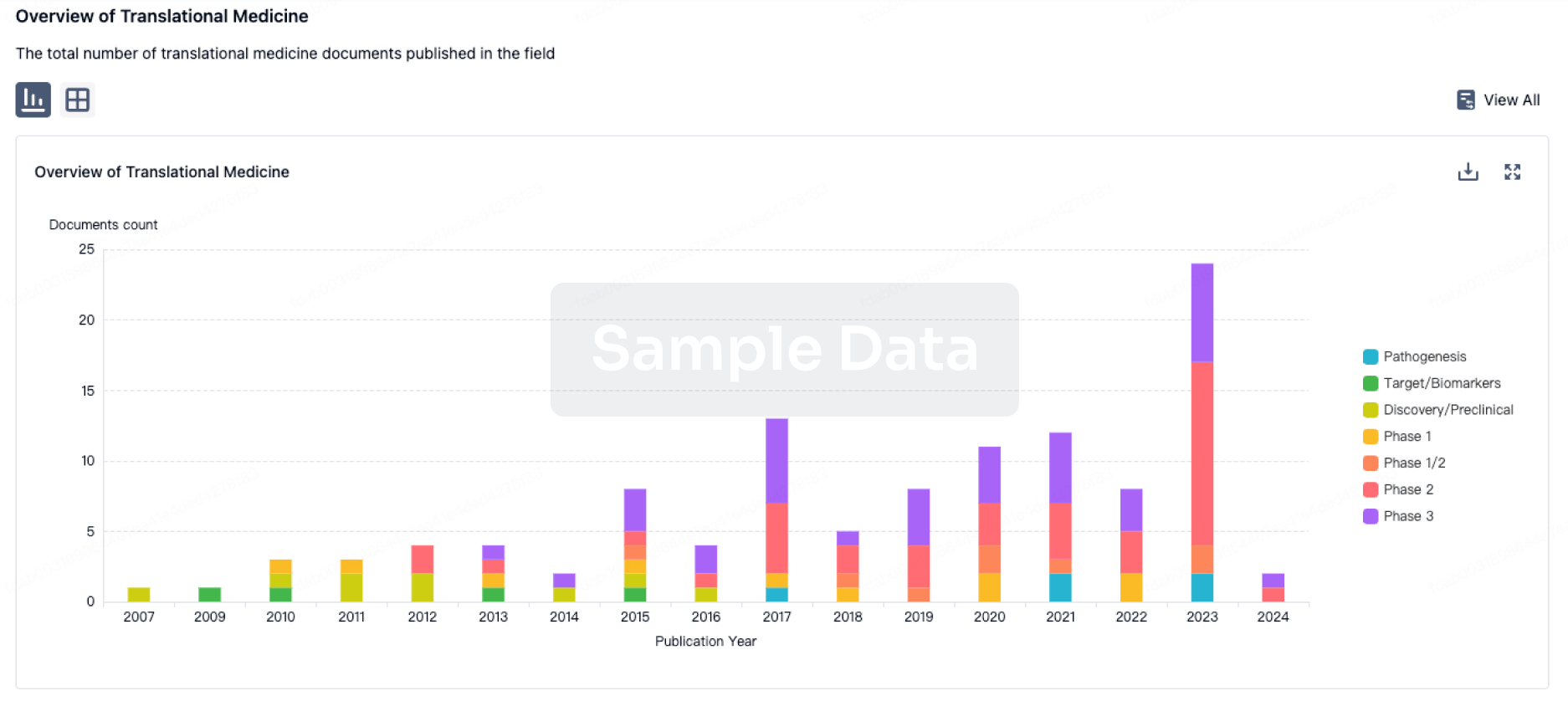
Translational Medicine
Boost your research with our translational medicine data.
login
or
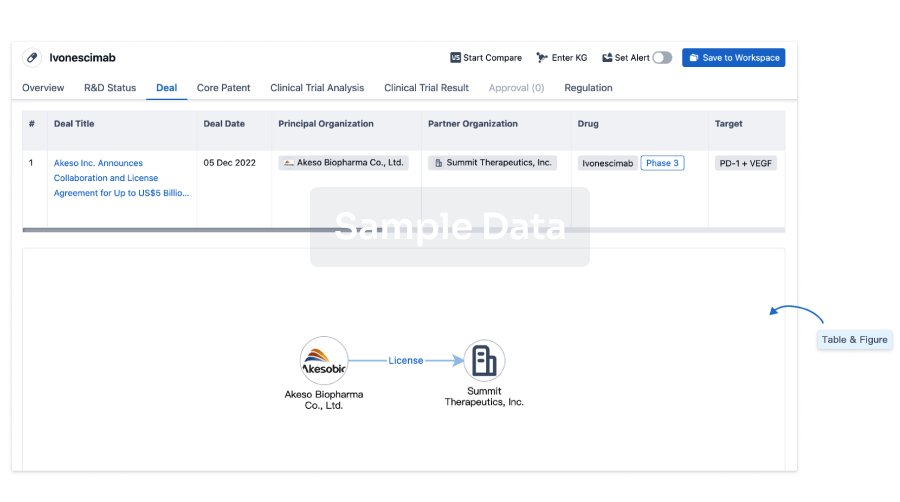
Deal
Boost your decision using our deal data.
login
or
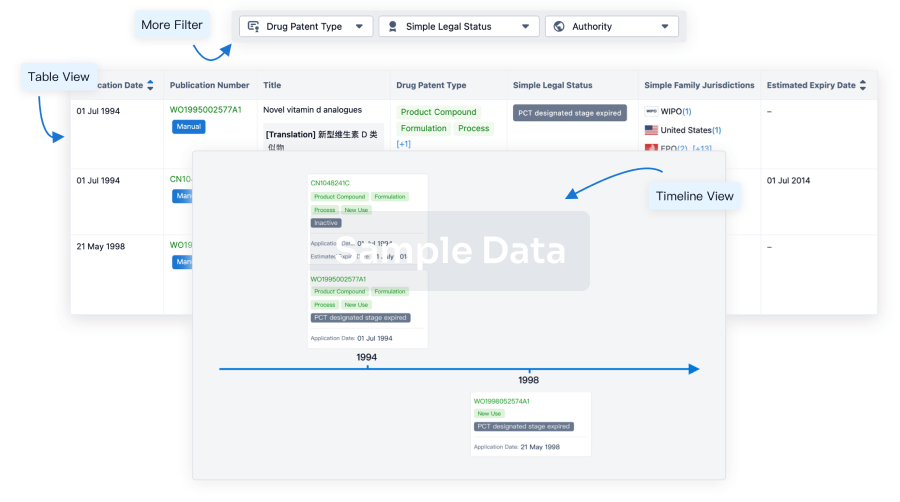
Core Patent
Boost your research with our Core Patent data.
login
or
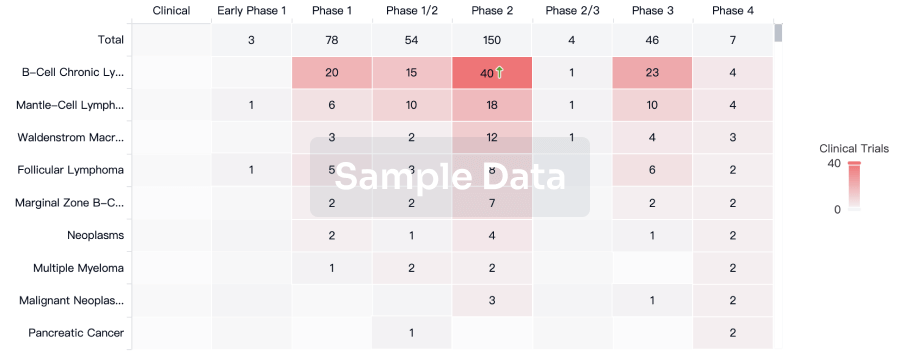
Clinical Trial
Identify the latest clinical trials across global registries.
login
or
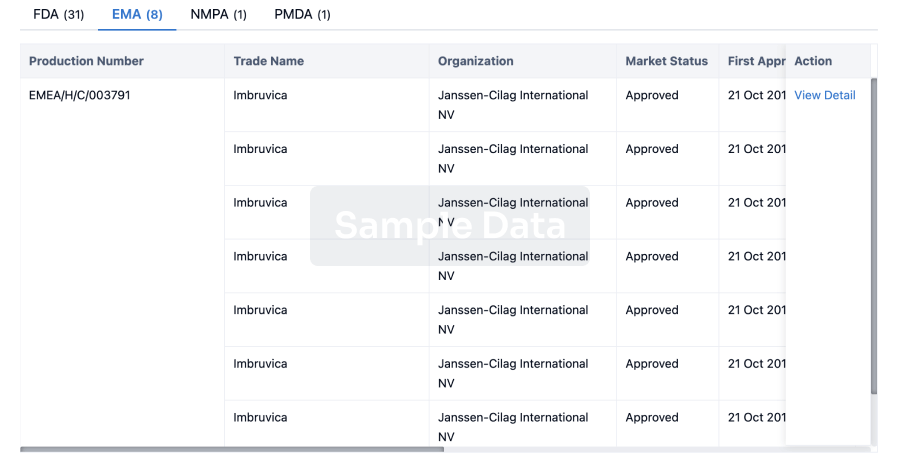
Approval
Accelerate your research with the latest regulatory approval information.
login
or
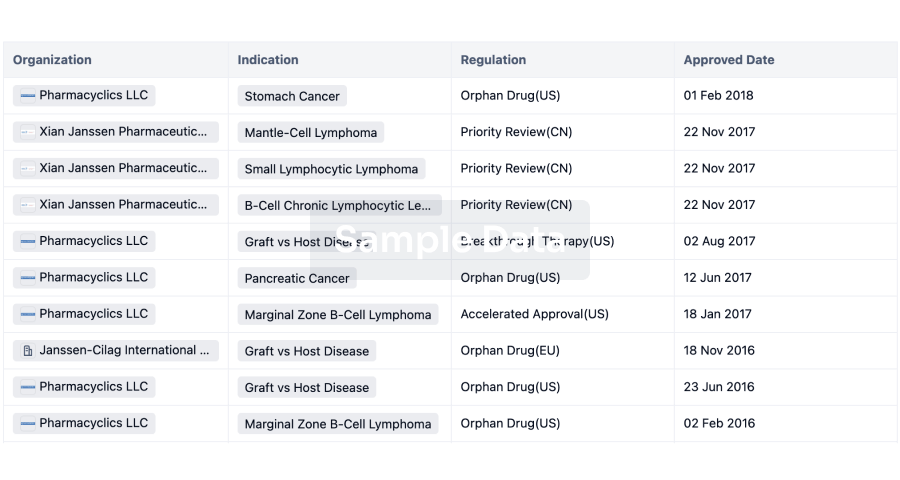
Regulation
Understand key drug designations in just a few clicks with Synapse.
login
or
AI Agents Built for Biopharma Breakthroughs
Accelerate discovery. Empower decisions. Transform outcomes.
Get started for free today!
Accelerate Strategic R&D decision making with Synapse, PatSnap’s AI-powered Connected Innovation Intelligence Platform Built for Life Sciences Professionals.
Start your data trial now!
Synapse data is also accessible to external entities via APIs or data packages. Empower better decisions with the latest in pharmaceutical intelligence.
Bio
Bio Sequences Search & Analysis
Sign up for free
Chemical
Chemical Structures Search & Analysis
Sign up for free