Request Demo
Last update 23 Aug 2025
Peltopepimut- S
Last update 23 Aug 2025
Overview
Basic Info
Drug Type Synthetic peptide |
Synonyms- |
Target- |
Action- |
Mechanism- |
Therapeutic Areas |
Active Indication |
Inactive Indication- |
Originator Organization |
Active Organization |
Inactive Organization- |
License Organization- |
Drug Highest PhaseClinical |
First Approval Date- |
Regulation- |
Structure/Sequence
Sequence Code 71985

Source: *****
Sequence Code 71988
Source: *****
Sequence Code 71995
Source: *****
Sequence Code 72002
Source: *****
Sequence Code 72008
Source: *****
Sequence Code 72014
Source: *****
Sequence Code 72028
Source: *****
Sequence Code 72035
Source: *****
Sequence Code 72040
Source: *****
Sequence Code 72045
Source: *****
Sequence Code 72053
Source: *****
Sequence Code 9579096
Source: *****
Related
100 Clinical Results associated with Peltopepimut- S
Login to view more data
100 Translational Medicine associated with Peltopepimut- S
Login to view more data
100 Patents (Medical) associated with Peltopepimut- S
Login to view more data
1
Literatures (Medical) associated with Peltopepimut- S01 May 2025GYNECOLOGIC ONCOLOGY
Cemiplimab plus peltopepimut-S vaccine in recurrent cervical cancer: A phase 2 clinical trial
Article
Author: Seebach, Frank ; De Melo, Andreia Cristina ; Ottevanger, Nelleke ; Kim, Yong-Man ; Mathias, Melissa ; Reyners, Anna K L ; Kim, Hee-Seung ; Lee, Jae-Kwan ; Jamil, Shaheda ; Borges, Giuliano S ; Hooftman, Leon ; Paiva, Carlos E ; Van Gorp, Toon ; Fury, Matthew G ; Damian, Fernanda ; Closset, Celine ; Denys, Hannelore ; Boersma, Lisa ; Lowy, Israel ; Redondo, Andres ; Colombo, Nicoletta ; Melief, Cornelis J M ; Yoo, Suk-Young ; Lalisang, Roy ; Mora, Paulo ; Kroep, Judith R ; Lorusso, Domenica ; Oaknin, Ana
OBJECTIVE:
To estimate the clinical benefit of cemiplimab+peltopepimut-S vaccine after disease progression on first-line chemotherapy.
METHODS:
This global phase 2 open-label study (NCT04646005) recruited patients with recurrent HPV16+ cervical cancer who had previously experienced disease progression after first-line chemotherapy. Patients received a total of 3 doses of peltopepimut-S vaccine on days 1, 29, and 50 and cemiplimab 350 mg every 3 weeks until disease progression or other reason for early discontinuation. Primary endpoint was objective response rate (ORR) per RECIST version 1.1; secondary endpoints were duration of response (DOR), overall survival (OS), progression-free survival (PFS), and safety.
RESULTS:
Of 113 patients enrolled between June 28, 2021 and May 22, 2023, 80.5 % were white, with a median age of 49.0 years, and 58.4 % had an ECOG PS of 0. Median duration of follow-up was 4.9 months. ORR (95 % CI) per investigator assessment was 16.8 % (9.9-23.7). ORR of patients with squamous cell carcinoma by PD-L1 expression in tumor cells was 15.8 % for patients with PD-L1 < 1 % and 24.1 % for patients with PD-L1 ≥ 1 %. Median (95 % CI) DOR was 5.6 (3.5-not estimable) months. Median (95 % CI) OS and PFS were 13.3 (10.8-16.3) months and 3.0 (1.7-4.0) months, respectively. Treatment-emergent adverse events (TEAEs) occurred in 92.9 % of patients, the most common being injection-site reaction (38.9 %) and anemia (25.7 %). Six (5.3 %) patients died from a TEAE.
CONCLUSION:
Cemiplimab+peltopepimut-S vaccine provides similar benefits to cemiplimab monotherapy; patients with higher PD-L1 expression in tumor cells may be more likely to benefit from treatment.
6
News (Medical) associated with Peltopepimut- S10 Jul 2024

10 Jul 2024

Drug ApprovalAcquisition
10 Jul 2024

License out/in
100 Deals associated with Peltopepimut- S
Login to view more data
R&D Status
10 top R&D records. to view more data
Login
| Indication | Highest Phase | Country/Location | Organization | Date |
|---|---|---|---|---|
| Advanced Cervical Carcinoma | Clinical | Netherlands | - | |
| Advanced Head and Neck Carcinoma | Clinical | Netherlands | - |
Login to view more data
Clinical Result
Clinical Result
Indication
Phase
Evaluation
View All Results
Login to view more data
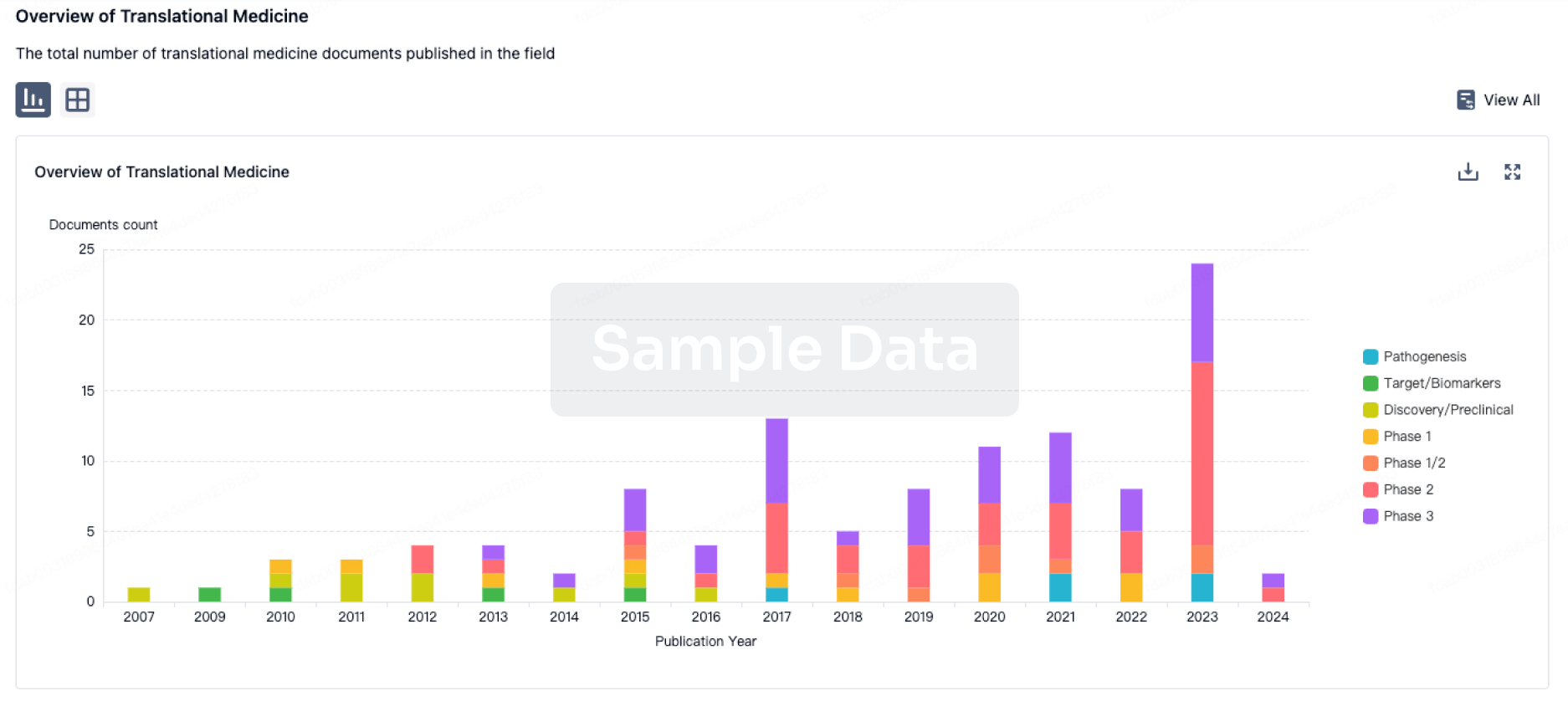
Translational Medicine
Boost your research with our translational medicine data.
login
or
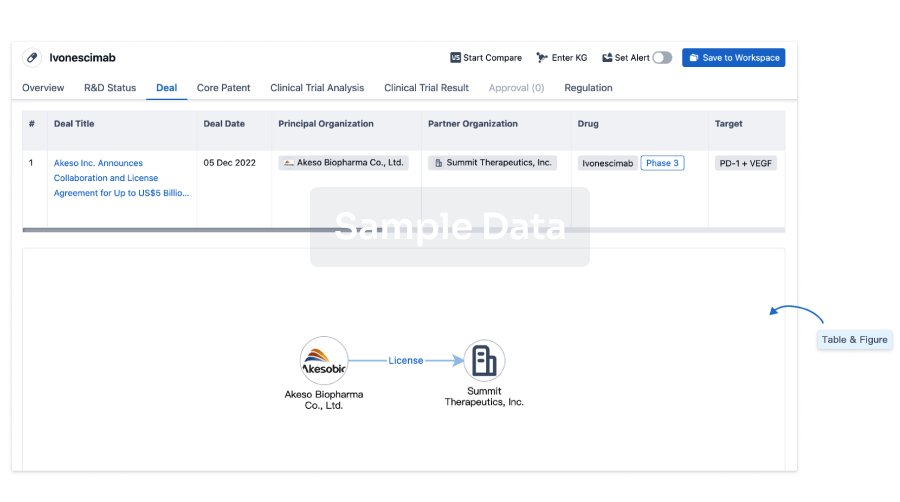
Deal
Boost your decision using our deal data.
login
or
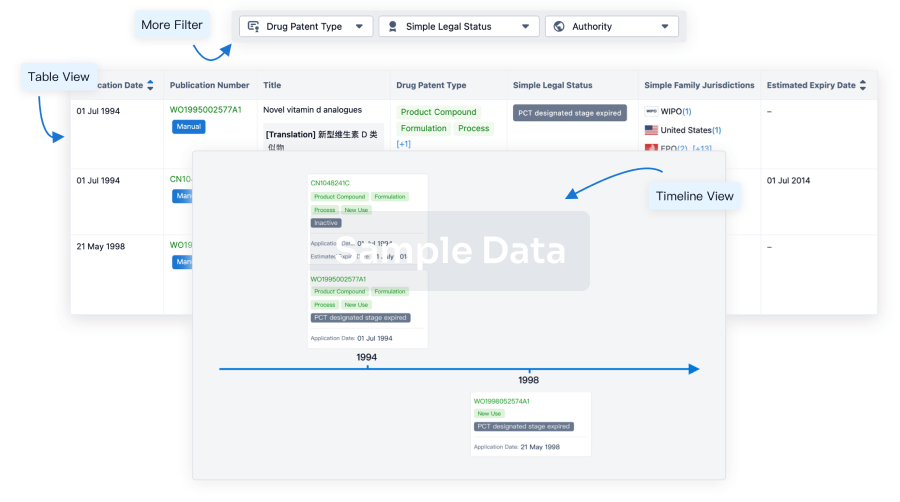
Core Patent
Boost your research with our Core Patent data.
login
or
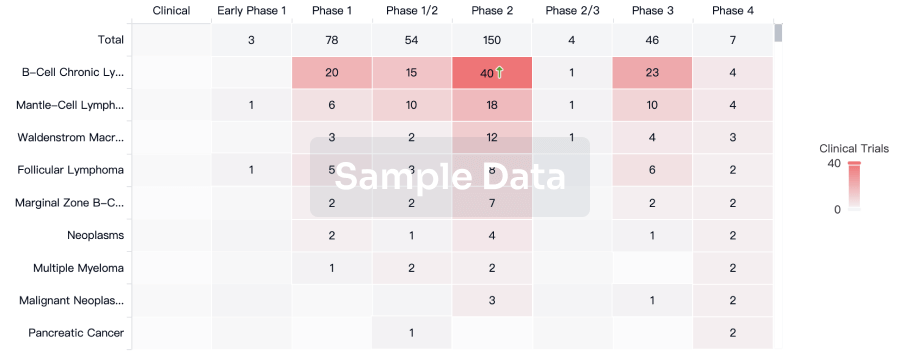
Clinical Trial
Identify the latest clinical trials across global registries.
login
or
Approval
Accelerate your research with the latest regulatory approval information.
login
or
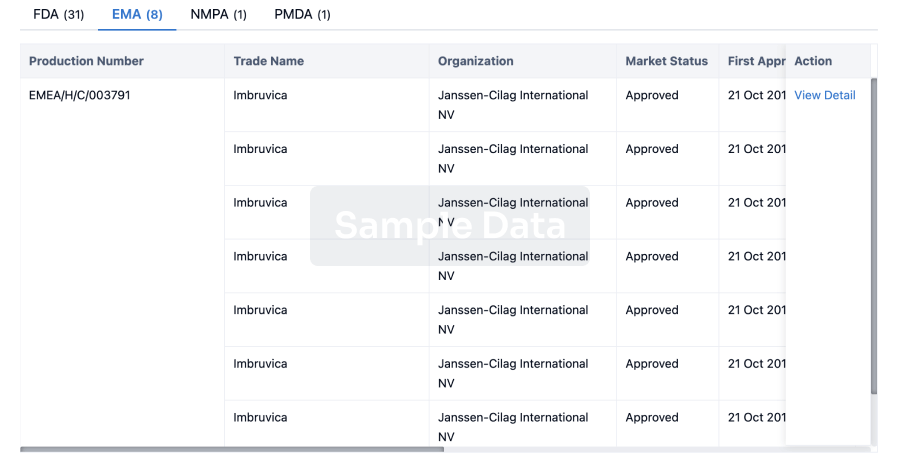
Biosimilar
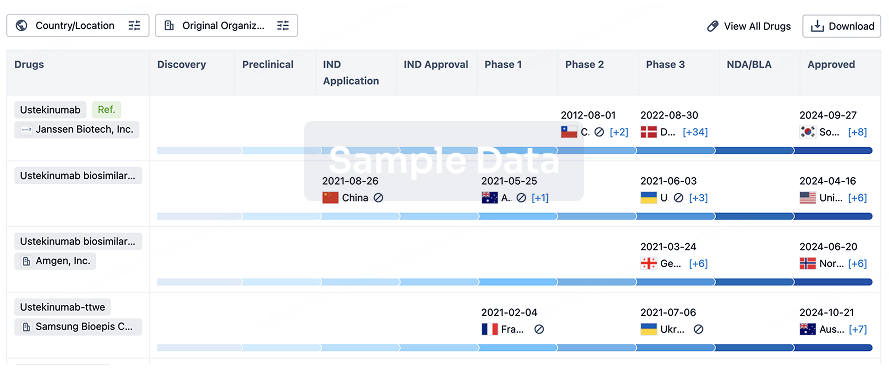
Competitive landscape of biosimilars in different countries/locations. Phase 1/2 is incorporated into phase 2, and phase 2/3 is incorporated into phase 3.
login
or
Regulation
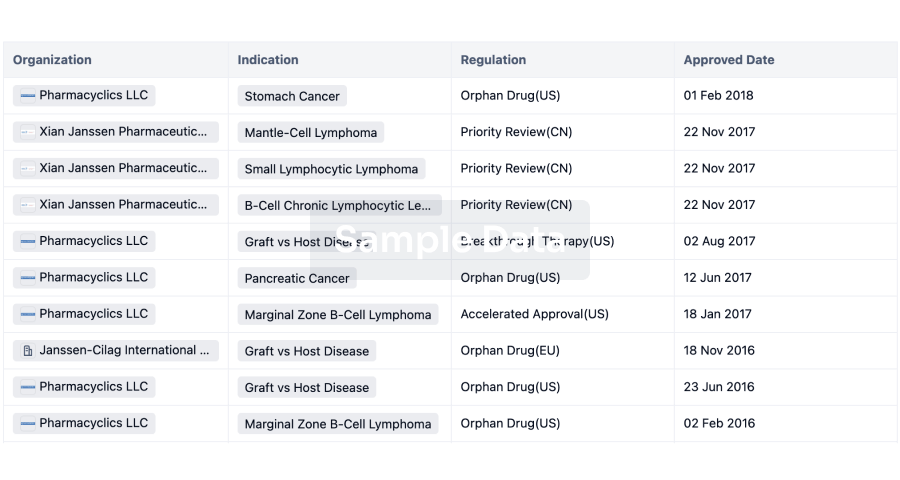
Understand key drug designations in just a few clicks with Synapse.
login
or
AI Agents Built for Biopharma Breakthroughs
Accelerate discovery. Empower decisions. Transform outcomes.
Get started for free today!
Accelerate Strategic R&D decision making with Synapse, PatSnap’s AI-powered Connected Innovation Intelligence Platform Built for Life Sciences Professionals.
Start your data trial now!
Synapse data is also accessible to external entities via APIs or data packages. Empower better decisions with the latest in pharmaceutical intelligence.
Bio
Bio Sequences Search & Analysis
Sign up for free
Chemical
Chemical Structures Search & Analysis
Sign up for free